
Home Blog Page 75

Career Opportunities in Sound Engineering and Music Psychology

0
Sound Engineering and Music Psychology

The fields of sound engineering and music psychology offer dynamic and fulfilling career paths for individuals passionate about the technical and psychological aspects of music. This article delves into the various job prospects worldwide, highlights top universities offering relevant courses, and provides resources for further reading.


Sound Engineering and Music Psychology,
Entry-level sound engineering positions,
Music psychology research assistant jobs,
Freelance audio production opportunities,
Sound engineering internships for students,
Music cognition PhD programs.

Understanding Sound Engineering and Music Psychology

Sound Engineering involves the technical aspects of recording, manipulating, mixing, and reproducing sound. Professionals in this field work in various settings, including recording studios, live concerts, film production, and broadcasting.

Music Psychology is the scientific study of how music affects human behavior, emotions, and cognition. Experts in this domain explore topics such as music perception, performance, therapy, and its impact on mental health.

Career Opportunities in Sound Engineering

The sound engineering industry offers a plethora of roles catering to different interests and skill sets:

  • Recording Engineer: Responsible for capturing and recording audio in studios.

  • Live Sound Engineer: Manages audio quality during live events and concerts.

  • Mixing Engineer: Combines various audio tracks to create a cohesive final product.

  • Mastering Engineer: Enhances the final mix for distribution across various formats.

  • Broadcast Engineer: Oversees audio quality for radio and television broadcasts.

  • Sound Designer: Creates audio elements for films, video games, and other media.

  • Acoustical Consultant: Advises on sound behavior in different environments to optimize acoustics.

For a comprehensive list of careers in music production and engineering, visit Berklee College of Music’s career page.

Career Opportunities in Music Psychology

Music psychology professionals can pursue various roles that bridge the gap between music and human behavior:

  • Music Therapist: Utilizes music interventions to address clients’ emotional, cognitive, and social needs.

  • Academic Researcher: Conducts studies on music perception, cognition, and its psychological effects.

  • Music Educator: Applies psychological principles to enhance teaching methodologies.

  • Consultant for Performing Artists: Provides strategies to manage performance anxiety and improve mental well-being.

  • Consumer Behavior Analyst: Studies how music influences purchasing decisions and brand perception.

For current job openings in music psychology research, explore listings on Indeed.

Top Universities Offering Courses in Sound Engineering and Music Psychology

Pursuing formal education from renowned institutions can significantly enhance career prospects. Here are some top universities offering relevant programs:

Sound Engineering Programs

  • Berklee College of Music (Boston, USA): Offers programs in Music Production and Engineering.

  • The Los Angeles Recording School (California, USA): Provides Associate and Bachelor of Science degrees in Audio Production and Music Production.

  • Atlanta Institute of Music and Media (Georgia, USA): Offers programs in Music Production and Audio for Media.

  • Full Sail University (Florida, USA): Provides various degrees in audio and music production.

For a detailed list of top audio engineering schools, visit Mastering.com’s compilation.

Music Psychology Programs

  • University of Cambridge (UK): Offers a Master’s program in Music and Science.

  • University of Sheffield (UK): Provides a Master’s in Psychology of Music.

  • McGill University (Canada): Features a program in Music Perception and Cognition.

  • University of Melbourne (Australia): Offers studies in Music Psychology and Performance Science.

  • University of Jyväskylä (Finland): Provides a Master’s in Music, Mind, and Technology.

For more information on these programs, refer to the respective university websites.

Further Reading and Resources

To gain deeper insights into sound engineering and music psychology, consider exploring the following resources:

  • Careers in Music Production and Engineering: An overview of various roles in the industry.

  • Top Audio Engineering Schools for 2025: A list of reputable institutions offering audio engineering programs.

  • Cool Careers in Music Production: An article discussing diverse career paths in music production.

  • Audio Engineering Careers: A guide to finding the right career in audio engineering.

By leveraging these resources and pursuing relevant education, individuals can embark on successful careers in sound engineering and music psychology, contributing to the ever-evolving landscape of music and its impact on society.

Careers in Music Therapy and Sound Healing: Opportunities

0
Music Therapy and Sound Healing

Music Therapy and Sound Healing

Music has long been recognized for its therapeutic potential, offering solace, inspiration, and healing across cultures and generations. In recent years, the fields of music therapy and sound healing have gained prominence as effective modalities for addressing a variety of physical, emotional, cognitive, and social challenges. This article delves into the careers in music therapy and sound healing, exploring educational pathways, job prospects, and resources for aspiring professionals.


Careers in music therapy and sound healing,
Music therapy job opportunities,
Sound healing certification programs,
How to become a music therapist,
Salary for music therapy professionals.


Understanding Music Therapy and Sound Healing

Music Therapy is an evidence-based clinical practice where trained professionals use music interventions to achieve individualized goals within a therapeutic relationship. These interventions can help clients improve their health, functioning, and well-being. Music therapists work with individuals across the lifespan, addressing needs related to mental health, rehabilitation, special education, and more.

Sound Healing, on the other hand, involves the use of specific sound frequencies and vibrations to promote healing and balance in the body, mind, and spirit. Practitioners employ tools such as tuning forks, singing bowls, gongs, and vocal toning to facilitate relaxation, stress reduction, and energy alignment. While both fields utilize the therapeutic properties of sound, music therapy is more structured and rooted in clinical practice, whereas sound healing often encompasses holistic and alternative approaches.

Educational Pathways

Becoming a Music Therapist

To pursue a career in music therapy, individuals typically need to obtain at least a bachelor’s degree in music therapy from an accredited institution. The curriculum combines studies in music, psychology, and therapeutic techniques, and includes supervised clinical experiences. Upon completion, graduates must pass a national examination to become board-certified music therapists (MT-BC). Some positions may require advanced degrees or additional certifications, depending on the clinical setting and population served.

Exploring Sound Healing Education

Sound healing education varies widely, ranging from short workshops and certificate programs to more comprehensive training. Institutions like The Sound Healing Academy offer courses that cover the principles of sound healing, the use of various instruments, and practical applications. It’s essential for aspiring practitioners to research programs thoroughly and seek training that provides a solid foundation in both the theoretical and practical aspects of sound healing.

Top Institutions Offering Music Therapy Programs

For those interested in formal education in music therapy, several esteemed institutions worldwide offer accredited programs:

  • Berklee College of Music (USA): Renowned for its comprehensive undergraduate music therapy program, Berklee prepares students to become leaders in the field through innovative practices and a holistic approach to health and well-being.

  • University of the Pacific (USA): Notably the first in the nation to offer a four-year music therapy degree, this program emphasizes both musical proficiency and therapeutic skills.

  • Baldwin Wallace University (USA): This program equips students with the knowledge and competencies necessary for a successful career in music therapy, focusing on both theoretical and practical learning.

  • Carroll University (USA): As one of the few institutions in Wisconsin offering an AMTA-certified music therapy degree, Carroll University provides a curriculum that integrates music and therapeutic practices.

Career Opportunities in Music Therapy and Sound Healing

Music Therapy Career Prospects

Music therapists have the flexibility to work in a variety of settings, including:

  • Healthcare Facilities: Hospitals, rehabilitation centers, and psychiatric units employ music therapists to support patient recovery and mental health.

  • Educational Institutions: Schools and universities may hire music therapists to assist students with special needs, enhancing learning and social skills.

  • Community Centers: Community mental health agencies and group homes utilize music therapy to promote well-being among diverse populations.

  • Private Practice: Some music therapists establish private practices, offering individualized sessions to clients across various age groups and conditions.

The demand for qualified music therapists is growing as the recognition of music therapy’s benefits expands. According to the American Music Therapy Association, music therapists are employed in a wide range of settings, including hospitals, schools, nursing homes, and private practices.

Sound Healing Career Prospects

Sound healers often work in settings such as:

  • Wellness Centers: Providing sessions that promote relaxation and stress reduction.

  • Retreats and Spas: Offering sound baths and therapeutic sessions to clients seeking holistic healing experiences.

  • Private Practice: Conducting individual or group sessions using various sound healing techniques.

While the field of sound healing is less regulated than music therapy, there is a growing interest in alternative and complementary therapies, leading to increased opportunities for trained practitioners.

Skills and Competencies Required

Professionals in both music therapy and sound healing should possess:

  • Musical Proficiency: Ability to play instruments and understand musical elements.

  • Empathy and Compassion: Sensitivity to clients’ needs and emotional states.

  • Strong Communication Skills: Effectively conveying information and building rapport with clients.

  • Adaptability: Tailoring approaches to meet individual client needs.

  • Continuous Learning: Commitment to ongoing education and staying updated with research and best practices.

Further Reading and Resources

For those interested in exploring more about careers in music therapy and sound healing, the following resources offer valuable insights:

  • American Music Therapy Association: Comprehensive information on education, certification, and career opportunities in music therapy. It also provides resources for professionals and students, including research publications and continuing education opportunities.

  • The Sound Healing Academy: Offers courses and workshops worldwide for those interested in learning about sound healing techniques. The academy provides both online and in-person training, covering a wide range of instruments and therapeutic methods.

  • World Federation of Music Therapy: A global organization dedicated to advancing music therapy through research, practice, and education. It connects music therapists worldwide and provides valuable resources and networking opportunities.

  • The British Association for Music Therapy: The professional body for music therapists in the UK, offering information on training, professional development, and career opportunities within the field.

  • International Sound Therapy Association: Focuses on sound therapy education, research, and community outreach. It provides information on sound therapy modalities, workshops, and conferences.

Conclusion

Careers in music therapy and sound healing offer unique opportunities to blend creativity with therapeutic practice, making a meaningful impact on individuals’ lives. As these fields continue to grow, driven by an increasing awareness of the healing power of sound and music, there is a rising demand for skilled professionals. Whether working in clinical settings, educational institutions, or holistic wellness centers, music therapists and sound healers play a vital role in enhancing mental, emotional, and physical well-being.

Website Links for Further Reading

  1. American Music Therapy Association
  2. The Sound Healing Academy
  3. World Federation of Music Therapy
  4. The British Association for Music Therapy
  5. International Sound Therapy Association

This article provides a comprehensive overview of careers in music therapy and sound healing, offering insights into educational pathways, job prospects, and resources for those interested in pursuing this unique and fulfilling career option.


Exploring Careers in Marine Biology and Oceanography

0
Marine Biology and Oceanography

Marine biology and oceanography are dynamic fields dedicated to understanding the complexities of ocean ecosystems and the myriad life forms they support. As global awareness of environmental issues grows, so does the demand for professionals in these disciplines. This article delves into the various career paths available, top educational institutions offering relevant programs, and resources for further exploration.


Careers in marine biology and oceanography,
Marine biology job opportunities,
Oceanography career paths,
Environmental conservation careers,
Marine ecosystems research jobs.

Understanding Marine Biology and Oceanography

Marine Biology focuses on the study of marine organisms, their behaviors, and interactions with the environment. It encompasses various sub-disciplines, including marine ecology, physiology, and conservation.

Oceanography is the broader study of the ocean’s physical, chemical, geological, and biological aspects. It is divided into four primary branches:

  • Physical Oceanography: Examines ocean currents, waves, and tides, and their influence on climate and weather patterns.

  • Chemical Oceanography: Studies the chemical composition of seawater and the cycles of various marine elements.

  • Geological Oceanography: Explores the structure and composition of the ocean floor, including plate tectonics and marine sediments.

  • Biological Oceanography: Investigates the relationships between marine organisms and their environments, often overlapping with marine biology.

Career Opportunities in Marine Biology and Oceanography

A career in marine biology or oceanography offers diverse opportunities across research, conservation, education, and industry. Here are some prominent roles:

Research Positions

  • Marine Biologist: Conducts studies on marine organisms, their behaviors, and ecosystems. Research can be field-based, laboratory-based, or a combination of both.

  • Oceanographer: Specializes in one of the branches of oceanography to study ocean processes and their broader implications.

Conservation and Environmental Management

  • Marine Conservationist: Works to protect marine environments through policy development, habitat restoration, and public education.

  • Environmental Consultant: Advises organizations on environmental best practices and compliance with regulations.

Education and Outreach

  • Marine Educator: Teaches marine science topics in academic institutions or through public outreach programs.

  • Science Communicator: Translates complex marine science concepts into accessible information for the public.

Industry and Applied Sciences

  • Fisheries Scientist: Studies fish populations and advises on sustainable fishing practices.

  • Marine Policy Analyst: Evaluates and develops policies affecting marine environments and resources.

  • Aquaculture Specialist: Focuses on the breeding and rearing of aquatic organisms for commercial purposes.

For a more comprehensive list of marine biology careers, you can refer to resources like Indeed’s overview of marine biology jobs.

Top Educational Institutions Offering Marine Biology and Oceanography Programs

Pursuing a career in these fields typically requires specialized education. Here are some renowned institutions worldwide offering relevant programs:

United States

  • University of California, San Diego (UCSD): Home to the Scripps Institution of Oceanography, UCSD offers comprehensive programs in marine biology and oceanography.

  • University of Miami: Offers specialized programs in marine conservation and marine biology, leveraging its unique location in South Florida.

  • University of Oregon: Provides a baccalaureate degree in Marine Biology with hands-on, field-based learning opportunities.

Australia

  • James Cook University: Known for its prestigious marine biology programs and access to the Great Barrier Reef, offering unparalleled research opportunities.

  • University of Queensland: Offers world-class marine biology programs focusing on coral reef ecosystems, marine ecology, and conservation.

United Kingdom

  • University of Plymouth: Provides excellent marine biology programs emphasizing marine science, sustainable fisheries, marine conservation, and marine animal physiology.

  • University of Southampton: Recognized for its strong programs in oceanography and marine biology.

China

  • Ocean University of China: Offers specialized programs in marine and freshwater biology.

For a more detailed list of top marine biology schools, you can refer to CollegeVine’s compilation.

Job Prospects and Resources

The demand for marine biologists and oceanographers varies globally, often influenced by regional environmental priorities and funding availability. Positions can be found in government agencies, non-profit organizations, academic institutions, and private industry.

For instance, the National Oceanic and Atmospheric Administration (NOAA) in the United States employs a range of professionals in marine sciences. Similarly, organizations like the Hebridean Whale and Dolphin Trust in Scotland offer unique roles in marine conservation.

Job boards and career resources such as Indeed and MarineBio regularly list opportunities in these fields.

Further Reading and Resources

To deepen your understanding and stay updated on the latest developments in marine biology and oceanography, consider exploring the following resources:

  • MarineBio Conservation Society: Offers extensive information on marine life, research, and conservation efforts.

  • NOAA’s National Ocean Service: Provides educational materials and updates on oceanographic research and policies.

  • PLOS ONE Marine Biology Collection: Features open-access research articles on various marine biology topics.

  • The Guardian’s Earth and Marine Sciences Rankings: Offers insights into top UK universities for earth and marine sciences.

Embarking on a career in marine biology or oceanography is both challenging and rewarding. With the right education and a passion for the marine environment, you can contribute significantly to our understanding and preservation of the world’s oceans.

Careers in Language Preservation and Ethnography: Opportunities

0
Language Preservation and Ethnography

Language preservation and ethnography are critical fields dedicated to documenting, analyzing, and revitalizing languages and cultures, especially those at risk of disappearing. Professionals in these areas work to maintain linguistic diversity and cultural heritage, contributing significantly to our understanding of human societies. This article explores career opportunities in language preservation and ethnography, highlights top academic programs, and provides resources for further exploration.


Careers in Language Preservation and Ethnography,
Careers in endangered language documentation,
Ethnographic research job opportunities,
Language revitalization project manager roles,
Linguistic anthropology career paths,
Jobs in cultural language preservation

Understanding Language Preservation and Ethnography

Language Preservation involves efforts to document, maintain, and revitalize languages, particularly those that are endangered. This includes creating dictionaries, recording oral histories, and developing educational materials to support language learning and usage within communities.

Ethnography is a qualitative research method used in anthropology and other social sciences to study cultures and societies through direct observation and participation. Ethnographers immerse themselves in communities to understand social practices, beliefs, and interactions from an insider’s perspective.

Career Opportunities in Language Preservation and Ethnography

A variety of career paths are available for individuals interested in language preservation and ethnography. These roles are found in academic institutions, government agencies, non-profit organizations, and private sectors worldwide.

Academic Careers

Linguistic Anthropologist

Linguistic anthropologists study the relationship between language and culture. They conduct fieldwork, teach at universities, and publish research on language use, evolution, and its role in society.

Ethnographer

Ethnographers conduct in-depth studies of cultures and communities, often through participant observation and interviews. They may work in academic settings, contributing to scholarly research and teaching.

Government and Non-Profit Roles

Language Preservation Specialist

These professionals work with government agencies or non-profit organizations to develop and implement programs aimed at documenting and revitalizing endangered languages. This may involve creating educational resources, conducting workshops, and collaborating with indigenous communities.

Cultural Resource Manager

Cultural resource managers oversee the preservation of cultural heritage, including languages, artifacts, and traditions. They may work for governmental bodies, museums, or heritage organizations, ensuring compliance with preservation laws and promoting cultural awareness.

Private Sector and Applied Roles

User Experience (UX) Researcher

Ethnographic methods are valuable in UX research, where understanding user behavior and cultural contexts can inform product design and development. UX researchers conduct field studies, interviews, and usability testing to gather insights.

Corporate Anthropologist

Some businesses employ anthropologists to study organizational culture, consumer behavior, and market trends. These professionals apply ethnographic techniques to provide insights that can improve business strategies and practices.

Top Universities Offering Programs in Language Preservation and Ethnography

Pursuing a career in these fields often requires specialized education. Below are some leading institutions offering relevant programs:

1. University of Hawai’i at Mānoa

The University of Hawai’i offers a robust program in language documentation and conservation, focusing on the languages of the Pacific and Asia.

2. San Francisco State University

SFSU provides a Certificate in Ethnography, offering theoretical and practical training in ethnographic fieldwork applicable across various disciplines.

3. National Dong Hwa University, Taiwan

The College of Indigenous Studies at NDHU is dedicated to indigenous language preservation and cultural studies, offering programs that integrate ethnography and language documentation.

4. Indiana University Bloomington

Indiana University offers comprehensive programs in language and culture, preparing students for careers in anthropology, linguistics, and related fields.

5. University of Minnesota

The University of Minnesota provides pathways for students interested in language preservation and revitalization, including courses in field methods and sociolinguistics.

Job Prospects and Resources

Exploring job opportunities in language preservation and ethnography can be facilitated through various platforms:

  • Living Tongues Institute for Endangered Languages: Offers careers and internships focused on language documentation and revitalization.

  • Society for Linguistic Anthropology: Provides information on programs and career resources in linguistic anthropology.

  • Indeed: Lists ethnographic research positions across different sectors.

Further Reading and Resources

For those interested in delving deeper into language preservation and ethnography, the following resources offer valuable insights:

  • SIL International: Provides training and resources in language and culture documentation.

  • American Institute for Conservation: Offers information on graduate programs and careers in conservation, including cultural heritage preservation.

  • GoAbroad.com: Features articles on anthropology study abroad programs, which can provide practical experience in ethnographic methods.

Pursuing a career in language preservation and ethnography is both rewarding and impactful, contributing to the safeguarding of linguistic and cultural diversity worldwide. With the right education and dedication, professionals in these fields play a crucial role in understanding and preserving the rich tapestry of human societies.

Exploring Career Paths in Anthropology and Cultural Studies

0
Anthropology and Cultural Studies

Anthropology and Cultural Studies delve into the complexities of human societies, cultures, and their evolutions. These fields offer diverse career opportunities across various sectors globally. This article explores potential career paths, job prospects, top educational institutions, and resources for further reading.


Careers in anthropology and cultural studies,
Job opportunities for anthropology graduates,
Cultural studies career paths,
Anthropology roles in cultural resource management,
Employment options in anthropology research


Table of Contents

  1. Understanding Anthropology and Cultural Studies
  2. Career Opportunities in Anthropology and Cultural Studies
  3. Global Job Prospects and Resources
  4. Top Universities Offering Anthropology and Cultural Studies Programs
  5. Further Reading and Resources

Understanding Anthropology and Cultural Studies

Anthropology is the study of humans, their ancestors, and related primates, focusing on cultural, social, and physical development. Cultural Studies examines cultural phenomena, ideologies, and practices within societies. Together, these disciplines provide insights into human behavior, societal structures, and cultural expressions.

Career Opportunities in Anthropology and Cultural Studies

Graduates in these fields can pursue various career paths:

Academic and Research Positions

  • University Professor or Lecturer: Teach and conduct research in higher education institutions.
  • Research Scientist: Work in research institutions focusing on cultural and social studies.

Corporate and Business Roles

  • Market Research Analyst: Apply anthropological methods to understand consumer behavior.
  • User Experience (UX) Researcher: Study user interactions to improve product designs.

Government and Public Service

  • Cultural Resource Manager: Oversee the preservation of cultural sites and artifacts.
  • Policy Analyst: Advise on policies affecting diverse communities.

Non-Profit and Community-Based Organizations

  • Program Coordinator: Develop and manage community programs.
  • Advocacy Specialist: Work on initiatives supporting cultural preservation and social justice.

Museums and Cultural Resource Management

  • Curator: Manage collections and design exhibits.
  • Archivist: Preserve historical documents and records.

Global Job Prospects and Resources

The demand for professionals in anthropology and cultural studies spans various sectors worldwide. Here are some job roles and resources:

  • Director of Social Services: Oversee programs supporting community members.
  • Interpreter: Facilitate communication across languages and cultures.
  • Public Relations Manager: Manage communication strategies for organizations.

For a comprehensive list of roles and detailed descriptions, visit Indeed’s article on cultural anthropologist jobs.

Top Universities Offering Anthropology and Cultural Studies Programs

Pursuing education at renowned institutions can enhance career prospects. Here are some top universities offering programs in these fields:

  • University of Oxford (UK): Offers comprehensive anthropology programs.
  • Harvard University (USA): Renowned for its anthropology department.
  • University of Cambridge (UK): Provides diverse courses in anthropology.
  • Stanford University (USA): Known for its cultural studies programs.
  • Yale University (USA): Offers interdisciplinary studies in culture and society.

For a detailed ranking, refer to the QS World University Rankings for Anthropology 2024.

Further Reading and Resources

To deepen your understanding and stay updated in the field, consider exploring the following resources:

  • American Anthropological Association: Offers insights into careers in anthropology.
  • Prospects.ac.uk: Provides information on what you can do with an anthropology degree.
  • The Guardian’s University Guide: Lists top UK universities for anthropology and archaeology.

These resources offer valuable information on career paths, educational opportunities, and industry developments in anthropology and cultural studies.


Career Paths in Anthropology and Cultural Studies: Embarking on a career in anthropology and cultural studies opens a world of opportunities to explore human societies and cultures. With the right education and resources, you can make significant contributions across various sectors globally.

Careers in Public Relations and Corporate Communications

0
Public Relations and Corporate Communications

Public Relations (PR) and Corporate Communications are dynamic fields that play a crucial role in shaping the image and reputation of organizations worldwide. Professionals in these areas are responsible for managing communication between an organization and its various stakeholders, including the public, media, employees, and investors. This article delves into the career opportunities, necessary skills, educational pathways, and global job prospects in PR and Corporate Communications.


Entry-level public relations positions,
Corporate communications job descriptions,
Public relations career advancement tips,
Skills required for corporate communications,
Public Relations and Corporate Communications,
Public relations and communications degree programs


Table of Contents

  1. Understanding Public Relations and Corporate Communications
  2. Key Responsibilities in PR and Corporate Communications
  3. Essential Skills for Success
  4. Educational Pathways
  5. Top Universities Offering PR and Corporate Communications Programs
  6. Global Job Prospects
  7. Further Reading

Understanding Public Relations and Corporate Communications

Public Relations involves managing the spread of information between an organization and the public to maintain a favorable image. Corporate Communications encompasses a broader scope, including internal and external communications, crisis management, and corporate branding. Both fields aim to build and maintain positive relationships with stakeholders.

Key Responsibilities in PR and Corporate Communications

Professionals in these fields may undertake a variety of tasks, including:

  • Media Relations: Building and maintaining relationships with journalists and media outlets to secure positive coverage.
  • Crisis Management: Developing strategies to handle negative publicity or events that could harm the organization’s reputation.
  • Internal Communications: Ensuring effective communication within the organization to foster a positive work environment.
  • Event Management: Organizing events to promote the organization and engage with stakeholders.
  • Content Creation: Developing press releases, speeches, and other communication materials.

Essential Skills for Success

To excel in PR and Corporate Communications, individuals should possess the following skills:

  • Excellent Written and Verbal Communication: Articulating messages clearly and effectively.
  • Interpersonal Skills: Building and maintaining relationships with various stakeholders.
  • Strategic Thinking: Planning and executing communication strategies aligned with organizational goals.
  • Crisis Management: Handling unforeseen events calmly and effectively.
  • Adaptability: Staying current with industry trends and adapting strategies accordingly.

Educational Pathways

A bachelor’s degree in Public Relations, Communications, Journalism, or a related field is typically required. Advanced positions may prefer candidates with a master’s degree in Public Relations or Corporate Communications. Practical experience through internships or related work is highly valuable.

Top Universities Offering PR and Corporate Communications Programs

Here are some renowned institutions offering programs in this field:

  • University of Amsterdam, Netherlands: Ranked as the best university globally for Communication & Media Studies in 2024.

  • London School of Economics and Political Science (LSE), UK: Tied for second place globally in Communication & Media Studies.

  • University of Southern California, USA: Offers comprehensive programs in Public Relations and Communication.

  • New York University (NYU), USA: Provides a Master of Science in Public Relations and Corporate Communication.

  • Georgetown University, USA: Offers a Master of Professional Studies in Public Relations & Corporate Communications.

  • University of Michigan – Ann Arbor, USA: Highly ranked for Communications and Public Relations programs.

  • University of Toronto, Canada: Offers esteemed programs in Communications and Public Relations.

  • Pennsylvania State University, USA: Recognized for its strong Communications programs.

  • University of Washington – Seattle, USA: Offers reputable programs in Communications and Public Relations.

  • Boston University, USA: Provides comprehensive Communications programs with practical experience opportunities.

Global Job Prospects

The demand for PR and Corporate Communications professionals is robust worldwide. Career opportunities exist in various sectors, including corporate firms, non-profit organizations, government agencies, and PR agencies. Some potential roles include:

  • Public Relations Officer: Managing the public image of an organization.
  • Corporate Communications Manager: Overseeing internal and external communications strategies.
  • Media Relations Specialist: Acting as a liaison between the organization and the media.
  • Event Coordinator: Planning and executing promotional events.
  • Social Media Manager: Managing the organization’s social media presence.

For job opportunities, consider exploring platforms like Indeed, LinkedIn, and company career pages. Networking and professional associations can also be valuable resources.

Further Reading

To gain more insights into careers in PR and Corporate Communications, consider the following resources:

Pursuing a career in Public Relations and Corporate Communications offers a dynamic and rewarding pathway with opportunities across various industries.

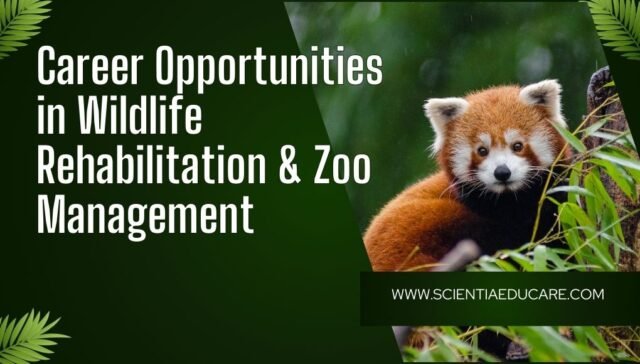
Career Opportunities in Wildlife Rehabilitation & Zoo Management

0
Wildlife Rehabilitation & Zoo Management

Pursuing a career in wildlife rehabilitation and zoo management offers a unique opportunity to contribute to the conservation and well-being of animal species worldwide. This field combines passion for animals with scientific knowledge and management skills to ensure the health and sustainability of wildlife populations.


Entry-level wildlife rehabilitation jobs,
Zoo management degree programs,
Wildlife rehabilitation certification courses,
Non-profit wildlife rescue careers,
Zoo curator job openings


Table of Contents

  1. Understanding Wildlife Rehabilitation
  2. Exploring Zoo Management
  3. Educational Pathways
  4. Career Opportunities
  5. Top Institutions Offering Relevant Programs
  6. Further Reading

Understanding Wildlife Rehabilitation

Wildlife rehabilitation involves the treatment and care of injured, sick, or orphaned wild animals with the goal of releasing them back into their natural habitats. Rehabilitators work to ensure that animals regain their health and are capable of independent survival.

Key Responsibilities:

  • Assessing injuries and illnesses in wildlife.
  • Providing medical care and therapy.
  • Developing rehabilitation plans tailored to individual species.
  • Educating the public on wildlife conservation and safety.

Professionals in this field often collaborate with veterinarians, conservationists, and government agencies to promote wildlife health and conservation.

Exploring Zoo Management

Zoo management encompasses the administration and operation of zoological parks, focusing on animal care, conservation, education, and research. Managers ensure that zoos provide safe, enriching environments for animals and informative experiences for visitors.

Key Responsibilities:

  • Overseeing daily operations and staff management.
  • Ensuring compliance with animal welfare regulations.
  • Developing and implementing conservation programs.
  • Managing budgets and fundraising initiatives.

Effective zoo management requires a balance of business acumen, leadership skills, and a deep understanding of animal behavior and welfare.

Educational Pathways

A solid educational foundation is crucial for a successful career in wildlife rehabilitation and zoo management. Relevant fields of study include:

  • Wildlife Biology: Focuses on the study of wild animals and their ecosystems.
  • Zoology: The scientific study of animal behavior, structure, physiology, and classification.
  • Animal Science: Covers the biology of animals under human control, such as livestock and pets, and can be applied to wildlife.
  • Conservation Biology: Emphasizes the protection and management of biodiversity.

Advanced degrees may be required for higher-level positions, particularly in research or academia. Practical experience through internships, volunteering, or part-time positions is highly valuable. Organizations like the National Wildlife Rehabilitators Association offer resources for gaining experience in this field.

Career Opportunities

The field offers diverse career paths across the globe. Here are some notable opportunities:

1. Wildlife Rehabilitation Specialist

  • Description: Provide medical care and rehabilitation to injured or orphaned wildlife.
  • Potential Employers: Non-profit rehabilitation centers, government wildlife agencies, and zoos.
  • Job Listings: Explore current openings on Indeed.

2. Zoo Curator

3. Conservation Program Manager

  • Description: Develop and manage programs aimed at wildlife conservation and habitat preservation.
  • Potential Employers: Non-governmental organizations (NGOs), government agencies, and international conservation groups.
  • Job Listings: Positions are often listed on Conservation Job Boards.

4. Wildlife Educator

  • Description: Create and deliver educational content to inform the public about wildlife conservation.
  • Potential Employers: Zoos, museums, nature centers, and educational institutions.
  • Job Listings: Explore roles on AZA’s Job Board.

5. Animal Care Manager

  • Description: Supervise animal care staff, develop care protocols, and ensure the well-being of animals in captivity.
  • Potential Employers: Zoos, aquariums, and wildlife sanctuaries.
  • Job Listings: Find opportunities on AZA’s Job Board.

Top Institutions Offering Relevant Programs

Several universities and colleges worldwide offer specialized programs in wildlife rehabilitation, zoo management, and related fields. Here are some notable institutions:

1. University of California, Davis (USA)

2. University of Florida (USA)

3. University of Plymouth (UK)

  • Program: Master of Science in Zoo Conservation Biology.
  • Website: [https://www.ply

Exploring Careers in Veterinary Science and Animal Welfare

0
Veterinary Science and Animal Welfare

Embarking on a career in veterinary science and animal welfare offers a fulfilling opportunity to combine a passion for animals with a commitment to their health and well-being. This field encompasses a diverse range of professions dedicated to the medical care, protection, and advocacy of animals across various settings.


Careers in animal welfare organizations,
Veterinary science job opportunities in India,
Entry-level positions in veterinary clinics,
Animal welfare advocacy career paths,
Veterinary public health career options


Table of Contents

  1. Introduction to Veterinary Science and Animal Welfare
  2. Educational Pathways
  3. Career Opportunities
  4. Global Job Prospects
  5. Leading Educational Institutions
  6. Further Reading

1. Introduction to Veterinary Science and Animal Welfare

Veterinary science focuses on the medical and surgical treatment of animals, encompassing disease prevention, diagnosis, and treatment. Animal welfare, on the other hand, emphasizes the ethical treatment and well-being of animals, ensuring they live free from suffering. Professionals in these fields work collaboratively to promote health, prevent cruelty, and advocate for humane practices.

2. Educational Pathways

Pursuing a career in veterinary science typically requires extensive education and training. The foundational steps include:

  • Bachelor’s Degree: A pre-veterinary or related science degree, such as biology or animal science.

  • Doctor of Veterinary Medicine (DVM): A four-year professional program focusing on animal anatomy, physiology, pathology, and clinical skills.

  • Licensure: Passing national and, in some regions, state examinations to practice veterinary medicine.

For those interested in animal welfare without becoming veterinarians, degrees in animal behavior, welfare science, or related fields are beneficial.

3. Career Opportunities

The veterinary and animal welfare sectors offer a variety of career paths:

  • Clinical Veterinarian: Diagnose and treat animals in private practices or hospitals.

  • Research Veterinarian: Conduct studies to advance animal health and medical knowledge.

  • Animal Welfare Inspector: Ensure compliance with laws and regulations protecting animals.

  • Wildlife Rehabilitator: Care for injured or orphaned wildlife with the goal of releasing them back into the wild.

  • Animal Behaviorist: Study and modify animal behavior to improve their well-being.

  • Shelter Manager: Oversee operations of animal shelters, focusing on care and adoption services.

  • Animal Control Officer: Enforce animal-related laws and respond to incidents involving animals.

  • Veterinary Technician/Technologist: Assist veterinarians in clinical settings, performing various medical tasks.

  • Animal Nutritionist: Develop dietary plans to ensure optimal health for various animal species.

  • Zoologist: Study animal species in their natural habitats, contributing to conservation efforts.

4. Global Job Prospects

The demand for veterinary and animal welfare professionals varies worldwide. In regions like Australia, there’s a notable shortage of veterinarians, especially in rural areas, leading to increased opportunities for qualified individuals.

International organizations, such as the World Organisation for Animal Health (OIE) and various non-governmental organizations (NGOs), offer roles in animal health policy, advocacy, and fieldwork.

5. Leading Educational Institutions

Several universities worldwide are renowned for their veterinary and animal welfare programs:

  • Royal Veterinary College, University of London, UK: Offers comprehensive programs in veterinary medicine and science.

  • University of California, Davis, USA: Known for its top-ranked School of Veterinary Medicine.

  • Cornell University, USA: Features a highly esteemed College of Veterinary Medicine.

  • University of Guelph, Canada: Offers extensive programs in veterinary and animal sciences.

  • Wageningen University & Research, Netherlands: Recognized for its animal sciences programs.

6. Further Reading

For those interested in exploring more about careers in veterinary science and animal welfare, consider the following resources:

Embarking on a career in veterinary science and animal welfare is both challenging and rewarding, offering numerous paths to make a meaningful impact on the lives of animals and society.

Careers in Astrobiology and Space Research: Explore Your Future

0
Astrobiology and Space Research

Astrobiology and Space Research

Astrobiology and space research represent the frontier of human curiosity, merging disciplines to explore the origins, evolution, and potential existence of life beyond Earth. Pursuing a career in these fields offers the opportunity to contribute to groundbreaking discoveries that expand our understanding of the universe.


Astrobiology and Space Research,
Careers in astrobiology and space research,
Astrobiology job opportunities in India,
How to become an astrobiologist,
Top universities for space research degrees,
Interdisciplinary studies in astrobiology careers


Table of Contents

  1. Understanding Astrobiology and Space Research
  2. Educational Pathways
  3. Key Skills and Competencies
  4. Career Opportunities
  5. Top Universities Offering Astrobiology and Space Research Programs
  6. Further Reading

Understanding Astrobiology and Space Research

Astrobiology is an interdisciplinary field that studies the origin, evolution, distribution, and future of life in the universe. It combines aspects of biology, chemistry, geology, and astronomy to explore fundamental questions about life beyond Earth. Space research encompasses a broad range of scientific studies conducted in outer space, including planetary science, astrophysics, and space exploration technologies.

Educational Pathways

Embarking on a career in astrobiology and space research typically requires a strong educational foundation in the sciences. Aspiring professionals often pursue degrees in disciplines such as biology, chemistry, physics, astronomy, or geology. Advanced positions may necessitate specialized graduate degrees or doctoral research in a related field.

Several universities offer dedicated programs in astrobiology and space sciences. For instance, Arizona State University provides a Bachelor of Science in Earth and Space Exploration with a concentration in Astrobiology and Biogeosciences.

Similarly, Florida Institute of Technology offers a Bachelor of Science in Astrobiology.

Key Skills and Competencies

Success in astrobiology and space research demands a diverse skill set:

  • Analytical Thinking: Ability to interpret complex data and develop hypotheses.
  • Technical Proficiency: Familiarity with laboratory equipment, computer modeling, and simulation tools.
  • Interdisciplinary Collaboration: Willingness to work across various scientific domains.
  • Communication Skills: Effectiveness in conveying research findings to both scientific and general audiences.
  • Problem-Solving: Creativity in addressing research challenges and experimental design.

Career Opportunities

Astrobiology and space research offer a wide array of career paths across different sectors:

Academic and Research Institutions

  • Research Scientist: Conduct studies on extremophiles, planetary atmospheres, or cosmic phenomena.
  • University Professor: Teach courses in astrobiology, astronomy, or related fields while mentoring students.

Government Agencies

  • NASA Astrobiologist: Participate in missions exploring planetary bodies and analyze extraterrestrial samples.
  • Space Policy Analyst: Develop policies guiding space exploration and international collaboration.

Private Sector

  • Aerospace Engineer: Design and test spacecraft, instruments, and life-support systems.
  • Biotechnology Specialist: Apply knowledge of extremophiles to develop novel biotechnologies.

Science Communication and Outreach

  • Science Journalist: Write articles or produce content explaining complex scientific concepts to the public.
  • Educational Program Developer: Create curricula and materials to educate students about space sciences.

Job prospects in these fields are diverse and can be found worldwide. For instance, positions such as Microbiologist, Faculty, and other roles related to astrobiology are available.

Top Universities Offering Astrobiology and Space Research Programs

Here is a list of renowned institutions that provide specialized courses in astrobiology and space research:

  • University of Arizona: Offers programs in astrobiology and planetary sciences.
  • California Institute of Technology (Caltech): Known for its research in planetary science and collaborations with NASA’s Jet Propulsion Laboratory.
  • University of California, Berkeley: Provides courses in astronomy and integrative biology with opportunities for astrobiology research.
  • Massachusetts Institute of Technology (MIT): Features programs in planetary science and astrobiology.
  • University of Edinburgh: Offers an MSc in Astrobiology and Planetary Sciences.

For a comprehensive list of universities offering astrobiology programs, you can refer to the rankings provided by EduRank.

Further Reading

To delve deeper into astrobiology and space research, consider exploring the following resources:

  • NASA Astrobiology Institute: Provides extensive information on current research, missions, and educational resources.
  • European Space Agency (ESA): Offers insights into space missions and research initiatives within Europe.
  • “Astrobiology: A Very Short Introduction” by David C. Catling: A concise book that covers the fundamental aspects of astrobiology.
  • Coursera’s Astrobiology Courses: Online courses such as “Astrobiology: Exploring Other Worlds” by the University of Arizona.

Pursuing a career in astrobiology and space research is both challenging and rewarding, offering the chance to contribute to humanity’s understanding of life and the cosmos. With the right educational background, skill set, and passion, you can embark on a journey that pushes the boundaries of science and exploration.

Exploring Exciting Careers in Food Technology and Culinary Arts

0
Food Technology and Culinary Arts

The fields of Food Technology and Culinary Arts offer a plethora of career opportunities for individuals passionate about food, science, and innovation. These disciplines not only cater to the culinary enthusiast but also to those interested in the scientific and technological aspects of food production and safety. This comprehensive guide delves into the various career paths, job prospects, and educational institutions that can help you embark on a successful journey in these dynamic fields.


Food technology career opportunities,
Culinary arts job descriptions,
Food science and technology careers,
Culinary arts career paths,
Food industry quality assurance roles

Understanding Food Technology and Culinary Arts

Food Technology involves the application of food science to the selection, preservation, processing, packaging, distribution, and use of safe food. Professionals in this field work on developing new food products, designing processes to produce these foods, and ensuring their safety and quality.

Culinary Arts, on the other hand, focuses on the art of preparing, cooking, and presenting food. It encompasses a range of activities from cooking techniques to menu planning and kitchen management. Culinary artists often work in restaurants, hotels, and other food service establishments, bringing creativity and innovation to the table.

Career Paths in Food Technology

The field of food technology offers diverse career opportunities, including:

1. Food Technologist

Role: Food technologists are responsible for developing new food products and improving existing ones. They ensure that products are safe, palatable, and meet specific standards.

Key Responsibilities:

  • Developing and testing new product formulations.
  • Ensuring compliance with food safety regulations.
  • Collaborating with cross-functional teams to bring products to market.

Qualifications: A bachelor’s degree in food science, food technology, chemistry, or a related field is typically required. Advanced positions may require a master’s degree or PhD.

2. Quality Assurance Manager

Role: Quality assurance managers oversee the safety and quality of food products. They implement and monitor procedures to ensure compliance with industry standards and regulations.

Key Responsibilities:

  • Conducting regular audits and inspections.
  • Developing quality control protocols.
  • Training staff on quality assurance procedures.

Qualifications: A bachelor’s degree in food science or a related field, along with experience in quality control or assurance, is essential.

3. Food Safety Specialist

Role: Food safety specialists focus on preventing foodborne illnesses by ensuring that food products are processed and handled safely.

Key Responsibilities:

  • Conducting hazard analyses and risk assessments.
  • Developing and implementing food safety plans.
  • Staying updated on food safety regulations and best practices.

Qualifications: A degree in food science, microbiology, or a related field, along with specialized training in food safety, is typically required.

4. Research Scientist

Role: Research scientists in the food industry conduct experiments to improve food quality, safety, and sustainability.

Key Responsibilities:

  • Investigating new sources of food and ingredients.
  • Studying the effects of processing on food products.
  • Publishing findings in scientific journals.

Qualifications: A master’s degree or PhD in food science, chemistry, or a related field is often required.

Career Paths in Culinary Arts

The culinary arts field offers a range of career opportunities for those passionate about cooking and food presentation:

1. Executive Chef

Role: Executive chefs are the head chefs in restaurants or hotels, responsible for overseeing kitchen operations and menu planning.

Key Responsibilities:

  • Designing and updating menus.
  • Managing kitchen staff and operations.
  • Ensuring food quality and presentation standards.

Qualifications: Formal culinary training and extensive experience in the kitchen are essential.

2. Pastry Chef

Role: Pastry chefs specialize in creating baked goods, desserts, and confections.

Key Responsibilities:

  • Developing dessert menus.
  • Baking and decorating pastries and cakes.
  • Managing inventory and sourcing ingredients.

Qualifications: Specialized training in pastry arts and experience in a bakery or pastry kitchen are typically required.

3. Food Stylist

Role: Food stylists prepare food for photography, ensuring it looks appealing in advertisements, cookbooks, and other media.

Key Responsibilities:

  • Collaborating with photographers and art directors.
  • Selecting and arranging food items for shoots.
  • Using techniques to enhance the visual appeal of food.

Qualifications: A background in culinary arts, along with a keen eye for detail and aesthetics, is beneficial.

4. Culinary Instructor

Role: Culinary instructors teach aspiring chefs the fundamentals of cooking and kitchen management.

Key Responsibilities:

  • Developing curriculum and lesson plans.
  • Demonstrating cooking techniques.
  • Assessing student performance.

Qualifications: Extensive experience in the culinary field and a passion for teaching are essential.

Global Job Prospects

The food technology and culinary arts industries are thriving worldwide, with numerous career opportunities in various sectors. Here’s a closer look at the job prospects across different regions:

1. North America

  • United States: The U.S. is a global leader in food technology and culinary arts, with opportunities in food processing companies, research institutions, and high-end restaurants. Popular roles include Food Scientist, Research and Development Specialist, and Executive Chef.

  • Canada: Known for its multicultural culinary scene, Canada offers opportunities in food safety, quality assurance, and innovative food product development.

2. Europe

  • United Kingdom: The UK has a robust food and beverage industry, with roles in food safety, product development, and culinary arts. High demand for chefs and food technologists continues to grow.

  • Germany: As a hub for food processing and biotechnology, Germany offers careers in food engineering, safety, and innovation.

3. Asia

  • India: The food processing industry is one of the largest in India, with job roles in food technology, safety, and culinary arts.

  • Japan: Known for its food safety standards and innovation, Japan provides opportunities in food science, research, and culinary arts.

4. Australia

Australia’s dynamic food industry offers positions in product development, quality assurance, and culinary arts, especially in hospitality and tourism.

Top Universities and Institutions Offering Courses

To pursue a successful career in Food Technology and Culinary Arts, obtaining the right education is crucial. Here are some of the top universities and institutions worldwide:

1. North America

  • Cornell University, USA
    Specialization: Food Science and Technology
    Website

  • Culinary Institute of America, USA
    Specialization: Culinary Arts and Baking & Pastry Arts
    Website

  • University of British Columbia, Canada
    Specialization: Food and Nutritional Sciences
    Website

2. Europe

  • University of Leeds, UK
    Specialization: Food Science and Nutrition
    Website

  • Le Cordon Bleu, France
    Specialization: Culinary Arts and Hospitality Management
    Website

3. Asia

  • National University of Singapore (NUS), Singapore
    Specialization: Food Science and Technology
    Website

  • Manipal Academy of Higher Education, India
    Specialization: Food Technology and Culinary Arts
    Website

4. Australia

  • University of Melbourne, Australia
    Specialization: Food Science and Technology
    Website

  • Le Cordon Bleu Australia
    Specialization: Culinary Arts and Hospitality Management
    Website

Skills Required for Success

To excel in these fields, the following skills are essential:

  • Creativity and Innovation: Especially important in culinary arts for developing new recipes and food presentations.
  • Scientific Knowledge: Crucial for food technologists to understand food chemistry, microbiology, and safety.
  • Attention to Detail: Ensures high standards in food quality and safety.
  • Teamwork and Communication: Effective collaboration with kitchen staff, researchers, and product developers.
  • Management Skills: For leadership roles like Executive Chef or Quality Assurance Manager.

Salary Expectations

Salaries vary by region and experience level but generally offer lucrative pay:

  • Food Technologist:
    • USA: $50,000 – $90,000 per year
    • UK: £25,000 – £50,000 per year
  • Executive Chef:
    • USA: $60,000 – $120,000 per year
    • Australia: AUD 70,000 – AUD 120,000 per year
  • Quality Assurance Manager:
    • Canada: CAD 60,000 – CAD 100,000 per year
    • Germany: €50,000 – €90,000 per year

Challenges and Future Trends

Challenges

  • Food Safety Regulations: Strict standards require continuous learning and compliance.
  • Sustainability: Increasing demand for sustainable food production practices.
  • Technological Advancements: Staying updated with innovations like 3D food printing and lab-grown meats.

Future Trends

  • Plant-Based and Alternative Proteins: Growing interest in vegan and sustainable food options.
  • Food Safety and Traceability: Enhanced with blockchain technology.
  • Culinary Tourism: Increasing demand for culinary experiences worldwide.

Further Reading and Resources

  • Institute of Food Technologists (IFT)Website
  • World Association of Chefs’ Societies (WACS)Website
  • Food Safety MagazineWebsite
  • The Culinary Institute of America BlogWebsite

Conclusion

A career in Food Technology and Culinary Arts is both rewarding and dynamic, offering a blend of science, creativity, and innovation. With the right education, skills, and passion, you can explore diverse roles globally, from research and development to executive chef positions. As the food industry continues to evolve with trends like sustainability and technological advancements, the opportunities are endless.

Whether you’re interested in creating delicious dishes or ensuring food safety and quality, the world of food technology and culinary arts awaits your unique talents and aspirations.


Mastering Global Talent Acquisition: Becoming a Specialist

1
Mastering Global Talent Acquisition

Embarking on a career as a Global Talent Acquisition Specialist offers the opportunity to connect organizations with top-tier talent across the globe. This role is pivotal in shaping a company’s workforce by identifying, attracting, and retaining individuals who drive organizational success. This comprehensive guide outlines the steps to pursue this dynamic career, including educational pathways, essential skills, job prospects, and further resources.


Steps to become a global talent acquisition specialist,
Skills needed for international talent acquisition,
Global talent acquisition certification programs,
Best practices in global talent acquisition,
Challenges in international talent recruitment

Understanding the Role of a Global Talent Acquisition Specialist

A Global Talent Acquisition Specialist is responsible for sourcing and recruiting candidates from international talent pools to meet an organization’s strategic objectives. This involves understanding global labor markets, cultural nuances, and legal considerations to effectively attract and retain diverse talent.

Key Responsibilities

  • Strategic Planning: Developing and implementing recruitment strategies aligned with organizational goals.
  • Sourcing Candidates: Utilizing various channels to identify potential candidates worldwide.
  • Screening and Interviewing: Assessing candidates’ qualifications and cultural fit through interviews and assessments.
  • Employer Branding: Promoting the organization’s brand to attract top talent.
  • Compliance: Ensuring adherence to international labor laws and regulations during the hiring process.

Educational Pathways

A solid educational foundation is crucial for a career in global talent acquisition. While specific requirements may vary, the following educational steps are commonly pursued:

Bachelor’s Degree

A bachelor’s degree is often the minimum requirement for talent acquisition specialists. Relevant fields of study include:

  • Human Resources Management: Focuses on recruitment, employee relations, and organizational development.
  • Business Administration: Provides a broad understanding of business operations and management principles.
  • Psychology: Offers insights into human behavior, beneficial for assessing candidate fit.

According to job data, a bachelor’s degree is required for 48% of talent acquisition specialist positions.

Advanced Degrees and Certifications

Pursuing advanced education and certifications can enhance your credentials:

  • Master’s Degree: Degrees in Human Resources or Business Administration can provide advanced knowledge and leadership skills.
  • Professional Certifications: Certifications such as the Professional in Human Resources (PHR) or Talent Acquisition Specialty Credential (TASC) demonstrate expertise and commitment to the field.

Cornell University offers a Recruiting and Talent Acquisition Certificate Program that covers key strategies to plan for and acquire quality talent.

Essential Skills and Competencies

Success in global talent acquisition requires a combination of technical knowledge and soft skills:

Communication Skills

  • Interpersonal Communication: Ability to engage effectively with candidates and stakeholders from diverse cultural backgrounds, ensuring clear and respectful communication.
  • Negotiation Skills: Proficiency in negotiating job offers and salary packages, balancing company budgets with candidate expectations.
  • Cross-Cultural Communication: Understanding and navigating cultural differences in communication styles, interview etiquette, and workplace expectations.

Analytical and Strategic Thinking

  • Data Analysis: Using recruitment metrics and analytics to optimize talent acquisition strategies.
  • Strategic Planning: Developing long-term hiring plans aligned with organizational goals and global workforce trends.
  • Problem-Solving: Identifying recruitment challenges and implementing creative solutions.

Technical Proficiency

  • Applicant Tracking Systems (ATS): Proficiency in using ATS platforms like Workday, Taleo, or Greenhouse for efficient recruitment management.
  • Social Media Recruiting: Utilizing LinkedIn, Facebook, and other social media platforms for sourcing and engaging with talent globally.
  • HR Software and Tools: Familiarity with HR software such as BambooHR, SAP SuccessFactors, and other digital recruitment tools.

Cultural Intelligence and Adaptability

  • Cultural Sensitivity: Understanding and respecting cultural norms and practices in different countries.
  • Adaptability: Adjusting recruitment strategies according to varying international labor markets and business needs.

Job Prospects and Career Opportunities

The demand for Global Talent Acquisition Specialists is growing as organizations expand their global presence. Career opportunities are abundant in various industries, including technology, finance, healthcare, and consulting. Here are some prominent job roles:

  • Global Talent Acquisition Specialist
  • International Recruitment Consultant
  • Global HR Business Partner
  • Talent Acquisition Manager
  • Head of Global Talent Acquisition

Top Companies Hiring Globally

  1. GoogleCareers at Google
  2. AmazonAmazon Jobs
  3. MicrosoftMicrosoft Careers
  4. DeloitteDeloitte Careers
  5. AccentureAccenture Careers

Popular Job Portals for Global Talent Acquisition Roles

Top Universities and Institutions Offering Relevant Courses

To excel in this career, pursuing education from prestigious institutions can provide a competitive edge. Here are some top universities and programs:

United States

United Kingdom

Australia

Online Learning Platforms

  • Coursera – Offers various HR and Talent Acquisition courses from top universities. Coursera
  • LinkedIn Learning – Short courses on recruitment strategies and talent management. LinkedIn Learning

Career Growth and Salary Outlook

A career in Global Talent Acquisition offers lucrative salaries and growth opportunities. According to Glassdoor, the average salary for a Global Talent Acquisition Specialist is approximately:

  • United States: $85,000 – $120,000 per year
  • United Kingdom: £45,000 – £75,000 per year
  • Australia: AUD 80,000 – AUD 130,000 per year

Higher positions, such as Talent Acquisition Manager or Director, can earn significantly more depending on experience and industry.

Networking and Professional Development

Join Professional Associations

  • Society for Human Resource Management (SHRM)SHRM
  • International Association of Talent Acquisition Professionals (IATAP)IATAP

Attend Conferences and Webinars

Networking Platforms

  • LinkedIn – Build a professional network and engage with global recruiters.
  • XING – Popular in Europe for connecting with HR professionals.

Challenges and How to Overcome Them

Navigating Cultural Differences

  • Develop cultural intelligence through continuous learning and interaction with international teams.
  • Utilize tools like Hofstede’s Cultural Dimensions for understanding cultural values.

Compliance with Global Labor Laws

  • Stay updated with international employment laws and visa regulations.
  • Collaborate with legal and compliance teams to ensure adherence to country-specific labor policies.

Talent Competition and Employer Branding

  • Build a strong employer brand by showcasing company culture, diversity, and growth opportunities.
  • Implement data-driven recruitment strategies to attract top talent.

Further Reading and Resources

  1. Recruitment and Talent Acquisition Trends – Forbes
  2. Global HR Insights – HR Executive
  3. Talent Acquisition Strategies – SHRM
  4. Harvard Business Review on Talent Management – HBR

Conclusion

Becoming a Global Talent Acquisition Specialist is an exciting career path with opportunities to influence global workforce dynamics. With the right education, skills, and strategic approach, you can build a rewarding career connecting talent with opportunities worldwide.

By leveraging international networks, staying updated with industry trends, and continuously developing cross-cultural competencies, you can thrive in this dynamic and impactful role.

Whether you’re starting your career or looking to transition into global recruitment, the resources and strategies outlined in this guide will help you achieve your career aspirations.


Careers in Human Resources and Recruitment

1
Human Resources and Recruitment

Human Resources (HR) and Recruitment are pivotal functions within organizations, focusing on the management and development of an organization’s most valuable asset—its people. A career in HR and Recruitment offers diverse opportunities, from talent acquisition to employee development and strategic planning. This article delves into various career paths within HR and Recruitment, explores global job prospects, highlights top educational institutions offering relevant courses, and provides resources for further reading.


Entry-level human resources positions,
Remote recruitment job opportunities,
Human resources certification programs,
Diversity and inclusion specialist roles,
Senior talent acquisition manager jobs


Table of Contents

  1. Introduction to Human Resources and Recruitment
  2. Career Paths in Human Resources and Recruitment
  3. Global Job Prospects in Human Resources and Recruitment
  4. Top Universities Offering Human Resources Courses
  5. Further Reading

Introduction to Human Resources and Recruitment

Human Resources is a comprehensive field that encompasses various functions aimed at optimizing employee performance and ensuring organizational success. Key responsibilities include recruitment, training and development, performance management, employee relations, compensation and benefits, and compliance with labor laws. Recruitment, a critical subset of HR, focuses specifically on attracting, selecting, and onboarding qualified candidates to meet organizational needs.

Career Paths in Human Resources and Recruitment (Continued)

HR Manager

HR Managers are responsible for planning, coordinating, and overseeing the administrative functions of an organization. They play a strategic role in aligning HR practices with business goals. Their key responsibilities include:

  • Talent Acquisition and Retention: Designing recruitment strategies to attract and retain top talent.
  • Employee Relations: Handling employee grievances, conflict resolution, and maintaining a positive work environment.
  • Performance Management: Implementing performance evaluation systems and ensuring employees meet productivity standards.
  • Policy Development: Formulating HR policies and ensuring compliance with labor laws and regulations.
  • Strategic Planning: Collaborating with senior management to create workforce strategies aligned with organizational objectives.

Skills Required:

  • Strong leadership and communication skills.
  • Strategic thinking and decision-making abilities.
  • In-depth knowledge of labor laws and HR best practices.

Average Salary:

  • In the USA: $75,000 – $130,000 per year.
  • In the UK: £40,000 – £80,000 per year.
  • In India: ₹8 Lakh – ₹25 Lakh per year.

Payroll Specialist

Payroll Specialists are responsible for processing employee salaries, bonuses, and deductions. They ensure accurate and timely payroll disbursement while maintaining compliance with tax regulations.

Key Responsibilities:

  • Managing payroll processes, including salary calculations, tax deductions, and benefits administration.
  • Ensuring compliance with legal and organizational policies related to compensation.
  • Resolving payroll discrepancies and responding to employee queries.

Skills Required:

  • Proficiency in payroll software and financial systems.
  • Attention to detail and accuracy.
  • Knowledge of tax laws and compliance requirements.

Average Salary:

  • In the USA: $45,000 – $75,000 per year.
  • In the UK: £25,000 – £50,000 per year.
  • In India: ₹3 Lakh – ₹10 Lakh per year.

Benefits Administrator

Benefits Administrators manage employee benefits programs, including health insurance, retirement plans, and other perks. They ensure that benefit programs are competitive, compliant, and cost-effective.

Key Responsibilities:

  • Administering employee benefits programs, including enrollments and renewals.
  • Communicating benefit options to employees and addressing their queries.
  • Collaborating with insurance providers and vendors.

Skills Required:

  • Excellent communication and negotiation skills.
  • Analytical skills to assess cost-benefit analysis.
  • Knowledge of employee benefits laws and regulations.

Average Salary:

  • In the USA: $50,000 – $85,000 per year.
  • In the UK: £30,000 – £55,000 per year.
  • In India: ₹4 Lakh – ₹12 Lakh per year.

Talent Acquisition Specialist

Talent Acquisition Specialists focus on sourcing, attracting, and hiring top talent to meet organizational needs. They work closely with hiring managers to understand job requirements and ensure the best candidate fit.

Key Responsibilities:

  • Developing recruitment strategies and utilizing various sourcing channels.
  • Conducting interviews, assessments, and background checks.
  • Building and maintaining a talent pipeline for future hiring needs.

Skills Required:

  • Strong communication and interpersonal skills.
  • Expertise in recruitment tools and platforms, including LinkedIn and job boards.
  • Ability to assess candidate competencies and cultural fit.

Average Salary:

  • In the USA: $55,000 – $100,000 per year.
  • In the UK: £35,000 – £70,000 per year.
  • In India: ₹5 Lakh – ₹15 Lakh per year.

Training Coordinator

Training Coordinators are responsible for identifying training needs, developing training programs, and ensuring employee development and skill enhancement.

Key Responsibilities:

  • Designing and implementing training programs to improve employee performance.
  • Evaluating training effectiveness and updating modules as needed.
  • Coordinating with external trainers and managing training budgets.

Skills Required:

  • Strong organizational and planning skills.
  • Excellent presentation and communication abilities.
  • Knowledge of learning management systems and instructional design.

Average Salary:

  • In the USA: $45,000 – $80,000 per year.
  • In the UK: £30,000 – £60,000 per year.
  • In India: ₹4 Lakh – ₹12 Lakh per year.

Global Job Prospects in Human Resources and Recruitment

Human Resources and Recruitment professionals are in high demand across various industries, including technology, healthcare, finance, manufacturing, and retail. Here are some platforms to explore global job opportunities:

  • LinkedIn Jobs: A leading platform for HR and recruitment roles worldwide.
  • Indeed: Offers comprehensive job listings across different industries and countries.
  • Glassdoor: Provides insights into company culture, salaries, and job openings.
  • Monster: A global job portal with opportunities in HR management and recruitment.
  • Naukri: Popular in India for HR and recruitment job openings.

Top Universities Offering Human Resources Courses

Pursuing a career in HR and Recruitment requires a solid educational background in Human Resource Management, Organizational Behavior, or Business Administration. Here are some of the top universities worldwide offering relevant programs:

  • Harvard University (USA)Website
  • University of Pennsylvania – Wharton (USA)Website
  • London School of Economics (UK)Website
  • INSEAD (France/Singapore)Website
  • University of Melbourne (Australia)Website
  • Indian Institute of Management (India)Website

Further Reading

To stay updated and enhance knowledge in Human Resources and Recruitment, consider exploring the following resources:


Conclusion

Careers in Human Resources and Recruitment offer diverse opportunities with the potential for growth and specialization. Whether you are interested in strategic management, recruitment, employee development, or payroll administration, the HR field is dynamic and rewarding. By pursuing the right education and gaining relevant experience, aspiring HR professionals can build a successful and fulfilling career.

With a growing emphasis on talent management and organizational culture, HR and Recruitment roles are becoming increasingly crucial across all industries worldwide. Start your journey today by exploring educational opportunities, staying updated with industry trends, and leveraging global job portals to find your ideal role.

The Future of 3D Printed Clothing and Fashion Technology

0
3D Printed Clothing and Fashion Technology

Explore the Future of Fashion – Where Creativity Meets Technology!

The fashion industry is undergoing a transformative shift with the integration of 3D printing technology. This innovation is not only redefining design and production processes but also opening new avenues for careers in fashion technology. In this article, we will explore the future of 3D-printed clothing, its impact on the industry, emerging job prospects, educational pathways, and resources for further reading.


Benefits of 3D printed clothing,
Sustainable 3D printed fashion,
Innovations in fashion technology,
Customized 3D printed apparel,
Future trends in 3D printed fashion

The Evolution of 3D Printing in Fashion

3D printing, also known as additive manufacturing, involves creating three-dimensional objects by layering materials based on digital designs. In fashion, this technology enables designers to craft intricate patterns and structures that were previously unattainable through traditional methods.

Early Innovations

Pioneers like Danit Peleg have showcased the potential of 3D-printed fashion. In 2015, Peleg introduced a collection entirely produced using desktop 3D printers, highlighting the feasibility of creating wearable garments outside conventional manufacturing processes.

Mainstream Adoption

Today, major fashion houses and emerging designers are experimenting with 3D printing to produce customized apparel, accessories, and footwear. This approach allows for rapid prototyping, reduced waste, and the ability to offer personalized products to consumers.

Advantages of 3D-Printed Clothing

The integration of 3D printing in fashion offers several notable benefits:

  • Sustainability: Traditional garment production often results in significant material waste. 3D printing minimizes waste by using only the necessary amount of material, contributing to more sustainable manufacturing practices.

  • Customization: Designers can create bespoke pieces tailored to individual measurements and preferences, enhancing the consumer experience.

  • Design Innovation: Complex geometries and structures that are challenging to achieve with traditional methods become possible, pushing the boundaries of fashion design.

  • On-Demand Production: Garments can be produced as needed, reducing overproduction and associated environmental impacts.

Challenges Facing 3D-Printed Fashion

Despite its advantages, the adoption of 3D printing in fashion faces several challenges:

  • Material Limitations: Finding materials that are both suitable for 3D printing and comfortable for wear remains a hurdle.

  • Production Speed: 3D printing can be time-consuming, making mass production a challenge.

  • Cost: The technology and materials can be expensive, potentially limiting accessibility for some designers and consumers.

Emerging Job Prospects in 3D-Printed Fashion

The fusion of fashion and technology has led to the emergence of new career opportunities worldwide:

1. 3D Fashion Designer

Designers specializing in creating garments using 3D modeling software and printing techniques.

  • Skills Required: Proficiency in 3D design software (e.g., CLO 3D, Blender), understanding of garment construction, and knowledge of 3D printing technologies.

  • Job Opportunities: Fashion houses, design studios, and tech companies are seeking professionals with these skills.

2. Additive Manufacturing Specialist

Professionals focusing on the technical aspects of 3D printing, including machine operation and material selection.

  • Skills Required: Expertise in 3D printing technologies, material science, and process optimization.

  • Job Opportunities: Manufacturing firms, research institutions, and fashion companies integrating 3D printing into their production lines.

3. Sustainable Fashion Consultant

Advisors who guide brands in implementing sustainable practices through technologies like 3D printing.

  • Skills Required: Knowledge of sustainable materials, environmental impact assessment, and familiarity with 3D printing applications in fashion.

  • Job Opportunities: Consulting firms, fashion brands, and non-profit organizations focused on sustainability.

4. Fashion Technologist

Experts who bridge the gap between fashion design and technology, ensuring seamless integration of new tools and processes.

  • Skills Required: Understanding of both fashion design principles and technological applications, including 3D printing.

  • Job Opportunities: Fashion brands, tech startups, and educational institutions.

Educational Pathways

To pursue a career in 3D-printed fashion, specialized education and training are essential. Several institutions worldwide offer programs that blend fashion design with technology:

1. Fashion Institute of Technology (FIT), USA

  • Program: CLO 3D Garment Visualization Certificate

  • Description: Focuses on preparing students for the growing demand for 3D apparel designers, including creating a capsule collection for portfolios.

  • Website: FIT CLO 3D Program

2. University of Nottingham, UK

3. IFA Paris, France

  • Program: Future Fashion Tech Short Course
  • Description: This one-week program delves into cutting-edge innovations such as 3D printing, artificial intelligence, and wearable technology, exploring their impact on the fashion industry. Students gain insights into futuristic design techniques and learn how to integrate technology into fashion concepts.
  • Website: IFA Paris Future Fashion Tech

4. Royal College of Art, UK

  • Program: MA Fashion – Digital Fashion Pathway
  • Description: This program focuses on the intersection of fashion and technology, emphasizing digital design and 3D modeling. It encourages students to explore sustainable and innovative design solutions, including 3D-printed clothing.
  • Website: Royal College of Art MA Fashion

5. Parsons School of Design, USA

  • Program: BFA in Fashion Design with a focus on Digital Fashion
  • Description: Parsons integrates technology into its fashion design curriculum, teaching students to use advanced 3D modeling software and explore the potential of 3D-printed textiles and accessories.
  • Website: Parsons Fashion Design

6. Politecnico di Milano, Italy

  • Program: Master in Fashion Tech
  • Description: This master’s program combines fashion design with engineering and technology, focusing on smart textiles, wearable technology, and 3D printing. It prepares students for the evolving demands of the fashion industry.
  • Website: Politecnico di Milano Fashion Tech

Future Trends in 3D Printed Fashion

1. Customization and Personalization

The future of 3D-printed clothing lies in personalized fashion. Consumers will be able to design garments to their exact specifications, from size and fit to color and texture. This customization is made possible by digital design platforms and 3D body scanning technologies.

2. Smart and Functional Textiles

With advancements in material science, 3D-printed clothing will incorporate smart functionalities, such as temperature regulation, UV protection, and even health monitoring. This innovation opens new avenues for sportswear, medical wearables, and adaptive clothing.

3. Sustainable and Circular Fashion

3D printing has the potential to revolutionize sustainable fashion by minimizing waste and enabling the recycling of materials. Brands are increasingly exploring biodegradable and recyclable filaments, contributing to a circular fashion economy.

4. Virtual Fashion and Digital Wardrobes

As digital fashion gains traction, 3D printing will play a crucial role in bringing virtual designs to life. Consumers will be able to purchase digital garments for avatars and then 3D print them on-demand for physical use, bridging the gap between virtual and real-world fashion.

Job Prospects and Opportunities

The rise of 3D-printed fashion has created a demand for professionals who can bridge the gap between fashion design and technology. Here are some of the emerging job roles:

1. 3D Fashion Designer

  • Role: Designing clothing and accessories using 3D modeling software.
  • Skills Needed: Proficiency in 3D design software such as CLO 3D, Blender, and Rhino; understanding of garment construction and textiles.
  • Where to Find Jobs: Indeed, LinkedIn Jobs, Glassdoor

2. Fashion Technologist

  • Role: Integrating technology into fashion design and production.
  • Skills Needed: Knowledge of digital textiles, 3D printing, and wearable technology.
  • Where to Find Jobs: Tech in Fashion, Fashion Jobs

3. Materials Scientist – Fashion

  • Role: Developing innovative materials suitable for 3D printing in fashion.
  • Skills Needed: Material science, polymer chemistry, and sustainable material development.
  • Where to Find Jobs: Science Careers, Materials Today

4. Virtual Fashion Designer

  • Role: Creating digital clothing for virtual environments and metaverses.
  • Skills Needed: Digital illustration, 3D modeling, and virtual reality integration.
  • Where to Find Jobs: The Fabricant, DressX

Top Companies Hiring in 3D Printed Fashion

  • Iris van Herpen – Known for avant-garde 3D-printed couture.
  • Danit Peleg – Pioneer in consumer-focused 3D-printed fashion.
  • Adidas and Nike – Leading in 3D-printed footwear and sportswear.
  • The Fabricant – Digital fashion house creating virtual garments.
  • Stratasys and Materialise – 3D printing technology providers collaborating with fashion brands.

Further Reading and Resources

For those interested in exploring more about 3D-printed fashion, here are some insightful resources:

Conclusion

The future of 3D-printed clothing and fashion technology is bright and full of possibilities. As the industry continues to evolve, it will redefine the way we design, produce, and wear clothing. From sustainability to customization and digital fashion, 3D printing is at the forefront of this transformation.

For those passionate about fashion and technology, now is the perfect time to explore this dynamic field. With the right education, skills, and creativity, the opportunities are limitless. Whether as a designer, technologist, or materials scientist, the world of 3D-printed fashion is yours to shape.


Careers in Textile Engineering and Material Science

0
Textile Engineering and Material Science

Textile Engineering and Material Science are dynamic fields that intertwine principles of engineering, chemistry, physics, and design to innovate and improve materials used in everyday products. From the clothes we wear to advanced composites in aerospace, professionals in these disciplines play a crucial role in developing materials that meet specific functional and aesthetic requirements.


Careers in sustainable textile engineering,
Entry-level material science engineering jobs,
Research opportunities in fiber science,
Advanced textile technology career paths,
Polymer science positions in industry


Table of Contents

  1. Introduction to Textile Engineering and Material Science
  2. Educational Pathways
  3. Core Competencies and Skills
  4. Career Opportunities
  5. Top Universities Offering Relevant Programs
  6. Job Prospects Worldwide
  7. Further Reading

1. Introduction to Textile Engineering and Material Science

Textile Engineering focuses on the design and control of fiber, textile, and apparel processes, products, and machinery. It encompasses the study of natural and synthetic fibers, fabric production, dyeing, and finishing techniques.

Material Science, on the other hand, delves into the properties, performance, and applications of materials such as metals, polymers, ceramics, and composites. It aims to understand the relationship between the structure of materials at atomic or molecular scales and their macroscopic properties.

The convergence of these fields leads to innovations like smart textiles, high-performance fabrics, and sustainable materials, impacting industries such as fashion, healthcare, automotive, and aerospace.

2. Educational Pathways

Pursuing a career in Textile Engineering and Material Science typically requires a strong foundation in science and mathematics during secondary education. Prospective students should focus on subjects like physics, chemistry, and advanced mathematics.

Undergraduate Programs:

  • Bachelor’s Degree in Textile Engineering: This program covers topics such as fiber science, textile manufacturing processes, and quality control.

  • Bachelor’s Degree in Materials Science and Engineering: Students learn about the structure and properties of different materials, material characterization techniques, and applications in various industries.

Postgraduate Programs:

  • Master’s and Ph.D. Programs: Advanced degrees allow for specialization in areas like nanotechnology, polymer science, or sustainable materials. These programs often involve research projects, internships, and collaboration with industry partners.

3. Core Competencies and Skills

Professionals in these fields should develop the following skills:

  • Analytical Skills: Ability to assess material properties and performance.

  • Problem-Solving: Designing solutions to material-related challenges.

  • Technical Proficiency: Familiarity with laboratory equipment and manufacturing machinery.

  • Innovation: Developing new materials or improving existing ones.

  • Communication: Effectively conveying complex information to diverse audiences.

4. Career Opportunities

Graduates can explore a variety of roles across multiple industries:

  • Research and Development (R&D): Innovating new materials and textile products.

  • Quality Control: Ensuring products meet industry standards.

  • Process Engineering: Optimizing manufacturing processes for efficiency and sustainability.

  • Technical Sales and Marketing: Liaising between product development teams and clients.

  • Sustainability Consulting: Advising on eco-friendly materials and practices.

5. Top Universities Offering Relevant Programs

Here are some renowned institutions offering programs in Textile Engineering and Material Science:

  • Massachusetts Institute of Technology (MIT), USA: Offers courses in fiber and textile engineering as part of its materials science curriculum.

  • North Carolina State University, USA: Home to the Wilson College of Textiles, recognized globally for its textile education and research.

  • Donghua University, China: Known for its strong emphasis on textile engineering and material science.

  • École Nationale Supérieure des Arts et Industries Textiles (ENSAIT), France: A leading institution specializing in textile industries.

  • University of Manchester, UK: Offers comprehensive programs in materials science and engineering.

6. Job Prospects Worldwide

The demand for professionals in Textile Engineering and Material Science is robust globally. Here are some platforms where job opportunities can be explored:

  • Indeed: A comprehensive job search platform listing numerous positions in material science and textiles.

  • ZipRecruiter: Offers a variety of job listings in material science textiles.

  • SimplyHired: Features job openings for textile materials engineers.

7. Further Reading

For those interested in delving deeper into these fields, consider exploring the following resources:

  • American Chemical Society: Provides insights into careers in materials and textiles.

  • Prospects.ac.uk: Offers detailed information on career options for materials science and engineering graduates.

Embarking on a career in Textile Engineering and Material Science offers the opportunity to be at the forefront of material innovation, contributing to advancements that impact various aspects of daily life and multiple industries.

How to Get a Job in Sustainable Fashion and Ethical Clothing

1
Sustainable Fashion and Ethical Clothing

The sustainable fashion industry is experiencing significant growth as consumers and brands alike prioritize environmental responsibility and ethical practices. This shift has led to a surge in demand for professionals dedicated to transforming the fashion landscape. If you’re passionate about merging style with sustainability, this comprehensive guide will provide you with the insights and resources needed to embark on a rewarding career in sustainable fashion and ethical clothing.


How to find sustainable fashion jobs,
Entry-level positions in ethical clothing,
Networking tips for sustainable fashion careers,
Skills needed for eco-friendly apparel jobs,
Top companies hiring in sustainable fashion


Table of Contents

  1. Understanding Sustainable Fashion
  2. Educational Pathways
  3. Key Skills and Competencies
  4. Exploring Career Opportunities
  5. Networking and Building Connections
  6. Staying Informed and Continuous Learning
  7. Top Universities Offering Sustainable Fashion Programs
  8. Further Reading and Resources

1. Understanding Sustainable Fashion

Sustainable fashion encompasses practices that minimize environmental impact and promote ethical treatment of workers throughout the supply chain. This includes using eco-friendly materials, reducing waste through upcycling and recycling, ensuring fair labor practices, and embracing transparency in production processes. As the industry evolves, sustainable fashion aims to balance style, functionality, and responsibility.

2. Educational Pathways

Pursuing formal education can provide a solid foundation in sustainable fashion principles. Many institutions worldwide offer specialized programs focusing on sustainability in fashion design, textile innovation, and ethical business practices.

Top Universities Offering Sustainable Fashion Programs:

  • London College of Fashion, UK: Offers an MA in Fashion and the Environment, focusing on sustainable design strategies and ethical practices.

  • Parsons The New School for Design, USA: Provides courses integrating sustainability into fashion design and business.

  • University of Leeds, UK: Offers an MSc in Textile Sustainability and Innovation, preparing students to drive sustainable solutions in textiles.

  • Polimoda, Italy: Provides a Master’s in Sustainable Fashion, focusing on brand management, fashion culture, and sustainable production.

  • Falmouth University, UK: Offers an online MA in Sustainable Fashion, emphasizing creative and systems thinking practices.

These programs equip students with the knowledge and skills to innovate responsibly within the fashion industry.

3. Key Skills and Competencies

To thrive in sustainable fashion, consider developing the following skills:

  • Design and Creativity: Ability to create innovative designs using sustainable materials and methods.

  • Knowledge of Sustainable Materials: Understanding eco-friendly textiles and their applications.

  • Supply Chain Management: Ensuring ethical sourcing and production processes.

  • Business Acumen: Skills in marketing, branding, and sustainable business models.

  • Communication: Effectively conveying the value of sustainability to consumers and stakeholders.

  • Problem-Solving: Innovating solutions to environmental and ethical challenges in fashion.

4. Exploring Career Opportunities

The sustainable fashion sector offers diverse roles across various functions. Here are some career paths to consider:

  • Sustainable Fashion Designer: Focus on creating apparel with minimal environmental impact, utilizing eco-friendly materials and ethical production methods.

  • Textile Innovator: Develop new sustainable fabrics and materials, pushing the boundaries of eco-friendly textiles.

  • Sustainability Consultant: Advise fashion brands on implementing sustainable practices across their operations.

  • Ethical Supply Chain Manager: Oversee sourcing and production to ensure adherence to ethical standards.

  • Circular Economy Specialist: Design systems that promote recycling, upcycling, and waste reduction within fashion.

  • Sustainable Fashion Educator: Teach and inspire the next generation of designers and consumers about sustainable practices.

  • Vintage Specialist/Secondhand Reseller: Curate and sell pre-owned fashion items, promoting reuse and reducing waste.

  • Sustainable Stylist: Guide clients in making eco-friendly fashion choices, emphasizing quality over quantity.

  • Resale Authenticator: Verify the authenticity of secondhand luxury items, ensuring trust in the resale market.

  • Fashion Buyer for Sustainable Brands: Select and purchase apparel that aligns with ethical and sustainable values.

These roles are in demand as the industry shifts towards more responsible practices. Building expertise in these areas can position you for a successful career in sustainable fashion.

5. Networking and Building Connections

Establishing a robust professional network is crucial in the fashion industry. Here’s how to build meaningful connections:

  • Attend Industry Events: Participate in fashion shows, sustainability conferences, and workshops to meet like-minded professionals.

  • Join Professional Associations: Become a member of organizations focused on sustainable fashion to access resources and networking opportunities.

  • Engage on Social Media: Connect with industry leaders and peers on platforms like LinkedIn and Instagram.

  • Collaborate on Projects: Partner with other professionals or brands on sustainability initiatives.

  • Seek Mentorship: Find experienced mentors who can provide guidance and introduce you to their networks.

Building relationships within the industry can lead to job opportunities, collaborations, and valuable insights.

6. Staying Informed and Continuous Learning

The sustainable fashion landscape is continually evolving. Stay updated by:

  • Reading Industry Publications: Subscribe to journals and magazines that focus on fashion sustainability.

  • Following Thought Leaders: Keep up with influencers and experts who share insights on sustainable practices.

  • Participating in Webinars and Workshops: Engage in online learning to stay abreast of the latest trends and innovations.

    • Taking Online Courses: There are numerous platforms offering courses on sustainable fashion, textile innovation, and ethical business practices. Websites like Coursera, FutureLearn, and edX provide programs designed by leading universities.

    • Attending Sustainability Conferences: Events such as the Copenhagen Fashion Summit and Global Fashion Agenda gather industry leaders to discuss sustainability initiatives and future trends.

    • Joining Online Communities: Participate in online forums, social media groups, and networks like Fashion Revolution to engage with sustainability advocates and professionals.

    Staying informed enables you to remain relevant and innovative in this rapidly evolving industry.


    7. Top Universities Offering Sustainable Fashion Programs

    To build a successful career in sustainable fashion, acquiring a formal education from renowned institutions can be highly beneficial. Here are some of the top universities around the world offering specialized programs:

    1. London College of Fashion, UK

      • Program: MA in Fashion and the Environment
      • Focus: Sustainable design strategies, ethical business practices, and environmental impact reduction.
      • Website: London College of Fashion
    2. Parsons The New School for Design, USA

      • Program: BFA and MFA in Fashion Design and Society with a focus on sustainability.
      • Focus: Integration of sustainable practices into fashion design, material innovation, and ethical manufacturing.
      • Website: Parsons The New School
    3. University of Leeds, UK

      • Program: MSc in Textile Sustainability and Innovation
      • Focus: Sustainable solutions in textile production, circular economy, and eco-friendly materials.
      • Website: University of Leeds
    4. Polimoda, Italy

      • Program: Master’s in Sustainable Fashion
      • Focus: Brand management, fashion culture, sustainability in production, and innovation.
      • Website: Polimoda
    5. Falmouth University, UK

      • Program: MA in Sustainable Fashion (Online)
      • Focus: Creative and systems thinking, sustainable design, and ethical fashion practices.
      • Website: Falmouth University

    These institutions offer comprehensive programs tailored to equip students with the knowledge and skills needed to innovate responsibly in the fashion industry.


    8. Job Prospects in Sustainable Fashion and Ethical Clothing

    As sustainability becomes a priority, job opportunities in this field are expanding worldwide. Here are some career paths to explore:

    1. Sustainable Fashion Designer

      • Role: Create eco-friendly clothing lines using sustainable materials and ethical production methods.
      • Job Sites: Fashion Jobs, Eco Fashion Jobs
    2. Sustainability Consultant

    3. Textile Innovator

      • Role: Develop new sustainable fabrics and eco-friendly textile solutions.
      • Job Sites: Textile Exchange
    4. Ethical Supply Chain Manager

      • Role: Oversee sourcing, manufacturing, and distribution to ensure ethical practices and sustainability.
      • Job Sites: Indeed, Glassdoor
    5. Circular Economy Specialist

      • Role: Design systems for recycling, upcycling, and waste reduction in fashion.
      • Job Sites: Sustainable Brands
    6. Vintage Specialist/Secondhand Reseller

      • Role: Curate and sell pre-owned fashion items, promoting reuse and reducing waste.
      • Job Sites: Depop, ThredUp

    The demand for these roles is increasing as fashion brands adopt sustainable practices and ethical sourcing. Building expertise in these areas can open doors to exciting career opportunities.


    9. Networking and Building Connections

    Networking is vital in the fashion industry, especially in the niche of sustainable fashion. Here’s how to build valuable connections:

    • Attend Fashion and Sustainability Events: Events such as the Copenhagen Fashion Summit and Ethical Fashion Show Berlin provide opportunities to connect with industry leaders and peers.

    • Join Professional Associations: Organizations like the Sustainable Apparel Coalition and Fashion Revolution offer networking events, resources, and job boards.

    • Social Media Engagement: Connect with industry influencers and brands on LinkedIn, Instagram, and Twitter. Participate in online discussions and groups focused on sustainable fashion.

    • Collaborate on Projects: Partner with designers, influencers, and brands on sustainability initiatives to expand your network.

    Building relationships within the industry can lead to job opportunities, collaborations, and valuable insights.


    10. Further Reading and Resources

    To stay informed and continue learning about sustainable fashion, consider exploring the following websites:

    These platforms provide valuable insights, news, and resources about sustainability practices, ethical brands, and industry trends.


    Conclusion

    A career in sustainable fashion and ethical clothing is both rewarding and impactful, allowing you to contribute to a better world while pursuing your passion for fashion. With the right education, skills, and networking strategies, you can make a meaningful impact in this industry.

    Whether you’re designing eco-friendly apparel, consulting on sustainability strategies, or managing ethical supply chains, your role can drive positive change. By staying informed, continuously learning, and building strong connections, you’ll be well-positioned to thrive in the dynamic world of sustainable fashion.

    Start your journey today by exploring educational opportunities, connecting with industry leaders, and embracing sustainability as a core value in your career.

The Best Careers in Private Space Travel Companies

0
Careers in Private Space Travel Companies

The private space travel industry has experienced remarkable growth, transitioning from government-led initiatives to dynamic private enterprises. This evolution has opened a plethora of career opportunities for individuals passionate about space exploration. This article delves into the top careers within private space travel companies, outlines global job prospects with relevant links, highlights leading educational institutions offering pertinent courses, and provides resources for further reading.


Careers in private space travel companies,
Aerospace engineering jobs in private space sector,
Mission operations roles in commercial space firms,
Employment opportunities in space technology companies,
Space industry job openings in private sector

Emerging Careers in Private Space Travel

The burgeoning private space sector offers a diverse array of career paths. Key roles include:

Aerospace Engineer

Aerospace engineers design and develop spacecraft, ensuring they meet safety and performance standards. Specializations can range from structural design to propulsion systems.

Key Responsibilities:

  • Designing spacecraft components
  • Conducting simulations and tests
  • Collaborating with multidisciplinary teams

Astrophysicist

Astrophysicists study celestial bodies and phenomena, providing insights that inform spacecraft navigation and mission planning.

Key Responsibilities:

  • Conducting research on cosmic events
  • Analyzing data from telescopes and satellites
  • Publishing findings in scientific journals

Spacecraft Technician

Technicians are integral to the assembly, maintenance, and testing of spacecraft, ensuring all systems function optimally.

Key Responsibilities:

  • Assembling spacecraft components
  • Performing diagnostic tests
  • Troubleshooting technical issues

Mission Controller

Mission controllers oversee spacecraft operations, ensuring missions proceed as planned and addressing any anomalies.

Key Responsibilities:

  • Monitoring spacecraft systems
  • Communicating with astronauts
  • Coordinating with engineering teams

Space Policy Analyst

Policy analysts examine the implications of space exploration, advising organizations on regulatory and ethical considerations.

Key Responsibilities:

  • Researching space laws and treaties
  • Assessing policy impacts on missions
  • Advocating for policy changes

Global Job Prospects and Resources

The demand for skilled professionals in private space travel is on the rise. Here are some platforms and companies offering opportunities in this sector:

  • Space Crew: A comprehensive job portal listing over 7,000 positions from top space companies.

  • SpaceX: A leader in private space exploration, offering roles in engineering, software development, and more.

  • Virgin Galactic: Focuses on commercial space tourism and regularly seeks talent across various disciplines.

  • Relativity Space: Innovates in 3D-printed rockets, presenting unique engineering opportunities.

  • Kepler Communications: Specializes in satellite communications, offering roles in operations and engineering.

For a broader view of available positions, consider exploring Space Careers, which aggregates job listings from various companies in the space industry.

Leading Educational Institutions

Pursuing a career in private space travel often requires specialized education. Notable institutions offering relevant programs include:

  • California Institute of Technology (Caltech): Renowned for its space science programs.

  • Embry-Riddle Aeronautical University: Offers degrees in Astronomy, Astrophysics, Space Physics, and Spaceflight Operations.

  • International Space University: Provides interdisciplinary space education, including a Master in Space Studies.

  • Joint European Master in Space Science and Technology (SpaceMaster): An Erasmus Mundus program focusing on space science and technology.

  • University of North Dakota: Offers a comprehensive Space Studies program covering various aspects of space exploration.

These institutions equip students with the knowledge and skills necessary to excel in the private space sector.

Further Reading

To deepen your understanding of careers in private space travel, consider the following resources:

  • “Space careers: A universe of options”: An article by the Bureau of Labor Statistics exploring various space-related occupations.

  • “Navigating Career Opportunities in Private Space Exploration”: Insights into emerging roles within private space companies.

  • “Top Jobs With a Space Studies Degree You Can Pursue”: An overview of careers available to those with a space studies background.

The private space travel industry is expanding rapidly, offering a multitude of career opportunities for those equipped with the right skills and education. By exploring the roles, resources, and educational pathways outlined above, you can embark on a fulfilling career contributing to humanity’s exploration of the cosmos.

How to Become a Space Tour Guide or Space Hotel Manager

0
Space Tour Guide or Space Hotel Manager

Space Tour Guide or Space Hotel Manager

The burgeoning field of space tourism is opening unprecedented career avenues, notably as a Space Tour Guide or Space Hotel Manager. These roles blend the allure of space exploration with the intricacies of hospitality and tourism management. This comprehensive guide delves into the pathways to these exciting careers, highlighting educational prerequisites, essential skills, global job prospects, and top institutions offering relevant programs.


How to become a space tour guide,
Qualifications for space hotel manager,
Space tourism career opportunities,
Training programs for space tourism jobs,
Skills needed for space tourism industry

Understanding the Roles

Space Tour Guide

A Space Tour Guide is responsible for leading tourists through space travel experiences, providing insights into celestial phenomena, spacecraft operations, and ensuring passenger safety. Key responsibilities include:

  • Pre-Flight Briefings: Educating tourists on safety protocols, itinerary details, and what to expect during the journey.
  • In-Flight Narration: Offering informative commentary on views, spacecraft functions, and space history.
  • Post-Flight Debriefings: Gathering feedback and providing additional information to enhance the overall experience.

Space Hotel Manager

A Space Hotel Manager oversees the operations of accommodations situated in space, ensuring a seamless and luxurious experience for guests. Key responsibilities include:

  • Operational Management: Supervising daily activities, including housekeeping, food services, and maintenance.
  • Guest Relations: Ensuring guest satisfaction by addressing inquiries, resolving issues, and personalizing services.
  • Safety Compliance: Implementing strict safety protocols to ensure the well-being of guests and staff in a space environment.

Educational Pathways

Foundational Education

Aspiring professionals should begin with a bachelor’s degree in fields such as:

  • Aerospace Engineering: Provides technical knowledge of spacecraft systems.
  • Hospitality Management: Focuses on service excellence and operational management.
  • Tourism Management: Emphasizes customer experience and destination management.

Specialized Training

Given the unique environment of space, specialized training is crucial:

  • Space Studies Programs: Offered by institutions like the International Space University, these programs cover space science, engineering, and policy.
  • Space Tourism Courses: Some universities are developing programs focused on space tourism, covering areas like space law and aerospace engineering.

Essential Skills

Success in these roles requires a blend of technical and interpersonal skills:

  • Strong Communication: To effectively convey information and instructions.
  • Cultural Competence: To cater to a diverse clientele.
  • Crisis Management: To handle emergencies calmly and efficiently.
  • Technical Proficiency: Understanding spacecraft operations and safety protocols.

Global Job Prospects

The space tourism industry is expanding globally, with various companies leading the charge:

  • Virgin Galactic: Offers suborbital spaceflights and is expected to increase its flight frequency in the coming years.
  • Blue Origin: Provides suborbital flights and is working on diversifying its passenger base.
  • SpaceX: Plans to offer orbital tourism experiences, including trips around the moon.

Job opportunities in these companies range from tour guides to hospitality managers, with roles expected to grow as the industry matures.

Top Educational Institutions

Several universities offer programs relevant to aspiring Space Tour Guides and Space Hotel Managers:

  • Embry-Riddle Aeronautical University: Offers space-related degree programs, including Spaceflight Operations.
  • International Space University: Provides interdisciplinary programs focusing on all aspects of space, including management and policy.
  • HKU SPACE: Offers a Master of Science in Tourism and Hospitality Management, which can be tailored towards space tourism.

Further Reading

For more in-depth information, consider exploring the following resources:

  • “Beyond Borders: Exploring Careers in Space-Related Industries” – An article discussing various career paths in the space sector.
  • “Industry Insight: Space Jobs of the Future” – Provides insights into emerging roles within the space industry.
  • “Space Tourism: Exploring the Prospects and Challenges” – An analysis of the current state and future of space tourism.

Embarking on a career as a Space Tour Guide or Space Hotel Manager offers a unique opportunity to be at the forefront of an emerging industry that combines the wonders of space exploration with the art of hospitality. With the right education, skills, and passion, you can play a pivotal role in shaping the future of space tourism.

Emerging Green Jobs: Shaping Climate Change Mitigation

0
Green Jobs

The Future of Green Jobs in Climate Change Mitigation

As the global community intensifies efforts to combat climate change, the demand for green jobs—roles that contribute to preserving or restoring the environment—is on the rise. These positions are pivotal in driving sustainable development and reducing greenhouse gas emissions. This article delves into the evolving landscape of green jobs, explores various career prospects worldwide, highlights top educational institutions offering relevant courses, and provides resources for further reading.


Green Jobs in Climate Change,
Renewable energy job opportunities,
Sustainable agriculture career paths,
Environmental policy analyst positions,
Green technology engineering roles,
Low-carbon economy employment trends

The Growing Importance of Green Jobs

A Surge in Demand

The transition to a low-carbon economy is reshaping the global job market. In 2022, clean energy job creation outpaced overall job growth in the United States, with a 3.9% increase, totaling more than 4.2 million climate-related jobs.

Global Employment Shifts

Efforts to mitigate climate change are leading to significant shifts in employment trends. Jobs are moving towards low-emission sectors, such as renewable energy and services, and away from energy-intensive industries. This reorientation underscores the need for a workforce equipped with skills pertinent to sustainable practices.

Prominent Green Job Sectors

Renewable Energy

The renewable energy sector is a cornerstone of climate change mitigation, offering numerous career opportunities:

  • Solar Energy Technician: Install and maintain solar panel systems.
  • Wind Turbine Engineer: Design and oversee the construction of wind turbines.
  • Hydropower Specialist: Manage the development and operation of hydroelectric power plants.

These roles are instrumental in reducing reliance on fossil fuels and promoting sustainable energy sources.

Environmental Engineering

Environmental engineers play a crucial role in developing solutions to environmental challenges:

  • Water Quality Analyst: Monitor and improve water resources.
  • Air Quality Engineer: Develop systems to reduce air pollution.
  • Waste Management Engineer: Design and implement waste treatment solutions.

These professionals ensure compliance with environmental regulations and work towards creating a sustainable future.

Sustainable Agriculture

Sustainable agriculture focuses on eco-friendly farming practices:

  • Agricultural Scientist: Research and develop sustainable farming methods.
  • Soil and Plant Scientist: Study soil composition to enhance crop yield sustainably.
  • Agronomy Consultant: Advise farmers on best practices for sustainable agriculture.

These careers aim to meet current food needs without compromising future generations’ ability to do the same.

Urban Planning and Development

Urban planners are essential in creating sustainable cities:

  • Sustainability Planner: Develop strategies for sustainable urban development.
  • Green Building Architect: Design energy-efficient and environmentally friendly buildings.
  • Transportation Planner: Plan and promote sustainable transportation systems.

Their work contributes to reducing urban carbon footprints and enhancing the quality of urban life.

Global Career Opportunities

The green job market is expanding worldwide, with various opportunities across continents:

North America

  • United States: The American Climate Corps offers positions in conservation, renewable energy, and climate resilience projects.
  • Canada: The renewable energy sector is growing, with roles in solar and wind energy projects.

Europe

  • Germany: A leader in renewable energy, Germany offers careers in wind and solar power industries.
  • United Kingdom: The UK is investing in green jobs, particularly in offshore wind farms and sustainable construction.

Africa

  • Kenya: Investments in solar energy are creating jobs in installation and maintenance.
  • South Africa: The green economy could generate 3.3 million jobs across Africa by 2030, primarily in renewable energy sectors.

Asia

  • China: As a global leader in solar panel production, China offers numerous roles in manufacturing and research.
  • India: With a focus on expanding solar and wind energy, India presents opportunities in project development and management.

Top Educational Institutions Offering Relevant Courses

Pursuing a career in green jobs often requires specialized education. Here are some top universities offering courses in climate change mitigation and sustainability:

  • University of Tasmania (Australia): Recognized for its commitment to climate action, offering programs in environmental management.
  • UNSW Sydney (Australia): Provides courses focusing on sustainability and renewable energy technologies.
  • Simon Fraser University (Canada): Offers programs in environmental science and sustainable energy engineering.
  • Stanford Doerr School of Sustainability (USA): Focuses on climate change and sustainability, offering interdisciplinary programs.
  • University of Exeter (UK): Provides courses in climate science and policy, emphasizing practical solutions to environmental challenges.

Further Reading

To gain more insights into green careers and climate change mitigation, consider exploring the following resources:

  • “Climate Change Careers: 10 Jobs That Can Save The World”: An overview of impactful careers in combating climate change.
  • “19 Climate Change Careers & How to Pursue Them”: A comprehensive guide to various careers dedicated to fighting climate change.
  • “Climate Adaptation and Mitigation Careers”: Information on careers focused on adapting to and mitigating the effects of climate change.

Conclusion

The future of green jobs in climate change mitigation is promising, with expanding opportunities across various sectors and regions. As the world continues to prioritize sustainable development, professionals equipped with the right skills and knowledge will be at the forefront of driving environmental change. Pursuing education and training in relevant fields can position individuals to contribute significantly to global climate change mitigation efforts.

Careers in Carbon Footprint Management: Build Sustainable Future

0
Carbon Footprint Management

As the global community intensifies its efforts to combat climate change, the demand for professionals skilled in carbon footprint management has surged. This field offers a plethora of career opportunities dedicated to measuring, reducing, and mitigating carbon emissions across various sectors. This article delves into the diverse career paths within carbon footprint management, highlights top educational institutions offering relevant programs, and provides resources for further exploration.


Careers in Carbon Footprint Management,
Entry-level carbon footprint analyst positions,
Remote carbon management consultant jobs,
Carbon accounting internships for graduates,
Sustainability roles in renewable energy companies,
Corporate carbon reduction strategy careers

Understanding Carbon Footprint Management

Carbon footprint management involves the assessment and reduction of greenhouse gas (GHG) emissions produced directly or indirectly by individuals, organizations, or products. Professionals in this field employ strategies such as energy efficiency improvements, adoption of renewable energy sources, and implementation of sustainable practices to minimize environmental impact.

Key Career Paths in Carbon Footprint Management

  1. Carbon Analyst

    Responsibilities:

    • Conduct comprehensive assessments of an organization’s carbon emissions.
    • Develop and implement strategies to reduce carbon footprints.
    • Monitor and report on the effectiveness of emission reduction initiatives.

    Skills Required:

    • Strong analytical abilities.
    • Proficiency in data interpretation.
    • Effective communication skills.

    How to Become a Carbon Analyst:

    • Obtain a relevant bachelor’s degree.
    • Gain experience in environmental analysis.
    • Develop expertise in carbon accounting methodologies.

    For a detailed guide on becoming a carbon analyst, visit CareerExplorer.

  2. Carbon Accountant

    Responsibilities:

    • Measure and report on an organization’s GHG emissions.
    • Ensure compliance with environmental regulations.
    • Develop carbon reduction strategies.

    Skills Required:

    • Attention to detail.
    • Strong numerical proficiency.
    • Knowledge of environmental policies.

    For more information on a career in carbon accounting, see Green Careers Hub.

  3. Chief Sustainability Officer (CSO)

    Responsibilities:

    • Oversee an organization’s sustainability initiatives.
    • Develop strategies to achieve environmental goals.
    • Communicate sustainability efforts to stakeholders.

    Skills Required:

    • Leadership and strategic planning.
    • Excellent communication abilities.
    • In-depth understanding of sustainability practices.

    Learn more about the role of a CSO on Wikipedia.

  4. Environmental Consultant

    Responsibilities:

    • Advise organizations on environmental best practices.
    • Conduct environmental impact assessments.
    • Develop and implement sustainability programs.

    Skills Required:

    • Strong research capabilities.
    • Problem-solving skills.
    • Knowledge of environmental regulations.

    Explore career opportunities for environmental consultants at Carbon Footprint.

Global Job Prospects

The demand for carbon footprint management professionals spans the globe. Here are some platforms where you can explore job opportunities:

  • Acre Resources: Specializes in placing professionals in carbon management roles worldwide. Visit Acre Resources

  • Indeed: Lists numerous positions for Carbon Footprint Managers across various industries. Explore Indeed

  • Fossil Energy and Carbon Management Employment Opportunities: Offers positions focused on reducing carbon emissions and environmental impacts. Check Opportunities

Top Educational Institutions Offering Relevant Programs

Pursuing a career in carbon footprint management often requires specialized education. Here are some leading institutions offering pertinent programs:

  1. Colorado State University

    • Professional Science Master’s in Ecosystem Science and Sustainability (Carbon Management Focus): This program equips students with expertise in carbon and GHG management and accounting. Learn More

    • Carbon Management Graduate Certificate: Provides specialized knowledge to analyze carbon production and manage emission levels. Discover the Program

  2. University of Edinburgh

    • MSc in Climate Change Management (Online Learning): Designed to develop professionals with expertise in carbon and GHG management for various sectors. Program Details
  3. Northumbria University

    • Advanced Carbon Footprinting (GHG Accounting), Carbon Management, and Carbon Reporting: An IEMA accredited course offering in-depth knowledge in carbon management. Course Information
  4. Greenhouse Gas Management Institute

    • Diploma in Carbon Management: Provides comprehensive training in GHG accounting and carbon management. View the Diploma Program

Further Reading

To deepen your understanding of carbon footprint management and related careers, consider exploring the following resources:

  • Climate Change Careers: 10 Jobs That Can Save The World: An insightful guide on various careers aimed at combating climate change. Read the Guide

  • Top Universities for Climate Action 2024: A ranking of universities contributing significantly to climate action. Explore the Rankings

  • Top 10 Sustainable Universities: Highlights universities implementing effective sustainability strategies. Check the List

Embarking on a career in carbon footprint management not only offers professional growth but also provides the opportunity to make a meaningful impact on our planet’s future. With the right education and skills, you can contribute significantly to global efforts in mitigating climate change.

How to Build a Career in Wind Energy

0
Career in Wind Energy

The wind energy sector is experiencing unprecedented growth, offering a plethora of career opportunities for individuals passionate about sustainable energy solutions. As of 2023, the global wind energy industry employed approximately 1.46 million people, reflecting a 4% increase from the previous year.

This upward trend is expected to continue, with projections indicating the need for over 500,000 new wind technicians by 2028 to meet global energy demands.


Entry-level wind energy jobs,
Wind energy technician certification,
Renewable energy career opportunities,
Wind turbine maintenance training,
Sustainable energy engineering programs


Table of Contents:

  1. Introduction to Wind Energy Careers
  2. Educational Pathways
  3. Essential Skills and Certifications
  4. Diverse Career Opportunities in Wind Energy
  5. Global Job Prospects and Resources
  6. Top Educational Institutions Offering Wind Energy Programs
  7. Further Reading and Resources

1. Introduction to Wind Energy Careers

Wind energy harnesses the power of wind to generate electricity, playing a crucial role in the global transition to renewable energy sources. The industry’s rapid expansion has led to a diverse range of career opportunities, from technical roles to project management and research positions.

2. Educational Pathways

Pursuing a career in wind energy typically begins with obtaining relevant educational qualifications. Depending on the specific role, this may include:

  • Associate Degrees: Programs focusing on wind turbine technology or renewable energy systems.
  • Bachelor’s Degrees: Degrees in mechanical, electrical, or aerospace engineering are highly valued.
  • Master’s and Doctoral Degrees: Advanced degrees for specialized roles in research, design, and academia.

Many technical schools and community colleges offer specialized programs in wind energy technology. Researching accredited institutions is essential to ensure quality education and better job prospects.

3. Essential Skills and Certifications

In addition to formal education, acquiring specific skills and certifications can enhance employability:

  • Technical Proficiency: Understanding of mechanical systems, electrical systems, and computer proficiency.
  • Safety Training: Certifications from the Global Wind Organisation (GWO) in areas such as first aid, fire safety, and working at heights are often required.
  • Physical Fitness: The ability to work in challenging environments, including at significant heights and in various weather conditions.
  • Problem-Solving Skills: Critical thinking and troubleshooting abilities are crucial for addressing technical issues.

4. Diverse Career Opportunities in Wind Energy

The wind energy sector offers a wide array of career paths:

  • Wind Turbine Technician: Responsible for the installation, maintenance, and repair of wind turbines.
  • Wind Farm Project Developer: Oversees site selection, permitting, and project management for new wind farms.
  • Aerospace Engineer: Designs and tests turbine blades to improve aerodynamic efficiency.
  • Wind Energy Engineer: Focuses on the research, design, and development of wind energy systems and components.
  • GIS Specialist: Utilizes Geographic Information Systems to analyze and map potential wind farm sites.
  • Wind Farm Manager: Manages the daily operations, maintenance, and performance of wind farms.
  • Wind Farm Finance Manager: Handles financial aspects, including construction loans, investor relations, and financial planning.

Each role requires a unique set of skills and offers different challenges and rewards.

5. Global Job Prospects and Resources

The demand for wind energy professionals is global, with significant opportunities in various regions:

  • Germany: A European leader in clean energy, particularly in wind power.
  • China: The world’s renewable energy powerhouse with extensive wind energy projects.
  • United States: A diverse and growing market with substantial investments in wind energy.
  • India: Emerging opportunities in clean energy, with ambitious renewable energy targets.

For job seekers, several platforms specialize in renewable energy careers:

  • Renewable Energy Jobs: A comprehensive job board for renewable energy positions worldwide.
  • Global Wind Energy Council (GWEC): Offers industry news, reports, and job listings.
  • American Wind Energy Association (AWEA): Provides resources and job postings in the U.S. wind energy sector.

6. Top Educational Institutions Offering Wind Energy Programs

Several universities and institutions worldwide offer specialized programs in wind energy:

  • Denmark: Technical University of Denmark (DTU) offers a Master’s program in Wind Energy.
  • United States: Iowa State University provides courses in Wind Energy Science, Engineering, and Policy.
  • Germany: Carl von Ossietzky University of Oldenburg offers a Master’s program in Renewable Energy with a focus on wind energy.
  • United Kingdom: University of Strathclyde offers a Master’s program in Wind Energy Systems.
  • Netherlands: Delft University of Technology provides courses in Wind Energy within its Sustainable Energy Technology program.

7. Further Reading and Resources (Continued)

To gain deeper insights and stay updated on industry trends, explore the following resources:


8. Challenges and Future Prospects in Wind Energy

The wind energy industry is poised for rapid growth, but it faces certain challenges that require strategic solutions:

Challenges:

  • Intermittency and Grid Integration: Wind energy is intermittent by nature, posing challenges for grid stability and storage solutions.
  • Land and Environmental Concerns: Siting wind farms involves land acquisition issues and environmental impact assessments to protect wildlife and habitats.
  • High Initial Investment: Despite decreasing costs, the initial investment for wind energy infrastructure remains high, influencing financing and deployment strategies.

Future Prospects:

  • Technological Advancements: Innovations in turbine design, floating offshore wind technology, and energy storage solutions are expected to enhance efficiency and cost-effectiveness.
  • Policy Support and Incentives: Government policies promoting renewable energy adoption and incentives for wind energy projects are driving industry growth.
  • Global Expansion: Emerging markets in Asia, Africa, and Latin America are set to witness significant growth in wind energy installations, creating diverse career opportunities.

9. Networking and Professional Associations

Building a successful career in wind energy involves networking and staying connected with industry professionals. Joining professional associations and attending industry events can provide valuable exposure:


10. Tips for Building a Successful Career in Wind Energy

To excel in the wind energy industry, consider the following tips:

  • Continuous Learning: Stay updated with industry trends, technological advancements, and policy changes by attending workshops, webinars, and courses.
  • Networking and Mentorship: Connect with industry professionals, join online communities, and seek mentorship from experienced colleagues.
  • Specialize and Diversify: Consider specializing in a niche area (e.g., offshore wind, turbine maintenance, or wind farm management) while gaining exposure to various aspects of the industry.
  • Internships and Volunteering: Gain practical experience through internships, volunteering, or participating in renewable energy projects.
  • Certifications and Skills Development: Obtain relevant certifications, such as GWO safety training, to enhance employability and job readiness.

11. Conclusion

The wind energy industry is a dynamic and rapidly growing sector, offering a multitude of career opportunities across technical, managerial, and research domains. As the world transitions towards sustainable energy solutions, the demand for skilled wind energy professionals is expected to surge. By acquiring relevant education, certifications, and practical experience, individuals can build a rewarding and impactful career in this exciting field.

Whether you are a recent graduate exploring career options or a professional looking to transition into renewable energy, the wind energy sector offers a promising and sustainable future.


12. References and Further Reading


Latest Post

Environmental Biology

error: Content is protected !!