
Home Blog

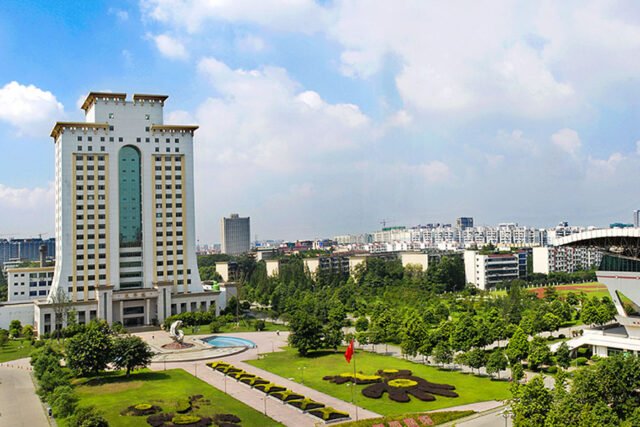
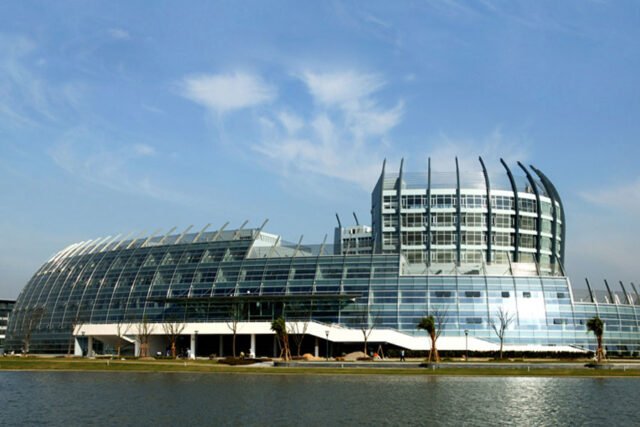
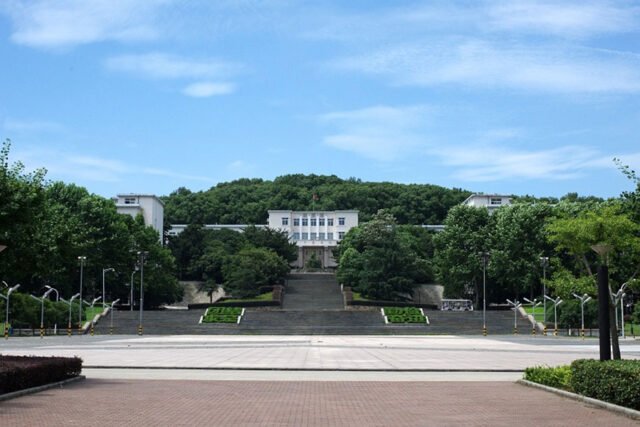
Huazhong Agricultural University, Wuhan, China
0
Huazhong Agricultural University, Wuhan, China

Huazhong Agricultural University: Cultivating Excellence in Agricultural Sciences

Introduction

Founded originally in 1898 as the Hubei Farming School by Governor Zhang Zhidong, Huazhong Agricultural University (HZAU) stands today as a leading national institution headquartered in Wuhan, Hubei province. Recognized for its stellar achievements in agriculture and life sciences, HZAU remains firmly focused on innovation, research, and global engagement.
(Wikipedia, Wikipedia)


1. Historical Evolution & Affiliation

  • Early Origins (1898–1951): Born as the Hubei Farming School in 1898, the institution underwent numerous transformations—becoming Hubei Agricultural College, relocating during wartime, and finally reestablished in Wuchang near Shizi Mountain by 1957.
    (Huazhong Agricultural University, Wikipedia)
  • Modern Era: In 1952, the current university took shape by merging agricultural colleges from multiple universities. It was elevated to national key university status under the Ministry of Agriculture in 1979, renamed to Huazhong Agricultural University in 1985, joined Project 211 in 2005, and was incorporated into the Double First-Class initiative in 2017.
    (Huazhong Agricultural University, Wikipedia, Wikipedia)

2. Location & Campus Environment

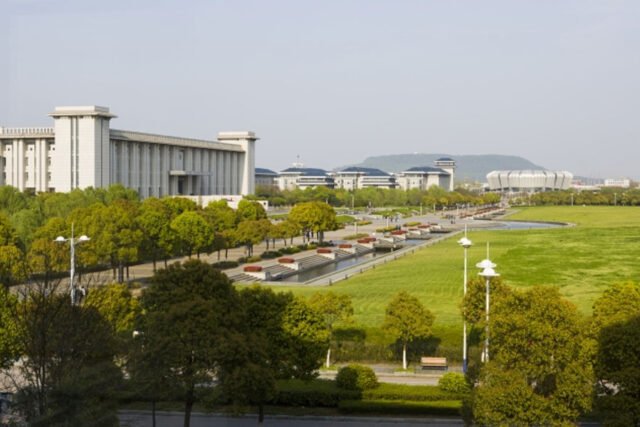
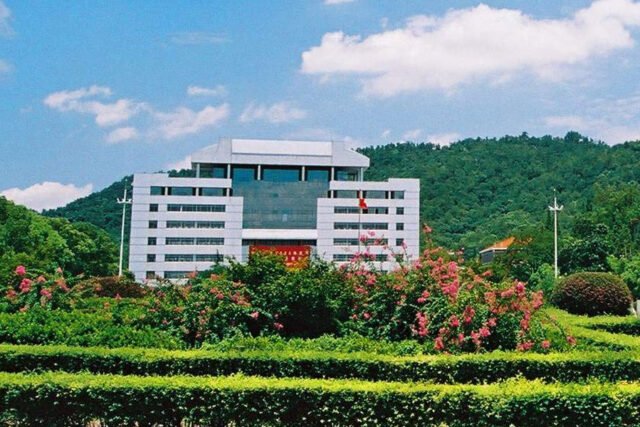
  • HZAU is nestled in central Wuhan—on Shizi Mountain and surrounded on three sides by lakes—offering a beautiful 5 km² campus adorned with 9 km of lakeside, 10 km of forest roads, and an extensive greenway system.
    (Huazhong Agricultural University)
  • The university enhances campus connectivity with a dedicated shuttle service featuring 15 tour vehicles.
    (Huazhong Agricultural University)
  • Supporting academic pursuits are the university library (established 1940) and a Natural Science Museum integrating agriculture, research, and public science education.
    (Huazhong Agricultural University)

3. Academic Structure & Programs

  • HZAU hosts 18 colleges/departments, with strengths across agriculture, life sciences, engineering, law, management, arts, economics, and more.
    (QS China, Uniplus Global)
  • It has developed 32 national top-quality courses, and consistently maintains graduate employment rates near 94–96%, with 30% immediately entering postgraduate studies.
    (ShanghaiRanking, Uniplus Global)

4. Faculty & Talent Cultivation

  • The university employs over 2,500 faculty, including 312 professors, 5 academicians from China’s leading academies, 2 international academy members, and 1 foreign associate of the U.S. National Academy of Sciences.
    (QS China, Uniplus Global)
  • HZAU has produced numerous academics, policymakers, and entrepreneurial leaders.
    (Uniplus Global, Lebde)

5. Research Strength & Global Standing

  • HZAU excels in advanced agricultural research—with disciplines such as agronomy, horticulture, animal husbandry, veterinary medicine, and agriculture economics selected as Double First-Class. It ranks among the global top 1% in ESI for multiple disciplines including life sciences and engineering.
    (Huazhong Agricultural University, Wikipedia)
  • The university operates three national key laboratories, three engineering research centers, a biological breeding innovation platform, an educational frontier science center, along with multiple teaching and practice centers.
    (Huazhong Agricultural University, ShanghaiRanking)
  • Notable scientific achievements include breakthroughs in hybrid rapeseed, green super rice, test-tube potatoes, animal vaccines, and more. HZAU is also recognized as a high performer in China’s national “863” program.
    (Huazhong Agricultural University, ShanghaiRanking)

6. Career Services & Graduate Success

  • HZAU graduates enjoy excellent employment outcomes, with a high placement rate (~96%) and a strong postgraduate progression rate. Many continue in fields aligned with the university’s areas of expertise.
    (ShanghaiRanking)

7. International Engagement

  • The institution has established academic partnerships with over 120 global research institutions, offering strong international research collaboration and exchange.
    (Huazhong Agricultural University)
  • The university began admitting international students as early as the 1960s, officially launching targeted programs in 2003. Currently, about 500 international students from 54 countries are enrolled—70% at doctoral level and 30% at master’s level—across HZAU’s key strengths like crop science and veterinary medicine.
    (Wikipedia, Huazhong Agricultural University)

8. Reputation & Rankings

  • In the QS Asia University Rankings 2025, HZAU holds the 298th place.
    (Wikipedia)
  • It consistently ranks among the world’s top institutions in agriculture, food science, veterinary science, and related subject areas. For example, ARWU ranks its Agricultural Sciences 6th globally, Food Science & Tech 14th, Veterinary Sciences 26th, and Biotechnology 33rd.
    (Apply For China, U.S. News)

9. Address & Contact


Conclusion

Huazhong Agricultural University combines a venerable legacy with modern research excellence and global reach. Its majestic lakefront campus, robust academic disciplines, and international collaborations make it a stand-out institution in agricultural and life sciences education—committed to shaping industry leaders and advancing global sustainability.


Huazhong Agricultural University admission process, agricultural science programs in Wuhan, HZAU scholarships for international students, best agricultural universities in China 2025, Wuhan China higher education institutions, Huazhong Agricultural University campus life, research at HZAU Wuhan, agriculture and veterinary programs China, Wuhan China student opportunities, Huazhong Agricultural University rankings

ShanghaiTech University, Shanghai, China

0
ShanghaiTech University, Shanghai, China

ShanghaiTech University: The New Frontier of Research and Education in Shanghai

Introduction

Founded in 2013 through a partnership between the Shanghai Municipal Government and the Chinese Academy of Sciences, ShanghaiTech University has rapidly positioned itself as a cutting-edge research-intensive institution with a global orientation(ShanghaiTech University, Wikipedia). It joined China’s Double First-Class Universities Project in February 2022, becoming the youngest university on the list(ShanghaiTech University).


1. Establishment & Vision

  • Mission & Philosophy: ShanghaiTech aims to be small-scale, international, and innovation-driven, cultivating the next generation of researchers, entrepreneurs, and cross-disciplinary pioneers(ShanghaiTech University).
  • Educational Model: Over 80% of its courses are delivered in English or bilingually. Students are introduced to research as early as their freshman year—by year three, nearly 100% are participating in a research group(ShanghaiTech University).

2. Academic Structure & Enrollment

  • Academic Units:
    • Schools: Physical Science & Technology; Life Science & Technology; Information Science & Technology; Entrepreneurship & Management; Creativity & Art; plus Biomedical Engineering(ShanghaiTech University).
    • Institutes & Centers: Including SIAIS, iHuman, IMS, Humanities, Future Medicine, Transformative Science, Carbon Neutrality, and a Park for Future Science(ShanghaiTech University, ShanghaiTech University).
  • Enrollment Data:
    • Nearly 2,000 undergraduates, 2,900 master’s students, and 1,700 doctoral candidates(ShanghaiTech University).
    • Total campus population stands at over 6,500 students, supported by 633 faculty members, including 41 academicians from CAS and CAE(ShanghaiTech University, Wikipedia).

3. Campus Infrastructure & Location

  • Located in Zhangjiang Hi-Tech Park, ShanghaiTech serves as a vital research and innovation hub, surrounded by national-level research facilities like the Shanghai Synchrotron Radiation Facility and shanghaitech’s own labs(ShanghaiTech University, Wikipedia).
  • Includes a clinical research hospital—the Shanghai Clinical Research and Trial Center (SCRTC)—serving as a bridge between basic research, clinical applications, and biopharma industry partnerships(ShanghaiTech University).

4. Research Excellence & Innovation Outreach

  • Since 2016, ShanghaiTech faculty and students have published over 32 first-author papers in Nature, Cell, or Science, signaling high research impact(ShanghaiTech University).
  • Its Materials Science and Engineering discipline was designated for development in China’s World-Class Universities Project(ShanghaiTech University).
  • The annual Innovation & Entrepreneurship Summit (techIES) showcases the university’s tech-transfer strength—facilitating patent licensing, startup launches, and industry engagement, with multi-billion CNY valuation in recent years(ShanghaiTech University).

5. Student Experience & Campus Life

  • Boasts over 60 clubs and societies, offering a vibrant, well-rounded student life(ShanghaiTech University).
  • Unique Residential Mentor Groups pair undergrads with faculty and CAS adjunct professors living on campus, fostering close mentoring(ShanghaiTech University).
  • Structured summer programs: early undergrads engage in social service in rural China; later years connect with industry and innovation venues(ShanghaiTech University).

6. Faculty, Leadership & Alumni

  • Faculty includes Nobel laureates, CAS and CAE academicians, and internationally experienced researchers—totaling a high-caliber team of over 600 professors(ShanghaiTech University).
  • Leadership: Feng Donglai (appointed June 2024) serves as current president(Wikipedia). Former president Jiang Mianheng, a co-founder and CAS VP, guided early development(Wikipedia).

7. Reputation & Rankings

  • Ranked between 301–400 globally in Shanghai Rankings, #330 by U.S. News, and #535 by CWUR(Wikipedia).
  • Consistently leads national tech transfer rankings, producing impactful patents and startups(ShanghaiTech University).

8. Admissions & Global Outlook

  • Academic model centered on cross-disciplinary research, global faculty, and broad study-abroad exposure (partners include Harvard, Yale, MIT, Oxford, etc.)(ShanghaiTech University).
  • Strong emphasis on nurturing international perspective, with many students entering postgraduate study, both domestically and abroad(ShanghaiTech University).

9. Location & Contact

  • Campus Address: Pudong’s Zhangjiang Hi-Tech Park, easily reachable via metro (Line 13 ZhongKe Road Station at campus edge), and close to Line 2’s Zhangjiang Hi-Tech Park Station (10-min taxi)(ShanghaiTech University).

Conclusion

In just over a decade, ShanghaiTech University has forged a distinctive identity as a compact, research-led, globally connected STEM powerhouse. Anchored in world-class infrastructure, innovative governance, and multidisciplinary teaching, it stands out as a model of modern higher education in China.


ShanghaiTech University admission process, ShanghaiTech University courses offered, scholarships at ShanghaiTech University, ShanghaiTech University international students, ShanghaiTech University research programs, ShanghaiTech University ranking in China, ShanghaiTech University campus facilities, career opportunities at ShanghaiTech University

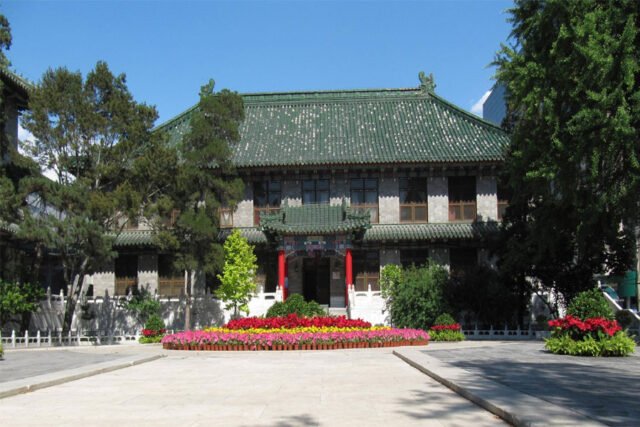
Beijing University of Chemical Technology, Beijing, China

0
Beijing University of Chemical Technology, Beijing, China

Beijing University of Chemical Technology: A Legacy of Chemical Innovation

Introduction

Founded in 1958 and located in Beijing, Beijing University of Chemical Technology (BUCT) is a prominent public institution under the Ministry of Education. Recognized as a key university within Project 211 and the Double First-Class initiative, BUCT has distinguished itself in chemical engineering and multidisciplinary education.(Wikipedia, Wikipedia)


1. History & Identity

  • Establishment: Founded in 1958 as Beijing Institute of Chemical Technology, BUCT was specifically created to train advanced chemical talents necessary for emerging scientific and industrial needs.(Wikipedia)
  • Evolution: In 1994, the university was renamed to its current name. It joined Project 211 and was designated a 985 Innovation Platform university.(Wikipedia, Wikipedia, Wikipedia)

2. Campuses & Structure

  • Location: BUCT operates multiple urban campuses in Chaoyang District, Beijing, encompassing approximately 1052 mu (~70 hectares).(Wikipedia)
  • Academic Units: The university comprises 15 colleges/schools, including key faculties like Chemical Engineering, Materials Science, Information Science, Economics, Chemical Engineering, Chemistry, Life Sciences, and International Education.(Wikipedia, Wikipedia)

3. Student & Faculty Profile

  • Enrollment:
    • Undergraduates: ~15,300
    • Postgraduates: ~7,000 (including ~950 doctoral students)
    • International students: ~341
    • Continuing education students: ~3,350
  • Faculty:
    • Total staff: over 2,600
    • Professors/Associate professors: ~780 of ~1,200 total faculty
    • Academicians: 8 members from the Chinese Academy of Sciences and Engineering, along with 5 international academicians, and ~60 distinguished professors(Wikipedia)
  • Leadership:
    • Current President: Tan Tianwei, a noted biochemical engineering scholar and member of the Chinese Academy of Engineering since 2011(Wikipedia)

4. Academic Excellence & Research Strength

  • Top-Ranked Disciplines:
    • BUCT’s Chemistry ranks within the top 0.1% globally (ESI).
    • Additional disciplines—Material Science, Engineering, Biology and Biochemistry—rank within the top 1%.
    • Its Chemical Engineering & Technology first-level discipline ranked 3rd in China’s national discipline evaluation; in 2017, “Green Chemistry, Chemical Engineering and Materials” was designated a Double First-Class discipline group.(Wikipedia, Wikipedia)
  • Global Reputation:
    • Ranked among the top 450 universities globally (Times Higher Education World Rankings).
    • Ranked 6th worldwide in Chemical Engineering (ARWU Subject Ranking).(Wikipedia)
  • Research Contributions:
    • The university has sustained strong innovation in chemical research and industrial chemistry. Renowned faculty—such as Prof. Duan Xue (academician) and Prof. Liu Wen—lead groundbreaking work in materials, catalysis, and green chemistry.(faculty.buct.edu.cn)

5. Career & Placement

While specific job placement data isn’t publicly available, BUCT’s strategic location in Beijing and its industry-aligned programs suggest strong graduate employability, especially in chemical and process industries.


6. International Collaboration

  • BUCT is an active member of the Cooperation Consortium of Beijing High Technology Universities, aligning with specialized research-intensive institutions in areas like chemical engineering and material science.(Wikipedia)
  • It also hosts various international partnerships and diplomatic academic engagements (specifics beyond scope).

7. Support & Facilities

In addition to academic excellence, BUCT maintains robust student support structures through its international education school, responsible for academic affairs and services for international undergraduates, including course selection, scholarship coordination, and graduation processes.(faculty.buct.edu.cn)


8. Location & Contact


Conclusion

Beijing University of Chemical Technology stands as a distinguished institution with distinguished roots in chemical engineering. Its comprehensive academic infrastructure, research clout, elite disciplines, and strategic alliances position it as a beacon for innovation and education in China’s modern higher learning landscape.


Beijing University of Chemical Technology admission process, BUCT courses and programs in Beijing, scholarships at Beijing chemical university, Beijing University of Chemical Technology international students, BUCT research and innovation in chemistry, Beijing University of Chemical Technology facilities, career opportunities at BUCT Beijing, Beijing University of Chemical Technology alumni achievements

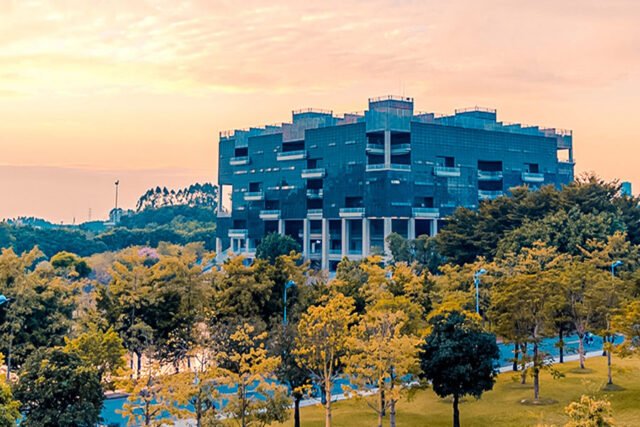
Shenzhen University, Shenzhen, China

0
Shenzhen University, Shenzhen, China

Shenzhen University, Shenzhen – Innovation at the Heart of China’s Tech Frontier

Introduction

Established in 1983 under the Ministry of Education, Shenzhen University (SZU) was founded to serve the iconic Shenzhen Special Economic Zone vision. Over the decades, it has evolved into a dynamic comprehensive university with a blend of disciplines, rich resources, and deep institutional partnerships with Peking University, Tsinghua University, and Renmin University.(China Admissions)


1. Historical Roots & Institutional Alliances

  • SZU became the first university founded directly in the Shenzhen Special Economic Zone, emphasizing innovation and reform from its inception.(China Admissions)
  • Notable collaborative foundations include:
    • Peking University: Schools of Chinese Language and Foreign Languages
    • Tsinghua University: College of Electronic Science and Architecture
    • Renmin University of China: College of Economics and Law School

2. Academic Structure & Programs

  • The university comprises 27 schools and colleges, offering:
    • 96 undergraduate majors
    • 38 first-tier master’s disciplines
    • 18 professional master’s programs
    • 10 first-tier doctoral programs(Wikipedia)
  • Disciplines span all key academic areas:
    • Sciences, Engineering, Business, Law, Medicine, Humanities, Design, Information Technology, Art & Media, Architecture, Environmental Studies, and more(CISS, Wikipedia)

3. Student Body & Faculty

  • Total full-time enrollment: 34,949 students
    • 27,564 undergraduates
    • 7,132 master’s students
    • 253 doctoral candidates
    • 837 international students(Wikipedia, China Admissions)
  • Faculty includes:
    • 3,455 staff members
    • 2,267 academic faculty
    • 7 academicians from the Chinese Academy of Engineering (CAE)/Sciences (CAS)(Wikipedia)

4. Facilities & Campus Life

  • Campuses: Yuehai and Lihu campuses cover 2.72 km² as part of Shenzhen’s Nanshan District.(Wikipedia)
  • Library boasts over 4 million volumes, 2.3 million e-books, 124,800 e-journals, and access to 257 academic databases. Classrooms are nearly all digitized, with ample Wi-Fi.(Wikipedia)
  • Facilities include:
    • University hospital, shops, dormitories, security services
    • Outstanding athletics amenities: gymnasiums, swimming pools, courts (football, basketball, tennis), bowling, golf range, and a stadium—making it one of China’s best equipped campuses.(China Admissions)

5. Research & Academics

  • SZU serves as Shenzhen’s primary research hub.
    • In one year alone: 846 SCI-indexed papers, 48 inventions commercialized, 281 inventions adopted.(Wikipedia)
  • It houses numerous research centers and laboratories, including:
    • Collaborative Innovation Centre for Optoelectronic Science and Technology
    • China Center for Special Economic Zone Research
    • Centers for Urban Planning, Language & Cognition, Manufacturing Technology, Media & Social Changes, Nano Surface Science, Cultural Industries, among others(Wikipedia)

6. Career Services & Alumni Success

  • SZU alumni network includes Pony Ma (Ma Huateng)—Founder of Tencent.(Wikipedia, Wikipedia)
  • The university’s location in Shenzhen’s high-tech ecosystem provides strong industry links and employment opportunities—particularly in tech and innovation sectors.

7. Global Outlook & International Students

  • SZU pioneered internationalization as the first Chinese university to admit students both in spring and autumn term under a modern credit system.(Sangen Edu Ltd)
  • Offers a rich Chinese-language and culture program with four levels—from entry to advanced—for international learners.(Shenzhen University)

8. Recognition & Academic Reputation

  • Widespread acclaim through:
    • University’s honored libraries, forward-looking pedagogy, first movers in credit-based curriculum
    • Noted for dynamic campus culture and innovation-driven presence in Shenzhen Special Economic Zone.(China Admissions)

9. Address & Contact

  • Location: Nanshan District, Shenzhen, Guangdong Province.
  • Campus connectivity enhanced via the new SZU Lihu Campus Metro Station (Line 7, opened December 2024) adjacent to the university and its general hospital.(Wikipedia)

Conclusion

Shenzhen University embodies the spirit of its host city—innovative, forward-looking, and globally oriented. Anchored in the special economic zone, it combines robust academic breadth, advanced research infrastructure, strong international outreach, and unmatched industry integration to continuously evolve as a modern comprehensive university.


Shenzhen University admission requirements, Shenzhen University scholarship programs, Shenzhen University international students guide, Shenzhen University courses and fees, Shenzhen University campus facilities, Shenzhen University research programs, Shenzhen University alumni network, Shenzhen University global ranking, study at Shenzhen University China, Shenzhen University career opportunities

Beijing Institute of Technology, Beijing, China

0
Beijing Institute of Technology, Beijing, China

Beijing Institute of Technology: A Vanguard of Engineering & Innovation

Introduction

Founded in 1940 in Yan’an, the Beijing Institute of Technology (BIT) is China’s pioneering science and engineering university established by the Communist Party. Now located in Beijing, it has emerged as a leading comprehensive research university, tightly aligned with national initiatives and global research excellence.(english.bit.edu.cn, Wikipedia)


1. Establishment & Affiliations

  • Origins: BIT was originally established in Yan’an in 1940, later relocated to Beijing in 1949. In 1952, it became the Beijing Engineering College—a leading defense-industry university. The name “Beijing Institute of Technology” was adopted in 1988.(english.bit.edu.cn, Wikipedia)
  • National Standing: BIT is deeply integrated into China’s elite higher education framework—part of the first batches selected for Project 211, Project 985, and the Double First-Class University Plan.(english.bit.edu.cn, etc.bit.edu.cn)
  • Affiliation: Since 2008, BIT has been managed by the Ministry of Industry and Information Technology.(Wikipedia, cuac.org.cn)

2. Campuses & Academic Structure

  • Campuses: BIT encompasses four campuses:
    • Zhongguancun (Haidian District)
    • Liangxiang (Fangshan District)
    • Xishan Experimental Area
    • Zhuhai Campus (extension)
    • Qinhuangdao Campus(etc.bit.edu.cn)
  • Organization: The university comprises 22 professional schools, seven colleges, and eight educational research institutes.(english.bit.edu.cn)
  • Programs: BIT offers 33 doctoral-level first-tier disciplines and 15 professional degree categories across nine academic fields.(english.bit.edu.cn)

3. Core Values, Vision & Leadership

  • Motto & Spirit: BIT’s ethos embodies a foundation in virtue with an emphasis on industry, guided by principles of unity, diligence, practicality, and innovation—rooted in a reality-grounded teaching philosophy.(english.bit.edu.cn)
  • Vision: BIT’s strategic mission involves shaping future-ready talent and enhancing its global educational impact.(hedclub.com, english.bit.edu.cn)
  • Leadership: The university is led by President Hu Haiyan, a respected engineering scholar and academician of the Chinese Academy of Sciences.(hedclub.com, Wikipedia)

4. Academic Strengths & Research Excellence

  • Elite Disciplines:
    • BIT has top-tier “Double First-Class” status in Physics, with leading disciplines like cybersecurity and integrated circuit engineering among the national elite.(english.bit.edu.cn)
    • The university follows a distinctive “6+7+2” structure, bolstering interdisciplinary academic programs and innovation.(english.bit.edu.cn)
  • Global Rankings:
    • QS World Ranking: approx. #302 (2025)
    • ARWU (2024): among #101–150
    • Times Higher Education (2025): #201–250
    • QS Global Graduate Employability: 9th in Mainland China(english.bit.edu.cn)

5. Talents & Alumni

  • Faculty: Over 5,800 faculty and staff, including more than 600 high-caliber scholars and over 100 newly added national talents in recent years. Notably, several foreign faculty recipients have been honored with China’s Friendship Award.(english.bit.edu.cn, hedclub.com)
  • Alumni Impact: BIT is a cradle for leaders in aeronautics, defense, and tech innovation; it has also produced top scientists in radar, optics, and more through its pioneering schools.(english.bit.edu.cn, Wikipedia)

6. Infrastructure & Facilities

  • Library Network: BIT’s library system spans multiple campuses and offers modern facilities, supporting both research and learning extensively.(etc.bit.edu.cn)
  • Labs & Research Centers:
    • School of Information & Electronics: Founded in 1953, recognized as China’s first radar-design school, with top-tier teaching and research facilities.(english.bit.edu.cn)
    • School of Automation: One of the earliest to offer automatic control majors (since 1953).(english.bit.edu.cn)
    • School of Computer Science & Technology: Internationally renowned, ranking among the top 1% globally per ESI.(english.bit.edu.cn)
    • New domain: Cyberspace Science & Technology (est. 2020) focuses on national security and digital sovereignty.(english.bit.edu.cn)
  • BIT History Museum: Located on Zhongguancun Campus, spans 3,000 m², chronicling BIT’s heritage and achievements in defense science and technology.(english.bit.edu.cn)

7. Global Engagement & Student Mobility

  • Internationalization:
    • BIT began admitting international students in 1995 and supports over 2,100 foreign students from more than 100 countries, studying majors from communication engineering to design and arts.(hedclub.com)
  • Exchange & Innovation Networks:
    • The university actively promotes global exchanges, joint research programs, and collaborations with top-tier international universities.(english.bit.edu.cn, hedclub.com)

8. Career Prep & Placement

  • BIT emphasizes practical engineering competencies through initiatives like the National Experimental Teaching Demonstration Center (Engineering Training Center) and an international-standard tenure-track system to attract global talent.(etc.bit.edu.cn, english.bit.edu.cn)

9. Reputation & Awards

  • BIT consistently ranks among the top 15 Chinese universities and among the global elite in engineering and technology education.(Wikipedia, 名商大ビジネススクール – 国際認証MBA)
  • The university has accumulated more than 130 national science and technology awards over the past three decades, and maintains top-tier accreditation for international education in China.(hedclub.com)

10. Contact & Address

  • Zhongguancun Campus: No. 5 Zhongguancun South Street, Haidian District, Beijing
  • Liangxiang Campus: Liangxiang East Road, Fangshan District, Beijing
  • Xishan Campus: Lengquan East Road, Haidian District, Beijing(english.bit.edu.cn)
  • Official Website: english.bit.edu.cn / www.bit.edu.cn

Conclusion

From its wartime origins to its current standing as a center of defense science, technology, and global education, Beijing Institute of Technology exemplifies innovation, excellence, and strategic growth. With elite disciplines, extensive research infrastructure, and robust international reach, BIT continues to forge new frontiers in engineering and applied sciences.


Beijing Institute of Technology admission process, BIT Beijing international student guide, Beijing Institute of Technology scholarships for foreigners, BIT Beijing engineering programs, Beijing Institute of Technology campus facilities, BIT Beijing research opportunities, Beijing Institute of Technology placements, Beijing Institute of Technology global rankings

Southeast University, Nanjing, China

0
Southeast University, Nanjing, China

Southeast University, Nanjing: Over a Century of Academic Excellence

Introduction

Southeast University (SEU) in Nanjing is one of China’s most historic and prestigious institutions of higher learning, tracing its roots back to 1902 as the Sanjiang Normal College. Over the decades, it evolved through names like National Southeast University, National Central University, and Nanjing Institute of Technology—before being designated Southeast University in 1988. A significant expansion occurred in 2000, merging with Nanjing Railway Medical College, Nanjing College of Communications, and Nanjing Geological School (seu.edu.cn, Wikipedia).

Situated centrally in Nanjing—the revered ancient capital of six dynasties—SEU plays a pivotal role in shaping national educational and technological advancement (Nanjing Government Website, seu.edu.cn).


1. History & Background

  • Evolution Timeline:
    • Founded in 1902 as Sanjiang Normal College.
    • Progressed to National Southeast University and then National Central University.
    • Reorganized into Nanjing Institute of Technology in 1952.
    • Renamed Southeast University in 1988.
    • Expanded through mergers in 2000 (seu.edu.cn, Wikipedia).
  • Institutional Status:
    • A national key university under the Ministry of Education.
    • Selected for Project 211, Project 985, and the Double First-Class University initiative (Wikipedia).
  • Campus Locations:
    • Sipailou Campus: Historic core in Nanjing city center, set between Purple Mountain and Xuanwu Lake (Nanjing Government Website).
    • Jiulonghu Campus: Established in 2006 in Jiangning Development Zone; spans 251 hectares with modern facilities (seu.edu.cn).
    • Dingjiaqiao Campus: Hosts the School of Medicine and Zhongda Hospital (seu.edu.cn).

2. Academic Structure & Enrollment

  • Departments & Programs:
  • Student Body:
  • Faculty:
    • Around 2,991 full-time teachers, with 2,569 holding Ph.D. degrees, and over 2,000 senior-level professors.
    • Includes 12 academicians (CAS & CAE), 1 academician of the Academia Europaea, several National Talent Program participants, and multiple national-level award recipients (seu.edu.cn).

3. Facilities & Infrastructure

  • Library:
    • Covers 66,900 m², holding approximately 4.4 million volumes, serving all campuses (seu.edu.cn).
  • Science Park:
    • The SEU Science Park, one of China’s first national university science parks, has incubated over 300 high-tech enterprises including Wiscom, Tuniu, and others (seu.edu.cn).
  • Research Labs & Centers:
    • Key research infrastructure includes:
      • State Key Lab of Millimeter Waves
      • National Mobile Communication Research Lab
      • State Key Lab of Bioelectronics
      • Numerous other centers and labs supporting engineering, electronics, and medical research (seu.edu.cn).

4. Research & Faculty Excellence

  • Top-Ranked Disciplines:
    • Eleven disciplines designated national Double First-Class.
    • Five received an A+ ranking in China’s fourth-round disciplinary assessment (seu.edu.cn).
    • Twelve disciplines ranked in the top 1% globally by ESI, with Engineering and Computer Science placing in the top 0.1% (seu.edu.cn, Nanjing Government Website).
  • International Collaborations:
    • Partnerships with over 100 institutions including Cambridge, ETH Zürich, Monash University (joint graduate school), and more (seu.edu.cn, Wikipedia).

5. Internationalization & Student Support

  • Student Exchange & Support:
    • Hosts over 2,039 international students from 100+ countries, with 1,523 enrolled in degree programs (Nanjing Government Website, seu.edu.cn).
    • Features an International Office and Admission Office facilitating scholarship applications, degree programs, and student services (cis.seu.edu.cn).

6. Reputation & Rankings

  • Rankings:
  • Elite Status:
    • One of the earliest members of the Yangtze Delta Universities Alliance, reflecting regional academic prominence (Wikipedia).

7. Address & Contact Information


Conclusion

Southeast University’s legacy of over a century, its integration of historical depth with modern innovation, and its world-class research and educational programs make it a standout institution in China’s higher education sphere. With its central location in Nanjing, top-tier facilities, and global partnerships, SEU continues to shape leaders and contributors across disciplines.


Southeast University admission process, study engineering at Southeast University, Southeast University scholarship opportunities, Nanjing China international students, Southeast University postgraduate programs, Southeast University campus life, Southeast University research achievements, Southeast University global collaborations

Central South University, Changsha, China

0
Central South University, Changsha, China

Central South University, Changsha, China: A Century-Spanning Beacon of Innovation

Nestled between Yuelu Mountain and the Xiang River in the historic city of Changsha, Central South University (CSU) is a prestigious national key university, celebrated for its breadth across disciplines—from medicine and engineering to economics, law, and the arts. Since its formation in 2000, CSU has rapidly become a leader in research, innovation, and global collaboration.


Historical Roots & Establishment

  • Established April 2000 via a merger of three legacy institutions:
    • Hunan Medical University (Xiangya Medical College; est. 1914)
    • Changsha Railway University (since 1953)
    • Central South University of Technology (from 1952)
      (en.csu.edu.cn)
  • CSU continues over a century of excellence, embodying the reform and modernization of China’s higher education.

University Identity & Affiliations

  • A national key university directly under the Ministry of Education. Selected for:
  • University motto: “Create Knowledge and Serve Society.” School spirit: “Virtue, Truth, Perfection, Inclusiveness.” (intl.csu.edu.cn)

Campus & Infrastructure

  • Location: Set across 3.17 million m² of scenic land on both sides of the Xiang River near Yuelu Mountain. (en.csu.edu.cn)
  • Facilities: Extensive infrastructure includes three top-tier affiliated hospitals (Xiangya, Second Xiangya, Third Xiangya), Xiangya Stomatological Hospital, and six satellite hospitals. (en.csu.edu.cn, enghunan.gov.cn, Wikipedia)

Academic Spectrum & Enrollment

  • Scope:
    • 31 secondary schools
    • Disciplines covering Medicine, Engineering, Science, Management, Humanities, Law, Arts, etc. (en.csu.edu.cn, enghunan.gov.cn)
  • Degree Programs:
    • 40 doctoral-level fields (first-level disciplines)
    • 46 master’s-level fields
    • Professional doctorates (9), professional master’s (30), and 32 post-doctoral centers
    • Six national first-level key disciplines, 12 national second-level, 61 key clinical specialties
      (en.csu.edu.cn, enghunan.gov.cn)
  • Enrollment: Over 62,000 full-time students, including 35,000 undergraduates, 24,000 postgraduates, and 2,200+ overseas degree students
    (intl.csu.edu.cn, csu.cucas.cn)
  • Faculty: Rich intellectual strength with 16 academicians (CAS & CAE), 39 National Distinguished Young Scholars, 2,014 senior professors, and special allowance experts
    (en.csu.edu.cn, enghunan.gov.cn)

Research Excellence & Global Top Disciplines

  • ESI Rankings:
    • World-top 1‰: Materials Science
    • Top 1‰: Engineering, Clinical Medicine, Computer Science, Chemistry, Pharmacology, Environmental Science & Ecology
    • Top 1%: Multiple disciplines including Biology, Psychology, Mathematics, Geoscience, Economics, and Social Sciences
      (intl.csu.edu.cn, enghunan.gov.cn)
  • Research Infrastructure:
    • 22 national innovation platforms: 2 key labs, 5 engineering research centers, 6 engineering labs, and more
      (enghunan.gov.cn)
  • Awards: Since 2000, CSU has earned 112 national science & technology awards (18 first prizes), with 9 projects recognized among China’s top 10 university scientific achievements
    (enghunan.gov.cn)

Reputation & Rankings

  • EduRank (2025):
    • #20 in China
    • #308 globally
    • Strengths in Mining Engineering (#1), Radiochemistry (#9), Metallurgy (#12)
      (EduRank)
  • THE Rankings (2023):

Alumni & Leadership Impact

  • Notable Alumni:
    • Academia: Tang Feifan, Zhang Xiaoqian, Huang Boyun, Jin Zhanpeng
    • Business: Li Zexiang (DJI founder), Wang Chuanfu (BYD), Liang Wengen (Sany Group)
    • Politics: Guo Shengkun (Politburo Standing Committee), Lu Zhangong, Zhao Lijian (foreign affairs spokesperson)
      (Wikipedia)

Career Development & Partnerships

  • Robust career placement systems coupled with its prestigious hospitals strengthens training in medicine and engineering.
  • A pioneer in teacher training, elite engineer programs, medical education, and entrepreneurship.
    (en.csu.edu.cn, intl.csu.edu.cn)
  • Global Network:
    • Partnerships with 300+ universities and institutes across 62 countries
    • Industry collaborations, alliance memberships, Confucius Institutes, and jointly run educational initiatives
      (intl.csu.edu.cn, enghunan.gov.cn)

Address & International Contacts

  • Contact Info:
    • Undergraduate Office: +86-731-88836410
    • Medical Programs: +86-731-89667206
    • Email: sie@csu.edu.cn
    • Address: Library 210, 932 Lushan South Road, Changsha, Hunan, P.R. China
      (intl.csu.edu.cn)

Conclusion

Central South University stands tall as a multifaceted academic powerhouse, blending over a century of heritage with cutting-edge research, world-class disciplines, and global prominence. Its continuing legacy of innovation, commitment to societal service, and academic leadership make it one of China’s most dynamic universities—truly a cornerstone for students, scholars, and innovators alike.


Central South University admission requirements, CSU Changsha international students, Central South University scholarships for foreigners, CSU Changsha engineering courses, Central South University campus life, CSU research achievements China, Central South University notable alumni, Central South University global rankings

University of Electronic Science and Technology of China, Chengdu

0
University of Electronic Science and Technology of China, Chengdu, China

UESTC, Chengdu: Pioneer of Electronics and Innovation

Introduction

Founded in 1956 under the guidance of Premier Zhou Enlai, the University of Electronic Science and Technology of China (UESTC) began as the Chengdu Institute of Radio Engineering, consolidating electronics departments from renowned institutions. Over the decades, UESTC has evolved into a multidisciplinary, research-driven university—at the forefront of electronic science, engineering, management, and liberal arts.(Wikipedia, NCUK, Times Higher Education (THE))


Establishment & Affiliations

  • Origins & Evolution: Established in 1956, UESTC became a national key university by 1960. It later joined elite initiatives—Project 211 (1997), Project 985 (2001), and China’s Double First-Class University Plan in 2017.(Wikipedia, GreatWall, NCUK, Times Higher Education (THE))
  • Governance: It is directly administered by the Ministry of Education and co-sponsored by the Ministry of Industry and Information Technology, the Sichuan Provincial Government, and Chengdu Municipal Government.(Wikipedia)

Campuses & Academic Offerings

  • Campuses: UESTC comprises four campuses—Qingshuihe, Shahe, Jiulidi, and Yongning—spanning over 16.6 km².(Wikipedia, NCUK)
  • Structure & Enrollment:
    • Schools: More than 40 schools offering 65 undergraduate majors, including 13 national featured ones.
    • Student Body: Over ~42,000 students, with ~23,000 undergraduates and ~15,000 postgraduates, supported by a faculty of around 3,800.(Wikipedia, Study in China, Times Higher Education (THE))

Facilities & Learning Environment

  • Libraries & Labs: Two well-equipped libraries across campuses (Qingshuihe & Shahe), totaling ~66,974 m², hosting extensive collections and digital resources.(Study in China)
  • State Key Labs: UESTC boasts four State Key Laboratories—for Communication Technology, Electronic Thin Films & Integrated Devices, Microwave Devices, and High Power Radiation.(Wikipedia, Study in China)
  • Research Centers: Home to centers focusing on Big Data, Robotics, Medical Informatics, IC research, Security, and Earth Sciences.(Wikipedia, Study in China)

Academic Strength & Research Excellence

  • Discipline Rankings: UESTC’s core disciplines—Engineering and Computer Science—rank among the top 1‰ globally per ESI; nine disciplines overall are in the top 1%.(Times Higher Education (THE))
  • Achievements:
    • Over 43 National Science & Tech Progress/Invention awards, 600+ provincial/ministerial awards, ~500 patents, and 20,000+ research papers/books in the last decade.(Study in China)
  • Tech Integration: The university cultivates a thriving ecosystem, integrated with industry and innovation hubs.(Study in China, GreatWall)

Innovation Culture & Competitions

  • Student Achievements:
    • Repeated champions in the National Electronic Design Contest.
    • Multiple wins in ABU Robocon (both national and international finals).
    • Top placements in national and international Mathematical Modeling and iGEM competitions.(Wikipedia)

Global Collaboration & Internship Opportunities

  • International Partnerships: UESTC collaborates with over 200 universities in 67 countries—offering joint programs like MBA, DBA, and hosting Confucius Institutes.(Wikipedia, NCUK)
  • Industry Ties: Over 1,000 global enterprises, including Fortune 500 companies, engage with UESTC through research and innovation projects.(Study in China)

Leadership & Alumni

  • Current President: Zeng Yong, a management science scholar since 2018, heads UESTC.(Wikipedia)
  • Distinguished Faculty: Among them is Zhang Xu, a telecommunications pioneer and radio communications professor at UESTC.(Wikipedia)

Reputation & Rankings


Career Development & Scholarships

  • Employability: Known for robust placement and industrial recruitment network, especially in high-tech and innovation sectors.
  • Scholarships: Offers support for international students, early-career fellowships, and joint academic programs with global partners.(csamse2025.uestc.edu.cn, NCUK)

Address & Official Portal


Conclusion

With over six decades of innovation, the University of Electronic Science and Technology of China has grown from an elite radio engineering institute into one of China’s most respected research-intensive universities. Its leadership in electronic science, competitive student culture, global connectivity, and multidisciplinary excellence make it a standout institution in Asia’s higher education landscape.


UESTC Chengdu admission process, University of Electronic Science and Technology scholarships, UESTC international students guide, UESTC postgraduate programs in China, Chengdu technology universities ranking, UESTC research achievements, UESTC student life in Chengdu, affordable universities in Chengdu China, UESTC campus facilities, study engineering in Chengdu

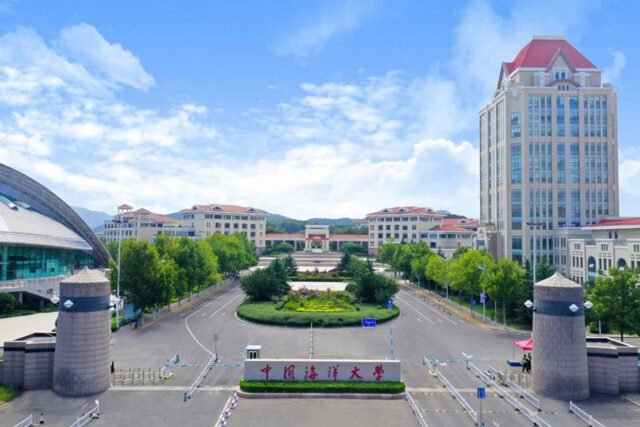
China University of Petroleum, Qingdao, China

0
China University of Petroleum, Qingdao, China

China University of Petroleum (East China), Qingdao: A Premier Hub for Energy Education

Introduction

The China University of Petroleum (East China)—commonly referred to as UPC—stands as a national key university, nurtured under the Ministry of Education and co-developed with five major energy firms and the Shandong provincial government. Renowned as the “cradle of petroleum talent”, UPC has evolved into a multidisciplinary institution excelling in petroleum and petrochemical sciences while expanding into science, engineering, management, and humanities.(UPC English, CUPB International Education)


Establishment & Campus Expansion

  • Founded in 1953, the institution originated as the Beijing Petroleum Institute. It moved to Dongying in 1969 (becoming East China Petroleum Institute), attained university status in 1988, adopted its current name in 2005, and relocated its main campus to scenic Tangdao Bay in Qingdao by 2012.(UPC English, Wikipedia)
  • Today, UPC operates two vibrant campuses:
    • Qingdao Tangdao Bay Campus: Overlooking the ocean and nestled by Little Pearl Hill, this modern campus is the heart of undergraduate life and research.(UPC English, Lucas Edu, China Daily Subsites)
    • Dongying Campus: Retained as a research and practice hub in China’s renowned “oil city” on the Yellow River Delta.(UPC English, Wikipedia, Lucas Edu)

Academic Structure & Student Body

  • Faculties & Programs: UPC fosters academic diversity through 16 schools (e.g., Petroleum Engineering, Chemical Engineering, New Energy, Economics & Management) and specialized colleges for international and continuing education.(CUPB International Education)
  • Enrollment Figures:
    • ~19,000 undergraduates
    • ~9,500 postgraduates
    • ~1,000 international students
    • ~87,000 correspondence learners
    • Approximately 1,700 full-time faculty, including over 1,100 professors/associate professors and 236 doctoral supervisors.(UPC English, CUPB International Education)

Research Excellence & Industry Partnerships

  • Research Infrastructure: UPC hosts over 70 national and provincial key labs and research centers, including national labs for heavy oil and marine geophysical prospecting.(CUPB International Education, UPC English, Lucas Edu)
  • Innovation Achievements:
    • Undertaken 957 major state-level projects during China’s 12th Five-Year Plan, securing CNY 3.9 billion in research funding.
    • Awarded 10 national academic awards, 66 provincial/ministerial first prizes, and holds 4,404 patents (including 24 foreign).(UPC English)
  • Technology Commercialization:

Academic Reputation & Disciplines

  • UPC is part of Project 211, the 985 innovation platform, and the Double First-Class initiative—all prestigious national designations.(UPC English, CUPB International Education)
  • Leading Disciplines:
    • Five national first-level key disciplines: Chemical Engineering & Technology; Mineral Resources Prospecting and Exploration; Oil & Gas Well Engineering; Oil & Gas Field Development Engineering; Oil & Gas Storage & Transportation Engineering(Wikipedia, CUPB International Education)
    • Engineering, Chemistry, Materials Science, and Earth Sciences rank among the top 1% globally by ESI, with Engineering leading globally.(UPC English, Wikipedia)

Career Development & Student Life

  • Outstanding Employability:
    • UPC graduates deliver an employment rate of ~90% for two consecutive decades. Many alumni join leading energy companies like CNPC, SINOPEC, CNOOC, and ChemChina. UPC is recognized as a National Model Unit for Employment by the State Council.(China Admissions)
  • Campus Life Amenities:
    • Comprehensive facilities include secure dorms, over 130 student clubs, essential service outlets (shops, healthcare, etc.).(China Admissions)

International Collaboration & Global Outreach

  • UPC maintains academic links with over 186 institutions across 45 countries.
  • It hosts international conferences, houses joint research centers (e.g., Advanced Petroleum Technology, Sino-Saudi Oil Refining Technology Cooperation), and is part of multiple regional alliances like Sino-Europe and Belt & Road networks.(CUPB International Education, Lucas Edu)

Contact & Location

Address (Qingdao Campus): No. 66 West Changjiang Road, Huangdao District, Qingdao, Shandong, 266580, China.(UPC English, China Daily Subsites)
Official Website: www.upc.edu.cn (English portal available)(Wikipedia)


Conclusion

China University of Petroleum (East China) in Qingdao stands as a world-class institution anchored in petroleum and petrochemical sciences. With its striking coastal campus, robust research network, top-tier academic disciplines, and lasting industry impact, UPC embodies excellence in energy education and innovation.


China University of Petroleum Qingdao admissions, petroleum engineering programs in China, study petroleum in Qingdao, China University of Petroleum scholarships, engineering research in Qingdao China, affordable universities in Qingdao, China University of Petroleum international students, petroleum science and technology China, China University of Petroleum campus facilities, petroleum research collaboration China

Anhui University of Finance and Economics, Bengbu, China

0
Anhui University of Finance and Economics, Bengbu, China

Elevating Finance & Economics: Anhui University of Finance and Economics (AUFE), Bengbu

Introduction

Founded in 1959 as Anhui Institute of Finance and Trade, AUFE has matured into a key provincial institution centered on economics, management, and law—while spanning disciplines like science, engineering, humanities, and history(Wikipedia, intexen.aufe.edu.cn). It stands uniquely positioned in Bengbu’s Longhu Lake scenic district, serving regional development and Chinese higher finance education.


1. Establishment, Identity & Affiliations

  • Established: 1959; renamed to AUFE in 2004(Wikipedia, intexen.aufe.edu.cn)
  • Multi-disciplinary Focus: While emphasizing economics, management, and law, AUFE also welcomes programs across engineering, arts, literature, and sciences(intexen.aufe.edu.cn, istudy-china.com).
  • Institutional Support: Supported by Anhui provincial government and All-China Federation of Supply and Marketing Cooperatives(intexen.aufe.edu.cn).

2. Campuses & Facilities

  • Campuses: Three—Longhu Lake East, Longhu Lake West, and Jiaotong Road—set across a combined area of ~701,000–944,000 m² near national AAAA-scenic Longhu Lake(Wikipedia, istudy-china.com).
  • Library Resources: Over 1.8 million printed volumes, 520,000 electronic volumes, and 1,700 periodicals(Wikipedia, Infogalactic).
  • Facilities: Fully equipped campuses possess modern labs, research centers, sports complexes, swimming pools, dormitories, comfortable amenities, and reputed ISO-9000 certified dining halls(intexen.aufe.edu.cn, Educatly).

3. Academic Structure & Programs

  • Schools & Disciplines: Comprises 12 schools, 2 departments (e.g., Economics, Finance, Management, Law, Info Engineering, Foreign Languages, Arts) alongside 3 provincial and 35 university-level research institutes(Wikipedia, istudy-china.com).
  • Degree Programs: Offers approximately:

4. Academic Excellence & Research Endeavours

  • Research Infrastructure: Hosts four provincial/ministerial key research bases along with over twenty specialized research and academic resource centers(Infogalactic, intexen.aufe.edu.cn).
  • Research Output & Impact: Since 2008, AUFE faculty conducted 59 national, 104 provincial projects, published 292 papers in key SSCI journals, and earned 42 provincial research awards(intexen.aufe.edu.cn, istudy-china.com).
  • Think-Tank Activity: Initiated impactful regional economic reports—Anhui Economic Development Report, Industrial Competitiveness Report, County-Level Development Report—steering regional policy(intexen.aufe.edu.cn, istudy-china.com).
  • School of Finance Spotlight: A province-leading discipline, AUFE’s School of Finance leads financially-oriented teaching, with over 200 publications, textbook editions, and over 100 training workshops nationwide(jrxy.aufe.edu.cn).

5. Faculty Strength & Career Preparation

  • Faculty Profile: Over 1,070–1,650 full-time teachers; including 459–535 professors, and over 80% holding advanced degrees(intexen.aufe.edu.cn, istudy-china.com).
  • Career Outcomes: Graduate placement is strong; the School of Finance reports ~20% MSc progression and leading employability rates. Alumni take roles across finance, government, education, and research sectors(jrxy.aufe.edu.cn, jjxyen.aufe.edu.cn).

6. International Exchange & Collaboration

  • Global Integration: AUFE has partner arrangements worldwide—including 2+2 and 3+1 master’s programs—and hosts exchange/training programs with institutions across Japan, USA, Europe, Hong Kong, and Taiwan(intexen.aufe.edu.cn, at0086.com, istudy-china.com).

7. Student Community & Campus Life

  • Enrollment Stats: Approximately 25,000 full-time undergraduates, 1,500–2,400 postgraduates, and sizable adult/student body. Around 150 international students attend annually(intexen.aufe.edu.cn, istudy-china.com, Educatly).
  • Life & Activities: Vibrant student life with excellent sports and academic spaces, active clubs, and top-rated dining services(Educatly).

8. Reputation & Rankings

  • National Rank: Placed at ~1790th among Chinese universities per recent bibliometric rankings(Wikipedia).
  • Regional Recognition: Renowned as Anhui’s premier finance-strength university and valued for its multi-disciplinary contributions(istudy-china.com).

9. Address & Contact Information

Detail Information
Address No. 962 Caoshan Road, Bengbu, Anhui Province, 233030, China(jrxy.aufe.edu.cn)
Telephone +86-0552-3179771(jrxy.aufe.edu.cn, gsglen.aufe.edu.cn)
Website www.aufe.edu.cn (Wikipedia)

Conclusion

Anhui University of Finance and Economics stands as a distinguished provincial university with robust strengths in finance, economics, and management. Its multi-disciplinary programs, rich research infrastructure, commitment to student development, and regional impact make it a compelling academic choice especially for students inclined toward economics, finance, policy, and applied social science studies.


Anhui University of Finance and Economics Bengbu, AUFE courses and programs in China, scholarships at Anhui University of Finance, AUFE admission requirements for international students, best business universities in Anhui China, AUFE campus facilities and student life, career opportunities at Anhui University, global rankings of Anhui University of Finance and Economics

Nanjing Normal University, Nanjing, China

0
Nanjing Normal University, Nanjing, China

Nanjing Normal University (NNU), Nanjing, China: A Comprehensive Insight

Introduction

Nanjing Normal University (NNU), one of China’s prestigious national key institutions under Project 211 and the Double First-Class initiative, traces its roots back to 1902, originating from Sanjiang Normal College—considered one of the country’s earliest higher normal schools.(en.njnu.edu.cn, China Admissions) Nestled in Nanjing, the ancient capital of six dynasties, NNU seamlessly blends rich heritage with contemporary academic vibrancy.(China Admissions)


1. Establishment & History

  • Origins: Established in 1902 as Sanjiang Normal College.(China Admissions, Wikipedia)
  • Evolution:
    • Progressed through transformations, including National Central University and, later, Nanjing Normal College in 1952 following the nationwide higher education reorganization.(Wikipedia)
    • Elevated to Nanjing Normal University (NNU) in 1984 and shortly after included in Project 211 (1996) and the Double First-Class initiative.(Wikipedia)

2. Affiliations & Identity

  • Recognition: A national key university under the Ministry of Education and Jiangsu Provincial Government.(China Admissions, Wikipedia)
  • Education Legacy: Celebrated as “the southern birthplace of China’s teacher education,” emphasizing its long-standing influence in pedagogy.(Wikipedia)

3. Campus & Facilities

  • Campuses:
    • Xianlin Campus (in University City)
    • Suiyuan Campus, known as “the most beautiful campus of the Orient”
    • Zijin Campus (central campus)(China Admissions, Wikipedia)
  • Library: Houses around 3.5–3.8 million volumes and supports 100+ academic databases.(en.njnu.edu.cn, China Admissions)
  • Learning Spaces: Modern libraries, sports complexes, research labs, and housing for international students.(Apply For China)

4. Academic Programs

  • Schools & Disciplines:
  • Degree Programs Offered:
    • 77 undergraduate majors
    • 40 master’s programs
    • 23 doctoral degree programs, plus professional doctorates
    • 18 professional master’s programs
    • 22 post-doctoral research centers(China Admissions)
  • Scope Areas: A wide array, including philosophy, economics, education, law, humanities, sciences, engineering, agriculture, medicine, management, arts, and more.(China Admissions)

5. Academic Excellence & Research

  • Discipline Recognition:
    • Hosts 6 national key disciplines, 3 national key cultivated disciplines, and numerous provincial key disciplines.
    • 7 programs ranking among China’s top ten, with 5 programs in top 1% of ESI globally.(China Admissions)
  • Research Achievements:
    • Secured 32 Major Projects via National Social Science Fund, 4 Key Philosophy/Social Science Projects, 4 Major National Science Projects, and other high-level grants.(China Admissions)
    • Papers in Science and Nature published by NNU faculty; National-level awards, including Second Prize in Natural Science and multiple First Prizes in Humanities & Social Sciences.(China Admissions)
    • Established platforms for industry-research collaboration, enhancing innovation and knowledge application.(China Admissions)

6. International Engagement & Cooperation

  • NNU stands among China’s pioneering institutions in global education, with:
    • International bases supporting foreign education and inclusion from Hong Kong, Macau, and Taiwan.
    • UNESCO Center for Rural Education (INRULED), French Cultural Research Center, and Italian Culture Research Center.
    • 3 Confucius Institutes established internationally (e.g., North Carolina State University, Pace University, Sekais in France).(China Admissions)

7. Career Development & Alumni Impact

  • While specific placement data is limited, NNU graduates benefit from strong foundational knowledge, academic prestige, and industry collaborations—particularly in education, humanities, and social sciences.

8. Reputation & Rankings

  • Global Ranking:
    • QS World University Ranking (2025): 1001–1200 range, 126th in Asia, 77th in China.(Apply For China)

9. Address & Contact Details

  • Though not explicitly listed in the sources, NNU’s main campuses are centrally located in Nanjing, with dedicated official and English websites for detailed queries.(China Admissions, en.njnu.edu.cn)

Conclusion

Nanjing Normal University embodies over a century of educational leadership, adapting and thriving through evolving academic landscapes. Its blend of historical prestige, pedagogical innovation, rich academic offerings, and global connections make it a premier institution—particularly for teacher training, educational research, and humanities.


Nanjing Normal University admissions 2025, Nanjing Normal University scholarship opportunities, study programs at Nanjing Normal University, Nanjing Normal University international students guide, campus facilities Nanjing Normal University, research at Nanjing Normal University China, career opportunities for NNU students, best universities in Nanjing China

Hohai University, Nanjing, China

0
Hohai University, Nanjing, China

Hohai University – Nanjing’s Premier Water Resource and Engineering Institution

Introduction

Established with a century-old heritage, Hohai University (HHU) is a nationally key comprehensive university in Nanjing, specializing in water conservancy, hydraulic engineering, and environmental science. Renowned for its academic excellence and innovation, HHU remains a cornerstone in China’s efforts toward sustainable water and environmental infrastructure.(Wikipedia, en.hhu.edu.cn)


1. Establishment & History

  • Founded in 1915 as Hohai Civil Engineering School.(en.hhu.edu.cn, Wikipedia)
  • Underwent several reorganizations, becoming part of National Central University, then transitioning to East China Technical University of Water Resources. In 1985, the name Hohai University was restored—inscribed personally by Deng Xiaoping.(en.hhu.edu.cn, Wikipedia)
  • Today, HHU is of national importance and part of both Project 211 and the Double First-Class Initiative.(Wikipedia, en.hhu.edu.cn)

2. Affiliations & Identity

  • Directly administered by China’s Ministry of Education, with co-sponsorship by the Ministry of Water Resources, State Oceanic Administration, and Jiangsu Provincial Government.(Wikipedia)
  • HHU’s mission centers on achieving breakthroughs in water conservancy and fostering multidisciplinary excellence.(ShanghaiRanking)

3. Campuses & Facilities

  • HHU comprises three campuses:
    • Xikang Road (Main Campus) – 45 hectares in Nanjing’s Gulou District.(Wikipedia, en.hhu.edu.cn)
    • Changzhou Campus – Established in 1986, spans 30 hectares.(Wikipedia)
    • Jiangning Campus – Opened in 2001, covers 57.6 hectares.(Wikipedia)
  • The university library system includes three locations covering ~47,000 m² and over 1.85 million volumes plus extensive electronic resources.(Wikipedia)
  • The Hohai University Stadium accommodates ~5,000 and hosts football and other campus events.(Wikipedia)

4. Academic Offerings

  • HHU houses 31 colleges and schools, offering:
    • ~46 undergraduate programs
    • ~73 master’s, including engineering and MBA
    • ~33 doctoral programs
    • 5 postdoctoral stations(Wikipedia, en.hhu.edu.cn)
  • Academic strengths include hydraulic engineering, civil engineering, environmental science, data science, law, business, and more.(en.hhu.edu.cn, Wikipedia)

5. Academic Excellence & Research

  • Nationally, HHU’s Hydraulic Engineering is ranked #1, while Civil Engineering and Environmental Science & Engineering are among the top 10 nationally.(en.hhu.edu.cn)
  • Internationally, multiple disciplines (Engineering, Environment, Computer Science, etc.) rank among the top 1% in ESI; Engineering and Environment even reach the top 0.1%.(en.hhu.edu.cn)
  • HHU hosts two national key research centers (like the National Key Lab of Water Disaster Prevention) and multiple international collaborations.(en.hhu.edu.cn)
  • It has contributed to major national projects, including the Three Gorges Dam and South-to-North Water Diversion initiative, and garnered over 262 science & technology awards.(Wikipedia, ShanghaiRanking)

6. Student & Faculty Body

  • Current enrollment stands at ~55,000 students: ~22,000 undergraduates, 19,000 postgraduates, and 1,359 international students.(en.hhu.edu.cn, ShanghaiRanking)
  • The university employs ~3,500 staff, including distinguished academicians and top-tier scholars recognized by national talent schemes.(ShanghaiRanking)

7. Career Development & Placements

While specific placement data isn’t detailed on official sources, HHU’s rich expertise in hydraulic engineering plus its strong industry collaborations suggest robust career pathways for graduates in sectors like water resource management, infrastructure, consulting, and public administration.(Wikipedia, ShanghaiRanking)


8. Scholarships & International Exchange

  • HHU was among the first universities authorized to award bachelor’s, master’s, and doctoral degrees to international students.(Nanjing Government)
  • It hosts thousands of international students across 100+ countries, and maintains robust exchange programs with 70+ global institutions.(Nanjing Government, en.hhu.edu.cn)

9. Notable Alumni

  • Zhang Wentian – Former General Secretary of the Communist Party.
  • Mao Yisheng – Founder of modern Chinese bridge engineering (Academician).
  • Xu Zhilun, Wen Fubo, Mao Zhi, Wu Zhongru, Zheng Shouren – All academicians and influential figures in hydraulic and civil engineering.(Wikipedia, en.hhu.edu.cn)

10. Reputation & Rankings

  • Globally ranked in the 401–500 band by ARWU.
  • Top ranked in specialized fields: Water Resources (#1), Marine Engineering (#13), Civil Engineering (#23).(ShanghaiRanking)
  • Eminently regarded as the cradle of China’s water conservancy professionals.(ISAC Teach in China)

11. Address & Contact


Conclusion

Hohai University stands as a powerhouse in water conservancy and environmental engineering, distinguished by its deep historical roots, national prestige, cutting-edge research, and global footprint. With a vibrant campus environment, strong international collaborations, and a legacy of cultivating top-tier talent, HHU continues to shape China’s future in sustainable infrastructure and environmental innovation.


Hohai University programs in Nanjing, scholarships at Hohai University China, study engineering at Hohai University, Hohai University research opportunities, Hohai University admission details, career development at Hohai University, Hohai University notable alumni, student life at Hohai University

Southwest University, Chongqing, China

0
Southwest University, Chongqing, China

Southwest University, Chongqing: A Legacy of Teaching, Research & Innovation

Introduction

Founded in 2005 from the merger of the historic Southwest China Normal University and Southwest Agricultural University—each with roots dating back to 1906—Southwest University (SWU) stands as a comprehensive, multidisciplinary public university located in Beibei District, Chongqing. It is directly under the Ministry of Education and jointly supported by the Ministry of Education, Ministry of Agriculture and Rural Affairs, and Chongqing Municipal Government.(Wikipedia, Wikipedia)


Establishment & Evolution

  • Origins: SWU emerged in July 2005, merging two century-old predecessors; both traced their origins to Chuandong Normal School founded in 1906.(Wikipedia, Wikipedia)
  • Support & Recognition: The university operates under direct administration of multiple bodies, including the Ministry of Education, Ministry of Agriculture and Rural Affairs, and Chongqing Municipality. It is part of China’s Project 211 and Double First-Class Initiative.(Wikipedia)

Campus & Facilities

  • Site: Nestled in Beibei District on the banks of the Jialing River and foothills of Jinyun Mountain, SWU covers approximately 600 hectares (9,600 mu).(Wikipedia, Wikipedia)
  • Library System: Comprises multiple libraries (Central, Hongwen, Chongshi, and Rongchang), spanning 66,000 m², housing over 4.6 million print items and 8 million digital documents, with access to major databases like CNKI, Wanfang, and Web of Science.(Study in China)
  • Transit Access: Conveniently located by the Southwest University Station (Line 6) of Chongqing Rail Transit, enhancing access to city-wide transit systems.(Wikipedia)

Academic Structure & Offerings

  • Colleges & Programs: Comprising 37 colleges and departments, SWU offers 97 undergraduate degrees, 159 master’s programs, 66 doctoral programs, 9 postdoctoral stations, and several specialties recognized at national and Chongqing levels.(Wikipedia, swu.cucas.cn, Study in China)
  • Disciplinary Breadth: Encompasses 12 major disciplines—ranging from agriculture and education to science, engineering, law, medicine, and arts. It features 3 national key disciplines and 8 subject areas in the global top 1% per ESI metrics.(Study in China)

Student Body & Faculty

  • Enrollment: Over 50,000 students—including roughly 40,000 undergraduates, 11,000+ postgraduates, and 2,000+ international students.(Study in China, Wikipedia)
  • Teaching Force: Staffed by approximately 3,000 full-time faculty, including notable scholars: 1 academician from each of the Chinese Academy of Sciences and Engineering, 13 “Changjiang Scholars,” and several “Thousand Talents” and national award winners.(Study in China)

Research Strength & Achievements

  • Infrastructure: Home to one National Key Laboratory, 10 Ministry-level labs, multiple national engineering and joint centers, as well as field scientific stations and a university science park.(Study in China)
  • Research Funding & Output: In the 12th Five-Year Plan period, secured over 900 national research projects with cumulative funding above 2.035 billion RMB. Produced over 5,400 SCIE/EI papers and 3,600 SSCI/A&HCI publications.(Study in China)
  • Recognitions: Awards include 2 National Science & Technology Progress Awards, 2 Natural Science Awards, Chinese Patent Excellence Award, and multiple first-class Chongqing Science & Technology prizes.(Study in China)
  • Top Researchers: High-impact contributors include Ruo Yuan (D-index 108), Yaqin Chai (104), and Cheng Zhi Huang (88).(Research.com)

Academic Excellence & Rankings

  • National Rank: Ranked 55th in China, and 2nd in Chongqing, with global rank around 676th per EduRank.(EduRank)
  • Global Rankings: Listed within #1001–1200 in QS World University Rankings (2026 edition).(Top Universities)
  • Academic Impact Rankings: Excelling in disciplines like Biology (#53 in China, #456 world), Chemistry (#61 China, #429 world), and featured in top 50% across 170 research topics.(EduRank)
  • Specialty: Renowned nationally for excellence in pedagogical studies, agricultural studies, psychology, and silkworm genome research.(علم ویرا)

Internationalization & Partnerships

  • Global Links: Maintains relationships with 140+ institutions across 40 countries, establishing 3 Confucius Institutes.(Study in China)
  • Scholarships: Authorized to enroll international students using Chinese Government Scholarships and offers Chongqing Mayor Scholarships and SWU Excellent Overseas Student Scholarships.(Wikipedia)

Career Development & Community Integration

  • Placement & Community Engagement: While direct placement data is limited, SWU’s strong disciplinary training and regional ties—like the “Shizhu Model” project (integrating education, research, and regional development)—underscore its impact in industry and rural revitalization.(Study in China)

Reputation & Regional Influence

  • Regional Prominence: Among top universities in Western China; recognized for contributing to education, agriculture, science, and teaching methodology.(علم ویرا)
  • SWU Rail Station: The dedicated metro station also symbolizes the university’s integration into the city’s infrastructure and urban identity.(Wikipedia)

Address & Contact Details

  • Address: Beibei District, Chongqing, China. Official: No. 2 Tiansheng Road, Beibei District, Chongqing, 400715.(uniRank)
  • Website: www.swu.edu.cn

Conclusion

Southwest University exemplifies modern Chinese excellence in higher education—drawing strength from its centennial roots, thriving in multidisciplinary scholarship, and excelling in research innovation. With its expansive programs, significant global partnerships, and integral role in regional development, SWU continues to shape future leaders and contribute to China’s western development.


Southwest University admission process China, Southwest University scholarships for international students, Southwest University research programs Chongqing, best courses at Southwest University China, Southwest University campus life Chongqing, Southwest University notable alumni, affordable universities in Chongqing China, Southwest University rankings and reputation

Guangdong University of Technology, Guangzhou, China

0
Guangdong University of Technology, Guangzhou, China

Guangdong University of Technology (GDUT): Driving Engineering Excellence in Southern China


Introduction

Founded in 1958, Guangdong University of Technology (GDUT) is a leading public multidisciplinary university based in Guangzhou, Guangdong Province. Strongly emphasizing applied engineering, GDUT also excels in science, management, economics, humanities, and law, and is directly supported by the provincial government.(english.gdut.edu.cn, Wikipedia)


Historical Background & Affiliations

  • Origins & Evolution: GDUT originated as the Guangdong Institute of Technology and expanded through mergers, including the Guangdong Institute of Mechanical Engineering and the East Campus of South China Institute of Architecture.(Wikipedia)
  • Provincial Role: A key university under the Guangdong Provincial Government, GDUT approaches academic and industrial growth through the motto, “Developing with Guangdong and Contributing to Guangdong.”(english.gdut.edu.cn)
  • University Alliances: GDUT is a member of the prestigious Guangdong–Hong Kong–Macao University Alliance (GHMUA), fostering regional academic collaboration.(Wikipedia)

Academic Programs & Structure

  • Schools & Disciplines: With 25 schools and faculties, four public teaching centers, and six post-doctoral stations, GDUT offers comprehensive academic offerings.(english.gdut.edu.cn, gdut.cucas.cn)
  • Degree Programs:
    • Undergraduate: ~92–85 programs.
    • Master’s: 25 first-level disciplines.
    • Doctorate: 12 first-level programs with multiple subdisciplines.
    • Postdoctoral research also available.(english.gdut.edu.cn, gdut.cucas.cn)
  • Special Distinctions: The School of Materials and Energy boasts key national laboratories and innovative majors, recognized for first-class status.(en.dgut.edu.cn, english.gdut.edu.cn)
  • Innovation in Design: The School of Art and Design ranks among the top 3% nationally, with strong industry partnerships via the South China Institute of Industrial Design.(Cumulus Association)

Campus Facilities

  • Multiple Campuses: GDUT comprises five campuses—HEMC, Dongfeng Road, Longdong, Panyu, and Jieyang—across approximately 1,241 hectares, each with a thematic focus.(Wikipedia, istudy-china.com)
  • Library Network: Three libraries totaling over 71,630 m², housing around 4 million physical volumes and 2.34 million e-books, with 24-hour and digital services.
  • Equipment Investment: Over 1.5 billion RMB invested in infrastructure, including 15,000+ computers and a vast built-up area of 1.6 million m².(gdut.cucas.cn, sie.gdut.edu.cn)

Academic Excellence & Research

  • World-Class Disciplines: Seven fields—including Engineering, Materials Science, Computer Science, Chemistry, Environmental Science, Agronomy, and Social Sciences—rank in the top 1% globally via ESI, with Engineering in the top 0.03%.(english.gdut.edu.cn, gdut.cucas.cn)
  • Research Strength: GDUT houses state labs, engineering research centers, and over 70 key scientific platforms. Research funding has consistently exceeded 800 million RMB.(istudy-china.com, gdut.cucas.cn)
  • Awards & Honors: Includes national-level State Science & Technology Awards and innovations—GDUT ranks 31st among universities in national innovation accolades.(istudy-china.com)

Student Population & Faculty

  • Enrollment Figures: Over 54,000 students—approximately 36,600 undergraduates and 11,700 postgraduates (2024 figures).(english.gdut.edu.cn)
  • Teaching Staff: More than 4,200 faculty members, including dozens of National Distinguished Young Scholars and recipients of State Council allowances.(english.gdut.edu.cn)

Career Development & Global Ties

  • Job-Ready Focus: GDUT’s innovative teaching model emphasizes industry integration, resulting in high graduate employability.(gdut.cucas.cn, at0086.com, istudy-china.com)
  • International Outlook: With over 150 global partnerships, GDUT offers scholarships like Study Abroad and International Student Scholarships and supports Belt & Road initiatives.(gdut.cucas.cn, sie.gdut.edu.cn)

Reputation & Rankings

  • Global Listings: First ranked in the Times Higher Education and ARWU Top 1000 lists in 2019. In 2024, GDUT ranked 41–57th in mainland China (THE) and 301–400 globally (ARWU).(english.gdut.edu.cn)
  • Nature Index: Among top 150 young universities globally (#21) and ranked #76 nationally.(Wikipedia)

Notable Students & Alumni Achievements

GDUT’s alumni and students have earned top awards across disciplines:

  • Formula Student: 1st place nationally (2017).
  • Programming Contests: Top national standings in ACM-ICPC.
  • Design Awards: Red Dot and iF Design accolades.
  • Sports: Consecutive CUBS basketball championships; accolades in national arts festivals.(istudy-china.com)

Contact & Address


Conclusion

Guangdong University of Technology is a powerhouse of applied education and innovation, deeply aligned with regional and national development goals. With robust research, industry integration, and global vision, GDUT continues to nurture future-ready graduates and build meaningful academic and technological bridges domestically and abroad.


Guangdong University of Technology admission process, Guangdong University of Technology international students, GDUT Guangzhou courses and fees, best engineering universities in Guangzhou, Guangdong University scholarships for international students, GDUT career opportunities and placements, Guangdong University research achievements, GDUT notable alumni list

Southwestern University of Finance and Economics, Chengdu, China

0
Southwestern University of Finance and Economics, Chengdu, China

Southwestern University of Finance and Economics (SWUFE), Chengdu, China: A Comprehensive Insight


Introduction

Founded in 1925, Southwestern University of Finance and Economics (SWUFE) in Chengdu has become one of China’s leading institutions in finance, economics, and business. It operates under the direct administration of the Ministry of Education and is part of both the “Project 211” and the “985 Innovative Platforms” initiatives—highlighting its importance in China’s higher education landscape.(Top Universities, e.swufe.edu.cn)


1. History & Affiliations

  • Established: 1925 as Kwang Hua University.
  • Status: Recognized as one of only five finance- and economics-specialized universities in China with national priority.(Top Universities, e.swufe.edu.cn)

2. Campuses & Facilities

  • Liulin Campus (Main): Located in Wenjiang District—spanning ~264 acres.
  • Guanghua Campus: Located in Qingyang District—covering ~116 acres.(Wikipedia, school.cuecc.com)
  • Equipped with modern infrastructure, libraries, and student amenities. A dedicated metro station—“Southwestern University of Finance and Economics”—connects directly to Chengdu Metro Line 4.(Wikipedia)

3. Academic Programs

SWUFE is organized into 28 academic units offering a robust range of programs:

  • Undergraduate: 46 programs across finance, economics, business, management, law, statistics, international business, public finance, and more.
  • Graduate: Around 100 master’s programs (including 19 professional degrees) and 60 doctoral programs.(hermes-universities.eu)

4. Research & Innovation

  • Key Institutes:
    • Institute of Financial Studies, led by Philip H. Dybvig (creator of the Diamond–Dybvig model).(Wikipedia)
    • China Household Finance Survey Center, offering rich microdata for policy research.(Wikipedia)
    • Institute of Western China Economic Studies, focusing on demography, environmental economics, and agricultural economics.(Wikipedia)

5. Academic Excellence & Rankings

  • Internal Rankings:
    • 4th nationally among finance/economics universities; top in western China.(Wikipedia)
  • International Rankings:
    • QS Asia: 373rd in 2025.(Wikipedia)
    • URAP: Best in Asia & 8th globally in Economics & Business.(Wikipedia)
    • U.S. News: 3rd in China, 4th in Asia, 17th globally in Business & Economics.(Wikipedia)
    • ARWU Subject: #32 in Finance, #45 in Economics worldwide.(Wikipedia)
    • Times Higher Education: Among China’s top finance/economics universities—within global top 600.(dids.swufe.edu.cn)
    • ESI: Economics & Business in top 0.1% globally.(Facebook)
  • EduRank:
    • #142 in China, #1,350 globally; top 4 in Chengdu; strong rankings in investment banking (#79 globally), tax law (#128), and actuarial science (#194).(EduRank)

6. Career Development & Alumni Impact


7. Notable Faculty

  • Huazhen Lin: Distinguished statistician, Professor and Director of SWUFE’s Center for Statistical Research, awarded Changjiang Scholars Distinguished Professor and IMS Fellow.(Wikipedia)

8. Reputation & Cultural Honors

  • National Accolades:
  • Cultural Recognition:
    • Received the first prize for “Excellent Achievement in Campus Culture Construction” by China’s Ministry of Education.(swufe.cucas.cn)

9. Global Connections

  • Collaborations with over 130 partners across 36 countries.
  • Co-founded two Confucius Institutes with universities in Macedonia and SUNY Albany.(swufe.cucas.cn, nes.ru)

10. Address & Contact Details

  • Liulin Campus: 555 Liutai Avenue, Wenjiang District, Chengdu, Sichuan, 611130, China.
  • Guanghua Campus: 55 Guanghuacun Street, Qingyang District, Chengdu, Sichuan, 610074, China.(e.swufe.edu.cn, school.cuecc.com)

Conclusion

SWUFE stands as a flagship institution in finance, economics, and business education—marked by a century of history, top-tier research, strong global ties, and a proven record of student achievements. Whether you’re a prospective student or a collaborator, SWUFE represents both tradition and innovation on a national and global scale.


Southwestern University of Finance and Economics admissions, SUFE Chengdu international students, SUFE scholarships for foreign students, Finance and Economics university in Chengdu, Southwestern University campus facilities, SUFE career placement cell, study finance in Chengdu China, top economics universities in Sichuan China

Peking Union Medical College, Beijing, China

0

Peking Union Medical College (PUMC): A Legacy of Medical Excellence

Introduction

Peking Union Medical College (PUMC), based in Beijing, is a highly esteemed national public medical institution, founded in 1917. It operates under the dual name of the Chinese Academy of Medical Sciences (CAMS) and is directly affiliated with the National Health Commission of China. (Wikipedia)


1. History & Affiliations

  • Origins: PUMC was established in 1917, with its basic medical sciences roots tracing back to the same year with the creation of multiple pre-medical departments. (sbm.pumc.edu.cn)
  • CAMS Formation: In 1956, the Chinese Academy of Medical Sciences (CAMS) was founded on the basis of PUMC. By 1959, PUMC resumed operations as part of CAMS. (sbm.pumc.edu.cn)
  • Modern Integration: Since 2006, PUMC has been formally referenced as the “School of Medical Sciences of Tsinghua University,” while maintaining its historic name. (sbm.pumc.edu.cn)
  • Prestige: PUMC is part of China’s “Double First-Class” initiative, Project 211, and offers a prestigious 8-year MD program in partnership with Tsinghua University. (Wikipedia)

2. Courses Offered

  • Offers a rigorous 8-year clinical medicine program, including a 2.5-year pre-medical study at Tsinghua University, after which students earn diplomas from both institutions. (Wikipedia)
  • The Institute of Basic Medical Sciences (IBMS) at PUMC handles core preclinical training in disciplines such as anatomy, physiology, biochemistry, pathology, microbiology, and public health. (sbm.pumc.edu.cn)
  • Students benefit from PUMC’s long-standing tradition of board-based and comprehensive practical courses in anatomy and medical sciences. (anatomy.sbm.pumc.edu.cn)

3. Facilities & Campus

  • Located in Beijing’s urban core, PUMC’s campus houses labs, classrooms, and essential academic infrastructure integrated with CAMS. (pumc.edu.cn)
  • The Peking Union Medical College Hospital (PUMCH)—PUMC’s affiliated hospital—is a top-tier national medical center, specializing in complex and severe disorders, medical education, and standardized residency training. It consistently ranks number one in performance evaluations among tertiary public hospitals. (Wikipedia, sbm.pumc.edu.cn)

4. Academic Excellence & Research

  • The Institute of Basic Medical Sciences (IBMS) emphasizes biomedical research and education, covering key areas such as disease mechanisms, genetics, immunology, neuroscience, and translational medicine. (sbm.pumc.edu.cn)
  • IBMS has hosted major conferences, notably the “China Conference on the Development of Basic Disciplines of Medical Sciences,” gathering leading academicians and scholars to discuss biomedical innovation strategies. (sbm.pumc.edu.cn)

5. Career Development & Placement

  • While specific career cell details are limited in these sources, PUMC’s legacy, rigorous training, and top-ranking hospital affiliations inherently provide strong career pathways and industry connections.

6. Scholarships & Fellowships

  • An emphasis exists on volunteer and academic development, though precise scholarship details are not provided in these sources. Further insights can likely be found through the official website.

7. Notable Alumni

  • Zhu Futang – Modern Chinese pediatrics pioneer. (Wikipedia)
  • Zhang Xiaoqian – The founder of gastroenterology in China and PUMC vice president. (Wikipedia)
  • Liu Tonghua – Renowned pathologist; first in China to perform endoscopy; awarded State Science and Technology Progress Award. (Wikipedia)
  • Wu Jieping – Distinguished medical scientist and politician, served in national leadership. (Wikipedia)
  • Anna D. Wolf – The first dean of PUMC’s School of Nursing; laid foundations of nursing education. (Wikipedia)

8. Reputation, Rankings & Awards

  • Hospital Excellence: PUMCH consistently ranks at the top in nationwide tertiary hospital evaluations. (Wikipedia, sbm.pumc.edu.cn)
  • National Recognition: PUMC is recognized at the highest level, directly under the National Health Commission and integral to CAMS, reflecting its elite academic and medical standing. (Wikipedia, sbm.pumc.edu.cn)

Conclusion

Peking Union Medical College represents a century-old tradition of medical education, research innovation, and clinical excellence. Its unique partnership with Tsinghua University, legacy of elite alumni, and leading hospital infrastructure solidify its status as China’s foremost medical institution.

For an in-depth exploration of courses, admissions, scholarships, and campus details, I recommend visiting the official PUMC website.


Peking Union Medical College admissions, medical programs in Beijing China, study medicine in PUMC Beijing, history of Peking Union Medical College, top medical universities in China, scholarships at PUMC Beijing, Peking Union Medical College rankings, medical research in Beijing universities, healthcare education institutions China, PUMC Beijing international students

Ocean University of China, Qingdao, China

0
Ocean University of China, Qingdao, China

Ocean University of China: A Comprehensive Overview of Academic Excellence and Global Engagement

Introduction:
Ocean University of China (OUC), located in the coastal city of Qingdao, Shandong Province, stands as a premier institution renowned for its strengths in marine sciences, fisheries, and oceanography. Established in 1924, OUC has evolved into a comprehensive university offering a diverse range of disciplines, fostering academic excellence, and promoting international collaboration. This article delves into the university’s establishment, history, academic offerings, research initiatives, campus facilities, and global partnerships.


🏛️ Establishment and Historical Evolution

  • Founding:
    Ocean University of China was founded in 1924 as Private Qingdao University, marking the inception of higher education in marine sciences in China.
  • Evolution:
    Over the decades, the institution underwent several transformations:

    • 1959: Renamed Shandong Oceanographic College.
    • 1988: Became Qingdao Ocean University.
    • 2002: Officially named Ocean University of China.
  • Significance:
    OUC is recognized as one of China’s key comprehensive universities, under the direct administration of the Ministry of Education. It is included in both the “Project 211” and “Project 985” initiatives, which aim to cultivate world-class institutions.

🎓 Academic Offerings

Ocean University of China provides a broad spectrum of academic programs:

  • Undergraduate Programs:
    OUC offers 69 undergraduate programs across 22 colleges and departments, encompassing disciplines such as marine sciences, engineering, economics, management, liberal arts, law, and education.
  • Graduate Programs:
    The university offers 13 first-level and 80 second-level doctoral programs, along with 34 first-level and 192 second-level master’s programs. Additionally, 12 post-doctoral research stations are available.
  • International Programs:
    OUC has established cooperative relationships with over 140 universities and research institutions across more than 20 countries, facilitating joint education programs and international exchanges.

🏫 Campus Facilities

Ocean University of China boasts state-of-the-art facilities to support academic and extracurricular activities:

  • Marine Research Vessels:
    The university operates advanced research vessels, including the Dongfanghong 2, a 3,500-ton vessel equipped for comprehensive marine research.
  • Libraries and Laboratories:
    The university’s library houses over 1.9 million books and 1.1 million e-books. Numerous laboratories and research centers support various scientific disciplines.
  • Campus Infrastructure:
    OUC’s campuses are equipped with modern classrooms, sports facilities, and student accommodation, providing a conducive environment for learning and personal development.

🔬 Research and Innovation

Ocean University of China is at the forefront of marine and environmental research:

  • Key Disciplines:
    The university is home to two national key disciplines and 20 provincial key disciplines, focusing on areas such as marine biology, oceanography, and environmental science.
  • Research Institutions:
    OUC hosts several research institutions, including the Qingdao National Research Center for Marine Science and the UNESCO Chinese Center of Marine Biotechnology.
  • Publications:
    The Journal of Ocean University of China publishes research across various scientific fields, contributing to global knowledge dissemination.

🎓 Academic Excellence and Career Development

Ocean University of China emphasizes academic rigor and career readiness:

  • Faculty Expertise:
    The university employs a distinguished faculty, including academicians of the Chinese Academy of Sciences and Engineering, renowned for their contributions to marine sciences.
  • Career Services:
    OUC provides comprehensive career development services, including internships, job placements, and career counseling, to support students’ professional growth.

🎓 Scholarships and Fellowships

Ocean University of China offers various financial aid options:

  • Government Scholarships:
    The Chinese government provides scholarships for international students, covering tuition and living expenses.
  • University Scholarships:
    OUC offers merit-based scholarships to outstanding students, promoting academic excellence and diversity.

🌍 Global Engagement and Notable Alumni

Ocean University of China fosters international collaboration and boasts a network of accomplished alumni:

  • International Partnerships:
    The university has established partnerships with institutions in over 20 countries, facilitating joint research and academic exchanges.
  • Notable Alumni:
    Alumni of OUC have made significant contributions to marine sciences, environmental policy, and academia, enhancing the university’s global reputation.

🏆 Reputation, Rankings, and Awards

Ocean University of China is recognized for its academic and research achievements:

  • National Recognition:
    OUC is included in China’s “Double First-Class” initiative, aiming to cultivate world-class institutions and disciplines.
  • International Rankings:
    The university is ranked among the top universities globally, reflecting its commitment to academic excellence and research innovation.

Conclusion:
Ocean University of China stands as a beacon of academic excellence, research innovation, and international collaboration. With its rich history, diverse academic offerings, state-of-the-art facilities, and commitment to global engagement, OUC continues to contribute significantly to marine sciences and higher education in China and beyond.

For more information, visit the official website of Ocean University of China.


Ocean University China undergraduate programs, Ocean University China graduate courses, study at Ocean University Qingdao, Ocean University scholarships for international students, Ocean University marine research programs, Ocean University campus facilities, Ocean University career development cell, Ocean University notable alumni, Ocean University marine biology programs, Ocean University international exchange programs

Donghua University, Shanghai, China

0
Donghua University, Shanghai, China

Donghua University, Shanghai, China: A Comprehensive Overview


Introduction

Donghua University (DHU), located in Shanghai, China, is a prominent public research university renowned for its excellence in textile engineering, fashion design, materials science, and international trade. Established in 1951, DHU has evolved into a multidisciplinary institution offering a wide range of programs and fostering global academic collaborations.(Fashion Institute of Technology)


1. Establishment and History

  • Founding: Donghua University was founded in June 1951 as the East China Institute of Textile Technology.(Wikipedia)
  • Name Changes:
    • 1985: Renamed to China Textile University.
    • 1999: Adopted the name Donghua University.(WEduShare)
  • National Key University: Designated as a national key university in 1960, DHU is directly affiliated with the Ministry of Education of China.(WEduShare)
  • Affiliations: DHU is part of China’s “Double First-Class” initiative and Project 211, aiming to cultivate world-class institutions.(WEduShare)

2. Campuses and Facilities

  • Songjiang Campus:
    • Located in the Songjiang District, this campus serves as the primary site for undergraduate programs.
    • Features modern academic buildings, student accommodations, and recreational facilities.(Wikipedia)
  • Changning Campus:
    • Situated in the Changning District, this campus hosts graduate programs and administrative offices.
    • Equipped with advanced research labs and faculty offices.(Wikipedia)
  • Facilities:
    • State-of-the-art libraries with extensive collections.
    • Sports complexes and fitness centers.
    • Cultural centers promoting arts and design.
    • International student dormitories and dining services.(Donghua University)

3. Academic Programs

  • Undergraduate Programs: DHU offers 56 bachelor’s degree programs across various disciplines, including engineering, management, literature, and design.(WEduShare)
  • Graduate Programs:
    • 59 master’s degree programs.
    • 30 doctoral programs.
    • 5 postdoctoral research programs.(WEduShare)
  • Key Disciplines:

4. Research and Innovation

  • Research Institutes:
    • Functional Materials Institute
    • Textile Science & Technology Research Center
    • Civil Aviation Composites Laboratory(WEduShare, Donghua University)
  • Collaborations:
    • Partnerships with over 100 international universities and research institutions.
    • Active participation in global conferences and forums.(WEduShare)
  • Achievements:
    • High number of patents in textile and material sciences.
    • Contributions to advancements in aeronautics, military science, and environmental protection.(WEduShare)

5. Scholarships and Fellowships

  • Scholarship Opportunities:
    • Donghua University provides various scholarships for international students, including the Chinese Government Scholarship and university-specific awards.
    • Financial aid is available for undergraduate, master’s, and doctoral programs.
  • Application Process:
    • Prospective students can apply through the official DHU admissions portal.
    • Requirements include academic transcripts, recommendation letters, and proof of language proficiency.(Fashion Institute of Technology)

6. Career Development and Placement

  • Career Services:
    • Dedicated career development center offering counseling, resume workshops, and interview preparation.
    • Organizes job fairs and networking events with industry professionals.
  • Placement Records:
    • High employment rates for graduates, with many securing positions in leading companies within China and internationally.
    • Strong alumni network providing mentorship and job opportunities.

7. Notable Alumni

  • Industry Leaders:
    • Graduates have become influential figures in the textile, fashion, and technology sectors.(WEduShare)
  • Entrepreneurs:
    • Many alumni have founded successful startups, contributing to innovation and economic growth.
  • Academics:
    • DHU alumni hold esteemed positions in universities and research institutions worldwide.

8. Reputation and Rankings

  • National Recognition:
    • Ranked among the top universities in China for textile engineering and fashion design.(Wikipedia)
  • International Rankings:
    • Consistently placed within the top 800 universities globally by ARWU and US News.
  • Accreditations:
    • Programs accredited by relevant national and international bodies, ensuring high educational standards.

9. Awards and Honors

  • Academic Excellence:
    • Numerous awards in research and innovation, particularly in textile and materials science.
  • Design Competitions:
    • Recognition in international fashion and design competitions.
  • Government Awards:
    • Recipients of national and provincial awards for contributions to education and industry.

10. Contact Information


Conclusion

Donghua University stands as a beacon of academic excellence in Shanghai, offering diverse programs, robust research opportunities, and a global perspective. Its commitment to innovation and international collaboration makes it an ideal choice for students aspiring to make significant contributions in their respective fields.


Note: For more detailed information on admissions, programs, and campus life, please visit the official Donghua University website at https://www.dhu.edu.cn.


Donghua University undergraduate programs, Donghua University graduate courses, study at Donghua University China, Donghua University scholarships for international students, Donghua University research and innovation, Donghua University campus facilities, Donghua University career development cell, Donghua University notable alumni, Donghua University textile engineering programs, Donghua University international exchange programs

Lanzhou University, Lanzhou, China

0
Lanzhou University, Lanzhou, China

Lanzhou University: A Premier Institution in Northwestern China

Introduction

Lanzhou University (LZU), established in 1909, stands as a beacon of academic excellence in the northwestern region of China. With a rich history, diverse academic offerings, and a commitment to research and innovation, LZU has earned its reputation as one of China’s top universities. This article delves into the university’s establishment, history, affiliations, academic programs, facilities, and other key aspects that contribute to its esteemed position in the academic world.(Lanzhou University)


Establishment and History

Lanzhou University traces its origins to the Gansu School of Law and Politics, founded in 1909. Over the years, the institution underwent several transformations, becoming Sun Yat-sen University of Lanzhou in 1928 and later National Lanzhou University in 1945. In 1949, it was officially named Lanzhou University. The university has been designated as one of China’s key universities and is affiliated with the Ministry of Education of China. It is also part of the “Project 211” and “Project 985” initiatives, which aim to cultivate world-class institutions in China. (Wikipedia)


Affiliations

  • Ministry of Education of China: LZU is directly administered by the Ministry of Education, ensuring alignment with national educational standards and policies.
  • Project 211 and Project 985: These national initiatives focus on cultivating elite institutions in China, and LZU’s inclusion underscores its prominence in the academic landscape.
  • Double First-Class Initiative: LZU is recognized under this initiative, which aims to cultivate world-class institutions and disciplines in China.

Academic Programs

Lanzhou University offers a comprehensive range of programs across various disciplines:

  • Undergraduate Programs: LZU provides 99 undergraduate majors, including 16 national characteristic majors, across fields such as physics, chemistry, biology, engineering, and humanities. (Wikipedia)
  • Graduate Programs: The university offers master’s and doctoral programs, with a focus on disciplines like physics, chemistry, atmospheric sciences, and geography. (Wikipedia)
  • Interdisciplinary Programs: LZU promotes interdisciplinary studies, encouraging collaboration across different fields to foster innovation and comprehensive learning.

Facilities

Lanzhou University boasts state-of-the-art facilities to support its academic and research endeavors:

  • Libraries: The university houses extensive libraries with a vast collection of books, journals, and digital resources to support student learning and research.
  • Laboratories: LZU is equipped with advanced laboratories for various disciplines, facilitating cutting-edge research and experimentation.
  • Campus Infrastructure: The university’s campuses are equipped with modern amenities, including student dormitories, dining facilities, sports complexes, and recreational areas.

Address and Contact Details


Academic Excellence

Lanzhou University is renowned for its academic achievements:

  • Research Output: The university ranks among the top institutions in China in terms of research publications and citations. (Wikipedia)
  • Faculty: LZU boasts a distinguished faculty, including academicians of the Chinese Academy of Sciences and other esteemed scholars.
  • International Collaboration: The university maintains partnerships with numerous international institutions, promoting global academic exchange and collaboration.

Career Development and Placement Cell

Lanzhou University offers robust career services to support students’ professional growth:

  • Career Counseling: Students receive guidance on career paths, job search strategies, and professional development.
  • Internship Opportunities: The university collaborates with various industries to provide students with internship placements, enhancing practical experience.
  • Job Placement Assistance: LZU’s placement cell assists graduates in securing employment by connecting them with potential employers and organizing recruitment events.

Research Activities

Lanzhou University is at the forefront of research in several fields:

  • Key Laboratories: The university hosts several state key laboratories, including the Laboratory of Arid Agroecology and the Laboratory of Applied Organic Chemistry. (Wikipedia)
  • Research Institutes: LZU has established institutes focusing on areas such as environmental science, materials science, and information technology.(CGTN News)
  • Innovation and Patents: The university encourages innovation, with numerous patents and research projects contributing to advancements in various disciplines.

Scholarships and Fellowships

Lanzhou University provides various financial aids to support students:

  • Chinese Government Scholarships: These scholarships are available for international students pursuing undergraduate, master’s, and doctoral programs.
  • University Scholarships: LZU offers merit-based scholarships to outstanding students, both domestic and international.
  • Research Fellowships: Graduate students have opportunities to apply for research fellowships to support their academic projects.

Notable Alumni

Lanzhou University has produced several distinguished alumni who have made significant contributions in various fields:

  • Li Yang: Founder of the “Crazy English” movement, a popular English language learning program.(es.wikipedia.org)
  • Lu Hao: Governor of Gansu Province, with a background in chemistry.(Wikipedia)
  • Yang Liming: Vice Secretary of Inner Mongolia, graduated in philosophy.(es.wikipedia.org)
  • Zhang Xuezhong: Vice Secretary of Sichuan Province, with a degree in Chinese language.(Wikipedia)

Reputation and Rankings

Lanzhou University is recognized for its academic and research excellence:

  • Global Rankings: In the 2023 Academic Ranking of World Universities (ARWU), LZU was ranked 201-300 globally. (Wikipedia)
  • Subject Rankings: The university’s programs in chemistry and atmospheric sciences are ranked in the global top 100. (Wikipedia)
  • National Recognition: LZU is considered one of the top universities in China, particularly noted for its contributions to fundamental sciences. (Wikipedia)

Awards Received

Lanzhou University has been honored with several prestigious awards:

  • National Science and Technology Progress Awards: Recognizing significant contributions to scientific advancements.
  • Teaching Excellence Awards: Acknowledging outstanding teaching practices and educational innovations.
  • Research Excellence Awards: Celebrating groundbreaking research and discoveries in various disciplines.

Conclusion

Lanzhou University stands as a testament to China’s commitment to higher education and research. With its rich history, diverse academic programs, and state-of-the-art facilities, LZU continues to shape the future of science and technology. Prospective students and researchers seeking a dynamic and supportive environment will find Lanzhou University to be a premier choice.


Lanzhou University undergraduate programs, Lanzhou University graduate courses, study at Lanzhou University China, Lanzhou University scholarships for international students, Lanzhou University research and innovation, Lanzhou University campus facilities, Lanzhou University career development cell, Lanzhou University notable alumni, Lanzhou University science programs, Lanzhou University international exchange programs

Guangzhou University, Guangzhou, China

0
Guangzhou University, Guangzhou, China

Guangzhou University, Guangzhou, China

Introduction

Guangzhou University (GU), located in the heart of Guangzhou, Guangdong Province, is a prominent public research university in China. Established in 2000 through the merger of five institutions, GU has rapidly evolved into a comprehensive university offering a wide range of academic programs and fostering a vibrant research environment.(Wikipedia)


Establishment and History

Guangzhou University was officially reestablished in July 2000 by the Chinese Ministry of Education. This reorganization combined five institutions:(Wikipedia)

  • Guangzhou Normal University
  • South China Institute of Construction
  • Guangzhou University
  • Guangzhou Junior Teachers’ College
  • Guangzhou Institute of Education(Wikipedia)

The university comprises 27 schools and offers a diverse array of programs across ten major disciplines, including arts, sciences, engineering, management, and economics. (Wikipedia)


Affiliations

Guangzhou University is affiliated with the Guangdong Provincial Government and operates under the guidance of the Ministry of Education of the People’s Republic of China. The university has established partnerships with over 100 overseas institutions, fostering international collaboration and exchange. (Wikipedia)


Courses Offered

Undergraduate Programs

GU offers 76 undergraduate programs across various disciplines, including:(Wikipedia)

  • Philosophy
  • History
  • Literature
  • Law
  • Pedagogy
  • Art
  • Science
  • Engineering
  • Management
  • Economics(Wikipedia, Study in China)

Graduate Programs

The university provides 36 master’s degree programs and 10 doctoral programs, encompassing a wide range of academic fields. (Wikipedia)


Facilities

Guangzhou University boasts state-of-the-art facilities to support its academic and research endeavors:

  • Libraries: Extensive collections supporting various disciplines.
  • Laboratories: Cutting-edge labs for scientific research and innovation.
  • Sports Complexes: Facilities promoting physical well-being and recreation.
  • Student Accommodations: Modern dormitories providing comfortable living conditions.
  • Dining Services: Multiple dining options catering to diverse preferences.

Address and Contact Details

  • Address: 230 Outer Ring West Road, University Town, Panyu District, Guangzhou, Guangdong Province, China
  • Postal Code: 510006
  • Website: www.gzhu.edu.cn(Wikipedia)

Academic Excellence

Guangzhou University is recognized for its academic rigor and research output:

  • Rankings: Ranked among the top universities in China for engineering and technology.
  • Research Output: Contributions to various scientific fields, with numerous publications in reputable journals.

Career Development and Placement Cell

The university’s Career Development and Placement Cell offers:

  • Career Counseling: Guidance on career paths and professional development.
  • Internship Opportunities: Collaborations with industry partners for practical experience.
  • Job Placement Assistance: Support in securing employment post-graduation.

Research Activities

Guangzhou University is at the forefront of research in various domains:

  • Research Institutes: Multiple institutes focusing on areas like automation, materials science, and environmental engineering.
  • Collaborations: Partnerships with national and international institutions to foster innovation.

Scholarships and Fellowships

The university offers several scholarships to support students:

  • Chinese Government Scholarships: For international students pursuing undergraduate, master’s, and doctoral programs.
  • University Scholarships: Merit-based awards for outstanding students.
  • Research Grants: Financial support for research projects and initiatives.

Notable Alumni

Guangzhou University has produced several distinguished alumni:

  • Wang Zeshan: Academician of the Chinese Academy of Engineering.
  • Ren Xinmin: Aerospace engineer and specialist in astronautics.
  • Lu Ke: Material scientist and academician.
  • Lu Zhangong: Vice Chairman of the Chinese People’s Political Consultative Conference.

Reputation and Rankings

The university’s reputation is reflected in its rankings:

  • QS World University Rankings: Ranked #701-710 globally.
  • Subject Rankings: Top 100 in Engineering and Technology.

Awards Received

Guangzhou University has been recognized with various awards:

  • National Science and Technology Progress Awards: For significant contributions to technological advancements.
  • Teaching Excellence Awards: Recognizing outstanding faculty and teaching methods.

Conclusion

Guangzhou University stands as a testament to China’s commitment to higher education and research. With its rich history, diverse academic programs, and state-of-the-art facilities, GU continues to shape the future of science and technology. Prospective students and researchers seeking a dynamic and supportive environment will find GU to be a premier choice.


Guangzhou University undergraduate programs, Guangzhou University graduate courses, study at Guangzhou University China, Guangzhou University scholarships for international students, Guangzhou University research and innovation, Guangzhou University campus facilities, Guangzhou University career development cell, Guangzhou University notable alumni, Guangzhou University engineering programs, Guangzhou University international exchange programs


Latest Post

Environmental Biology

error: Content is protected !!