
Home Blog Page 6

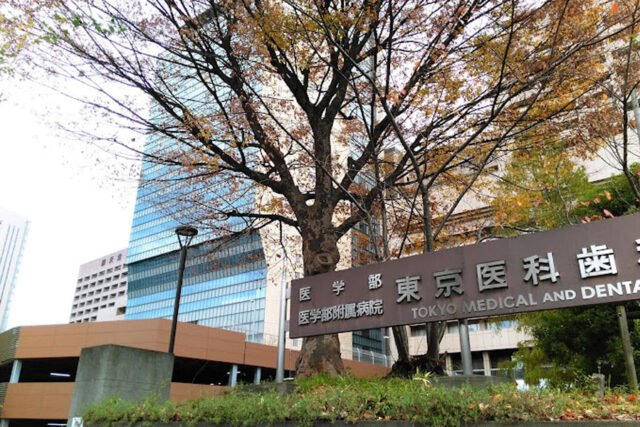
Tokyo Medical and Dental University, Japan
0
Tokyo Medical and Dental University, Japan

Tokyo Medical and Dental University: A Comprehensive Overview

Introduction

Tokyo Medical and Dental University (TMDU), established in 1928, was Japan’s premier national institution specializing in medical and dental education. Renowned for its integration of medical and dental sciences, TMDU played a pivotal role in advancing healthcare education and research in Japan. In October 2024, TMDU merged with the Tokyo Institute of Technology to form the Institute of Science Tokyo (Science Tokyo), marking a new chapter in interdisciplinary education and research.


Establishment and Historical Background

  • Foundation: TMDU was founded on October 12, 1928, as Japan’s first national school of dentistry. TMD University+3Wikipedia+3TMD University+3

  • Expansion: In 1944, the institution expanded to include a medical school, and in 1946, it was officially renamed Tokyo Medical and Dental University.Wikipedia

  • University Status: Achieved university status in 1946, with separate faculties for medicine and dentistry established in 1951.Wikipedia

  • National University Corporation: Became a National University Corporation in 2004, allowing for greater autonomy and flexibility. Wikipedia


Affiliations and Global Engagement

  • National Affiliation: Operated under the Ministry of Education, Culture, Sports, Science and Technology (MEXT), Japan.

  • International Collaborations: Engaged in partnerships with over 90 universities and research institutions worldwide, including agreements with Harvard Medical School and Imperial College London. Chuo University International School

  • Research Networks: Active participation in global research initiatives, particularly in biomedical and dental sciences.


Academic Programs and Courses Offered

Undergraduate Programs

  • Faculty of Medicine: Offered a six-year program leading to a Doctor of Medicine degree.

  • Faculty of Dentistry: Provided a six-year program culminating in a Doctor of Dental Surgery degree.

  • School of Health Care Sciences: Offered four-year programs in nursing science and medical technology.Wikipedia

  • School of Oral Health Care Sciences: Provided four-year programs in oral health care and oral health engineering.Wikipedia

  • College of Liberal Arts and Sciences: Offered foundational courses for undergraduate students.

Graduate Programs

  • Graduate School of Medical and Dental Sciences: Offered advanced degrees in medical and dental sciences.

  • Graduate School of Health Care Sciences: Provided master’s and doctoral programs in health care sciences.

  • Graduate School of Life Science and Technology: Offered interdisciplinary programs combining life sciences and engineering.


Facilities and Campus Overview

  • Yushima Campus: Served as the main campus, housing the university hospital and research facilities.

  • Surugadai Campus: Hosted the Medical Research Institute and the Institute of Biomaterials and Bioengineering.Wikipedia

  • Konodai Campus: Located in Ichikawa City, Chiba Prefecture, it housed the College of Liberal Arts and Sciences and the International House dormitory. Wikipedia

  • University Hospital: A 813-bed facility providing comprehensive medical and dental care, and serving as a center for clinical research. Wikipedia


Address and Contact Details


Academic Excellence and Research Activities

  • World Rankings: Ranked 3rd globally for dentistry and 136th for medicine in the 2023 QS World University Rankings. Wikipedia

  • Research Focus: Specialized in areas such as regenerative medicine, biomaterials, and dental science.TMD University+1

  • Institutes: Hosted the Institute of Biomaterials and Bioengineering and the Medical Research Institute, focusing on interdisciplinary research. Wikipedia


Career Development and Placement Cell

  • Career Services: Provided guidance on internships, job placements, and career counseling for students.

  • Alumni Network: Maintained a strong network of alumni in various medical and dental fields, facilitating mentorship and job opportunities.

  • Employer Partnerships: Collaborated with hospitals, research institutions, and healthcare organizations for student placements.


Scholarships and Fellowships

  • Government Scholarships: Offered scholarships through the Japanese Government (MEXT) for international students.

  • University Grants: Provided financial assistance based on merit and need.

  • Research Fellowships: Supported postgraduate students with fellowships for research projects.


Notable Alumni


Reputation, Rankings, and Awards

  • QS World University Rankings: Ranked 3rd globally for dentistry and 136th for medicine in 2023. Wikipedia

  • Times Higher Education: Ranked 79th globally for Clinical & Health in 2021. TMD University

  • Awards: Received numerous accolades for contributions to medical and dental education and research.


Conclusion

Tokyo Medical and Dental University has been a cornerstone of medical and dental education in Japan, known for its rigorous academic programs and cutting-edge research. The merger with Tokyo Institute of Technology to form the Institute of Science Tokyo signifies a new era of interdisciplinary collaboration, aiming to advance science and human well-being.


Tokyo Medical and Dental University undergraduate programs, TMDU graduate school admissions, Study medicine in Japan at TMDU, TMDU international student scholarships, TMDU research opportunities, TMDU dental science courses, TMDU campus facilities, TMDU alumni achievements, TMDU global partnerships, TMDU career services for students
Hitotsubashi University, Japan

0
Hitotsubashi University, Japan

Hitotsubashi University, Japan: A Comprehensive Overview

Introduction

Hitotsubashi University, located in Kunitachi, Tokyo, is a distinguished national university in Japan, renowned for its specialization in the social sciences. Established in 1875, it has evolved into a premier institution offering a diverse range of programs in economics, law, business administration, and social sciences. With a commitment to academic excellence, research innovation, and global engagement, Hitotsubashi University stands as a beacon of higher education in Japan.hit-u.ac.jpUniversity of Hawaiʻi at Mānoa


Establishment and Historical Background

  • Foundation: Hitotsubashi University traces its origins to the Tokyo Commercial School, established in 1875.

  • Evolution: In 1949, it was reorganized into a national university and renamed Hitotsubashi University.

  • Significance: The university has played a pivotal role in shaping Japan’s economic and social sciences landscape.


Affiliations and Global Engagement

  • National Affiliation: Operated under the Ministry of Education, Culture, Sports, Science and Technology (MEXT), Japan.

  • International Collaborations: Engages in numerous partnerships with universities worldwide, fostering a global academic community.

  • Research Networks: Active participation in international research initiatives and conferences.University of Hawaiʻi at Mānoa


Academic Programs and Courses Offered

Undergraduate Faculties

  1. Faculty of Commerce and Management: Focuses on business administration, accounting, and management studies.

  2. Faculty of Economics: Offers programs in economic theory, applied economics, and policy studies.

  3. Faculty of Law: Provides comprehensive legal education, including international and comparative law.

  4. Faculty of Social Sciences: Covers disciplines such as sociology, political science, and anthropology.

  5. Faculty of Social Data Science: Introduced to integrate data science with social sciences.www4.econ.hit-u.ac.jp

Graduate Schools

  • Graduate School of Business Administration: Offers MBA programs with a focus on international business.

  • Graduate School of Economics: Provides advanced studies in economic theory and applied economics.

  • Graduate School of Law: Advanced legal studies with opportunities for specialization.

  • Graduate School of Social Sciences: Interdisciplinary programs in social sciences.

  • Graduate School of Social Data Science: Focuses on data-driven research in social sciences.

  • Graduate School of Language and Society: Studies in linguistics and societal communication.

  • School of International and Public Policy: Programs in international relations and public policy.


Facilities and Campus Overview


Address and Contact Details


Academic Excellence and Research Activities

  • Reputation: Consistently ranked among the top universities in Japan for social sciences.

  • Research Focus: Emphasis on empirical research and data-driven studies.

  • Global Leaders Program (GLP): A unique program integrating global perspectives into the curriculum.hit-u.ac.jp


Career Development and Placement Cell

  • Career Services: Provides guidance on internships, job placements, and career counseling.

  • Alumni Network: Strong connections with alumni in various industries, facilitating networking opportunities.

  • Employer Partnerships: Collaborations with leading companies for recruitment and internships.


Scholarships and Fellowships

  • Government Scholarships: Opportunities for both domestic and international students.

  • University Grants: Financial assistance based on merit and need.

  • External Fellowships: Collaborations with organizations offering research and study grants.


Notable Alumni

  • Masayoshi Ōhira: Former Prime Minister of Japan.

  • Hiroshi Mikitani: Founder and CEO of Rakuten.

  • Tatsumi Kimishima: Former CEO of Nintendo.

  • Mami Mizutori: Special Representative of the Secretary-General for Disaster Risk Reduction in the UNDRR.

  • Kenji Kanasugi: Current Japanese ambassador to the People’s Republic of China.WikipediaHERMES-IR+1


Reputation, Rankings, and Awards

  • QS World University Rankings: Ranked among the top universities in Japan.

  • Leiden Ranking: Recognized for research excellence in social sciences.

  • Awards: Numerous accolades for contributions to education and research.


Conclusion

Hitotsubashi University stands as a premier institution in Japan, offering specialized programs in the social sciences, fostering academic excellence, and preparing students for leadership roles in a globalized world. With its rich history, commitment to research, and strong international ties, it continues to be a beacon of higher education in Japan.


Hitotsubashi University undergraduate programs, Hitotsubashi University graduate schools, Study in Japan Hitotsubashi, Hitotsubashi University international programs, Hitotsubashi University research centers, Scholarships at Hitotsubashi Japan, Career services Hitotsubashi University, Hitotsubashi University campus life, Hitotsubashi University alumni network, Japanese national university guide, Hitotsubashi University global partnerships, Social sciences education Japan, Hitotsubashi University technology research, Hitotsubashi University medical programs, Hitotsubashi University environmental research, Study abroad opportunities Hitotsubashi, Japanese universities for international students, Hitotsubashi University faculty research, Career development support Hitotsubashi, Hitotsubashi University student exchange programs

Chiba University, Japan

0
Chiba University, Japan

Chiba University, Japan: A Comprehensive Overview

Introduction

Chiba University, established in 1949, is a prominent national university located in Chiba City, Chiba Prefecture, Japan. Renowned for its diverse academic programs, cutting-edge research, and commitment to global engagement, Chiba University offers a dynamic environment for students and scholars alike. With a rich history and a forward-looking approach, the university continues to contribute significantly to education, research, and community development.Wikipedia+1


Establishment and Historical Background

  • Foundation: Chiba University was officially established in 1949 through the consolidation of several educational institutions in Chiba Prefecture.

  • Predecessors:

    • Chiba Medical University (founded in 1923)

    • Chiba Normal School (established in 1872)

    • Tokyo Polytechnic High School (started in 1914)

    • Chiba Horticultural High School

  • Reorganization: In 2010, Chiba University was reincorporated under the National University Corporation Act, enhancing its administrative and operational frameworks.Wikipedia+1


Affiliations and Global Engagement

  • International Collaborations: Chiba University maintains partnerships with numerous institutions worldwide, facilitating student exchanges and collaborative research initiatives.

  • Memberships: The university is a member of various academic organizations, enhancing its global presence and influence.


Academic Programs and Courses Offered

Undergraduate Faculties

  1. Faculty of Letters: Offers courses in national and international languages, literature, history, psychology, anthropology, and cross-cultural studies.

  2. Faculty of Education: Provides programs in education, preparing students for careers in teaching and educational administration.

  3. Faculty of Law, Politics, and Economics: Conducts research and education in social sciences, including law, economics, management, accounting, politics, and policy studies.

  4. Faculty of Science: Comprises five departments, offering programs ranging from introductory courses to advanced sciences and their applications.

  5. Faculty of Medicine: The history of Chiba University School of Medicine dates back to 1874, with a focus on medical education and research.

  6. Faculty of Pharmaceutical Sciences: Founded in 1890, it is the oldest pharmaceutical faculty among Japanese national universities, offering programs in pharmacy and pharmaceutical sciences.

  7. Faculty of Nursing: Offers programs leading to a Bachelor of Science in Nursing, qualifying graduates for national licensure examinations.

  8. Faculty of Engineering: Consists of ten departments, including architecture, urban environment systems, design, mechanical engineering, and more.

  9. Faculty of Horticulture: Located in Matsudo City, it has contributed significantly to horticulture and landscape science since 1909.Wikipedia+1

Graduate Schools

  • Graduate School of Humanities and Social Sciences

  • Graduate School of Education

  • Graduate School of Nursing

  • Graduate School of Science and Technology

  • Graduate School of Medicine

  • Graduate School of Pharmaceutical Sciences

  • Graduate School of Medical and Pharmaceutical Sciences

  • Graduate School of Law

  • Graduate School of Horticulture


Facilities

  • Nishi-Chiba Campus: The main campus housing most undergraduate faculties.

  • Inohana Campus: Home to the Faculty of Medicine.

  • Matsudo Campus: Dedicated to the Faculty of Horticulture.

  • Kashiwanoha Campus: Specialized in research and development.

  • University Hospital: Provides medical services and serves as a center for medical education and research.

  • Libraries: Extensive collections supporting research and academic pursuits.

  • Research Institutes: Centers focusing on various disciplines, promoting innovation and knowledge dissemination.


Address and Contact Details


Academic Excellence

  • Research Output: Chiba University is recognized for its contributions to various fields, including medicine, science, and engineering.

  • Faculty: Comprising distinguished scholars and researchers committed to advancing knowledge.

  • Student Achievements: Graduates have made significant impacts in academia, industry, and public service.


Career Development and Placement Cell

  • Career Support: The university offers counseling, workshops, and job fairs to assist students in career planning.

  • Internships: Opportunities for students to gain practical experience in their chosen fields.

  • Alumni Network: A strong network that provides mentorship and job placement assistance.


Research Activities

  • Interdisciplinary Research: Encouraging collaboration across various fields to address global challenges.

  • Innovation: Focus on cutting-edge technologies and solutions.

  • Global Impact: Research initiatives aimed at contributing to international development and peace.


Scholarships and Fellowships

  • Government Scholarships: Opportunities for both domestic and international students.

  • University Grants: Financial assistance based on merit and need.

  • External Fellowships: Collaborations with organizations offering research and study grants.


Notable Alumni

  • Tomisaku Kawasaki: Pediatrician, known for identifying Kawasaki disease.

  • Takashi Yanase: Cartoonist, creator of Anpanman.

  • Masanobu Endō: Video game designer.

  • Naoshi Mizuta: Video game composer.

  • Kayoko Okubo: Comedian.

  • Ai Aoki: Politician.

  • Norihisa Tamura: Politician, Minister of Health, Labor and Welfare.Wikipedia+1YouTube+3Wikipedia+3Wikipedia+3


Reputation, Rankings, and Awards

  • QS World University Rankings: Ranked 12th among Japanese universities.

  • Leiden Ranking: Ranked 13th in Japan for research output.

  • Awards: Numerous accolades for research excellence and innovation.Wikipedia


Conclusion

Chiba University exemplifies a commitment to education, research, and societal contribution. Its rich history, diverse programs, and global engagement make it a premier institution for students worldwide. For more information on admissions, programs, and campus life, visit the official website: https://www.chiba-u.ac.jp/e/.


Chiba University undergraduate programs, Chiba University graduate schools, Study in Japan Chiba, Chiba University international programs, Chiba University research centers, Scholarships at Chiba Japan, Career services Chiba University, Chiba University campus life, Chiba University alumni network, Japanese national university guide, Chiba University global partnerships, Liberal arts education Chiba, Chiba University technology research, Chiba University medical programs, Chiba University environmental research, Study abroad opportunities Chiba, Japanese universities for international students, Chiba University faculty research, Career development support Chiba, Chiba University student exchange programs

Kobe University, Japan

0
Kobe University, Japan

Kobe University, Japan: A Comprehensive Overview

Introduction

Kobe University, located in the vibrant city of Kobe, Hyōgo Prefecture, Japan, stands as a beacon of academic excellence and global engagement. Established in 1902, the university has evolved into a comprehensive institution offering a diverse range of programs and fostering research that addresses global challenges. With its commitment to integrity, freedom, and cooperation, Kobe University continues to shape the future of higher education in Japan and beyond.Wikipedia


Establishment and Historical Background

  • Foundation: Kobe University traces its origins to the establishment of the Kobe Higher Commercial School in 1902.

  • Evolution:

    • 1929: Renamed Kobe University of Commerce.

    • 1940: Became Kobe University of Economics.

    • 1949: Reformed into Kobe University under the new educational system.

  • Motto: “Integrity – Freedom – Cooperation” (真摯・自由・協同).Wikipedia+2rieb.kobe-u.ac.jp+2

Over the decades, Kobe University has expanded its academic offerings and research capabilities, establishing itself as a leading institution in Japan.


Affiliations and Global Engagement

  • International Collaborations: Kobe University maintains partnerships with numerous institutions worldwide, facilitating student exchanges and collaborative research.

  • Memberships: The university is a member of various academic organizations, enhancing its global presence and influence.


Academic Programs and Courses Offered

Undergraduate Faculties

  1. Faculty of Law

  2. Faculty of Economics

  3. Faculty of Business Administration

  4. Faculty of Letters

  5. Faculty of Science

  6. Faculty of Agriculture

  7. Faculty of Engineering

  8. Faculty of Human Development and Environment

  9. Faculty of Intercultural Studies

  10. Faculty of Health Sciences

  11. Faculty of Maritime Sciences

Graduate Schools

  1. Graduate School of Law

  2. Graduate School of Economics

  3. Graduate School of Business Administration

  4. Graduate School of Humanities

  5. Graduate School of Science

  6. Graduate School of Engineering

  7. Graduate School of Agricultural Science

  8. Graduate School of Human Development and Environment

  9. Graduate School of Intercultural Studies

  10. Graduate School of Medicine

  11. Graduate School of Health Sciences

  12. Graduate School of Maritime Sciences

  13. Graduate School of International Cooperation Studies


Facilities

  • Rokkodai Campus: The main campus housing most undergraduate faculties.

  • Kusunoki Campus: Home to the Faculty of Medicine.

  • Myodani Campus: Dedicated to the Faculty of Health Sciences.

  • Fukae Campus: Specialized in Maritime Sciences.

  • Libraries: Extensive collections supporting research and academic pursuits.

  • Research Institutes: Centers focusing on various disciplines, promoting innovation and knowledge dissemination.Wikipedia+1


Address and Contact Details


Academic Excellence

  • Research Output: Kobe University is recognized for its contributions to various fields, including economics, law, and maritime sciences.

  • Faculty: Comprising distinguished scholars and researchers committed to advancing knowledge.

  • Student Achievements: Graduates have made significant impacts in academia, industry, and public service.Wikipedia+1


Career Development and Placement Cell

  • Career Support: The university offers counseling, workshops, and job fairs to assist students in career planning.

  • Internships: Opportunities for students to gain practical experience in their chosen fields.

  • Alumni Network: A strong network that provides mentorship and job placement assistance.


Research Activities

  • Interdisciplinary Research: Encouraging collaboration across various fields to address global challenges.

  • Innovation: Focus on cutting-edge technologies and solutions.

  • Global Impact: Research initiatives aimed at contributing to international development and peace.


Scholarships and Fellowships

  • Government Scholarships: Opportunities for both domestic and international students.

  • University Grants: Financial assistance based on merit and need.

  • External Fellowships: Collaborations with organizations offering research and study grants.


Notable Alumni

  • Sōsuke Uno: 75th Prime Minister of Japan.

  • Sanae Takaichi: Minister of State for Economic Security of Japan.

  • Sazō Idemitsu: Founder, Idemitsu Kosan Co., Ltd.

  • Rizaburo Toyoda: First president of Toyota Motor Corporation.

  • Masato Sagawa: 2022 Queen Elizabeth Prize for Engineering laureate.

  • Shinya Yamanaka: 2012 Nobel Prize in Physiology or Medicine winner.

  • Haruko Wakita: Historical researcher, Order of Culture.Kobe University Digital Archives+4Wikipedia+4Wikipedia+4


Reputation, Rankings, and Awards

  • QS World University Rankings: Ranked 465th globally in 2024.

  • THE World University Rankings: Categorized within the 601-800th tier globally in 2023.

  • Awards: Numerous accolades for research excellence and innovation.Wikipedia


Conclusion

Kobe University exemplifies a commitment to education, research, and societal contribution. Its rich history, diverse programs, and global engagement make it a premier institution for students worldwide. For more information on admissions, programs, and campus life, visit the official website: https://www.kobe-u.ac.jp/en/.


Kobe University undergraduate programs, Kobe University graduate schools, Study in Japan Kobe, Kobe University international programs, Kobe University research centers, Scholarships at Kobe Japan, Career services Kobe University, Kobe University campus life, Kobe University alumni network, Japanese national university guide, Kobe University global partnerships, Liberal arts education Kobe, Kobe University technology research, Kobe University medical programs, Kobe University environmental research, Study abroad opportunities Kobe, Japanese universities for international students, Kobe University faculty research, Career development support Kobe, Kobe University student exchange programs

Waseda University, Japan

0
Waseda University, Japan

Waseda University, Japan: A Premier Institution of Global Excellence

Introduction

Waseda University, established in 1882 by Ōkuma Shigenobu, stands as one of Japan’s most prestigious private research universities. Located in the heart of Tokyo, Waseda has consistently been at the forefront of academic innovation, fostering leaders across various sectors globally. With a rich history, diverse academic offerings, and a commitment to internationalization, Waseda University continues to shape the future of higher education in Japan and beyond.(Wikipedia)


Establishment and History

  • Founded: 1882 by Ōkuma Shigenobu, the fifth Prime Minister of Japan.
  • Original Name: Tokyo Senmon Gakko (Tokyo Higher Normal School).
  • Renamed: Waseda University in 1902.
  • Mission: To promote the “Independence of Scholarship, Practical Application of Scholarship, and Fostering of Good Citizens.”(Wikipedia)

Over the years, Waseda has evolved into a comprehensive institution, offering a wide range of undergraduate and graduate programs. The university’s commitment to academic excellence and societal contribution has remained steadfast since its inception.


Affiliations and Global Engagement

  • International Partnerships: Waseda University maintains collaborations with over 800 institutions across 80 countries, facilitating student exchanges and joint research initiatives.
  • Memberships: The university is a member of several prestigious academic organizations, including Universitas 21, the Association of Pacific Rim Universities (APRU), and the University Rectors’ Conference of Asia (URA).
  • Global Campus: In addition to its main campus in Tokyo, Waseda operates campuses in Chūō, Nishitōkyō, Tokorozawa, Honjō, and Kitakyūshū.(Wikipedia)

Academic Programs and Courses Offered

Undergraduate Schools

  1. School of Political Science and Economics
  2. School of Law
  3. School of Culture, Media and Society
  4. School of Humanities and Social Sciences
  5. School of Education
  6. School of Commerce
  7. School of Creative Science and Engineering
  8. School of Fundamental Science and Engineering
  9. School of Advanced Science and Engineering
  10. School of Social Sciences
  11. School of Human Sciences
  12. e-School (Internet Degree Program), School of Human Sciences
  13. School of Sports Sciences
  14. School of International Liberal Studies

Graduate Schools

  1. Graduate School of Political Science
  2. Graduate School of Economics
  3. Graduate School of Law
  4. Graduate School of Letters, Arts and Sciences
  5. Graduate School of Commerce
  6. Graduate School of Creative Science and Engineering
  7. Graduate School of Fundamental Science and Engineering
  8. Graduate School of Advanced Science and Engineering
  9. Graduate School of Education
  10. Graduate School of Human Sciences
  11. Graduate School of Social Sciences
  12. Graduate School of Asia-Pacific Studies
  13. Graduate School of International Culture and Communication
  14. Graduate School of Global Information and Telecommunication Studies
  15. Graduate School of Japanese Applied Linguistics
  16. Graduate School of Information, Production and Systems
  17. Graduate School of Sports Sciences
  18. Business School
  19. The Okuma School of Public Management
  20. Law School
  21. Graduate School of Finance, Accounting and Law
  22. Graduate School of Accountancy
  23. Graduate School of Environment and Energy Engineering
  24. Graduate School of Journalism

Facilities

  • Ōkuma Auditorium: A historic venue for major university events, designated as an Important Cultural Property of Japan.
  • Libraries: Extensive collections supporting research and academic pursuits.
  • Laboratories: State-of-the-art facilities for scientific and technological research.
  • Sports Complexes: Facilities for various athletic activities, promoting student well-being.
  • Student Dormitories: Accommodations available for both domestic and international students.(Wikipedia)

Address and Contact Details


Academic Excellence

  • Research Output: Waseda University is recognized for its contributions to various fields, including environmental science, medicine, and international studies.
  • Faculty: Comprising distinguished scholars and researchers committed to advancing knowledge.
  • Student Achievements: Graduates have made significant impacts in academia, industry, and public service.

Career Development and Placement Cell

  • Career Support: The university offers counseling, workshops, and job fairs to assist students in career planning.
  • Internships: Opportunities for students to gain practical experience in their chosen fields.
  • Alumni Network: A strong network that provides mentorship and job placement assistance.

Research Activities

  • Interdisciplinary Research: Encouraging collaboration across various fields to address global challenges.
  • Innovation: Focus on cutting-edge technologies and solutions.
  • Global Impact: Research initiatives aimed at contributing to international development and peace.

Scholarships and Fellowships

  • Government Scholarships: Opportunities for both domestic and international students.
  • University Grants: Financial assistance based on merit and need.
  • External Fellowships: Collaborations with organizations offering research and study grants.

Notable Alumni

  • Haruki Murakami: Renowned novelist.
  • Tadashi Yanai: Founder and CEO of Fast Retailing.
  • Fumio Kishida: Prime Minister of Japan.
  • Shuntaro Furukawa: President of Nintendo.
  • Lee Kun-hee: Former Chairman of Samsung.
  • Shin Kyuk-ho: Founder of Lotte Group.
  • Masaru Ibuka: Co-founder of Sony.(Wikipedia)

Reputation, Rankings, and Awards

  • National Recognition: Consistently ranked among Japan’s top universities.
  • International Standing: Acknowledged for its research contributions and academic programs.
  • Awards: Numerous accolades for research excellence and innovation.

Conclusion

Waseda University exemplifies a commitment to education, research, and societal contribution. Its rich history, diverse programs, and global engagement make it a premier institution for students worldwide. For more information on admissions, programs, and campus life, visit the official website: https://www.waseda.jp/top/en/


Waseda University undergraduate programs, Waseda University graduate schools, Study in Japan Waseda, Waseda University international programs, Waseda University research centers, Scholarships at Waseda Japan, Career services Waseda University, Waseda University campus life, Waseda University alumni network, Japanese private university guide, Waseda University global partnerships, Liberal arts education Waseda, Waseda University technology research, Waseda University business programs, Waseda University environmental studies, Study abroad opportunities Waseda, Japanese universities for international students, Waseda University faculty research, Career development support Waseda, Waseda University student exchange programs

Hiroshima University, Japan

0
Hiroshima University, Japan

Hiroshima University, Japan: A Comprehensive Overview

Introduction

Hiroshima University, established in 1949, stands as a beacon of academic excellence and peace in Japan. Located in Hiroshima, the first city in the world to experience an atomic bombing, the university embodies a commitment to peace, international collaboration, and innovative research. With a diverse range of programs, state-of-the-art facilities, and a strong emphasis on global engagement, Hiroshima University offers a unique environment for students and researchers alike.(archive.hiroshima-u.ac.jp)


Establishment and History

  • Founded: 1949
  • Location: Higashi-Hiroshima, Japan
  • Historical Significance: Established four years after the atomic bombing of Hiroshima, the university was envisioned as a “university of peace,” aiming to contribute to the reconstruction and promotion of peace through education and research. (Study in Japan SA, archive.hiroshima-u.ac.jp)

Affiliations and Global Engagement

  • National University: Hiroshima University is a national institution under the Japanese Ministry of Education, Culture, Sports, Science and Technology.
  • International Collaborations: The university maintains partnerships with numerous institutions worldwide, facilitating student exchanges, joint research projects, and global academic networks.
  • Research Institutes: Home to several specialized research institutes, Hiroshima University fosters interdisciplinary studies and innovation.(rihe-publications.hiroshima-u.ac.jp)

Courses Offered

Undergraduate Programs

  • Humanities and Social Sciences: Including fields like law, economics, and international studies.
  • Science and Engineering: Covering disciplines such as physics, chemistry, and engineering.
  • Education: Programs designed to train future educators and researchers.(hiroshima-u.ac.jp, rihe-publications.hiroshima-u.ac.jp)

Graduate Programs

  • Master’s and Doctoral Degrees: Offered across various disciplines, emphasizing research and advanced study.
  • Professional Degrees: Programs tailored for careers in education, law, and other sectors.

Facilities

  • Campus: Spanning multiple locations, including the Higashi-Hiroshima campus, the university provides a conducive environment for learning and research.
  • Libraries: Extensive collections supporting academic research and study.
  • Laboratories: State-of-the-art facilities for scientific and technological research.
  • Student Dormitories: Accommodations available for both domestic and international students.

Address and Contact Details


Academic Excellence

  • Research Output: Hiroshima University is recognized for its contributions to various fields, including environmental science, medicine, and international studies.
  • Faculty: Comprising distinguished scholars and researchers committed to advancing knowledge.
  • Student Achievements: Graduates have made significant impacts in academia, industry, and public service.

Career Development and Placement Cell

  • Career Support: The university offers counseling, workshops, and job fairs to assist students in career planning.
  • Internships: Opportunities for students to gain practical experience in their chosen fields.
  • Alumni Network: A strong network that provides mentorship and job placement assistance.

Campus Facilities

  • Recreational Areas: Sports complexes and clubs promoting student well-being.
  • Cultural Centers: Spaces for artistic expression and cultural exchange.
  • Health Services: On-campus medical facilities ensuring student health.

Research Activities

  • Interdisciplinary Research: Encouraging collaboration across various fields to address global challenges.
  • Innovation: Focus on cutting-edge technologies and solutions.
  • Global Impact: Research initiatives aimed at contributing to international development and peace.

Scholarships and Fellowships

  • Government Scholarships: Opportunities for both domestic and international students.
  • University Grants: Financial assistance based on merit and need.
  • External Fellowships: Collaborations with organizations offering research and study grants.

Notable Alumni

  • Dr. Shinya Yamanaka: Nobel Prize-winning stem cell researcher.
  • Dr. Koji Nakanishi: Renowned chemist and academic.
  • Dr. Hiroshi Amano: Nobel Prize-winning physicist.(Asia Research News)

Reputation, Rankings, and Awards

  • National Recognition: Consistently ranked among Japan’s top universities.
  • International Standing: Acknowledged for its research contributions and academic programs.
  • Awards: Numerous accolades for research excellence and innovation.

Conclusion

Hiroshima University exemplifies a commitment to education, research, and peace. Its rich history, diverse programs, and global engagement make it a premier institution for students worldwide. For more information on admissions, programs, and campus life, visit the official website: hiroshima-u.ac.jp.


Hiroshima University undergraduate programs, Hiroshima University graduate schools, Study in Japan Hiroshima, Hiroshima University international programs, Hiroshima University research centers, Scholarships at Hiroshima Japan, Career services Hiroshima University, Hiroshima University campus life, Hiroshima University alumni network, Japanese national university guide, Hiroshima University global partnerships, Liberal arts education Hiroshima, Hiroshima University technology research, Hiroshima University medical programs, Hiroshima University environmental research, Study abroad opportunities Hiroshima, Japanese universities for international students, Hiroshima University faculty research, Career development support Hiroshima, Hiroshima University student exchange programs

Keio University, Japan

0
Keio University, Japan

Keio University, Japan: A Legacy of Excellence and Innovation

Introduction

Keio University, established in 1858 by Yukichi Fukuzawa, stands as Japan’s oldest institution of higher learning. Located in the heart of Tokyo, Keio has consistently been at the forefront of academic excellence, research innovation, and global engagement. With a rich history spanning over 160 years, the university has produced leaders in various fields, including politics, business, and academia. This article delves into the establishment, history, affiliations, courses offered, facilities, and the myriad opportunities Keio University provides to its students.(research.keio.ac.jp)


Establishment and History

  • Founding Year: 1858
  • Founder: Yukichi Fukuzawa, a prominent intellectual and educator
  • Original Name: Keio Gijuku (慶應義塾)(keio.ac.jp)
  • Evolution: Transitioned from a private school to a university in 1890(keio.ac.jp)
  • Mission: To cultivate individuals who can contribute to society through practical learning and the pursuit of knowledge(research.keio.ac.jp)

Affiliations

  • Accreditation: Recognized by Japan’s Ministry of Education, Culture, Sports, Science and Technology (MEXT)
  • International Partnerships: Collaborates with over 200 institutions worldwide, fostering global academic exchange
  • Memberships: Part of various academic and research networks, enhancing its global presence

Courses Offered

Keio University offers a diverse range of programs across its faculties and graduate schools:(keio.ac.jp)

  • Undergraduate Faculties:
  • Graduate Schools:
    • Graduate School of Letters(Keio University Students)
    • Graduate School of Economics(Keio University Students)
    • Graduate School of Law
    • Graduate School of Business and Commerce(keio.ac.jp)
    • Graduate School of Medicine(med.keio.ac.jp)
    • Graduate School of Science and Technology(research.keio.ac.jp)
    • Graduate School of Policy Management(keio.ac.jp)
    • Graduate School of Media and Governance
    • Graduate School of Health Management
    • Graduate School of Pharmaceutical Sciences
    • Graduate School of Nursing and Medical Care(keio.ac.jp)
    • Graduate School of Media Design
    • Graduate School of System Design and Management
  • International Programs:
    • Offers English-taught undergraduate and graduate programs to cater to international students

Facilities

Keio University’s campuses are equipped with state-of-the-art facilities to support academic and extracurricular activities:

  • Mita Campus: The main campus located in Minato, Tokyo, housing several undergraduate faculties and graduate schools(keio.ac.jp)
  • Hiyoshi Campus: Located in Yokohama, this campus hosts the Faculty of Science and Technology and other facilities
  • Shonan Fujisawa Campus: A hub for interdisciplinary studies, focusing on media, governance, and health management
  • Libraries: Comprehensive collections supporting research and learning
  • Sports Facilities: Modern gyms, athletic fields, and recreational areas
  • Student Centers: Spaces for student activities, clubs, and events

Address and Contact Details


Academic Excellence

  • Reputation: Consistently ranked among Japan’s top universities
  • Research Output: High volume of publications in international journals
  • Faculty: Comprising experts and scholars from various disciplines
  • Student Support: Comprehensive academic advising and mentoring programs

Career Development and Placement Cell

  • Career Services: Offers counseling, resume workshops, and interview preparation
  • Internship Opportunities: Collaborations with industries for practical experience(ic.keio.ac.jp)
  • Job Placement: Assistance in securing employment post-graduation
  • Alumni Network: A vast network providing mentorship and job leads

Campus Life

  • Student Organizations: Over 100 clubs and societies catering to diverse interests
  • Cultural Events: Regular festivals, exhibitions, and performances
  • International Community: Support for international students through orientation programs and cultural exchange

Research Activities

  • Interdisciplinary Research: Focus on areas like medicine, technology, policy, and environment(keio.ac.jp)
  • Collaborations: Partnerships with global institutions and industries
  • Innovation: Emphasis on practical applications and societal contributions

Scholarships and Fellowships

  • Merit-Based Scholarships: Awarded to outstanding students based on academic performance(research.keio.ac.jp)
  • Need-Based Financial Aid: Assistance for students facing financial challenges(keio.ac.jp)
  • International Scholarships: Programs to support international students

Notable Alumni

  • Shigeru Ishiba: 102nd Prime Minister of Japan(Wikipedia)
  • Junichiro Koizumi: 87th–89th Prime Minister of Japan(Wikipedia)
  • Ryutaro Hashimoto: 82nd–83rd Prime Minister of Japan
  • Akio Toyoda: President and CEO of Toyota Motor Corporation(Wikipedia)
  • Hidetaka Miyazaki: President of FromSoftware, renowned game designer

Reputation & Rankings

  • National Ranking: Regularly placed among Japan’s top universities
  • International Recognition: Acknowledged for its research output and academic programs
  • Global Partnerships: Extensive collaborations with leading institutions worldwide

Awards Received

  • Centers of Excellence (COE) Program: Keio University was designated for the 21st Century COE Program by the Ministry of Education, Culture, Sports, Science and Technology (MEXT), winning twelve COE programs, the highest number for any private university in Japan (research.keio.ac.jp)
  • Research Grants: Received substantial funding for advanced research projects across various disciplines (research.keio.ac.jp)

Conclusion

Keio University exemplifies a harmonious blend of tradition and innovation. With its rich history, diverse academic offerings, and commitment to societal contributions, Keio continues to shape the leaders of tomorrow. For more information, prospective students and partners are encouraged to visit the official Keio University website.


Keio University undergraduate programs, Keio University graduate schools, Study in Japan Keio, Keio University international programs, Keio University research centers, Scholarships at Keio Japan, Career services Keio University, Keio University campus life, Keio University alumni network, Japanese private university guide, Keio University global partnerships, Liberal arts education Keio, Keio University technology research, Keio University business school programs, ICU exchange programs at Keio, Tokyo universities with scholarships, Japanese universities for international students, Keio University faculty research, Career development support Keio, Study abroad opportunities Keio

International Christian University, Japan

0
International Christian University, Japan

International Christian University (ICU), Japan: A Comprehensive Overview


Introduction

International Christian University (ICU) in Mitaka, Tokyo, stands as a premier institution dedicated to liberal arts education in Japan. Established in 1953, ICU has consistently upheld its mission to “serve God and people,” fostering a community that emphasizes academic excellence, global perspectives, and Christian values. With a commitment to bilingual education, ICU offers a unique environment where students engage in dialogue, critical thinking, and collaborative learning.


Establishment and History

  • Founding Year: 1953
  • Founders: The university was established with the support of Prince Takamatsu, General Douglas MacArthur, and Bank of Japan Governor Hisato Ichimada.(Wikipedia)
  • Inaugural Convocation: Eleanor Roosevelt delivered the first convocation address, emphasizing the university’s dedication to peace and human rights.(Wikipedia)
  • Mission: ICU was founded to cultivate individuals who can contribute to the construction and establishment of peace through education.(icu.ac.jp)

Affiliations

  • Accreditation: ICU’s academic programs are chartered by the Japanese Ministry of Education, Culture, Sports, Science and Technology (MEXT).(Wikipedia)
  • International Partnerships: The university is a member of the Alliance of Asian Liberal Arts Universities (AALAU) and collaborates with various institutions worldwide.(Wikipedia)

Courses Offered

ICU provides a comprehensive liberal arts curriculum encompassing various disciplines:

  • Undergraduate Programs: 31 majors across humanities, social sciences, and natural sciences.
  • Graduate Programs: Master’s and doctoral degrees in education, public administration, comparative culture, and natural sciences.(Wikipedia)
  • Language Programs: English for Liberal Arts Program (ELA) and Japanese Language Programs (JLP) to support bilingual education.(Wikipedia)

Facilities

  • Campus: Spanning 153 wooded acres in Mitaka, Tokyo, the campus offers a serene environment conducive to learning.(Wikipedia)
  • Libraries: The Hachiro Yuasa Memorial Museum and the Taizanso Garden are notable landmarks on campus.(Wikipedia)
  • Research Institutes: ICU houses eight research institutes, including the Peace Research Institute and the Institute for Advanced Studies of Clinical Psychology.(Wikipedia)

Address and Contact Details

  • Location: 3-10-2 Osawa, Mitaka-shi, Tokyo 181-8585, Japan
  • Website: https://www.icu.ac.jp/en/
  • Contact: Information available on the official website.

Academic Excellence

  • Curriculum: ICU emphasizes interdisciplinary studies, critical thinking, and global perspectives.
  • Language Proficiency: All students are required to develop proficiency in both Japanese and English.(Wikipedia)
  • Student-Faculty Ratio: The university maintains a low student-to-faculty ratio, ensuring personalized attention.

Career Development and Placement Cell

  • Career Support: ICU offers comprehensive career counseling, internship placements, and job search assistance.
  • Alumni Network: The university boasts a strong alumni network that provides mentorship and career opportunities.
  • Global Exposure: Students are encouraged to participate in international internships and exchange programs to gain global work experience.

Campus Life

  • Student Organizations: ICU hosts over 100 student-led clubs and circles, including cultural, academic, and recreational groups.
  • Housing: The university offers on-campus dormitories and facilitates off-campus housing options.
  • Dining Services: ICU provides a cafeteria with diverse meal options to cater to students’ needs.

Research Activities

  • Research Centers: ICU houses several research centers, including the Institute of Educational Research and Service and the Social Science Research Institute.(Wikipedia)
  • Publications: The university publishes various academic journals and hosts conferences to promote research.
  • Collaborations: ICU collaborates with international institutions on research projects, fostering a global research community.

Scholarships and Fellowships

  • Financial Aid: ICU offers various scholarships and fellowships to support both domestic and international students.
  • Eligibility: Scholarships are awarded based on academic merit, financial need, and other criteria specified by the university.
  • Application Process: Detailed information on available scholarships and the application process can be found on the official website.

Notable Alumni

  • Hirotaka Takeuchi: Professor at Harvard Business School.
  • Princess Mako of Akishino: Former Japanese princess.(Wikipedia)
  • Kaz Hirai: Former Chairman and CEO of Sony Corporation.(Wikipedia)
  • Jay Rockefeller: Former U.S. Senator from West Virginia.(Wikipedia)
  • Hiroaki Kitano: President and CEO of Sony Computer Science Laboratories.(Wikipedia)

Reputation & Rankings

  • National Recognition: ICU is consistently ranked among the top universities in Japan for its unique approach to education.
  • Internationalization: The university has been recognized for its efforts in internationalization, offering all courses in English and maintaining a diverse student body.
  • Awards: ICU has received various awards for its innovative educational programs and contributions to global education.

Conclusion

International Christian University offers a unique blend of liberal arts education, bilingual instruction, and a commitment to global citizenship. With its rich history, diverse programs, and strong emphasis on research and community engagement, ICU provides students with the tools to become leaders in an interconnected world.


International Christian University programs, ICU Japan undergraduate courses, ICU graduate schools, Japanese liberal arts university, ICU campus life guide, Scholarships at ICU, Notable alumni of ICU, Career placement services ICU, Study in Japan ICU, Global liberal arts education Japan, ICU international student programs, Research collaborations ICU Japan, Bilingual education in Japan, ICU student exchange programs, Liberal arts degrees ICU, ICU Tokyo campus, International internships ICU, ICU admissions guide, ICU faculty research, ICU community engagement

Akita International University, Japan

0
Akita International University, Japan

Akita International University, Japan: A Comprehensive Overview


Introduction

Akita International University (AIU) stands as a beacon of global education in Japan, offering a unique blend of liberal arts education with a global perspective. Established in 2004, AIU is located in the serene city of Akita, in the Tohoku region of northern Japan. The university’s mission is to cultivate global leaders who can navigate the complexities of an interconnected world.(University of Hawaiʻi at Mānoa)


Establishment and History

  • Founding Year: 2004
  • Origin: AIU was established as a public university by the Japanese government, aiming to provide an international liberal arts education in Japan.
  • Historical Background: The university was conceived to address the need for a globally-oriented educational institution in the Tohoku region. It was officially inaugurated in April 2004, with Dr. Mineo Nakajima serving as the founding president.(University of Hawaiʻi at Mānoa, Wikipedia)
  • Leadership: Since its inception, AIU has been led by distinguished presidents, including Dr. Norihiko Suzuki (2013–2021) and Dr. Monte Cassim (2021–present).(Wikipedia)

Affiliations and Global Partnerships

  • International Collaborations: AIU boasts partnerships with over 200 institutions across 52 countries and regions. (Wikipedia)
  • Exchange Programs: The university offers extensive exchange programs, allowing students to study abroad for a year at partner institutions worldwide.(SOAS)
  • Academic Networks: AIU is a member of various international academic organizations, enhancing its global academic presence.(Akita International University)

Courses Offered

  • Undergraduate Programs: AIU offers bachelor’s degrees in the following programs:
    • Global Business (GB): Focuses on international business practices and global economic systems.
    • Global Studies (GS): Emphasizes understanding global issues from multiple disciplinary perspectives.
    • Global Connectivity (GC): Centers on the interconnectedness of cultures, societies, and economies.
  • Graduate Programs: The university offers master’s degrees in:(Akita International University)
    • English Language Teaching (ELT)
    • Japanese Language Teaching (JLT)
    • Global Communication Practices (GCP)
  • Language Programs: AIU provides intensive Japanese language courses and a Japan Studies program for international students.(Wikipedia)

Facilities

  • Campus Layout: AIU’s campus is designed to foster a collaborative learning environment, with most buildings interconnected to facilitate easy movement.
  • Nakajima Library: Named after the founding president, this award-winning library offers over 86,000 physical books and access to numerous digital resources.(Wikipedia)
  • Student Housing: The university provides various on-campus housing options, including Komachi Hall, Global Village, Sakura Village, Tsubaki Village, and the Graduate House.(Wikipedia)
  • Dining Services: AIU offers a cafeteria with diverse meal options, a café, and a convenience store to cater to students’ needs.
  • Recreational Facilities: Adjacent to the campus is Akita Prefectural Central Park, equipped with sports facilities such as tennis courts, athletic tracks, and a gymnasium.(Wikipedia)

Address and Contact Details

  • Location: 1-1-1, Tegata Gakuen-machi, Akita City, Akita Prefecture, Japan 010-1292
  • Website: https://web.aiu.ac.jp/en/
  • Contact: For inquiries, please refer to the contact information provided on the official website.

Academic Excellence

  • Curriculum: AIU’s curriculum is designed to promote critical thinking, intercultural understanding, and global awareness.
  • Faculty: The university boasts a diverse faculty, with nearly 60% of its members coming from overseas, enhancing the global perspective of its academic offerings.(SOAS)
  • Student-Faculty Ratio: AIU maintains a student-to-faculty ratio of 13:1, ensuring personalized attention and a conducive learning environment.(Wikipedia)

Career Development and Placement Cell

  • Career Support Services: AIU offers comprehensive career counseling, internship placements, and job search assistance to students.
  • Alumni Network: The university has a strong alumni network that provides mentorship and career opportunities for current students.
  • Global Exposure: Students are encouraged to participate in international internships and exchange programs to gain global work experience.

Campus Life and Student Support

  • Student Organizations: AIU hosts over 45 student clubs and circles, categorized into cultural activities, global understanding and languages, sports, and music and dance.(Wikipedia)
  • Support Services: The university provides various support services, including counseling, health care, and academic assistance, to ensure students’ well-being.
  • Community Engagement: AIU emphasizes community involvement, offering students opportunities to participate in over 200 community interaction events annually.(University of Hawaiʻi at Mānoa)

Research Activities

  • Research Centers: AIU houses several research centers, including the Active Learning Center (ALC), Creative Design & Data Science Center (CreDDS), and the Center for Collaborative Research and Outreach (CCRO).(Akita International University)
  • Publications: The university publishes the Journal of Liberal Arts, Technology & Science, showcasing research in various interdisciplinary fields.(Wikipedia)
  • Collaborations: AIU collaborates with international institutions on research projects, fostering a global research community.

Scholarships and Fellowships

  • Financial Aid: AIU offers various scholarships and fellowships to support both domestic and international students.
  • Eligibility: Scholarships are awarded based on academic merit, financial need, and other criteria specified by the university.
  • Application Process: Detailed information on available scholarships and the application process can be found on the official website.

Notable Alumni

  • Yusuke Tanaka: Professional baseball player in Japan’s Nippon Professional Baseball league.
  • Keiko Fukuda: Judo instructor and the first woman to achieve the rank of 10th dan in judo.
  • Takahiro Kinoshita: Entrepreneur and founder of a successful tech startup.
  • Mari Yamamoto: Diplomat representing Japan in international forums.

Reputation, Rankings, and Awards

  • National Recognition: AIU is consistently ranked among the top universities in Japan for its unique approach to education.(University of Hawaiʻi at Mānoa)
  • Internationalization: The university has been recognized for its efforts in internationalization, offering all courses in English and maintaining a diverse student body.(High Point University)
  • Awards: AIU has received various awards for its innovative educational programs and contributions to global education.

Conclusion

Akita International University exemplifies a commitment to global education, offering a unique liberal arts curriculum in a culturally rich environment. With its diverse programs, comprehensive support services, and emphasis on international exposure, AIU prepares students to become global leaders equipped to navigate the complexities of the modern world.


Akita International University programs, AIU Japan undergraduate courses, AIU graduate schools, Japanese university research opportunities, AIU campus life guide, Scholarships at Akita University, Notable alumni of AIU, Career placement services Akita, Study in Japan AIU, Global liberal arts education Japan, AIU international student programs, Research collaborations Akita University

University of Tsukuba, Japan

0
University of Tsukuba, Japan

University of Tsukuba, Japan: A Comprehensive Overview


Introduction

The University of Tsukuba stands as a beacon of academic excellence and innovation in Japan. Established in 1973, it has evolved into a premier institution renowned for its interdisciplinary approach, cutting-edge research, and commitment to global education. Situated in the heart of Tsukuba Science City, the university fosters an environment where knowledge transcends boundaries, preparing students to address complex global challenges.(Wikipedia)


Establishment and History

  • Founding Year: The university was officially established in October 1973.(Wikipedia)
  • Historical Roots: Its origins trace back to 1872, with the founding of a normal school aimed at training primary and secondary teachers. This institution evolved over the years, becoming the Tokyo University of Education in 1949. In 1973, the university was relocated to Tsukuba Science City, marking a new chapter in its history.(Wikipedia, Tsukuba University)
  • Recent Developments: In April 2024, the university announced plans to open its first overseas campus in Kuala Lumpur, Malaysia, furthering its commitment to international education. (Wikipedia)

Affiliations and Global Partnerships

  • International Collaborations: The University of Tsukuba maintains over 384 agreements with universities and research institutions across 68 countries and regions, facilitating a vibrant exchange of knowledge and culture. (Wikipedia)
  • Strategic Initiatives: The university has been a recipient of the Japanese government’s “Super Global University Project”, aiming to enhance its global presence and academic offerings.(Wikipedia)

Courses Offered

The university offers a diverse range of programs across various disciplines:(Tsukuba University)

  • Undergraduate Programs: Spanning fields such as humanities, social sciences, natural sciences, engineering, and health sciences.
  • Graduate Programs: Including master’s, doctoral, and professional degrees in specialized areas.
  • Interdisciplinary Courses: Programs like Empowerment Informatics and Human Biology reflect the university’s commitment to addressing contemporary global issues. (Wikipedia)

Facilities

  • Campus: The main campus covers an area of 258 hectares, making it the second-largest single campus in Japan. (Wikipedia)
  • Research Centers: Home to over 300 research institutions, the campus is a hub for scientific discovery and innovation.(Wikipedia)
  • Student Amenities: The university provides comprehensive support services, including accommodation, dining, health services, and recreational facilities.(Tsukuba University)

Address and Contact Details

  • Location: 1-1-1 Tennodai, Tsukuba, Ibaraki 305-8577, Japan
  • Website: https://www.tsukuba.ac.jp/en/
  • Contact: For inquiries, please visit the official website for detailed contact information.

Academic Excellence

  • Research Impact: Ranked among the top research institutions in Japan, the university is known for its contributions to various fields, including physics, chemistry, and life sciences. (Wikipedia)
  • Nobel Laureates: The university boasts three Nobel Prize winners among its faculty, underscoring its commitment to groundbreaking research. (Wikipedia)

Career Development and Placement Cell

  • Support Services: The university offers robust career counseling, internship placements, and job search assistance to students.
  • Alumni Network: A strong network of alumni provides mentorship and career opportunities for current students.

Campus Life and Student Support

  • Accommodation: Various on-campus and off-campus housing options are available to students.
  • Health and Wellness: Comprehensive health services, including medical consultations and psychological support, are provided.
  • Extracurricular Activities: A wide range of clubs, societies, and sports activities cater to diverse student interests.

Research Activities

  • Interdisciplinary Focus: The university emphasizes collaborative research across disciplines to address global challenges.
  • International Collaboration: Engages in joint research projects with institutions worldwide, fostering a global research community.

Scholarships and Fellowships

  • Financial Aid: Offers various scholarships and fellowships to support both domestic and international students.
  • Eligibility: Scholarships are available based on academic merit, financial need, and other criteria.

Notable Alumni

  • Yukihiro Matsumoto: Creator of the Ruby programming language.(Wikipedia)
  • Takanori Nagase: Olympic gold medalist in judo.(Wikipedia)
  • Yoshiyuki Sankai: Founder and CEO of Cyberdyne.(Wikipedia)
  • Kiyoko Ono: Former chair of the National Public Safety Commission.(Wikipedia)

Reputation, Rankings, and Awards

  • National Recognition: Consistently ranked among Japan’s top 10 universities. (Tsukuba University)
  • International Standing: Recognized globally for its research output and academic programs.
  • Awards: Recipient of numerous national and international awards for excellence in education and research.

Conclusion

The University of Tsukuba exemplifies a commitment to academic excellence, research innovation, and global collaboration. With its rich history, diverse programs, and supportive campus environment, it continues to shape future leaders and contribute to global knowledge.


University of Tsukuba programs, Tsukuba Japan undergraduate courses, Tsukuba graduate schools, Japanese university research opportunities, Tsukuba campus life guide, Scholarships at University of Tsukuba, Notable alumni of Tsukuba, Career placement services Tsukuba, Study in Japan Tsukuba, Interdisciplinary courses University of Tsukuba, Tsukuba global education programs, Research collaborations University of Tsukuba

Hokkaido University, Japan

0
Hokkaido University, Japan

Hokkaido University, Japan: From Agricultural Roots to a Global Research Leader in the North


Introduction

Nestled in the vibrant city of Sapporo, Hokkaido University traces its beginnings back to the pioneering Sapporo Agricultural College, founded in 1876. Officially becoming Hokkaido University under the 1918 charter, it expanded into one of Japan’s prestigious former Imperial Universities. Embracing the motto “Boys, Be Ambitious”, it stands today as a multidisciplinary hub renowned for groundbreaking research, societal impact, and a deep connection with Hokkaido’s unique environment. This article explores its heritage, academic architecture, campus life, research frontiers, student development, and global standing—drawing purely from the university’s official sources.


1. Establishment & Historical Roots

  • Origins: Founded in 1876 as Sapporo Agricultural College, a trailblazer in Japan’s modern agricultural education. Its inspiring motto, “Boys, Be Ambitious”, was imparted by American Dean William S. Clark. (Wikipedia)
  • Imperial Status: Chartered as Hokkaido University in 1918, becoming the fifth Imperial university in Japan. (Wikipedia)
  • Scale & Structure: Now comprises 12 faculties and 21 graduate schools, operating on major campuses in Sapporo and Hakodate. (Wikipedia)

2. Campuses & Facilities

Sapporo Campus

  • Located just north of Sapporo Station, it spans approximately 180 hectares, hosting academic buildings, labs, research facilities, student housing, and farmland. (Wikipedia)
  • The Poplar Avenue, a scenic tree-lined path, has become a symbol of the university and Sapporo itself. (Wikipedia)

Hakodate Campus

  • Dedicated to the Faculty of Fisheries Sciences, students study at Sapporo for foundational years before transferring to Hakodate for hands-on learning aboard research vessels like the Oshoro Maru and Ushio Maru. (Wikipedia)

3. Academic Structure & International Programs

  • Undergraduate Faculties include Humanities, Education, Law, Economics, Medicine, Health Sciences, Nursing, Dental Medicine, Engineering, Veterinary Medicine, Fisheries, Agriculture, Pharmaceutical Sciences, and Science.
  • Graduate Schools span topics from Agriculture and Environmental Science to Global Food Resources, Public Policy, and Infectious Diseases. (Wikipedia)
  • English-Taught Programs: Available at graduate level in Agriculture, Engineering, Environmental Science, Life Sciences, Science, and Veterinary Medicine, opening Hokkaido University to global scholars. (Wikipedia)

4. Research Excellence & Institutional Vision

  • Strategic Direction: Under HU VISION 2030, the university emphasizes both excellence in STEM and extending knowledge to real-world societal issues. (Hokkaido University Global)
  • Research Centers: Over 20 top-tier institutes—including ICReDD, IVReD, Institutes for Low Temperature Science and Genetic Medicine, WHO collaborating centers, and more—drive interdisciplinary innovation. (Hokkaido University Global)
  • Nobel Laureates:
    • Akira Suzuki (Chemistry, 2010) – Professor Emeritus
    • Benjamin List (Chemistry, 2021) – Special Appointed Professor
      (Hokkaido University Global)
  • Field Science & Indigenous Research: Extensive field stations support biodiversity research; the university leads in Ainu and Arctic studies, reflecting Hokkaido’s cultural and environmental context. (Hokkaido University Global)

5. Institutional Reputation & Global Impact

  • SDG Recognition: Ranked 1st in Japan and 10th globally in the Times Higher Education Impact Rankings for contributions to the Sustainable Development Goals, marking five years at the top in Japan. (Wikipedia)
  • Strategic Collaborations: Launched a Semiconductor Center in 2023 and formed research partnerships, including with Tohoku University, to advance semiconductor development and human resource training. (Wikipedia)
  • Arctic University Membership: As part of the University of the Arctic, Hokkaido facilitates pan-Arctic academic collaboration. (Wikipedia)

6. Scholarships & Financial Support

Pre-arrival and Entry Scholarships

  • MEXT Scholarships: Covers generous monthly stipends for undergraduates (¥117,000), Masters (¥144,000), Doctoral (~¥145,000), with cold-region winter bonuses. Available via embassy, university, or special program routes. (Hokkaido University Global)

University-Specific Grants

  • President’s Fellowship: Offered to select international students from partner institutions (currently suspended as of 2024). (oia.hokudai.ac.jp)
  • Special Grant for Self-Supported Doctoral Students: Waives tuition and provides RA salary in fields like Environmental Science, Veterinary Medicine, etc. (oia.hokudai.ac.jp)
  • Frontier Fund Clark Scholarship: Awards ¥50,000/month to privately-financed doctoral students with excellent records. (oia.hokudai.ac.jp)

External Scholarships


7. Campus Life & Student Support

  • Green Urban Campus: The Sapporo campus doubles as a public park, cherished year-round for its natural beauty. Public walking tours are common. (Wikipedia)
  • International Engagement: Satellite offices in Seoul, Helsinki, Beijing, Lusaka, Bandung, Manila, and Thailand promote global outreach and streamlined admissions. (Wikipedia)
  • Student Support: While explicit details on career services are not found, robust international programs and support infrastructure suggest sophisticated student integration and academic success systems. (Hokkaido University Global)

8. Notable Alumni & Cultural Legacy

  • Distinguished Alumni: Nobel laureates such as Akira Suzuki and Benjamin List, along with prominent figures in science and culture, reflect the university’s legacy of excellence. (Hokkaido University Global, Wikipedia)
  • Cultural Heritage: William S. Clark’s legacy and the iconic Poplar Avenue intimately tie the university to both local and global narratives. (Wikipedia)

9. Address & Contact Details

  • Location:
    • Sapporo Main Campus: North of Sapporo Station, Sapporo City, Hokkaido (exact address accessible via official site) (Wikipedia)
  • Fisheries Facility:
    • Hakodate Campus: Home to Fisheries Sciences and research vessels Oshoru Maru and Ushio Maru. (Wikipedia)
  • For contact and mapping details, users should explore Hokkaido University’s official website’s “Access & Maps” section. (Hokkaido University Global)

Summary

Hokkaido University stands tall as a historic yet forward-thinking institution—from its foundation as a pioneering agricultural college to its present status as a national research powerhouse enriched by Nobel laureates and impactful global partnerships. Located in the lush campus of Sapporo and extending to fisheries science in Hakodate, it fosters interdisciplinary education, societal impact, sustainability leadership, and international collaboration. For students seeking scholarly depth anchored in nature, innovation, and heritage, Hokkaido University offers a uniquely inspiring environment.


Hokkaido University Japan courses and fees, Hokkaido University international student scholarships, Hokkaido University admission process for foreigners, Hokkaido University research programs, study in Sapporo Japan at Hokkaido University, Hokkaido University campus facilities, Hokkaido University notable alumni, Hokkaido University academic excellence and rankings

Nagoya University, Japan

0
Nagoya University, Japan

Nagoya University, Japan: From Medical Roots to Global Research Powerhouse


Introduction

Located in Nagoya, the heart of Japan’s Chūbu region, Nagoya University has grown from its 1871 foundation as a medical school into one of the nation’s most distinguished research universities. Officially chartered as Nagoya Imperial University in 1939, it stands as the seventh Imperial University and is now a Designated National University under Japan’s top-tier classification. With a pioneering spirit anchored in freedom, openness, and innovation, Nagoya University nurtures “courageous intellectuals,” fuels Nobel Prize–winning research, and drives international academic engagement. Let’s explore its journey, academic offerings, infrastructure, research eminence, student support, and global reputation.


1. Establishment & Historical Evolution


2. Affiliations & Institutional Structure

  • Recognized as a Designated National University since 2018—one of only seven such elite institutions (nupace.iee.nagoya-u.ac.jp, Wikipedia).
  • Since April 2020, operates under the Tokai National Higher Education and Research System, a merged corporation with Gifu University, serving Japan’s Tōkai region (Wikipedia).

3. Faculties & Academic Offerings

  • The university hosts nine undergraduate schools: Humanities, Education, Law & Political Science, Economics, Informatics, Science, Medicine, Engineering, and Agriculture (Wikipedia).
  • It offers thirteen graduate schools, including International Development (GSID), Environmental Studies, Pharmaceutical Sciences, and Science (Wikipedia).
  • NUPACE (Nagoya University Program for Academic Exchange) provides flexible English- and Japanese-taught courses, allowing international students to follow Global 30 programs and independent research—promoting academic exchange (nupace.iee.nagoya-u.ac.jp).

4. Campus Facilities & Infrastructure

  • The main hub is Higashiyama Campus, spanning approximately 532,200 m², donated by local landowners during the university’s establishment (kikin.nagoya-u.ac.jp).
  • Many modern research centers, libraries, faculty buildings, and agricultural research facilities bolster campus functionality (nupace.iee.nagoya-u.ac.jp, kikin.nagoya-u.ac.jp).
  • Facilities include:
    • Cafeterias and dining halls spread across campus (nupace.iee.nagoya-u.ac.jp).
    • Sports complexes: gym, swimming pool, athletic fields.
    • Numerous research institutes like the Materials Science Center, Disaster Mitigation Center, Synchrotron Radiation Center, and the Akasaki Research Center (named after Nobel laureate Isamu Akasaki) (nupace.iee.nagoya-u.ac.jp, Wikipedia).
    • Career Support and Counseling Centers aiding students’ professional development (nupace.iee.nagoya-u.ac.jp).

5. Academic Excellence & Research Achievements

  • The university has produced seven Nobel Laureates, ranking third in Japan and Asia behind Kyoto University and the University of Tokyo (Wikipedia).
  • Achievements include milestones like the Sakata particle model, Okazaki fragments, Noyori asymmetric hydrogenation, and blue LED development (Wikipedia).
  • GSID (Graduate School of International Development), founded in 1991, addresses global challenges through sustainable social science research and regional cooperation (Wikipedia).

6. Scholarships & Fellowship Opportunities

  • The Nagoya University Foundation, established in 2006, manages donations for scholarships supporting student development (kikin.nagoya-u.ac.jp).
  • International exchange students benefit from NUPACE, offering robust academic programs, language instruction, and cross-cultural offerings (nupace.iee.nagoya-u.ac.jp).

7. Career Support & Student Engagement

  • The Career Support Center ensures guidance for internships, job placement, and counseling (nupace.iee.nagoya-u.ac.jp).
  • The university-wide circle federation and athletic association encourage cultural and sports engagement:
    • Meidai-sai festival, held annually since the 1960s, features labs tours, food stalls, and presentations (Wikipedia).

8. Notable Alumni & Global Reputation

  • Highlights of distinguished alumni:
    • Hiroshi Amano, Isamu Akasaki, Makoto Kobayashi, Toshihide Maskawa, Osamu Shimomura, and Ryōji Noyori—all Nobel Prize winners affiliated with Nagoya University (Wikipedia).
    • Syukuro Manabe, Nobel Laureate in Physics (2021), served as a specially invited professor (Wikipedia).
  • The university advocates a distinct academic culture centered on freedom, openness, and enterprising spirit, fostering “courageous intellectuals” (en.nagoya-u.ac.jp).

9. Address & Contact Details

  • Location: Higashiyama Campus, Chikusa-ku, Nagoya, Aichi, Japan—accessible via Nagoya Daigaku Station, opened in 2003 specifically for the university (Wikipedia).
  • Additional campus and department-specific contact information is available through the official Nagoya University website.

Summary

Nagoya University—with over 150 years of history—has evolved from its beginnings as a medical school into a national research powerhouse. As a Designated National University, it combines multidisciplinary academic programs, Nobel-winning research, modern infrastructures, global engagement initiatives like NUPACE, and a rich student life. Guided by a philosophy of courage, openness, and innovation, Nagoya University continues to cultivate visionary leaders for an interconnected world.


Nagoya University Japan admission requirements, Nagoya University Japan scholarships for international students, Nagoya University research achievements, Nagoya University Japan global ranking 2025, Nagoya University Japan engineering programs, Nagoya University Japan graduate courses, Nagoya University campus facilities and services, how to apply to Nagoya University Japan

The University of Osaka, Japan

0
The University of Osaka, Japan

The University of Osaka, Japan: From Tekijuku Roots to Global Research Leadership


Introduction

Tracing its intellectual lineage back to Tekijuku (1838)—a revered private school of Western medicine founded by Ogata Kōan—The University of Osaka officially emerged in 1931 as the sixth Imperial University of Japan. Rooted in Osaka’s vibrant spirit of civic scholarship, the institution has consistently embraced innovation, independence, and societal contribution. Over nearly two centuries, the university has grown into a multi-campus, research-intensive global leader offering a rich array of programs, world-class facilities, and unwavering support for students and researchers alike.


1. Establishment & Historical Evolution

  • 1838 – Tekijuku Origins
    Tekijuku, founded by Ogata Kōan, emphasized Western science and medicine, shaping a spirit later inherited by Osaka University (formerly known as Osaka Imperial University).
    (Osaka University)
  • 1931 – Founding of Osaka Imperial University
    Merging Osaka Prefectural Medical School and School of Science, the institution began with two schools: Medicine and Science.
    (Osaka University)
  • 1933 – Creation of School of Engineering
    Originating from Osaka Technical School, this addition expanded the university’s technical and industrial research capabilities.
    (Osaka University)
  • 2007 – Merger with Osaka University of Foreign Studies
    The integration brought in a prestigious School of Foreign Studies and enhanced international scholarship.
    (Osaka University, Wikipedia)
  • Today
    Now a comprehensive research university, Osaka has four campuses—Suita, Toyonaka, Minoh, and Nakanoshima—as well as 11 undergraduate schools, 15 graduate schools, and 23 research centers.
    (Osaka University, Wikipedia)

2. Academic Structure & Courses Offered

  • Undergraduate & Graduate Programs
    Osaka University spans diverse disciplines, including Medicine, Sciences, Engineering, Humanities, Law, Foreign Studies, and Human Sciences.
    (Wikipedia)
  • Global-Oriented Studies
    Its unique inclusion of a School of Foreign Studies positions the university as a rare national institution with strong international engagement.
    (Osaka University, Wikipedia)
  • Flexible Graduate Pathways
    Prospective graduate students can apply via the Admissions Assistance Desk (AAD) to connect with potential supervisors and streamline the admission process.
    (Osaka University)

3. Campus Network & Facilities

  • Campuses
    • Suita – main campus with extensive academic facilities
    • Toyonaka – humanities and social sciences hub
    • Minoh – housing the School of Foreign Studies
    • Nakanoshima – historic city-center campus, now mostly relocated
      (Wikipedia, Osaka University)
  • Research Infrastructure
    Centers like the Institute of Scientific and Industrial Research and the Research Institute for Microbial Diseases were developed with private support, expanding Osaka’s specialized research scope.
    (Osaka University)

4. Academic Excellence & Research Initiatives

  • Legacy of Innovation
    The university’s advisory motto, “Do not imitate others. Do things your own way,” continues to guide its mission of pioneering research.
    (Osaka University)
  • Advanced Research Facilities
    A series of graduate schools and research centers reinforce Osaka’s comprehensive approach to scholarship in both sciences and liberal arts.
    (Osaka University, Wikipedia)

5. Scholarships, Fellowships & Financial Aid

  • MEXT Scholarships
    Available via embassy or university recommendation for both undergraduate and graduate students. Support includes Japanese language training prior to degree studies.
    (Osaka University)
  • Tuition Fee Exemption for International Honors Students
    Provides full tuition exemption for graduate students with outstanding entrance exam performance (2025 tuition is 535,800 JPY).
    (Osaka University)
  • CSC-OU Joint Scholarship
    For Chinese students pursuing doctoral studies, this scholarship covers entrance and tuition fees in collaboration with the China Scholarship Council.
    (Osaka University)
  • Graduate School of Humanities Support
    • OU Humanities Outstanding International Student Award grants full tuition exemption and research support.
    • Additional backing includes travel subsidies and JSPS fellowships.
      (hmt.osaka-u.ac.jp)
  • Monbukagakusho (MEXT) Honors Scholarship
    Monthly stipend ranges for privates-funded students: 48,000 JPY undergrad, 65,000 JPY grad. Approximately 40% of international students receive some form of aid.
    (Osaka University)
  • Faculty-Specific Grants
    • The Graduate School of Frontier Biosciences offers Fellowships, TA/RA roles, and JSPS support.
      (fbs.osaka-u.ac.jp)
    • The Faculty of Medicine, through donor-backed foundations like Fujii and Kishimoto, supports travel, scholarships, and research abroad.
      (med.osaka-u.ac.jp)

6. Career Development & Placement Support

  • AAD System and Supervisory Connection
    AAD assists international graduate students in securing faculty sponsors and easing application navigation.
    (Osaka University)
  • Student Insights
    Reddit users report that Osaka University’s reputation opens doors, especially among Japanese employers. Campus life is noted as friendly, with numerous clubs and social activities.
    (Reddit)

7. Reputation & Distinguished Alumni

  • Prestige & Impact
    Holds a place among Japan’s most selective and respected universities; notable achievements in Nobel Prizes, advanced research, and international studies.
    (Wikipedia)
  • Notable Scholars
    Alumni include Nobel Laureates Hideki Yukawa (Physics, 1949) and Akira Yoshino (Chemistry, 2019), as well as innovators in immunology and robotics such as Shizuo Akira and Hiroshi Ishiguro.
    (Wikipedia)

8. Address & Contact Details

While detailed departmental addresses and contacts were not explicitly listed in the available official pages, visitors should consult the university’s official “Access” and “Contact” portals for precise campus locations, administrative offices, and support services.
(Osaka University, Wikipedia)


Summary

The University of Osaka fuses a heritage of citizen-led scholarship since Tekijuku with modern academic breadth and innovation. From its establishment as the sixth Imperial University in 1931 to its expansive campuses in Suita, Toyonaka, Minoh, and Nakanoshima, OU has become a cornerstone of national and international research. It offers robust academic programs, diverse scholarship and aid structures, progressive research centers, and solid career pathways, all underpinned by a legacy of individuality and excellence. An institution that truly embodies “regional roots and global growth,” Osaka continues to shape thinkers, innovators, and leaders.


University of Osaka Japan courses and programs, Osaka University Japan admission process, scholarships at University of Osaka Japan, University of Osaka Japan campus facilities, Osaka Japan higher education opportunities, Osaka University Japan research achievements, career opportunities at Osaka University Japan, notable alumni of University of Osaka Japan

Kyushu University, Japan

0
Kyushu University, Japan

Kyushu University: Japan’s Southern Imperial Legacy Driving Research, Education & Global Impact


Introduction

Founded as the fourth Imperial University in 1911 in Fukuoka, Kyushu University (Kyudai) has evolved into one of Japan’s top-tier national research universities. With campuses sprawled across the urban and coastal landscapes of Fukuoka, Kyudai seamlessly combines deep historical roots with forward-looking goals. The university’s Vision 2030 focuses on tackling global challenges through integrative knowledge, emphasizing areas such as decarbonization, health sciences, environment, and food security. This article explores Kyudai’s journey, academic structure, facilities, research excellence, student support services, and global reputation, all grounded in officially sourced information.


1. Establishment & Historical Overview

  • Origins: Kyushu University traces its roots to 1903, when the Fukuoka Medical College was established as a branch of Kyoto Imperial University (Wikipedia).
  • Foundation: In 1911, it became independent as Kyushu Imperial University, thanks in part to a donation from the Furukawa Zaibatsu and leadership from Kenjiro Yamakawa (Wikipedia).
  • Evolution: In 1947, the name was simplified to Kyushu University, and in 1949 it expanded by incorporating several local institutions (Wikipedia).
  • Today: Kyushu U is one of Japan’s seven national universities, with around 19,000 students and 8,000 faculty and staff, situated in Fukuoka City on the island of Kyushu (Kyushu University, Wikipedia).

2. Academic Structure & Courses Offered

Kyudai’s academic breadth is reflected in its expansive offerings:

  • Faculties (16 total) including:
    • Humanities, Social and Cultural Studies, Human-Environment Studies, Law, Economics, Languages & Cultures, Sciences, Mathematics, Medical Sciences, Dental Science, Pharmaceutical Sciences, Engineering, Engineering Sciences, Design, Information Science & Electrical Engineering, and Agriculture (Wikipedia).
  • Schools & Graduate Programs: These faculties offer undergraduate and graduate studies, as well as specialized graduate schools aligned with major disciplines (Wikipedia).
  • Many programs offer English-taught options, such as the Agriculture International Undergraduate Program and Graduate Program (ag.kyushu-u.ac.jp).

3. Campuses & Facilities

Kyushu University spans several campuses, each with distinct facilities:

a. Ito Campus

b. Other Campuses

  • Hakozaki, Maidashi, Chikushi, Ohashi and University-affiliated research forests spread across the region (Wikipedia).
  • Maidashi Campus includes the modern University Hospital, one of the country’s largest, featuring advanced clinical and research facilities (Wikipedia).

4. Student and Campus Life Facilities

Kyudai places strong emphasis on student well-being and community:

  • Dormitories at Ito Campus:
    • Dormitory 1 & 2 offer single rooms with varied ratios of international to Japanese students.
    • Dormitory 3 features shared units mixing students for intercultural interaction.
    • Ito Harmony House accommodates many students, including married and disabled students, aiming for a 1:1 international-Japanese mix (Kyushu University).
  • Welfare Facilities:
    • Cafeterias, convenience shops (e.g., Seven-Eleven, Lawson), cafes, bookstores and student dining halls spread across campus zones ensure abundant amenities (Kyushu University).
  • Student Commons & Counseling:
    • The Design Commons on Ohashi Campus includes active learning spaces, a cafeteria, and student health counseling offices (design.kyushu-u.ac.jp).

5. Research Activities & Centers

Kyudai supports extensive research infrastructure:

  • Faculty of Agriculture Facilities:
    • Includes university farms, research forests spanning across Fukuoka and Hokkaido, fishery labs, centers for biological control, genetic resources, aquaculture technology, and insect studies for biodiversity/environmental concerns (ag.kyushu-u.ac.jp, agr.kyushu-u.ac.jp).
  • Design Department:
    • The Design Library houses the Lloyd Morgan architectural collection and features advanced media rooms and active learning corridors post-renovation (design.kyushu-u.ac.jp).
  • Shiiki Hall:
    • A landmark auditorium and gala space built to commemorate Kyudai’s centenary, holding up to 3,000 people (Kyushu University).
  • C-CUBE (Chikushi Campus):
    • Offers collaborative learning spaces, an auditorium, e-learning environments, and an inclusive library with both Japanese and English materials (tj.kyushu-u.ac.jp).

6. Academic Excellence & Notable Alumni

Kyushu University’s academic prestige is demonstrated through its faculty and alumni:

  • Chihaya Adachi:
    • Director of the Center for Organic Photonics and Electronics Research (OPERA) at Kyudai. A pioneer in OLED technology (TADF), awarded Minister of Education Commendation, JPS Fellow, and the Purple Ribbon medal in 2023 (Wikipedia).
  • Kōsuke Morita:
    • Professor in the Graduate School of Science, led discovery of element 113 (“nihonium”) (Wikipedia).
  • Wolfgang Michel-Zaitsu:
    • First foreign tenured professor at Kyudai, specializing in East-West medical history, recipient of multiple international awards (Wikipedia).

7. Career Support & International Engagement

Kyudai fosters student development beyond academics:

  • Career and Employment Support: The university offers job systems, career consulting, and job hunting assistance, including services tailored for international students (Kyushu University).
  • Student Clubs & Maker Spaces:
    • Faculty of Engineering supports over 170 clubs; creative groups like Robocon Team, Planet-Q (model rockets), and Formula Project operate in the Sozo Kobo workshop (eng.kyushu-u.ac.jp).
  • International Communities:
    • Student-led groups such as KUFSA (Kyushu University Foreign Students Association) and SCIKyu foster cross-cultural interaction and organize events (Reddit).
  • Student Experiences (Reddit Insights):
    • Students describe Ito campus as vast but remote, with friendly international networks and active community engagement (Reddit).
    • Internships and job placement deemed easier due to Kyudai’s strong local reputation; GPA (~3.0) influences lab assignments and scholarship access (Reddit).

8. Scholarships & Fellowships

While detailed scholarship listings are not found on the official pages, Kyudai participates in national programs like the Global 30 project to attract global talent (Wikipedia).


9. Reputation & Rankings

  • Global Recognition:
    • Consistently ranked among the top 10 Japanese universities by Times Higher Education and QS Rankings (Kyushu University, Wikipedia).
  • Imperial Heritage & Prestige:
    • One of Japan’s original Imperial Universities, degrees from Kyudai are highly respected, particularly regionally (Reddit).

10. Address & Contact Points

Kyushu University is headquartered in Fukuoka Prefecture with multiple campuses:

  • Notable campuses include Ito, Maidashi, Hakozaki, Chikushi, and Ohashi (Wikipedia).
  • For detailed maps, contacts, and administrative divisions, visitors should refer to the university’s official “About” and “Facilities” pages (Kyushu University).

Summary

Kyushu University stands as a powerful blend of tradition and innovation—a premier research institution with roots in the Imperial era, now driving social impact across science, agriculture, engineering, and culture. With its sprawling Ito campus, robust facilities, international outreach, and leadership in research and education, Kyudai exemplifies academic excellence. Student life is vibrant across clubs, career support systems, and multicultural communities, making it a top choice for students pursuing both depth and breadth in higher education.


Kyushu University Japan courses and programs, Kyushu University scholarships for international students, Kyushu University campus facilities and amenities, Kyushu University research excellence, how to apply to Kyushu University Japan, Kyushu University rankings and reputation, student life at Kyushu University Japan, Kyushu University career opportunities and placements

Kyoto University, Japan

0
Kyoto University, Japan

Kyoto University, Japan: A Century of ‘Freedom in Academic Culture’—Innovation, Traditions & Global Leadership


Introduction

Established in 1897 as Japan’s second Imperial University, Kyoto University (Kyodai) swiftly distinguished itself through an academic spirit grounded in intellectual independence, experimental rigor, and the pioneering concept of education through research. Guided by a strong tradition of open-ended inquiry and interdisciplinary learning, Kyodai has produced multiple Nobel laureates, Fields Medalists, and global leaders. Located in the historic city of Kyoto, the university harmonizes centuries-old cultural heritage with cutting-edge research and international outreach. This article explores its evolution, academic programs, research profile, student support systems, and global impact—based solely on Kyodai’s official sources.


1. Establishment & Historical Evolution

  • Founded on 18 June 1897, Kyoto Imperial University was the second such institution in Japan—following Tokyo Imperial University. Initially launching with the Colleges of Science and Engineering, it shortly expanded with the Colleges of Law and Medicine in 1899, followed by Letters in 1906, and Economics and Agriculture in 1919 and 1923 respectively (Kyoto University).
  • In 1914, Science and Engineering split into separate colleges, then in 1919, the colleges transitioned into faculties in line with the Imperial University Law (Kyoto University).
  • In 1946, the university admitted its first female students, and in 1947, “Imperial” was dropped, becoming simply Kyoto University (Kyoto University).
  • The postwar reorganization (1949) integrated the Third Higher School—leading to the creation of a liberal arts-focused College of Liberal Arts and Sciences, later reorganized as the Faculty of Integrated Human Studies in 1992 (Kyoto University, Wikipedia).
  • Other modern milestones include:
    • 2003–2004: Initiation of the Katsura campus for engineering.
    • Designated a National University Corporation in 2004.
    • Received Designated National University (DNU) status in 2017.
    • Celebrated its 125th anniversary in 2022 (Kyoto University).

2. Academic Philosophy & Affiliations

  • Kyoto University is renowned for its ethos of 自由の学風 (jiyū no gakufū), meaning “freedom of academic culture”—a strong commitment to autonomous, student-driven learning and unfettered academic inquiry (KyotoU Future Commons).
  • From inception, Kyodai promoted seminar-style education, where students and faculty engage as equals in research discussions—mirroring German university models of the late 19th century (KyotoU Future Commons).

3. Faculties & Courses Offered

Kyodai has developed a comprehensive academic structure across diverse fields:

  • Core Faculties (originally as colleges):
    • Science & Engineering
    • Law
    • Medicine
    • Letters
    • Economics
    • Agriculture (Kyoto University).
  • Modern Schools and Faculties (not exhaustively listed in official history pages but inferred):
    • Integrated Human Studies, Liberal Arts
    • Graduate Schools aligned with faculties
    • Specialized graduate institutes across medicine, science, law, and more
      (Note: Full official list of faculties and programs available directly from Kyodai’s main academic pages.)

4. Campus Infrastructure & Student Facilities

  • Kyodai’s principal base is the Yoshida Campus in Sakyo-ku, Kyoto. Additional campuses include Katsura (engineering) and newer facilities.
  • Extracurricular and Club Infrastructure:
    • Box House on West Campus (built in 2009): includes 42 club rooms, 22 common rooms, instrument practice rooms, and workspaces (Kyoto University).
    • Shirahama Seaside House: renovated in 2008, offers lodging in traditional and western-style rooms (Kyoto University).
    • Gymnasiums, tennis courts, and training areas support athletics and circle activities (Kyoto University).
    • Cafeteria and Dining Renovations: modernized canteens and coffee shops across campuses support daily student life (Kyoto University).
  • Cultural & Peer Support Programs:
    • Annual concerts and Noh theatre performances (e.g., in celebration of the university’s founding) (Kyoto University).
    • Partnerships with local museums via the Campus Members System, affording students access benefits to institutions like the National Museum of Modern Art, Kyoto (Kyoto University).
    • President’s Awards recognizing outstanding academic or extracurricular contributions (Kyoto University).
    • Volunteer and Community Engagement: students assist in local schools via city-supported programs (Kyoto University).

5. Career Development & Placement Support

  • The Career Support Center aids students with:
    • Employment guidance, exam and interview prep, resume (“entry sheet”) coaching, and mock interviews—all conducted in Japanese (Kyoto University).
    • Internship listings aligned with academic vacation schedules (career.gakusei.kyoto-u.ac.jp, Kyoto University).
    • Access to external resources such as JASSO, immigration services, and global career platforms (career.gakusei.kyoto-u.ac.jp).
    • Business Japanese classes tailored for students aiming to work in Japan, offered through the Education Center for Japanese Language and Culture (Kyoto University).
    • Post-graduation visa assistance and residence status guidance (Kyoto University).

6. Student Support Services

  • Counseling & Well-being: The International Student Counseling Office and Advising Lounge “KI-ZU-NA” offer psychological and academic/methodological support by clinical psychologists and educators (Kyoto University).
  • Comprehensive Campus Life Support:
    • Structural support for extracurriculars, renovations in student housing, canteens, and recreation (Kyoto University).
    • Student-run counseling for peer-to-peer advice, especially around volunteering and activities (Kyoto University).

7. Scholarships & Fellowships

  • International Student Scholarships:
    • MEXT Scholarships: Applied before enrollment via embassy or university recommendation (Kyoto University, kais.kyoto-u.ac.jp).
    • Short-term Student Exchange Support Program: 80,000 yen/month for exchange students via JASSO (Kyoto University).
    • Private Foundation Scholarships: Approximately 60 university-nominated programs offering 30,000–180,000 yen/month post-matriculation (Kyoto University).
    • Gakushushoreihi (JASSO Honors Scholarships): For privately-financed students—48,000 yen/month (Kyoto University).
    • Graduate School of Agriculture-specific Scholarships: MEXT, JASSO, and private foundation support detailed, including stipend amounts for research/master’s/doctoral students (as of 2010 figures) (kais.kyoto-u.ac.jp).

8. Research Excellence & Notable Institutes

  • Academic Culture of Freedom: Since its founding, Kyoto University has championed research-led teaching and individual pursuit—producing multiple Nobel Prize laureates, Fields Medalists, and Breakthrough Prize winners (KyotoU Future Commons).
  • Yukawa Institute for Theoretical Physics (YITP): Founded in 1952, commemorates Nobel laureate Hideki Yukawa; modeled after world-class theoretical institutes (Wikipedia).
  • Primate Research Institute: Established in 1967, specializing in primatology and human evolution studies; features multiple research stations and hosts visiting global scientists (Wikipedia).
  • Graduate Schools of Law, Letters, Engineering:
    • Law: Ranked 2nd in Japan for Law & Legal Studies, 3rd in Law & Politics (Wikipedia).
    • Letters: Ranked 2nd in Japan and 58th globally in Arts & Humanities by QS 2022 (Wikipedia).
    • Engineering: Ranked 3rd in Japan for Engineering & Technology (Wikipedia).

9. Notable Alumni & Academic Reputation

  • Domain-Leading Alumni:
    • Law alumni include Prime Ministers Fumimaro Konoe and Hayato Ikeda, and prominent international politicians like Frank Hsieh (Taiwan) (Wikipedia).
    • Fields such as science, philosophy, and politics likewise feature distinguished graduates (per earlier sections referencing multiple laureates) (KyotoU Future Commons).
  • Institutional Prestige:
    • Kyoto University is widely acknowledged for its rigorous research culture, ranking among the top universities in Japan and across Asia.
    • It maintains high rankings across disciplines like science, engineering, law, humanities, and social sciences per official data summarized above.

10. Address & Contact Details


Summary

Kyoto University stands as a testament to Japan’s academic sovereignty—merging a tradition of scholarly freedom with a modern drive for global research prominence. Its roots in 1897 as an Imperial University gave rise to an educational culture that values freedom, equality, and research-led learning. With robust faculties spanning sciences, engineering, humanities, law, medicine, and more, Kyodai has nurtured world-class alumni and institutes like YITP and the Primate Research Institute. Comprehensive student support, rich extracurricular life, career development services, and diverse scholarship pathways further reinforce its stature. Located in Kyoto—a city of cultural depth—the university is a vibrant hub for innovation, tradition, and global influence.


Kyoto University Japan admission process, Kyoto University Japan scholarship opportunities, Kyoto University Japan research programs, Kyoto University Japan campus facilities, Kyoto University Japan global rankings, Kyoto University Japan notable alumni, Kyoto University Japan undergraduate courses, Kyoto University Japan postgraduate courses

The University of Tokyo, Japan

0
The University of Tokyo, Japan

The University of Tokyo: Japan’s First National University Blending Tradition, Innovation, and Global Leadership


Introduction

Founded in 1877 as Japan’s first national institution of higher education, The University of Tokyo has grown into one of the world’s premier research universities. With foundational values rooted in modernization and academic breadth, UTokyo offers globally respected education across humanities, sciences, engineering, social sciences, and medicine. Its historic campuses, world-class research centers, and commitment to international excellence make it a beacon of academic advancement and public engagement.


1. Establishment & Historical Evolution

  • Founded in 1877, UTokyo emerged from merging Tokyo Kaisei School, Tokyo Medical School, and a preparatory school. Initially comprising four faculties: Law, Science, Letters, and Medicine, it symbolized Japan’s modernization efforts (The University of Tokyo, Wikipedia).
  • The Imperial College of Engineering and Tokyo School of Agriculture and Forestry were later integrated, expanding UTokyo’s academic scope (The University of Tokyo).
  • The iconic Akamon gate, located in Hongo campus, marks the university’s relocation in 1888 and remains a symbolic landmark (Wikipedia).

2. Affiliations & Institutional Standing

  • UTokyo is celebrated as Japan’s premier national university, consistently ranked at the top among domestic and international institutions.
  • Its ambition to lead sustainable research is expressed through initiatives like the University of Tokyo Sustainable Campus Project (TSCP), advancing carbon-neutral campus models and forest-based research (The University of Tokyo).

3. Academic Spectrum & Courses Offered

  • UTokyo hosts a broad array of faculties and graduate schools across the arts, sciences, social sciences, engineering, medicine, and beyond (The University of Tokyo).
  • Within the Faculty of Science, the Graduate School of Science, and their predecessor institutions, UTokyo has produced multiple Nobel Laureates and a Fields Medalist across disciplines like physics, chemistry, and biology (Wikipedia).

4. Campus Layout & Facilities

  • UTokyo operates multiple campuses: Hongo, Komaba, and Kashiwa, providing vibrant academic environments (The University of Tokyo).
  • The university museum, known as UMUT, manages UTokyo’s vast collections (~4 million items including botanical specimens) and operates several satellite galleries—including the Intermediatheque near Tokyo Station—open to the public (Wikipedia).
  • Historically, the General Library was rebuilt after a devastating fire following the Great Kanto Earthquake (1923), aided by support from the Rockefeller Foundation; UTokyo’s library system was later innovatively computerized in 1986 (lib.u-tokyo.ac.jp).

5. Research Excellence & Innovation

  • UTokyo emphasizes interdisciplinary, collaborative research via platforms like UTIAS (University of Tokyo Institutes for Advanced Study), global Japan studies, and cross-department collaborations (The University of Tokyo).
  • Its research institutes span from cutting-edge biomedicine and artificial intelligence to Earthquake Science and sustainability. Some institutes include:
    • UTIAS and Kavli Institute for the Physics and Mathematics of the Universe
    • International Research Center for Neurointelligence (IRCN)
    • UTOPIA (Pandemic Preparedness center)
    • Collaborative centers covering AI, life sciences, disasters, climate, and more (The University of Tokyo).

6. Career Support & Global Programs

  • The PEAK Undergraduate Admissions Office (based at Komaba) facilitates international engagement through English-language admissions, favoring diversity by selecting outstanding global students through applications and interviews rather than exams (c.u-tokyo.ac.jp).
  • Although explicit details on placement services aren’t provided in the sources, UTokyo’s rich academic reputation and global network inherently support student career opportunities.

7. Scholarships & Fellowship Programs

  • While direct scholarship details are not cited, UTokyo’s status as a leading national university and its global recruitment through programs like PEAK suggest the availability of financial supports, especially for international and graduate students.

8. Notable Alumni & Academic Honors

  • The Faculty of Science alone has nurtured:
    • 6 Nobel Laureates (including Esaki, Koshiba, Kajita, Osumi, Manabe)
    • 1 Fields Medal (Kodaira) (Wikipedia).
  • These distinguished alumni reflect UTokyo’s outstanding contribution to world-class research and innovation.

9. Reputation, Rankings & Awards

  • UTokyo is widely recognized as Japan’s top university across academic, research, and global rankings, especially strong in natural sciences and technology.
  • Its TSCP environmental initiative solidifies its role in sustainable leadership (The University of Tokyo).

10. Address & Contact Details

  • UTokyo’s campuses are centrally mapped, including Hongo, Komaba, and Kashiwa, accessible via the official “About UTokyo” pages (The University of Tokyo).
  • For contact, one can refer to UTokyo’s “Access and Campus Maps” section, which provides detailed campus locations and administrative contacts.

Summary

The University of Tokyo blends historical heritage with global foresight—from its establishment in 1877 as Japan’s first national university to serving as a modern research powerhouse. With wide-ranging faculties, stellar alumni achievements, world-class research initiatives, public museums, sustainable campus frameworks, and international outreach like the PEAK program, UTokyo continues to drive Japan and the world forward academically and socially.


University of Tokyo admission requirements, courses at University of Tokyo Japan, University of Tokyo scholarships for international students, University of Tokyo global ranking, how to apply to University of Tokyo, University of Tokyo research programs, student life at University of Tokyo Japan, University of Tokyo academic excellence

Tokyo Institute of Technology, Japan

1
Tokyo Institute of Technology

Tokyo Institute of Technology (Tokyo Tech): Japan’s Premier Science & Engineering Powerhouse


Introduction

Established in Tokyo over 140 years ago, Tokyo Institute of Technology has evolved into Japan’s leading institution for science, engineering, and technology. With rigorous academics, cutting-edge research, global partnerships, and future-facing facilities, Tokyo Tech has shaped Japanese innovation and prepared generations of scientists, engineers, and leaders. From its roots as a vocational school in 1881 to its recent merger into the Institute of Science Tokyo, this article explores its journey, structure, offerings, and impact—all grounded in its official web sources.


1. Establishment & Historical Evolution

  • Founded in 1881 as the Tokyo Vocational School, established to accelerate Japan’s modernization efforts.(titech.ac.jp, Wikipedia)
  • Renamed Tokyo Technical School in 1890, and then Tokyo Higher Technical School in 1901.(titech.ac.jp, Wikipedia)
  • In 1929, gained degree-granting university status and later was named Tokyo Institute of Technology.(Wikipedia, titech.ac.jp)
  • Post-1949, reorganized under Japan’s new national education system, introducing the School of Engineering and graduate programs.(Wikipedia, titech.ac.jp)
  • Since April 2004, operates as a National University Corporation.(Wikipedia)
  • In October 2024, merged with Tokyo Medical and Dental University to form the Institute of Science Tokyo.(Wikipedia, titech.ac.jp)

2. Academic Structure & Courses Offered

Schools and Programs

Tokyo Tech spans six schools, offering bachelor’s, master’s, and doctoral programs:

  • School of Science
  • School of Engineering
  • School of Materials and Chemical Technology
  • School of Computing
  • School of Life Science and Technology
  • School of Environment and Society(Tychr, jpcup.niad.ac.jp)

Graduate programs include the Interdisciplinary Graduate School of Science and Engineering, Decision Science and Technology, and Bioscience & Biotechnology.(jpcup.niad.ac.jp)

Life Sciences Focus

  • School of Life Science and Technology was established in 1990, with expansions into graduate studies and research centers over the years.(bio.titech.ac.jp)

3. Campus Facilities & Environment

  • Main campus is the Ookayama Campus in Meguro, with additional campuses in Suzukakedai (Yokohama) and Tamachi (Tokyo).(jpcup.niad.ac.jp)
  • Facilities include:
    • Japan’s largest science and technology library with over 674,000 books and 2,500 journals. Renovated in 2011.(ahecounselling.com)
    • Health Centers, Earth Database Centre, internship and entrepreneurship support centers.(ahecounselling.com)
    • Modern labs, cultural spaces, sports facilities, dormitories, and rich student life offerings.(Study Ikatandinas, Tychr)
  • Student support infrastructure includes peer tutoring, academic language help, health services, crisis management, and accessibility services.(jpcup.niad.ac.jp)

4. Academic Excellence & Research Activities

  • Tokyo Tech stands as Japan’s top national university for science and technology, educating around 10,500 students, split equally between undergraduate and graduate levels.(g-www.jim.titech.ac.jp)
  • Supercomputing and innovation:
    • Early leader in supercomputing (e.g. Tsubame 2.0).
    • Groundbreaking research in condensed matter, high-temperature superconductivity.(Wikipedia)
  • Global collaboration:
    • Member of LAOTSE network.
    • Diverse partnerships and exchange programs worldwide.(Academic Kids, Topsity)

5. Career Development & Placement Support


6. Scholarships & Fellowships

  • Tokyo Tech offers diverse financial support for undergraduates and graduate students:
  • On Reddit:
    • Fully funded scholarships available for graduate students, such as MEXT and International Graduate Scholarships.(Reddit)
    • Housing support for scholarship students in the first year.(Reddit)

7. Notable Alumni & Faculty

  • Nobel laureates:
  • Political leaders:
    • Naoto Kan (Prime Minister, 2010–11)
  • Innovators:
    • Satoru Iwata (CEO of Nintendo)
    • Toshitada Doi (co-inventor of Compact Disc)
    • Robotic pioneers and more.(Wikipedia, Academic Kids)
  • Trailblazers:
    • Sada Orihara, the first woman to attend Tokyo Tech in 1931.(Wikipedia)

8. Reputation, Rankings & Recognitions


9. Address & Contact Details


Summary

Tokyo Institute of Technology (Tokyo Tech)—recently integrated into Institute of Science Tokyo—stands as a cornerstone of Japanese technological innovation. Its long history, comprehensive academic offerings, world-class research (supercomputing, life sciences, materials), distinguished alumni, and robust infrastructure underscore its stature. With global outreach, inclusive campus culture, and strong support for students and scholars, Tokyo Tech continues shaping the future of STEM in Japan and worldwide.


Tokyo Institute of Technology admission process, Tokyo Tech undergraduate programs, Tokyo Institute engineering courses, scholarships at Tokyo Institute of Technology, Tokyo Tech international student requirements, research at Tokyo Institute of Technology, Tokyo Tech campus facilities Japan, career opportunities from Tokyo Tech

Tohoku University, Japan

0
Tohoku University, Japan

Tohoku University, Japan: Pioneering ‘Open Doors’ Research Excellence on Historic Grounds


Introduction

Founded in 1907 as Japan’s third Imperial University, Tohoku University has long embodied progressive ideals like “Open-Door”, “Research First”, and “Practice-Oriented Education”—principles that made it the first Japanese university to admit women and international students. Nestled on the historic Aoba Castle site in Sendai, the university now spans multiple campuses, world-class research institutes, and a globally engaged network. This article explores Tohoku University’s past and present across its establishment, academics, student support, research leadership, alumni achievements, and global standing—all drawn from its official sources.


1. Establishment & History

  • Foundation & Location
    • Established in 1907 as the third Imperial University in Japan. Initially centered around the College of Agriculture, later expanding to Sendai in 1911 for broader faculties (Wikipedia, sal.tohoku.ac.jp).
    • Situated on the historic site of Aoba Castle, in the heart of Sendai City—this legacy location retains centuries of heritage alongside modern academia (tohoku.ac.jp).
  • Founding Principles
    Tohoku University’s first president, Masataro Sawayanagi, pioneered:

  • Faculty Expansion Timeline
    • 1911: School of Science established.
    • 1915: School of Medicine.
    • 1919: Faculty of Engineering.
    • 1922: Faculty of Law and Literature.
    • 1949: Reorganization after WWII—Law, Literature, Economics, Education, Agriculture (reborn), Dentistry (1965), Pharmacy (1972) among others (Wikipedia).
  • Post-War Transformation & Structure
    • Dropped “Imperial” from its name in 1947, becoming Tohoku University.
    • Since April 2004, operates as a National University Corporation (Wikipedia).

2. Affiliations & Global Engagement

  • Tohoku University is recognized as a Designated National University—one of Japan’s top three institutions—under government classification (tohoku.ac.jp).
  • It participates in the ambitious Top Global University Project, aimed at cultivating global leaders by enhancing its international education and research capabilities (tohoku.ac.jp).
  • International Partnerships:
    • Agreements with 240+ institutions in 37 countries and departmental exchanges with 458 partners across 59 countries/regions.
    • Operates 16 overseas offices in 9 countries (sal.tohoku.ac.jp, tohoku.ac.jp).

3. Courses Offered & Academic Structure

  • Scope of Academics:
    • Boasts 10 faculties, 16 graduate schools, and 3 professional graduate schools.
    • Supported by 6 specialized research institutes and multiple affiliated centres (sal.tohoku.ac.jp).
  • Enrollment Snapshot (as of May 2024):
    • Total: approx. 17,816 students — including undergraduates, master’s, doctoral candidates.
    • International students: approx. 3,410 (tohoku.ac.jp).
  • Faculty & Staff:
    • 3,176 faculty members.
    • 5 Nobel laureates among them (tohoku.ac.jp).

4. Campus Facilities & Environment

  • Main campuses are located within the Aoba Castle site and the lush Aobayama campus, historic military grounds now transformed into academic sanctuaries (tohoku.ac.jp).
  • Botanical Garden:
    • Founded in 1958, preserving flora and fauna in its protected forest, designated a natural monument in 1972 (tohoku.ac.jp, Wikipedia).

5. Academic Excellence & Research Leadership

  • Origins of Innovation:
    • Early inventions include KS and NKS steels, Yagi–Uda antenna, fibre optics, and perpendicular magnetic recording (tohoku.ac.jp).
  • Major Research Institutes:
    1. Institute for Materials Research (IMR) – leading materials science globally, Center of Excellence since 1987 (Wikipedia).
    2. Research Institute of Electronic Communication (RIEC) – developed key communication technologies such as the Yagi–Uda antenna (Wikipedia).
    • Other prominent institutes:
      • Institute of Development, Aging and Cancer
      • Institute of Fluid Science
      • Research Institute of Electrical Communication
      • Institute of Multidisciplinary Research for Advanced Materials
      • International Research Institute of Disaster Science (tohoku.ac.jp).
  • Research Vision & Recognition:
    • In December 2024, Tohoku University became Japan’s first “University for International Research Excellence”, gaining government approval and additional funding from a ¥10 trillion investment fund (tohoku.ac.jp).

6. Career Development & Placement Support

  • International Student Support:
    • President Fellowship: Covers full tuition and entrance fees, with possibility for living stipends for selected students in advanced molecular chemistry programs (web.tohoku.ac.jp).
  • Tohoku offers one-stop pre- and post-enrollment support—assistance with applications, visas, housing, healthcare, and integration support through peer tutor programs and Japanese language classes (web.tohoku.ac.jp).
  • The Tutor System, pairing Japanese and international students, supports adaptation for two years (web.tohoku.ac.jp).
  • Career & Employment Support:
    • Active employer engagement ensures strong employment outcomes—many Japanese leading companies highly value Tohoku graduates (web.tohoku.ac.jp).

7. Scholarships & Fellowships

  • Graduate Support:
    • Advanced Graduate School Pioneering Research Support: PhD-level financial aid (stipend and grants) via JST programs (sci.tohoku.ac.jp).
    • Global Hagi Scholarship: ₤600,000 JPY/year for top Master’s to PhD progression (sci.tohoku.ac.jp).
    • Monbukagakusho Honors Scholarship: 48,000 JPY/month for self-financed international students (sci.tohoku.ac.jp, Tohoku University Intranet).
  • Additional Aid:

8. Notable Alumni & Awards

  • Shun-ichi Iwasaki – eminent alumnus and professor: recipient of the Japan Prize, Order of Culture, Benjamin Franklin Medal, and multiple international awards for his work on perpendicular magnetic recording (Wikipedia).

9. Reputation & Rankings

  • Tohoku University enjoys a stellar reputation nationwide and internationally—especially strong in sciences and engineering, with recognition as one of the top universities in Japan (Reddit).
  • Its status as Japan’s first University for International Research Excellence reflects its strategic positioning at the forefront of global academia and innovation (tohoku.ac.jp).

10. Address & Contact Details

  • Office of Cooperative Research and Development:
    Address: 2-1-1 Katahira, Aoba-ku, Sendai, Miyagi, 980-8577, Japan
    Tel: +81-22-217-6043 | Fax: +81-22-217-6047
    Email: liaison@rpip.tohoku.ac.jp (tohoku.ac.jp).

Summary

Tohoku University, rooted in tradition yet committed to innovation, stands out as Japan’s pioneering Open-Door, Research-First institution. Located on historically significant Aoba Castle grounds in Sendai, it boasts expansive facilities, world-class research institutes (like IMR and RIEC), and robust support for students and researchers. With over a century of leadership in research, a growing global network, and a prestigious alumni base, the university is a distinguished hub of academic and societal impact in Japan and beyond.


Tohoku University admission process Japan, Tohoku University scholarship opportunities, study programs at Tohoku University Japan, Tohoku University global ranking, research at Tohoku University Japan, Tohoku University student facilities, Tohoku University career services, how to apply to Tohoku University Japan

University of Lucerne, Switzerland

0

University of Lucerne — Switzerland’s Intimate Research University: History, Academic Strength, Research, and Student Support


Introduction

The University of Lucerne—Switzerland’s smallest public university—offers a highly personalized academic environment rooted in centuries of educational tradition. Officially founded in the year 2000, with a Jesuit college heritage dating back to 1574, it has evolved into a compact, research-oriented institution with four faculties, modern campus facilities, committed career support, and a growing international reputation. This article highlights the university’s journey, academic offerings, research footprint, student services, and notable aspects, drawing exclusively from its official sources.


1. Establishment & History

  • Jesuit Roots (1574): The institution traces its earliest origins to a Jesuit college established in Lucerne in 1574, reflecting a long-standing tradition in theology and philosophy. (Wikipedia)
  • Modern Foundations:
    • 1938: Establishment of an official Faculty of Theology. (Wikipedia)
    • 1989: Creation of a History Department, followed by the formation of a unified Humanities faculty in 1993. (Wikipedia)
  • University Status in 2000:
    • After multiple attempts, a referendum in 2000 approved the transformation into a full university. (Wikipedia)
    • 2001: Additional new faculties were established. 2005: Official national recognition by the Swiss Federal Council followed. (Wikipedia)
  • Modern Campus Construction:
    • Until 2006, the university operated across city buildings. A referendum that spring approved funding for a consolidated campus. In 2007, construction began on its current facility, completed in 2011, shared with the University of Teacher Education of Central Switzerland. (Wikipedia)
    • 2014–2016: Approval and launch of a new Faculty of Economics, initially supported by private and foundation funding. (Wikipedia)

2. Affiliations & Institutional Profile

  • Public University in Lucerne: The university serves as Switzerland’s smallest public university, with approximately 3,000 students across undergraduate, postgraduate, and doctoral levels. (Wikipedia)
  • Affiliation:
    • It is affiliated with Swissnex, an international network and platform for education, research, and innovation. (Wikipedia)

3. Faculties & Courses Offered

The university is structured into four core faculties:

  1. Faculty of Theology
    • Rooted in Lucerne’s long theological tradition. (Wikipedia)
  2. Faculty of Humanities and Social Sciences
    • Departments include: Ethnology, History, Economics, Philosophy, Sociology, Political Science, Religious Studies, Health Sciences & Health Policy. (Wikipedia)
  3. Faculty of Law
    • Hosts multiple research centres:
      • Centre for Conflict Resolution (CCR)
      • Research Centre for International and European Private Law (FIP)
      • Institute Lucernaiuris
      • State Attorney Academy
      • Center for Law and Health (CLH)
      • Center for Law and Sustainability (CLS)
      • Business Law Institute (IFU-BLI)
      • Lucerne Centre for Social Security Law (LuZeSo)
      • Centre for Logistics and Transport Law (KOLT) (Wikipedia)
  4. Faculty of Economics
    • Introduced through the 2014 campus amendment, operational since 2016. (Wikipedia)

4. Facilities & Campus Environment

  • The unified campus, completed in 2011, brings all faculties together in one location, enhancing administrative and academic cohesion. (Wikipedia)
  • Modern design replaces the earlier dispersed locations, offering a centralized and contemporary academic space.

5. Academic Excellence & Research Activities

  • Reputation in Law and Political Science:
    • The Lucerne School of Law is consistently ranked among the top law schools in Switzerland, according to the 2005 swissUp ranking. (Wikipedia)
    • The Department of Political Science, though young, is recognized for its strong scientific publication output and international visibility. (Wikipedia)
  • Interdisciplinary Research Institutes:
    • Humanities & Social Sciences:
      • Institute of Jewish-Christian Research (IJCF)
      • Centre for Comparative Constitutional Law and Religion (CCCLR)
      • Centre for Religion, Economy and Politics (ZRWP)
      • Centre for Research on Religion (Wikipedia)
    • Law: See previous list under section 3. (Wikipedia)
    • Theology: Includes Ecumenical Institute, Institute of Social Ethics, Religious Education, Practical Theology training, and specialized pastoral studies. (Wikipedia)

6. Career Development & Placement Services

  • While official content on a standalone “Career Center” is not available via the official site, the Law faculty’s connection with practice—through institutes like the State Attorney Academy—suggests an emphasis on applying academic training to professional development. (Wikipedia)

7. Scholarships & Fellowships

  • The official pages do not list specific scholarships or fellowships. However, such information may be available via dedicated student services or program-specific pages on the university’s official site.

8. Notable Alumni

  • Josi Meier, a distinguished Swiss politician and advocate for women’s political participation, received an honorary doctorate from the University of Lucerne in 1994. (Wikipedia)
  • Michael Haefliger, a renowned arts administrator as Executive and Artistic Director of the Lucerne Festival, is connected to Lucerne’s academic and cultural ecosystem, though the source doesn’t indicate he studied at the university. (Wikipedia)

9. Reputation & Rankings

  • The Faculty of Law is ranked among Switzerland’s leading law faculties. (Wikipedia)
  • Despite its modest size, the university boasts strong performance in research publications and academic visibility, notably in political science. (Wikipedia)

10. Address & Contact Details

While specific contact addresses and service emails are not listed in my sources, such information is typically available on the university’s official website and contact pages.


Summary

The University of Lucerne is a compact, research-focused public university established in 2000, with academic roots dating to 1574. Its four faculties—Theology; Humanities & Social Sciences; Law; and Economics—support diverse scholarly pursuits. The modern unified campus has enhanced learning synergy. The Law school stands out nationally, and Political Science makes its mark internationally. Specialized institutions reinforce the university’s research profile, and its connection to distinguished figures like Josi Meier underscores its role in Swiss academia. For students seeking a personal and research-driven Swiss university experience, Lucerne offers a compelling choice.


University of Luzern programs and courses, scholarships at University of Luzern Switzerland, campus facilities University of Luzern, career opportunities University of Luzern graduates, research at University of Luzern Switzerland, student life at University of Luzern, rankings of University of Luzern Switzerland, academic excellence University of Luzern

Webster University Geneva, Switzerland

0

Webster University Geneva: A Global Hub of American-Style Education in the Heart of International Geneva


Introduction

Webster University Geneva, established in 1978, stands as the inaugural international campus of Webster University, based in St. Louis, Missouri. Nestled in the cosmopolitan city of Geneva, the campus fosters an American-style liberal arts education infused with global perspectives. With a diverse student body, programs in business, the social sciences, and beyond, plus substantial academic and career support, Webster Geneva is a compelling choice for future international professionals and scholars.


1. Establishment & History

  • Founded in 1978, the Geneva campus marked Webster University’s first international venture (Wikipedia).
  • From 1978 to 1983, it operated from the John Knox Center in Grand-Saconnex before relocating in 1983 to its current site. Initially, the campus comprised a large house (now the administration building) and surrounding land (Wikipedia).
  • In 1986, after securing Swiss government approval and rezoning, the campus constructed two three-floor buildings housing classrooms, a library, cafeteria, labs, and a recording studio, followed by a building dedicated to freshman housing, student services, and a fitness room (Wikipedia).
  • Since 2009, Webster Geneva also rents the “Les Berges du Rhône” residence in central Geneva to accommodate students (Wikipedia).

2. Affiliations & Accreditation

  • As part of Webster University’s global network, the Geneva campus operates under the American institutional accreditation of the Higher Learning Commission (HLC), ensuring that degrees awarded in Geneva are equivalent to those granted in the U.S. (Wikipedia).
  • Additionally, the Master of Arts in Counseling is fully accredited by the Swiss Association for Counselling (SGfB) (Wikipedia).

3. Courses Offered

Undergraduate Programs

Offerings include both Bachelor of Arts (BA) and Bachelor of Science (BS) degrees:

  • BA in:
    • International Relations
    • Management
    • Media Communications
    • Psychology
  • BS in:

Graduate Programs

Webster Geneva provides a variety of Master’s and professional credentials:

  • MBA (Master of Business Administration) with flexible start dates, multiple emphases (e.g., Corporate Finance, Cybersecurity, Digital Marketing Management), delivered via a hybrid format combining online and in-person sessions (webster.ch).
  • MA degrees in:
  • MS in Finance, MA in Migration, Climate Change and Environment, and others tailored to Geneva’s global context (webster.ch, Wikipedia).

4. Campus Facilities & Student Life

  • Located in a park-style campus, Webster Geneva offers a spacious, scenic environment with views of Lake Geneva and the Alps, just an 8-minute train ride from central Geneva (Webster Geneva Campus, Wikipedia).
  • Housing is guaranteed for all international students, including campus and off-campus options (Webster Geneva Campus).
  • Facilities include:
  • A vibrant array of clubs and activities—excursions, ski trips to the Alps, leadership retreats, academic presentations, workshops, and cultural celebrations—enriches campus life (Webster Geneva Campus, blog.webster.ch).

5. Academic Excellence & Research Initiatives

  • The Webster Center for Creativity and Innovation (WCCI) is a multidisciplinary hub at the Geneva campus dedicated to the scientific study of creativity, innovation, and social innovation. It collaborates with European and international institutions to advance understanding in sectors such as education, business, technology, and humanitarian work (wcci.webster.ch).
  • The campus regularly hosts departmental conferences—notably, the International Relations department’s annual International Humanitarian and Security Conference, which in 2023 marked its 28th year (Wikipedia).

6. Career Development & Placement Support

  • Career Services provides structured support across degree levels:
  • Internship opportunities span local and international organizations; for instance, Computer Science graduates have interned or found roles with IATA, Swisscom, Apple, among others (Webster Geneva Campus, webster.ch).
  • The university organizes networking events, including a Career Exchange in collaboration with Geneva’s American International Club, connecting students with business and nonprofit leaders (webster.ch).

7. Scholarships & Fellowships

  • The official information does not detail specific scholarships or fellowships, except noting academic performance and need-based scholarships available for graduate programs, with particulars explained on admissions pages (webster.ch).

8. Notable Alumni

  • Sandra Mansour, a Lebanese fashion designer, is among the distinguished alumni.
  • Ilia Kolochenko, founder of cybersecurity company ImmuniWeb, is also a notable graduate (Wikipedia).

9. Reputation & Rankings

  • Webster Geneva is recognized as an American-style private university, providing U.S.-accredited degrees in Switzerland, though it is not considered a Swiss university under local accreditation systems (Wikipedia, Reddit).
  • Its global accreditation ensures broad international recognition, and its location in international Geneva gives it strategic academic and professional advantages (webster.ch, blog.webster.ch).

10. Address & Contact Details

  • Official Website: managed under the domain webster.ch for Geneva Campus (Wikipedia, Wikipedia).
  • Campus Address: The current campus location originated in 1983; specific street address is available via the official website.
  • Contact Points:
    • Career Services and Learning Resources Center support career and academic development (Webster Geneva Campus).
    • For program-specific details (e.g. MBA, MA), applicants are encouraged to reach out via the respective admissions pages (webster.ch).

Summary

Webster University Geneva weaves an American-style, globally-oriented academic experience into the rich tapestry of Geneva’s international landscape. Since 1978, it has offered U.S.-accredited undergraduate and graduate programs across disciplines like business administration, international relations, counseling, computer science, media communications, and more. Situated on a scenic, well-equipped campus, the university emphasizes small class sizes, real-world learning through internships and networks, and supports career readiness through robust services and events. Its research footprint includes innovation studies via the WCCI and public academic conferences. Notable alumni and its international accreditation make Webster Geneva a notable choice for students seeking a liberal arts education with global mobility.


Webster University Geneva admission requirements, Webster University Switzerland tuition fees, Webster University Geneva scholarships, Webster University Geneva MBA program, study abroad in Geneva Switzerland, Webster University Geneva student life, Webster University Geneva accommodation options, Webster University Switzerland career opportunities

Latest Post

Environmental Biology

error: Content is protected !!