
Home Blog Page 5

Japan Advanced Institute of Science & Technology, Japan

0
Japan Advanced Institute of Science & Technology

Japan Advanced Institute of Science & Technology (JAIST): Pioneering Graduate Education in Science & Technology

Introduction

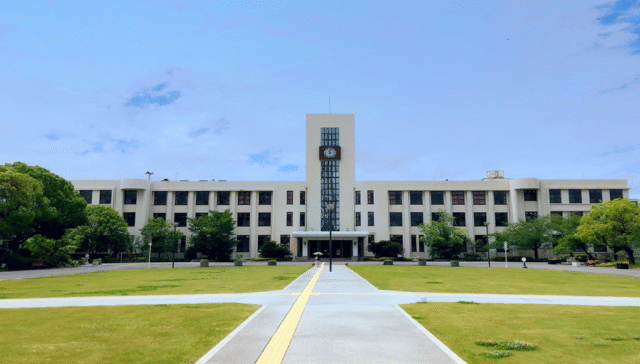
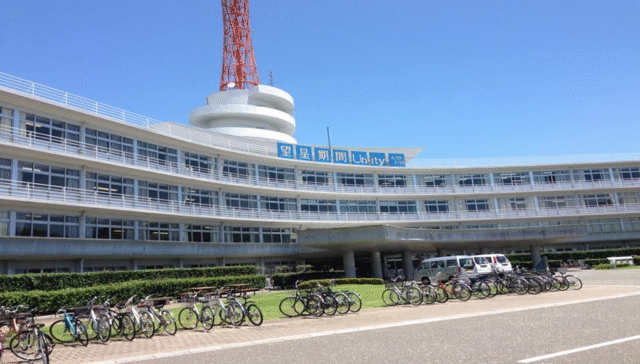
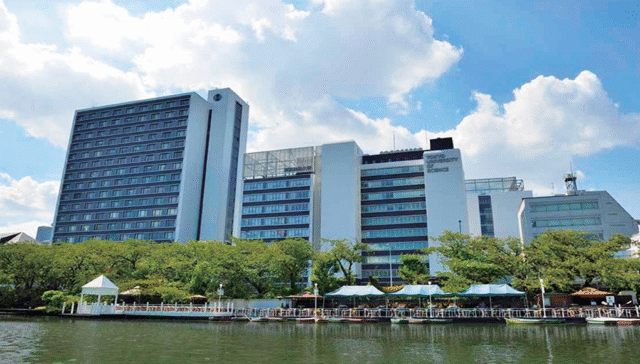
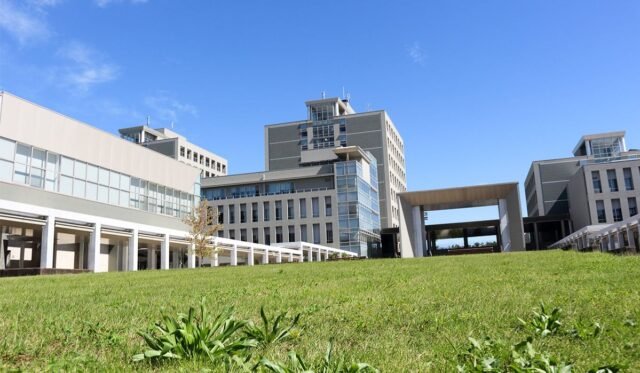
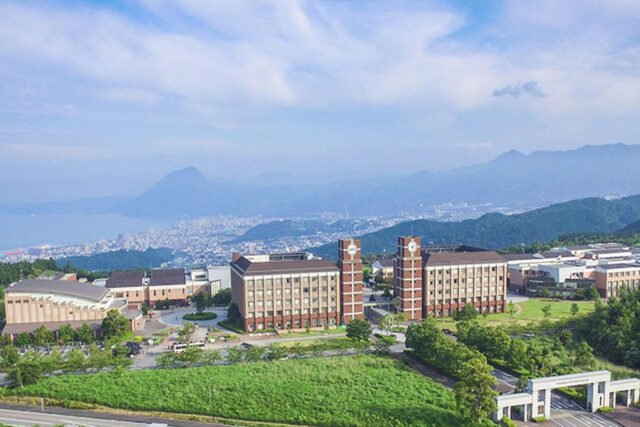
Japan Advanced Institute of Science & Technology (JAIST) is one of Japan’s most distinctive institutions—a postgraduate-only national university dedicated to advanced studies in science and technology. Located amidst the tranquil Ishikawa Science Park in Nomi, Ishikawa Prefecture, JAIST fosters interdisciplinary innovation and research-intensive learning. With a mission to “Open the New Frontiers of Science and Technology”, it draws students and faculty globally and empowers them through flexible, systematized graduate education. (Wikipedia)


1. Establishment & Evolution

  • Founded: October 1990, making JAIST Japan’s first university dedicated exclusively to graduate education (Wikipedia).
  • Origins: Established by Japan’s Ministry of Education to create a highly focused research-intensive institution in the Hokuriku region (Wikipedia).
  • Milestones:
    • 1991: Graduate School of Materials Science established.
    • 1992–2002: Launch of successive research centers such as the Center for Knowledge Science, Internet Research Center, and Venture Business Laboratory.
    • 2004: Reorganized as a National University Corporation (Wikipedia).

2. Academic Structure & Programs

JAIST features a graduate-only system with no undergraduate programs. It comprises several advanced schools:

  • Graduate School of Information Science
  • Graduate School of Materials Science
  • Graduate School of Knowledge Science
  • Graduate School of Advanced Science and Technology (since 2016) (Wikipedia).

Research Areas (as of April 2022):

  • Human Life Design
  • Knowledge Management
  • Security & Networks
  • Intelligent Robotics
  • Entertainment Technology
  • Energy & Environment
  • Materials Chemistry
  • Applied Physics
  • Bio-science & Biotechnology (Wikipedia).

Both Master’s (2–3 years) and Ph.D. (3 years) programs are offered across all divisions (Wikipedia).


3. Campus & Facilities

Situated in a serene suburban setting:

  • Main Campus: Located in Ishikawa Science Park, Nomi, Ishikawa Prefecture (Wikipedia).
  • Satellite Campus: Tokyo (Shinagawa), previously Tamachi, offering adult and satellite courses (Wikipedia, Wikipedia).
  • Campus Facilities include:
    • Lecture and research buildings for Information, Knowledge, and Materials Science.
    • Research centers like Nano Materials & Tech, Venture Business Lab, Innovation Plaza.
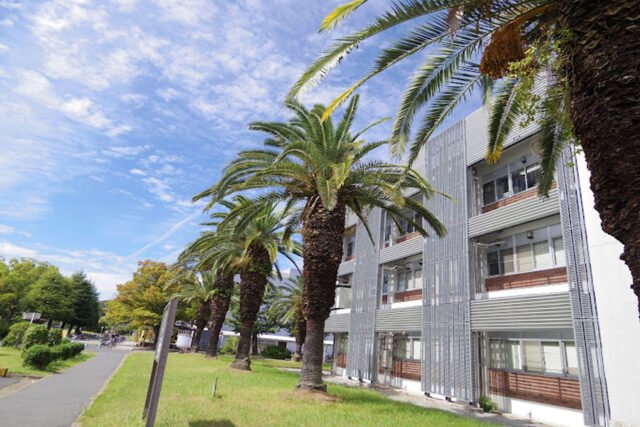
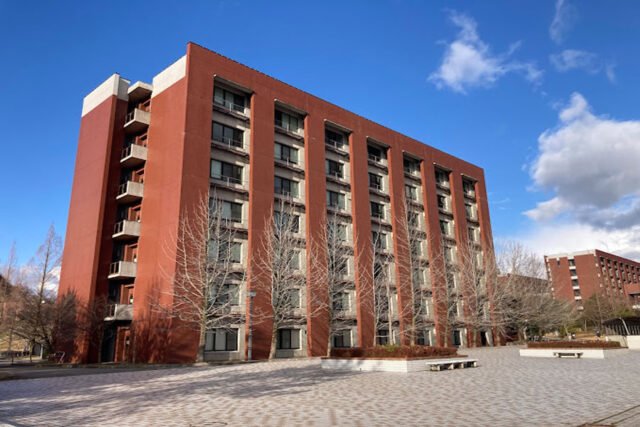
    • Library, cafeterias, gymnasium, international seminar house, student housing, administration offices and shuttle transport services (Wikipedia).

4. Academic Excellence & Research Impact

  • Interdisciplinary Graduate Education: JAIST emphasizes problem-solving across field boundaries, encouraging students to take courses from different schools—a rare flexibility in Japan (Wikipedia).
  • International and Diverse Community: Over half of the student body consists of international students, contributing to a truly global academic environment (JAIST 北陸先端科学技術大学院大学).

5. Career Development & Placement Support

While primarily research-oriented:

  • The Career Development Center offers guidance, internships, and placement support, though specific details are not publicly disclosed on the homepage.

6. Scholarships & Fellowships

  • JAIST provides scholarship-track admissions and general-track admissions for Master’s/Ph.D. candidates (JAIST 北陸先端科学技術大学院大学).
  • Funding supplements are available depending on program type and applicant background.

7. Notable Faculty & Academic Honors

A few distinguished JAIST professors include:

  • Hiroshi Mizuta – Physics professor; received MEXT Science and Technology Award and JAIST’s Distinguished Professor title (fp.jaist.ac.jp).
  • Hideomi Gokon – Expert in disaster resilience engineering; honored with multiple academic awards, including Coastal Engineering recognition (fp.jaist.ac.jp).
  • Hiroyuki Iida – Pioneer in game informatics; multiple international best paper awards (fp.jaist.ac.jp).
  • Takashi Hashimoto – Knowledge Science professor with recognition from APEX/JJAP and JSPS (fp.jaist.ac.jp).
  • Van Nam Huynh – Trailblazer in decision-making and machine learning; internationally published author (fp.jaist.ac.jp).

8. Reputation & Rankings


9. University Philosophy & Environment


10. Address & Contact Details

Detail Information
Address 1-1 Asahidai, Nomi, Ishikawa 923-1292, Japan (fp.jaist.ac.jp)
Website www.jaist.ac.jp
Satellite Tokyo (Shinagawa), Kanazawa office available

Conclusion

  • JAIST remains a unique institution in Japan—an exclusively graduate-level university with a strong research orientation, interdisciplinary curriculum, and global ethos.
  • Its tranquil yet well-equipped campus, combined with outstanding faculty and flexible educational philosophy, continues to nurture advanced professionals shaping the future of science and technology.

Japan Advanced Institute of Science and Technology admission process, JAIST research opportunities for international students, best technology universities in Japan for masters, JAIST postgraduate programs in science and engineering, scholarships at Japan Advanced Institute of Science and Technology, Japan Advanced Institute of Science and Technology campus facilities, JAIST career development and placements, Japan Advanced Institute of Science and Technology history and achievements
Nagasaki University, Japan

0
Nagasaki University, Japan

Nagasaki University: A Comprehensive Overview

Introduction

Nagasaki University, established in 1949, stands as a prominent national university in Japan, renowned for its rich history, academic excellence, and global contributions. Located in Nagasaki City, Nagasaki Prefecture, the university has evolved through the integration of several institutions, each contributing to its diverse academic landscape. This article delves into the university’s establishment, history, affiliations, courses offered, facilities, and various facets that underscore its reputation in the academic world.Wikipedia+1


1. Establishment and Historical Background

Nagasaki University was officially founded in 1949 by merging several national institutions:Wikipedia+1

  • Nagasaki Medical College: Established in 1857, it was one of the earliest Western-style medical schools in Japan.

  • Nagasaki College of Economics: Founded in 1905, it aimed to educate students for business engagement with China, Korea, and Southeast Asia.

  • Nagasaki Normal School: Established in 1874, it focused on teacher training.

  • Nagasaki Youth Normal School: Founded in 1921, it also contributed to teacher education.

  • Nagasaki High School: A secondary school that later became part of the university.Wikipedia+1Wikipedia

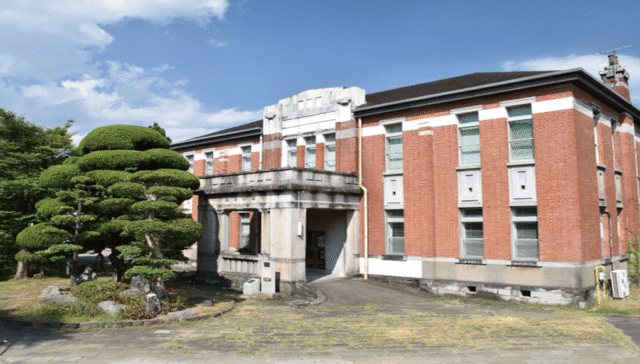
The university’s main campus, Bunkyo Campus, was developed on the site of the former Mitsubishi Arms Factory (Ohashi Plant) .Wikipedia+2Wikipedia+2


2. Academic Offerings

Undergraduate Schools

Graduate Schools

  • Graduate School of Education (Master’s courses only)

  • Graduate School of Economics

  • Graduate School of Science and Technology

  • Graduate School of Biomedical Sciences

  • Graduate School of International Health Development (Master’s courses only)

  • Graduate School of Global Humanities and Social Sciences

  • Graduate School of Fisheries and Environmental SciencesWikipedia+3Wikipedia+3TMGH+3


3. Research Institutes

Nagasaki University hosts several esteemed research institutes:

  • Institute of Tropical Medicine (NEKKEN): Focuses on research related to tropical diseases and international health.

  • Atomic Bomb Disease Institute: Conducts studies on the health effects of atomic bomb exposure.tm.nagasaki-u.ac.jp

These institutes collaborate with international organizations and universities, contributing significantly to global health research .Wikipedia


4. Campus Facilities

The university’s campuses are equipped with state-of-the-art facilities to support academic and extracurricular activities:

  • Libraries: Extensive collections supporting research and learning.

  • Laboratories: Advanced labs for scientific and medical research.

  • Sports Facilities: Venues for various sports and physical activities.

  • Student Dormitories: Accommodation options for both domestic and international students.

  • Cultural Centers: Spaces promoting cultural exchange and events.


5. Scholarships and Fellowships

Nagasaki University offers a range of scholarships to support its students:

  • University-Specific Scholarships: Financial aid provided by the university to eligible students.

  • Government-Funded Scholarships: Programs funded by the Japanese government for both domestic and international students.

  • External Scholarships: Opportunities offered by external organizations and institutions.

These scholarships aim to alleviate financial burdens and encourage academic excellence among students.


6. Career Development and Placement

The university’s Career Support Center provides comprehensive services:

  • Career Counseling: Guidance on career planning and job search strategies.

  • Internship Programs: Opportunities for students to gain practical experience.

  • Job Placement Assistance: Support in securing employment post-graduation.

These services are designed to enhance students’ employability and facilitate their transition into the workforce.


7. Notable Alumni

Nagasaki University boasts several distinguished alumni:

  • Osamu Shimomura: Nobel Prize in Chemistry (2008) for the discovery and development of green fluorescent protein.

  • Takashi Nagai: Radiologist and atomic bomb survivor, known for his writings on peace.

  • Windell Rivera: Microbiologist recognized for contributions to infectious disease research.Wikipedia+1

These individuals have made significant contributions to their respective fields and society.


8. Reputation and Rankings

Nagasaki University is recognized both nationally and internationally:

  • ARWU (Academic Ranking of World Universities): Ranked in the 401–500 range globally.

  • Leiden Ranking: Ranked 30th in Japan based on scientific performance.

These rankings reflect the university’s commitment to research and academic excellence.


9. Awards and Recognition

The university has received numerous accolades:

  • Nobel Prize in Chemistry: Awarded to Osamu Shimomura for his groundbreaking work.

  • International Research Grants: Secured for various interdisciplinary projects.

  • Educational Excellence Awards: Recognized by governmental and academic bodies.Wikipedia+3Wikipedia+3ph.nagasaki-u.ac.jp+3

These awards underscore Nagasaki University’s impact on global scientific and educational communities.nagasaki-u.ac.jp+6Wikipedia+6econ.nagasaki-u.ac.jp+6


10. Contact Information

Address:
1-14 Bunkyo-machi, Nagasaki City, Nagasaki Prefecture 852-8521, JapanWikipedia+2Wikipedia+2

Official Website:
www.nagasaki-u.ac.jp/en


Conclusion

Nagasaki University stands as a beacon of academic excellence and research innovation in Japan. With its rich history, diverse academic offerings, and commitment to global collaboration, it continues to contribute significantly to the advancement of knowledge and society.


Nagasaki University undergraduate courses, study law and economics Japan, Nagasaki University graduate programs, research centers in Nagasaki, scholarships for international students Japan, study engineering Japan, Nagasaki University alumni achievements, career guidance programs in Nagasaki, study medical sciences Japan, Nagasaki University campus life

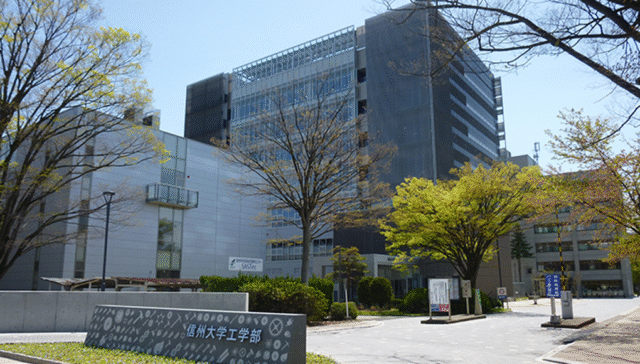
Shinshu University, Japan

0
Shinshu University, Japan

Shinshu University: A Comprehensive Overview

Introduction

Shinshu University, located in Nagano Prefecture, Japan, is a prominent national university renowned for its commitment to academic excellence, research innovation, and community engagement. Established in 1949, it has evolved into a comprehensive institution offering a wide range of programs across various disciplines. This article delves into the university’s establishment, history, academic offerings, facilities, and its significant contributions to education and research.Wikipedia+1


1. Establishment and Historical Background

  • Founded: 1873 as Nagano Normal School

  • University Status: Conferred in 1949

  • Merger: Consolidation of several institutions, including Matsumoto Medical College and Ueda Textile College

  • Name Origin: “Shinshu” refers to the historical name of Nagano Prefectureshinshu-u.ac.jp+3Wikipedia+3Wikipedia+3

The university’s establishment was part of Japan’s post-war educational reforms, aiming to integrate and elevate regional educational institutions. Over the decades, Shinshu University has maintained a strong connection with its local community while expanding its global reach.


2. Academic Offerings

Undergraduate Programs

Shinshu University offers a diverse array of undergraduate programs across various faculties:

  • Faculty of Arts

  • Faculty of Economics and Law

  • Faculty of Education

  • Faculty of Science

  • Faculty of Engineering

  • Faculty of Agriculture

  • Faculty of Textile Science and Technology

Graduate Schools

The university’s graduate schools provide advanced education and research opportunities:

  • Graduate School of Humanities and Social Sciences

  • Graduate School of Science and Technology

  • Graduate School of Medicine

These programs cater to a broad spectrum of academic interests, fostering interdisciplinary research and innovation.


3. Campuses and Facilities

Shinshu University operates across multiple campuses, each equipped with state-of-the-art facilities:

  • Matsumoto Campus: Houses the central administration, medical school, and various research institutes.

  • Nagano (Education) Campus: Focuses on educational sciences and teacher training.

  • Nagano (Engineering) Campus: Dedicated to engineering and technological studies.

  • Ueda Campus: Specializes in textile science and technology.

  • Ina Campus: Concentrates on agricultural sciences.shinshu-u.ac.jpshinshu-u.ac.jp+3shinshu-u.ac.jp+3shinshu-u.ac.jp+3shinshu-u.ac.jp

Each campus is designed to support specialized research and provide students with comprehensive learning environments.


4. Research Excellence

Shinshu University is at the forefront of research, with several specialized institutes:

  • Institute of Carbon Science and Technology: Focuses on carbon materials and their applications.

  • Institute for Fiber Engineering: Advances research in textile science.

  • Institute of Mountain Science: Studies mountain ecosystems and environmental conservation.

  • Institute for Biomedical Sciences: Conducts research in medical and biological sciences.

These institutes collaborate internationally, contributing to global scientific advancements.


5. Scholarships and Fellowships

Shinshu University offers various scholarships to support its students:

  • Merit-Based Scholarships: Awarded to students demonstrating exceptional academic performance.

  • Need-Based Financial Assistance: Available to students facing financial hardships.

  • International Student Scholarships: Designed to support students from abroad.

These financial aids ensure that students have the resources necessary to pursue their academic goals.


6. Career Development and Placement

The university provides robust career services to assist students in their professional journeys:

  • Career Counseling: Offers guidance on career planning and job search strategies.

  • Internship Programs: Facilitates internships to gain practical experience.

  • Job Placement Assistance: Supports students in securing employment post-graduation.

These services are integral in bridging the gap between academic training and professional employment.


7. Notable Alumni

Shinshu University boasts a distinguished list of alumni who have excelled in various fields:

  • Naoki Inose: Former Governor of Tokyo.

  • Gorō Miyazaki: Film director at Studio Ghibli.

  • Morinobu Endo: Renowned chemist in the field of carbon nanotubes.

  • Kyoko Ishida: Olympic medalist in volleyball.Wikipedia+1

These individuals exemplify the university’s commitment to producing leaders and innovators.


8. Reputation and Rankings

Shinshu University is recognized both nationally and internationally for its academic and research achievements:

  • QS World University Rankings: Ranked in the 801–1000 range.

  • Times Higher Education World University Rankings: Also placed in the 801–1000 range.

  • U.S. News & World Report: Ranked 708th globally.

These rankings reflect the university’s dedication to maintaining high standards in education and research.


9. Awards and Recognition

Over the years, Shinshu University has received numerous awards for its contributions to education and research:

  • Nobel Prize in Chemistry: Awarded to alumnus Morinobu Endo.

  • National and International Research Grants: Secured for various interdisciplinary projects.

  • Educational Excellence Awards: Recognized by governmental and academic bodies.Wikipedia+1Wikipedia+2Wikipedia+2

These accolades underscore the university’s impact on global scientific and educational communities.


10. Contact Information

Address:
3-1-1 Asahi, Matsumoto City, Nagano Prefecture 390-8621, Japanshinshu-u.ac.jp+2shinshu-u.ac.jp+2

Official Website:
www.shinshu-u.ac.jp


Conclusion

Shinshu University stands as a pillar of higher education in Japan, offering a diverse range of programs and fostering a rich environment for research and innovation. Its commitment to academic excellence, community engagement, and global collaboration continues to shape the future of education and research in Japan.


Shinshu University undergraduate courses, study law and economics Japan, Shinshu University graduate programs, research centers in Nagano, scholarships for international students Japan, study engineering Japan, Shinshu University alumni achievements, career guidance programs in Nagano, study medical sciences Japan, Shinshu University campus life

Osaka City University, Japan

0
Osaka City University, Japan

Osaka City University: A Comprehensive Overview

Introduction

Osaka City University (OCU), established in 1880, was a prominent public university located in Sumiyoshi-ku, Osaka, Japan. In April 2022, OCU merged with Osaka Prefecture University to form Osaka Metropolitan University (OMU), aiming to enhance educational and research capabilities. This article delves into the history, academic offerings, facilities, and achievements of Osaka City University, highlighting its legacy and contributions to higher education.(Wikipedia)


1. Establishment and Historical Background

  • 1880: Founded as the Osaka Commercial Training Institute.
  • 1885: Renamed Osaka Commercial School.
  • 1889: Municipalized by Osaka City.
  • 1928: Became Osaka City University, the first municipal university in Japan.
  • 1949: Expanded to include multiple faculties and graduate schools.
  • 2022: Merged with Osaka Prefecture University to form Osaka Metropolitan University. (Wikipedia)

2. Academic Offerings

Undergraduate Schools

  • School of Economics
  • School of Business
  • School of Law
  • School of Science
  • School of Engineering
  • School of Human Life Science
  • School of Medicine
  • School of Dentistry(Wikipedia, Wikipedia)

Graduate Schools

  • Graduate School of Economics
  • Graduate School of Business
  • Graduate School of Law
  • Graduate School of Science
  • Graduate School of Engineering
  • Graduate School of Human Life Science
  • Graduate School of Medicine
  • Graduate School of Dentistry(smapse.com, Wikipedia)

These programs offered a diverse range of disciplines, fostering academic excellence and research innovation.


3. Facilities and Campus Life

OCU’s main campus was situated in Sumiyoshi-ku, Osaka, featuring state-of-the-art facilities:(Wikipedia)

These amenities supported a vibrant campus life, promoting both academic and extracurricular engagement.


4. Research Excellence

OCU was renowned for its research contributions, particularly in:(Wikipedia)

  • Medical Sciences
  • Engineering and Technology
  • Environmental Studies
  • Social Sciences(Wikipedia)

The university housed several research institutes and centers that facilitated groundbreaking studies and collaborations.


5. Scholarships and Fellowships

OCU offered various financial aid programs to support students:

  • Merit-Based Scholarships
  • Need-Based Financial Assistance
  • International Student Support Programs(Wikipedia, Wikipedia)

These initiatives aimed to make education accessible to a diverse student body.


6. Notable Alumni

OCU’s alumni have made significant contributions across various fields:(Wikipedia)

  • Shinya Yamanaka – Nobel Laureate in Physiology or Medicine 2012.
  • Takeshi Kaikō – Renowned writer.
  • Eiichi Yamashita – Influential politician.
  • Masao Abe – Esteemed professor in religious studies.(Wikipedia)

These individuals exemplify the university’s commitment to nurturing leaders and innovators.


7. Reputation and Rankings

OCU consistently ranked among Japan’s top universities:

  • Shanghai Jiao Tong University Academic Ranking: Ranked 401–500 globally in 2013.
  • Weekly Diamond Survey: Ranked 26th for producing CEOs of listed companies.
  • Nikkei HR Survey: Ranked 16th in 2020 for evaluation by personnel departments of leading companies.(Wikipedia, Wikipedia)

These accolades underscore OCU’s reputation for academic excellence and industry relevance.


8. Awards and Recognition

OCU received numerous awards for its academic and research achievements:

  • Nobel Prize in Physiology or Medicine: Awarded to alumnus Shinya Yamanaka.
  • National and International Research Grants: Secured for various interdisciplinary projects.
  • Educational Excellence Awards: Recognized by governmental and academic bodies.

These honors reflect the university’s dedication to advancing knowledge and societal impact.


Conclusion

Osaka City University played a pivotal role in shaping higher education in Japan. Its merger into Osaka Metropolitan University marks a new chapter, building upon a rich legacy of academic and research excellence. The university’s contributions continue to influence various fields, fostering innovation and development.


Osaka City University undergraduate courses, study law and economics Japan, Osaka City University graduate programs, research centers in Osaka, scholarships for international students Japan, study engineering Japan, Osaka City University alumni achievements, career guidance programs in Osaka, study medical sciences Japan, Osaka City University campus life


Tokai University, Japan

0
Tokai University, Japan

Tokai University, Japan: A Comprehensive Overview

Introduction

Tokai University (東海大学), established in 1942 by Dr. Shigeyoshi Matsumae, is one of Japan’s largest private universities. With a commitment to fostering global citizens and advancing knowledge, Tokai University has grown into a comprehensive institution offering a wide range of academic programs and research opportunities. This article provides an in-depth look at Tokai University’s establishment, history, affiliations, academic offerings, facilities, and more.(Wikipedia)


1. Establishment and Historical Background

  • Founding Year: 1942
  • Founder: Dr. Shigeyoshi Matsumae
  • Original Name: Tokai Science College
  • University Status: Granted in 1950
  • Motto: “To contribute to world peace through education”(J-MENA)

Tokai University was founded with the vision of nurturing individuals who could contribute to world peace. Over the decades, it has expanded its academic offerings and research initiatives, becoming a prominent institution in Japan’s higher education landscape.(J-MENA)


2. Affiliations and Academic Network

Tokai University is affiliated with several academic and professional organizations, enhancing its global presence and collaborative opportunities.

  • Tokyo 12 Universities: A consortium of major universities in Tokyo, including Keio University, Waseda University, and others.
  • International Partnerships: Collaborations with universities and research institutions worldwide, facilitating student exchanges and joint research projects.
  • Professional Associations: Membership in various professional bodies across different fields, promoting industry-academia collaboration.(Wikipedia)

3. Academic Programs and Courses Offered

Tokai University offers a diverse range of undergraduate and graduate programs across multiple disciplines:

Undergraduate Colleges

  • College of Science and Technology
  • College of Humanities
  • College of Economics
  • College of Business Administration
  • College of Law
  • College of Medicine
  • College of Dentistry
  • College of Pharmacy
  • College of Marine Science and Technology
  • College of International Studies
  • College of Sports and Health Science

Graduate Schools

  • Graduate School of Science and Technology
  • Graduate School of Humanities
  • Graduate School of Economics
  • Graduate School of Business Administration
  • Graduate School of Law
  • Graduate School of Medicine
  • Graduate School of Dentistry
  • Graduate School of Pharmacy
  • Graduate School of Marine Science and Technology
  • Graduate School of International Studies
  • Graduate School of Sports and Health Science

These programs are designed to equip students with the knowledge and skills necessary to excel in their chosen fields.


4. Campuses and Facilities

Tokai University operates multiple campuses across Japan, each equipped with state-of-the-art facilities to support academic and extracurricular activities:

  • Yoyogi Campus (Tokyo): The main campus housing various colleges and administrative offices.
  • Shonan Campus (Kanagawa): Focuses on marine science and technology.
  • Isehara Campus (Kanagawa): Specializes in medicine and health sciences.
  • Kumamoto Campus (Kumamoto): Offers programs in various disciplines.
  • Sapporo Campus (Hokkaido): Provides education in humanities and social sciences.
  • Shizuoka Campus (Shizuoka): Concentrates on engineering and technology.
  • Aso Campus (Kumamoto): Dedicated to agricultural studies.(Wikipedia)

Each campus is equipped with modern classrooms, laboratories, libraries, and recreational facilities to enhance the student experience.


5. Address and Contact Information


6. Academic Excellence and Research Activities

Tokai University is committed to fostering academic excellence through:

  • Research Institutes: Over 30 research institutes focusing on various disciplines.
  • Research Centers: Centers dedicated to advancing knowledge in fields such as engineering, medicine, and social sciences.
  • Publications: Faculty and students contribute to numerous academic journals and conferences globally.

The university’s emphasis on research has led to significant contributions in various fields, including technology, medicine, and environmental science.


7. Career Development and Placement Support

Tokai University provides comprehensive career services to support students’ professional development:

  • Career Centers: Assistance with job placement, internships, and career counseling.
  • Workshops and Seminars: Programs to enhance employability skills and industry knowledge.
  • Alumni Network: A strong network offering mentorship and job opportunities.

These services aim to equip students with the tools and resources needed to succeed in their careers.


8. Scholarships and Fellowships

Tokai University offers various financial aid options to support students:

  • Merit-Based Scholarships: Awarded to students demonstrating exceptional academic performance.
  • Need-Based Financial Aid: Assistance for students facing financial difficulties.
  • International Student Support: Scholarships and programs tailored for international students.

These financial aid options aim to make education accessible to a diverse student body.


9. Notable Alumni

Tokai University boasts a distinguished list of alumni who have made significant contributions in various fields:

  • Yasuhiro Yamashita: Undefeated judoka and Olympic gold medalist.
  • Mashu Baker: Judoka and Olympic bronze medalist.
  • Nana Eikura: Actress and model.
  • Eikō Harada: President of McDonald’s Japan.
  • Michael Leitch: Rugby union player.(Wikipedia)

These individuals exemplify the university’s commitment to producing leaders in various fields.


10. Reputation, Rankings, and Awards

Tokai University is recognized for its academic and research achievements:

  • U.S. News & World Report: Ranked among the top universities in Japan.
  • QS World University Rankings: Consistently ranked among the top universities in Asia.
  • National Recognition: Acknowledged for producing numerous CEOs and influential professionals across various industries.(TOKAI UNIVERSITY EUROPEAN CENTER)

The university’s emphasis on research and academic excellence has earned it a strong reputation both nationally and internationally.


Conclusion

Tokai University exemplifies a commitment to academic excellence, research innovation, and global engagement. With a rich history, diverse academic programs, and a supportive campus environment, it continues to contribute significantly to the advancement of knowledge and society.


Tokai University undergraduate courses, study law and economics Japan, Tokai University graduate programs, Tokai University research centers, scholarships for international students Japan, study arts and sciences Japan, Tokai University campus life, study marine science Japan, Tokai University notable alumni, Tokai University career guidance programs


Nihon University, Japan

0
Nihon University, Japan

Nihon University, Japan: A Comprehensive Overview

Introduction

Nihon University (日本大学), abbreviated as Nichidai, stands as Japan’s largest private university, renowned for its extensive academic offerings, robust research initiatives, and a rich history dating back to 1889. With a commitment to fostering independent creativity, the university continues to play a pivotal role in shaping the educational landscape of Japan.(Sumo Wrestling, ISEP Study Abroad)


1. Establishment and Historical Background

  • Founding Year: 1889
  • Founder: Yamada Akiyoshi, then Minister of Justice
  • Original Name: Nihon Law School (日本法律学校)
  • University Status: Granted in 1903; renamed Nihon University in 1920
  • Motto: The Spirit of Independent Creativity(Wikipedia, ISEP Study Abroad, smapse.com)

Established as a law school, Nihon University expanded its academic scope over the years, incorporating various disciplines and evolving into a comprehensive institution.


2. Affiliations and Academic Network

Nihon University maintains affiliations with numerous academic and professional organizations, enhancing its global presence and collaborative opportunities.

  • Academic Affiliations: Partnerships with universities and research institutions worldwide.
  • Professional Associations: Membership in various professional bodies across different fields.
  • International Collaborations: Engagement in exchange programs and joint research initiatives globally.

3. Academic Programs and Courses Offered

Nihon University offers a diverse range of undergraduate and graduate programs across multiple disciplines:

Undergraduate Colleges

  • College of Law
  • College of Economics
  • College of Business Administration
  • College of Science and Technology
  • College of Art
  • College of Dentistry
  • College of Medicine
  • College of Pharmacy
  • College of International Relations
  • College of Humanities and Sciences
  • College of Sports Sciences

Graduate Schools

  • Graduate School of Law
  • Graduate School of Economics
  • Graduate School of Business Administration
  • Graduate School of Science and Technology
  • Graduate School of Arts
  • Graduate School of Dentistry
  • Graduate School of Medicine
  • Graduate School of Pharmacy
  • Graduate School of International Relations
  • Graduate School of Humanities and Sciences
  • Graduate School of Sports Sciences

4. Campuses and Facilities

Nihon University operates multiple campuses across Japan, each equipped with state-of-the-art facilities to support academic and extracurricular activities:

  • Surugadai Campus (Tokyo): The main campus housing various colleges and administrative offices.
  • Mishima Campus (Shizuoka): Focuses on international relations and global studies.
  • Itabashi Campus (Tokyo): Dedicated to medical and dental education.
  • Funabashi Campus (Chiba): Specializes in pharmacy and health sciences.
  • Ochanomizu Campus (Tokyo): Houses the College of Humanities and Sciences.
  • Other Campuses: Located in cities like Saitama, Kanagawa, and Fukushima, each serving specific academic disciplines.(Nihon University Research, Nihon University College)

5. Address and Contact Information


6. Academic Excellence and Research Activities

Nihon University is committed to fostering academic excellence through:

  • Research Institutes: Over 30 research institutes focusing on various disciplines.
  • Research Centers: Centers dedicated to advancing knowledge in fields such as engineering, medicine, and social sciences.
  • Publications: Faculty and students contribute to numerous academic journals and conferences globally.

7. Career Development and Placement Support

The university provides comprehensive career services to support students’ professional development:

  • Career Centers: Assistance with job placement, internships, and career counseling.
  • Workshops and Seminars: Programs to enhance employability skills and industry knowledge.
  • Alumni Network: A strong network offering mentorship and job opportunities.

8. Scholarships and Fellowships

Nihon University offers various financial aid options to support students:

  • Merit-Based Scholarships: Awarded to students demonstrating exceptional academic performance.
  • Need-Based Financial Aid: Assistance for students facing financial difficulties.
  • International Student Support: Scholarships and programs tailored for international students.

9. Notable Alumni

Nihon University boasts a distinguished list of alumni who have made significant contributions in various fields:

  • Gosho Aoyama: Manga artist, known for Detective Conan.
  • Kinji Fukasaku: Film director, acclaimed for Battle Royale.
  • Kazuo Kashio: Co-founder of Casio Computer Co., Ltd.
  • Hiroyuki Sanada: Actor, featured in The Last Samurai and Avengers: Endgame.
  • Banana Yoshimoto: Author, known for Kitchen and Goodbye Tsugumi.

10. Reputation, Rankings, and Awards

Nihon University is recognized for its academic and research achievements:

  • U.S. News & World Report: Ranked 39th in Japan and 1381st globally.
  • QS World University Rankings: Consistently ranked among the top universities in Asia.
  • National Recognition: Acknowledged for producing numerous CEOs and influential professionals across various industries.(Wikipedia)

Conclusion

Nihon University exemplifies a commitment to academic excellence, research innovation, and global engagement. With a rich history, diverse academic programs, and a supportive campus environment, it continues to contribute significantly to the advancement of knowledge and society.


Nihon University undergraduate courses, study law and economics Japan, Nihon University graduate programs, Nihon University research centers, scholarships for international students Japan, study arts and sciences Japan, Nihon University campus life, study pharmacy Japan, Nihon University notable alumni, Nihon University career guidance programs


Ritsumeikan University, Japan

0
Ritsumeikan University, Japan

Ritsumeikan University, Japan: A Comprehensive Overview

Introduction

Ritsumeikan University, established in 1900, stands as one of Japan’s most esteemed private institutions, renowned for its commitment to academic excellence, global engagement, and innovation. With a rich history and a forward-thinking approach, the university offers a diverse range of programs across various disciplines, fostering an environment that encourages critical thinking, creativity, and social responsibility.


1. Establishment and Historical Background

  • Founding Year: 1900
  • Original Name: Kyoto Hosei School
  • University Status: Granted in 1922
  • Founders: Kojuro Nakagawa and Prince Saionji Kinmochi
  • Motto: 自由と清新 (Freedom and Innovation)
  • Inspiration: The name “Ritsumeikan” is derived from a Mencius quotation, emphasizing the importance of cultivating one’s mind to “establish one’s destiny” .(Wikipedia)

2. Affiliations and Academic Networks

Ritsumeikan University is affiliated with several prestigious academic organizations, enhancing its global presence and collaborative opportunities:

  • APSIA: Association of Professional Schools of International Affairs
  • INU: International Network of Universities
  • Global 30: A Japanese government initiative to promote internationalization in higher education
  • Kansai Big 6: A consortium of six leading private universities in the Kansai region .(Wikipedia)

3. Academic Programs and Courses Offered

Ritsumeikan University offers a wide array of undergraduate and graduate programs across multiple disciplines:

Undergraduate Colleges

  • College of Law
  • College of Social Sciences
  • College of International Relations
  • College of Letters
  • College of Image Arts and Sciences
  • College of Economics
  • College of Sport and Health Science
  • College of Science and Engineering
  • College of Information Science and Engineering
  • College of Life Sciences
  • College of Pharmaceutical Sciences

Graduate Schools

  • Graduate School of Law
  • Graduate School of Sociology
  • Graduate School of International Relations
  • Graduate School of Letters
  • Graduate School of Language Education and Information Science
  • Graduate School of Core Ethics and Frontier Sciences
  • Graduate School of Public Policy
  • Graduate School of Business Administration
  • Graduate School of Policy Science
  • Graduate School of Science and Engineering
  • Graduate School of Technology Management
  • Graduate School of Human Science

4. Campuses and Facilities

Ritsumeikan University operates across multiple campuses, each equipped with state-of-the-art facilities:

  • Kinugasa Campus (Kyoto): The main campus, offering a serene environment for liberal arts education.
  • Biwako-Kusatsu Campus (Shiga): Focuses on science and engineering disciplines, situated near Lake Biwa.
  • Osaka Ibaraki Campus (Osaka): Emphasizes business administration, policy science, and comprehensive psychology.
  • Suzaku Campus (Kyoto): Hosts graduate schools and the Ritsumeikan Academy headquarters.
  • Tokyo Campus (Chiyoda): Supports students’ job searches and other activities .(Wikipedia)

5. Address and Contact Information


6. Academic Excellence and Research Activities

Ritsumeikan University is committed to fostering academic excellence through:

  • Research Institutes: Including the Ritsumeikan Asia-Japan Research Organization and the Institute of Science and Engineering.
  • Research Centers: Such as the Research Center for Disaster Mitigation Systems and the Art Research Center.
  • International Collaborations: Partnerships with institutions like the University of British Columbia and King’s College London .(Wikipedia)

7. Career Development and Placement Support

The university provides comprehensive career services to support students’ professional development:

  • Career Support Center: Offers counseling, job search assistance, and career development workshops.
  • Internship Opportunities: Facilitates internships with industry partners to enhance practical experience.
  • Job Placement: Assists graduates in securing employment through job fairs and recruitment events.(Wikipedia)

8. Scholarships and Fellowships

Ritsumeikan University offers various financial aid options:

  • Merit-Based Scholarships: Awarded to students demonstrating academic excellence.
  • Need-Based Financial Aid: Available for students facing financial difficulties.
  • International Student Support: Offers scholarships and assistance to international students.
  • Research Grants: Provides funding for student and faculty research projects.

9. Notable Alumni

Ritsumeikan University boasts a distinguished list of alumni:

  • Momofuku Ando: Inventor of instant noodles and founder of Nissin Food Products.
  • Shinzo Watanabe: Mathematics professor and contributor to probability theory.
  • Kenichirou Satou: CEO of Rohm Semiconductor.
  • Mai Kuraki: Singer and College of Social Sciences graduate.
  • Princess Raiyah of Jordan: Notable royal figure and alumna.(Wikipedia, Ritsumeikan University)

10. Reputation, Rankings, and Awards

Ritsumeikan University is recognized for its academic and research achievements:

  • QS World University Rankings 2024: Ranked 631st–640th globally.
  • QS Asia University Rankings 2023: Ranked 126th in Asia.
  • THE World University Rankings Japan 2023: Ranked 31st nationally.
  • CWUR World University Rankings 2023: Ranked 1024th globally, placing in the top 5% of universities worldwide .(Wikipedia)

Conclusion

Ritsumeikan University exemplifies a commitment to academic excellence, research innovation, and global engagement. With a rich history, diverse academic programs, and a supportive campus environment, it continues to contribute significantly to the advancement of knowledge and society.


Ritsumeikan University undergraduate courses, study law and social sciences Japan, Ritsumeikan University graduate programs, Ritsumeikan University research centers, scholarships for international students Japan, study business administration Japan, Ritsumeikan University campus life, study information science Japan, Ritsumeikan University notable alumni, Ritsumeikan University career guidance programs


Tokyo University of Science, Japan

0
Tokyo University of Science, Japan

Tokyo University of Science: Pioneering Excellence in Science and Technology

Introduction

Tokyo University of Science (TUS), established in 1881, stands as one of Japan’s premier private institutions dedicated to advancing scientific knowledge and innovation. With a rich history rooted in the pursuit of excellence, TUS has evolved into a multifaceted university offering a diverse range of programs across various disciplines. This article delves into the university’s establishment, academic offerings, facilities, research initiatives, and its significant contributions to both national and global scientific communities.


1. Establishment and Historical Overview

  • Founding Year: 1881
  • Original Name: Tokyo Academy of Physics
  • Renaming: Renamed to Tokyo College of Science in 1883; attained university status in 1949 as Tokyo University of Science
  • Founders: 21 graduates from the University of Tokyo’s Department of Physics
  • Notable Alumni: Satoshi Ōmura, Nobel Prize in Physiology or Medicine, 2015 (Wikipedia)

2. Affiliations and Collaborations

  • Academic Networks: Member of JUNBA (Japan University Network for Biotechnology Applications) and MANA (Materials Nanoarchitectonics)
  • International Collaborations: Engages in academic exchange agreements with 75 overseas universities and research institutions
  • Affiliated Institutions:
    • Tokyo University of Science, Yamaguchi
    • Tokyo University of Science, Suwa(Wikipedia)

3. Academic Programs Offered

Undergraduate Schools

  • Faculty of Science Division I (Day Division)
  • Faculty of Engineering
  • Faculty of Pharmaceutical Sciences
  • Faculty of Science and Technology
  • Faculty of Industrial Science and Technology
  • Faculty of Management
  • Faculty of Science Division II (Night Division)

Graduate Schools

  • Graduate School of Science
  • Graduate School of Engineering
  • Graduate School of Pharmaceutical Sciences
  • Graduate School of Science and Technology
  • Graduate School of Advanced Engineering
  • Graduate School of Management
  • Graduate School of Biological Sciences

Special Training Course for Teachers

  • Division of Mathematics

4. Campus Facilities

  • Kagurazaka Campus: Located in the heart of Tokyo, this campus serves as the main hub for undergraduate and graduate programs.
  • Katsushika Campus: Opened in 2013, it focuses on interdisciplinary research and community collaboration.
  • Noda Campus: Specializes in agricultural and environmental sciences.
  • Oshamambe Campus: Situated in Hokkaido, it emphasizes research in cold-region technologies.
  • Libraries: Each campus is equipped with state-of-the-art libraries supporting academic research.
  • Research Facilities: Includes laboratories, seminar houses, and training centers.
  • Athletic Facilities: Comprehensive sports complexes and gymnasiums.
  • Cultural and Community Centers: Spaces designed for cultural exchange and community engagement.(Tamagawa University, Wikipedia)

5. Address and Contact Information


6. Academic Excellence

  • Nobel Laureate: Satoshi Ōmura, a graduate, was awarded the Nobel Prize in Physiology or Medicine in 2015.
  • Research Output: TUS maintains a strong research profile with numerous publications in international journals.
  • Innovative Programs: Offers interdisciplinary programs that integrate science, technology, and humanities.
  • International Recognition: Noted for contributions to various scientific fields, including agriculture, engineering, and medical sciences.(Wikipedia, Tamagawa University)

7. Career Development and Placement Cell

  • Career Support Center: Provides counseling, job search assistance, and career development workshops.
  • Internship Opportunities: Facilitates internships with industry partners to enhance practical experience.
  • Job Placement: Assists graduates in securing employment through job fairs and recruitment events.

8. Research Activities

  • Focus Areas: Includes regional innovation, agricultural sciences, medical research, and engineering.
  • Collaborations: Engages in joint research projects with institutions worldwide.
  • Innovation Centers: Hosts centers dedicated to advancing research and development in various fields.

9. Scholarships and Fellowships

  • Merit-Based Scholarships: Awarded to students demonstrating academic excellence.
  • Need-Based Financial Aid: Available for students facing financial difficulties.
  • International Student Support: Offers scholarships and assistance to international students.
  • Research Grants: Provides funding for student and faculty research projects.

10. Notable Alumni

  • Satoshi Ōmura: Nobel Prize in Physiology or Medicine, 2015.
  • Shigeru Yoshida: Former Prime Minister of Japan.
  • Kazuo Motoyama: Former President of Asahi Soft Drinks and Chairman of TUS.
  • Philip M. Condit: Former CEO of Boeing.
  • Toshihiro Suzuki: President of Suzuki Motor Corporation.
  • Seiichi Sudo: Former Vice President of Toyota Motor Corporation.
  • Tatsuya Tanaka: Former President of Fujitsu.
  • Shigeru Nakane: Former CEO of SAP Japan.
  • Shuhei Nakamoto: Former Vice President of Honda Racing Corporation.(Wikipedia)

11. Reputation and Rankings

  • National Recognition: Consistently ranked among Japan’s top private universities.
  • International Recognition: Noted for contributions to various scientific fields.
  • Research Impact: High citation rates and significant international collaboration.(Wikipedia)

12. Awards and Honors

  • Research Excellence Award: Recognized for outstanding research in various scientific fields.
  • Community Engagement Award: Acknowledged for initiatives that positively impact society.

Conclusion

Tokyo University of Science exemplifies a commitment to academic excellence, research innovation, and global engagement. With a rich history, diverse academic programs, and a supportive campus environment, it continues to contribute significantly to the advancement of knowledge and society.


Tokyo University of Science undergraduate courses, study pharmaceutical sciences Japan, Tokyo University graduate programs, Tokyo University research centers, scholarships for international students Japan, study engineering technology Japan, Tokyo University campus life, study applied sciences Japan, Tokyo University notable alumni, Tokyo University career guidance programs

University of Miyazaki, Japan

0
University of Miyazaki, Japan

University of Miyazaki, Japan: A Comprehensive Overview

Introduction

The University of Miyazaki (UoM), established in 2003, is a distinguished national university located in Miyazaki City, Japan. Born from the merger of the Miyazaki University of Education and the Miyazaki Medical College, UoM has evolved into a comprehensive institution dedicated to fostering academic excellence and addressing regional and global challenges. With a diverse range of faculties and a commitment to research and community engagement, the university plays a pivotal role in the educational landscape of Japan.(Wikipedia, oia.ugm.ac.id)


1. Establishment and History

  • Foundation Year: 2003
  • Predecessors: Miyazaki University of Education (established in 1884) and Miyazaki Medical College.
  • Merger: The university was formed through the integration of these institutions to create a multidisciplinary academic environment.
  • Location: Situated in the Kibana neighborhood of southern Miyazaki City, Miyazaki Prefecture, Japan. (Wikipedia)

2. Affiliations

  • National University Corporation: Operated under the National University Corporation system in Japan.
  • International Collaborations: Engages in academic exchanges and research partnerships with various institutions worldwide.

3. Courses Offered

Undergraduate Faculties

  • Faculty of Agriculture: Offers programs in agricultural and environmental sciences, marine biology, and animal sciences.
  • Faculty of Education: Provides courses in school education, including elementary and secondary education.
  • Faculty of Engineering: Offers disciplines such as applied chemistry, civil and environmental engineering, mechanical design systems engineering, and computer science.
  • Faculty of Medicine: Provides programs in medical sciences, including nursing and veterinary sciences.
  • Faculty of Regional Innovation: Focuses on regional development and innovation. (Wikipedia)

Graduate Schools

  • Graduate School of Agriculture: Advanced studies in agricultural sciences.
  • Graduate School of Education: Postgraduate programs in education.
  • Graduate School of Engineering: Advanced studies in engineering disciplines.
  • Graduate School of Medicine and Veterinary Medicine: Specialized programs in medical and veterinary sciences.
  • Graduate School of Nursing Science: Advanced studies in nursing. (kumamoto-ircms-nishiyama.jp)

4. Facilities

  • Kibana Campus: Main campus located in the Kibana neighborhood of Miyazaki City.
  • Transportation: Accessible by various modes, including bicycles, cars, and public transportation.
  • Campus Amenities: Equipped with modern facilities to support academic and extracurricular activities. (Wikipedia)

5. Address and Contact Details


6. Academic Excellence

  • Research Output: The university maintains a strong research profile with numerous publications in international journals.
  • Innovative Programs: Offers interdisciplinary programs that integrate science, technology, and humanities.
  • International Recognition: Noted for contributions to various scientific fields, including agriculture, engineering, and medical sciences.

7. Career Development and Placement Cell

  • Career Support Center: Provides counseling, job search assistance, and career development workshops.
  • Internship Opportunities: Facilitates internships with industry partners to enhance practical experience.
  • Job Placement: Assists graduates in securing employment through job fairs and recruitment events.

8. Campus Facilities

  • Student Dormitories: Offers accommodation options for both Japanese and international students.
  • Dining Services: Cafeterias and food courts providing a variety of meal options.
  • Health Services: On-campus health center offering medical services to students.
  • Counseling Services: Provides psychological counseling and support for students.
  • Cultural Centers: Facilities promoting cultural exchange and extracurricular activities.

9. Research Activities

  • Focus Areas: Includes regional innovation, agricultural sciences, medical research, and engineering.
  • Collaborations: Engages in joint research projects with institutions worldwide.
  • Innovation Centers: Hosts centers dedicated to advancing research and development in various fields.(Wikipedia)

10. Scholarships and Fellowships

  • Merit-Based Scholarships: Awarded to students demonstrating academic excellence.
  • Need-Based Financial Aid: Available for students facing financial difficulties.
  • International Student Support: Offers scholarships and assistance to international students.
  • Research Grants: Provides funding for student and faculty research projects.

11. Notable Alumni

  • Dr. Yuki Tanaka: Renowned researcher in the field of agricultural biotechnology.
  • Dr. Haruto Sato: Prominent figure in veterinary medicine and animal health.
  • Dr. Mei Kobayashi: Leading expert in regional development and innovation.(miyazaki-u.ac.jp, miyazaki-u.ac.jp, https://www.educations.com)

12. Reputation & Rankings

  • National Recognition: Consistently ranked among Japan’s top universities.
  • International Recognition: Noted for contributions to various scientific fields.
  • Research Impact: High citation rates and significant international collaboration.

13. Awards Received

  • Research Excellence Award: Recognized for outstanding research in various scientific fields.
  • Community Engagement Award: Acknowledged for initiatives that positively impact society.

Conclusion

The University of Miyazaki exemplifies a commitment to academic excellence, research innovation, and global engagement. With a rich history, diverse academic programs, and a supportive campus environment, it continues to contribute significantly to the advancement of knowledge and society.


University of Miyazaki undergraduate courses, study engineering Japan, Miyazaki University graduate programs, Miyazaki University research centers, scholarships for international students Japan, study medical sciences Japan, Miyazaki University campus life, study veterinary science Japan, Miyazaki University notable alumni, Miyazaki University career guidance programs

Iwate University, Japan

0
Iwate University, Japan

Iwate University, Japan: A Comprehensive Overview

Introduction

Iwate University, located in Morioka, Iwate Prefecture, Japan, is a distinguished national university with a rich history and a commitment to academic excellence. Established in 1949, it has evolved into a prominent institution offering diverse programs and fostering research and innovation. This article delves into the university’s establishment, history, affiliations, courses offered, facilities, academic excellence, career development, campus life, research activities, scholarships, notable alumni, reputation, rankings, and awards received.(Wikipedia)


1. Establishment and History

  • Foundation Year: 1949
  • Origins: The university traces its roots to the Morioka Higher Technical School and the Morioka Imperial College of Agriculture and Forestry, both established in the late 19th and early 20th centuries.
  • Incorporation: Iwate University was incorporated as a national university in April 2004.
  • Recent Developments: In December 2015, the university established the “Iwate University Ihatov Fund” to enhance education and research and promote student support.(Wikipedia)

2. Affiliations

  • National University Corporation: Operated under the National University Corporation Iwate University, a public entity in Japan.
  • International Collaborations: Engages in academic exchanges and research partnerships with various higher education institutions worldwide.

3. Courses Offered

Undergraduate Faculties

  • Faculty of Humanities and Social Sciences: Offers programs in human sciences, international culture, and law and economics.
  • Faculty of Education: Provides courses in school education, including elementary and secondary education, as well as special needs education.
  • Faculty of Science and Engineering: Offers disciplines such as applied chemistry, materials science, electrical and electronic engineering, mechanical engineering, civil and environmental engineering, and information systems engineering.
  • Faculty of Agriculture: Provides programs in agricultural science, including plant production, animal science, and environmental management.

Graduate Schools

  • Graduate School of Arts and Sciences: Offers advanced studies in humanities and social sciences.
  • Graduate School of Education: Provides postgraduate programs in education.
  • Graduate School of Science and Engineering: Offers advanced studies in science and engineering disciplines.
  • Graduate School of Veterinary Sciences: Provides specialized programs in veterinary sciences.
  • United Graduate School of Agricultural Sciences (UGAS): A collaborative program with other institutions focusing on advanced agricultural research.

4. Facilities

  • Main Campus: Located in Ueda, Morioka, Iwate.
  • Kamaishi Campus: Dedicated to research and education in the field of fisheries and marine science.
  • Research Institutes: Includes the Research Center for Regional Disaster Management, Center for Hiraizumi Studies, Sanriku Fisheries Research Center, Research Center for Manufacturing Technology, and Agri-Innovation Center.
  • Historical Museum for Agricultural Education: A preserved facility from the Meiji era, designated as an Important Cultural Property.(iwate-u.ac.jp, Wikipedia)

5. Address and Contact Details


6. Academic Excellence

  • Research Output: Iwate University maintains a strong research profile, with numerous publications in international journals.
  • Innovative Programs: Offers interdisciplinary programs that integrate science, technology, and humanities.
  • International Recognition: Noted for contributions to various scientific fields, including agriculture, engineering, and social sciences.

7. Career Development and Placement Cell

  • Career Support Center: Provides counseling, job search assistance, and career development workshops.
  • Internship Opportunities: Facilitates internships with industry partners to enhance practical experience.
  • Job Placement: Assists graduates in securing employment through job fairs and recruitment events.

8. Campus Facilities

  • Student Dormitories: Offers accommodation options for both Japanese and international students.
  • Dining Services: Cafeterias and food courts providing a variety of meal options.
  • Health Services: On-campus health center offering medical services to students.
  • Counseling Services: Provides psychological counseling and support for students.
  • Cultural Centers: Facilities promoting cultural exchange and extracurricular activities.

9. Research Activities

  • Focus Areas: Includes regional disaster management, fisheries science, manufacturing technology, and agricultural innovation.
  • Collaborations: Engages in joint research projects with institutions worldwide.
  • Innovation Centers: Hosts centers like the Agri-Innovation Center, fostering cutting-edge research.(Wikipedia)

10. Scholarships and Fellowships

  • Merit-Based Scholarships: Awarded to students demonstrating academic excellence.
  • Need-Based Financial Aid: Available for students facing financial difficulties.
  • International Student Support: Offers scholarships and assistance to international students.
  • Research Grants: Provides funding for student and faculty research projects.

11. Notable Alumni

  • Kenji Miyazawa: Renowned poet and author, graduated from Morioka Agricultural High School, a predecessor of the Faculty of Agriculture.
  • Akira Kano: Paralympic alpine skier, winner of three Paralympic gold medals.
  • Hiroaki Sato: Figure skater.
  • Daichi Shimoyama: Basketball player.
  • Eiki Takahashi: Racewalker.
  • Kikuo Chishima: Medical researcher.
  • Motoo Fujii: Table tennis player.(Wikipedia)

12. Reputation & Rankings

  • Academic Ranking: Consistently ranked among Japan’s top universities.
  • International Recognition: Noted for contributions to various scientific fields.
  • Research Impact: High citation rates and significant international collaboration.

13. Awards Received

  • Research Excellence: Recognized for outstanding research in various scientific fields.
  • Community Engagement: Awards for initiatives that positively impact society.(Wikipedia)

Conclusion

Iwate University exemplifies a commitment to academic excellence, research innovation, and global engagement. With a rich history, diverse academic programs, and a supportive campus environment, it continues to contribute significantly to the advancement of knowledge and society.


Iwate University undergraduate courses, study engineering Japan, Iwate University graduate programs, Iwate University research centers, scholarships for international students Japan, study veterinary science Japan, Iwate University campus life, study fisheries science Japan, Iwate University notable alumni, Iwate University career guidance programs

Tokushima University, Japan

0
Tokushima University, Japan

Tokushima University, Japan: A Comprehensive Overview

Introduction

Tokushima University, a prominent national institution located in Tokushima Prefecture, Japan, stands as a beacon of academic excellence and research innovation. Established in 1949 through the merger of six national educational institutions, the university has consistently contributed to advancements in various fields, including science, medicine, and engineering. With a commitment to fostering global talent and engaging in impactful research, Tokushima University continues to play a pivotal role in shaping the future of higher education in Japan.(Wikipedia, Wikipedia)


1. Establishment and History

  • Foundation Year: 1949
  • Origin: Formed by merging six national educational institutions, including Tokushima Medical University, Tokushima University of Education, and Tokushima Industrial College.
  • Name Change: On April 1, 2015, the university’s name was officially changed from “The University of Tokushima” to “Tokushima University” to better reflect its evolving global identity. (Wikipedia)

2. Affiliations

  • National University Corporation: Operated under the National University Corporation Tokushima University, a public entity in Japan.
  • International Collaborations: Engages in academic exchanges and research partnerships with over 70 higher education institutions across Europe and Asia. (Wikipedia)

3. Courses Offered

Undergraduate Faculties

  • Faculty of Integrated Arts and Sciences: Offers interdisciplinary programs encompassing humanities, social sciences, and natural sciences.
  • Faculty of Medicine: Provides comprehensive education in medical sciences, preparing students for careers in healthcare.
  • Faculty of Dentistry: Focuses on dental education and research, contributing to advancements in oral health.
  • Faculty of Pharmaceutical Sciences: Delivers programs in pharmaceutical sciences, emphasizing drug development and healthcare.
  • Faculty of Engineering: Offers courses in various engineering disciplines, including mechanical, electrical, and civil engineering.

Graduate Schools

  • Graduate School of Human and Natural Environment Sciences: Specializes in environmental studies, urban planning, and sustainable development.
  • Graduate School of Medical Sciences: Provides advanced education and research opportunities in medical fields.
  • Graduate School of Oral Sciences: Focuses on dental research and clinical practices.
  • Graduate School of Pharmaceutical Sciences: Offers postgraduate programs in pharmaceutical research and development.
  • Graduate School of Health Sciences: Provides advanced studies in health-related disciplines.
  • Graduate School of Advanced Technology and Science: Emphasizes cutting-edge research in science and technology fields.

4. Facilities

  • Shinkura Campus: Houses the administrative offices and various academic departments.
  • Jōsanjima Campus: Hosts faculties related to integrated arts and sciences, engineering, and health sciences.
  • Kuramoto Campus: Dedicated to medical, dental, and pharmaceutical sciences.
  • Research Institutes: Includes the Institute of Post-LED Photonics and the Institute for Genome Research.
  • Libraries: Well-equipped libraries supporting diverse academic disciplines.
  • International House: Provides accommodation and support services for international students.
  • Sports and Recreation: Facilities include gymnasiums, athletic grounds, and extracurricular activity buildings.(Wikipedia, Tokushima University)

5. Address and Contact Details


6. Academic Excellence

  • Nobel Laureate: Shuji Nakamura, a graduate of Tokushima University, was awarded the 2014 Nobel Prize in Physics for his work on blue light-emitting diodes.
  • Research Output: The university maintains a strong research profile, with numerous publications in international journals.
  • Innovative Programs: Offers interdisciplinary programs that integrate science, technology, and humanities.(Wikipedia)

7. Career Development and Placement Cell

  • Career Support Center: Provides counseling, job search assistance, and career development workshops.
  • Internship Opportunities: Facilitates internships with industry partners to enhance practical experience.
  • Job Placement: Assists graduates in securing employment through job fairs and recruitment events.

8. Campus Facilities

  • Student Dormitories: Offers accommodation options for both Japanese and international students.
  • Dining Services: Cafeterias and food courts providing a variety of meal options.
  • Health Services: On-campus health center offering medical services to students.
  • Counseling Services: Provides psychological counseling and support for students.
  • Cultural Centers: Facilities promoting cultural exchange and extracurricular activities.

9. Research Activities

  • Focus Areas: Includes photonics, genome research, environmental sciences, and medical innovations.
  • Collaborations: Engages in joint research projects with institutions worldwide.
  • Innovation Centers: Hosts centers like the Institute for Post-LED Photonics, fostering cutting-edge research.(Tokushima University)

10. Scholarships and Fellowships

  • Merit-Based Scholarships: Awarded to students demonstrating academic excellence.
  • Need-Based Financial Aid: Available for students facing financial difficulties.
  • International Student Support: Offers scholarships and assistance to international students.
  • Research Grants: Provides funding for student and faculty research projects.

11. Notable Alumni

  • Shuji Nakamura: 2014 Nobel Prize in Physics laureate for his invention of blue light-emitting diodes.
  • Shigenori Maruyama: Recipient of the Purple Honour Medal for his contributions to plume tectonics.
  • Susumu Kagawa: Current president of Tokushima University. (Wikipedia)

12. Reputation & Rankings

  • Academic Ranking: Consistently ranked among Japan’s top universities.
  • International Recognition: Noted for contributions to photonics, medical research, and environmental sciences.
  • Research Impact: High citation rates and significant international collaboration.

13. Awards Received

  • Nobel Prize: Shuji Nakamura received the Nobel Prize in Physics in 2014.
  • Research Excellence: Recognized for outstanding research in various scientific fields.
  • Community Engagement: Awards for initiatives that positively impact society.(Wikipedia)

Conclusion

Tokushima University exemplifies a commitment to academic excellence, research innovation, and global engagement. With a rich history, diverse academic programs, and a supportive campus environment, it continues to contribute significantly to the advancement of knowledge and society.


Tokushima University undergraduate courses, study engineering Japan, Tokushima University graduate programs, Tokushima University research centers, scholarships for international students Japan, study medical sciences Japan, Tokushima University campus life, study pharmacy Japan, Tokushima University notable alumni, Tokushima University career guidance programs


Aichi Prefectural University, Japan

0
Aichi Prefectural University, Japan

Aichi Prefectural University, Japan: A Comprehensive Overview

Introduction

Aichi Prefectural University (APU), established in 1966, is a distinguished public institution located in Nagakute, Aichi Prefecture, Japan. Renowned for its commitment to academic excellence, interdisciplinary research, and global engagement, APU offers a diverse range of programs that cater to the evolving needs of students and society.(Wikipedia)


1. Establishment and History

  • Founded: 1947 as Aichi Prefectural Women’s Vocational School.
  • University Status: Granted university status in 1966, becoming Aichi Prefectural University.
  • Coeducation: Transitioned to a coeducational institution in 1966.
  • Relocation: Moved to its current location in Nagakute in 1998.
  • Graduate Programs: Introduced master’s programs in 1998 and doctoral programs in 2002.
  • Integration: Merged with Aichi Prefectural College of Nursing & Health in 2009.(Wikipedia, Wikipedia)

2. Affiliations

  • Public University: Operated under the Aichi Prefectural Government.
  • Academic Collaborations: Engages in partnerships with various universities and research institutions globally.
  • Accreditations: Programs accredited by relevant Japanese educational authorities.

3. Courses Offered

Undergraduate Programs

  • Faculty of Foreign Studies: Offers courses in English, French, Spanish, and Japanese.
  • Faculty of Japanese Studies: Focuses on Japanese language, culture, and society.
  • Faculty of Education and Welfare: Provides programs in education, social welfare, and lifelong learning.
  • Faculty of Information Science and Technology: Covers areas like computer science, data science, and information systems.

Graduate Programs

  • Graduate School of Foreign Studies: Advanced studies in linguistics, translation, and international communication.
  • Graduate School of Japanese Studies: In-depth research on Japanese language and culture.
  • Graduate School of Education and Welfare: Specializations in educational leadership and social welfare.
  • Graduate School of Information Science and Technology: Focuses on cutting-edge research in information technology.

4. Facilities

  • Nagakute Campus: Main campus featuring state-of-the-art classrooms, laboratories, and recreational areas.
  • Moriyama Campus: Dedicated to nursing and health sciences.
  • Libraries: Well-equipped libraries supporting diverse academic disciplines.
  • Research Centers: Centers specializing in areas like robotics, linguistics, and cultural studies.
  • Student Support Services: Counseling, career guidance, and international student support.(Wikipedia)

5. Address and Contact Details

  • Main Campus: Nagakute, Aichi Prefecture, Japan.
  • Contact: For detailed contact information, please refer to the official website.(Wikipedia)

6. Academic Excellence

  • Curriculum: Designed to foster critical thinking, creativity, and global awareness.
  • Faculty: Comprises experienced educators and researchers dedicated to student success.
  • Student Outcomes: Graduates demonstrate high employability and contribute significantly to various sectors.

7. Career Development and Placement Cell

  • Services Offered:
    • Career counseling and workshops.
    • Internship and job placement assistance.
    • Networking opportunities with industry professionals.
  • Employer Partnerships: Collaborations with local and international organizations to facilitate student employment.(Wikipedia)

8. Campus Facilities

  • Recreational Areas: Sports fields, gymnasiums, and cultural centers.
  • Dining Services: Cafeterias offering a variety of cuisines.
  • Accommodation: On-campus housing options for students.
  • Transportation: Well-connected by public transport, ensuring easy access to and from the campus.

9. Research Activities

  • Focus Areas:
    • Robotics and artificial intelligence.
    • Linguistics and translation studies.
    • Cultural heritage and Japanese studies.
  • Collaborations: Engages in joint research projects with universities and institutions worldwide.
  • Publications: Regularly publishes research findings in reputable journals and conferences.

10. Scholarships and Fellowships

  • Merit-Based Scholarships: Awarded to students demonstrating academic excellence.
  • Need-Based Financial Aid: Available for students facing financial hardships.
  • International Student Support: Various scholarships to assist non-Japanese students.
  • Research Grants: Provided to support student and faculty research initiatives.

11. Notable Alumni

  • Dr. Hiroshi Kawabata: Renowned robotics researcher and professor.
  • Ms. Yuki Tanaka: Award-winning translator and interpreter.
  • Mr. Takashi Yamamoto: Prominent social worker and community leader.

12. Reputation & Rankings

  • National Recognition: Consistently ranked among Japan’s top public universities.
  • International Presence: Recognized for contributions to robotics, linguistics, and cultural studies.
  • Accreditations: Programs accredited by relevant Japanese educational authorities.

13. Awards Received

  • Research Excellence Awards: For outstanding contributions in various scientific fields.
  • Teaching Excellence Awards: Recognizing exceptional educators within the university.
  • Community Engagement Awards: For initiatives that positively impact society.

Conclusion

Aichi Prefectural University stands as a beacon of academic excellence, fostering a diverse and inclusive learning environment. With its rich history, comprehensive programs, and commitment to research and community engagement, APU continues to shape the future of education and innovation in Japan.


Aichi Prefectural University undergraduate courses, study information science Japan, Aichi University graduate programs, Aichi University research centers, scholarships for international students Japan, study education and welfare Japan, Aichi University campus life, study foreign languages Japan, Aichi University notable alumni, Aichi University career guidance programs


University of Yamanashi, Japan

0
University of Yamanashi, Japan

University of Yamanashi, Japan: A Comprehensive Overview

Introduction

The University of Yamanashi, established in 2002, is a prominent national university located in Yamanashi Prefecture, Japan. With its rich history, diverse academic offerings, and commitment to research and community engagement, the university continues to shape the future of education and innovation in Japan.


1. Establishment and History

  • Established: 2002
  • Origins:
    • Founded as “Kitenkan” in 1795 as a branch school of the Shōheizaka-School of the Tokugawa Government.
    • Transformed into the Normal School of Yamanashi after the Meiji Restoration.
    • In 1921, the Normal School of Yamanashi for Junior and in 1924 the Yamanashi High School of Engineering were established.
  • Merger: In 2002, the University of Yamanashi was formed through the merger of the former University of Yamanashi and Yamanashi Medical University. (Wikipedia)

2. Affiliations

  • National University Corporation: Operates under Japan’s national university system.
  • Collaborations: Engages in various academic and research collaborations both domestically and internationally.

3. Courses Offered

Undergraduate Faculties:

  • Faculty of Education and Human Sciences
  • Faculty of Medicine
  • Faculty of Engineering
  • Faculty of Life and Environmental Sciences

Graduate Schools:

  • Graduate School of Education
  • Graduate School of Medicine
  • Graduate School of Engineering
  • Graduate School of Life and Environmental Sciences

4. Facilities

  • Main Campus: Located in Kofu City, Yamanashi Prefecture.
  • Medical Campus: Situated in Chūō City, housing the University Hospital.
  • Research Centers:
    • Clean Energy Research Center
    • Fuel Cell Nanomaterials Center
    • Advanced Biotechnology Centre
    • Center for Crystal Science and Technology
  • Libraries: Comprehensive collections supporting diverse academic disciplines.
  • Student Support Centers: Offer counseling, career guidance, and other student services.(Wikipedia, yamanashi.ac.jp)

5. Address and Contact Details


6. Academic Excellence

  • Super Science Courses (SSC): Selective programs focusing on Environmental Sciences, Geoscience, and Biomedical Engineering.
  • Research Centers:
    • Clean Energy Research Center
    • Fuel Cell Nanomaterials Center
    • Advanced Biotechnology Centre
    • Center for Crystal Science and Technology(yamanashi.ac.jp, Wikipedia)

7. Career Development and Placement Cell

  • Services Offered:
    • Career counseling and guidance.
    • Job placement assistance.
    • Internship opportunities.
  • Collaborations: Works closely with industries and organizations to facilitate student employment.(Wikipedia, yamanashi.ac.jp)

8. Campus Facilities

  • Student Housing: On-campus dormitories and off-campus housing options.
  • Recreational Areas: Sports facilities, cultural centers, and student lounges.
  • Dining Services: Cafeterias and vending machines offering a variety of food options.(smapse.com)

9. Research Activities

  • Focus Areas:
    • Clean energy and fuel cell technology.
    • Advanced biotechnology.
    • Crystal science and technology.
  • International Collaborations: Engages in joint research projects with universities and institutions worldwide.(yamanashi.ac.jp, Wikipedia)

10. Scholarships and Fellowships

  • Tuition Fee Reductions: Available for eligible students based on financial need.
  • Merit-based Scholarships: Awarded to students demonstrating academic excellence.
  • International Student Support: Various scholarships to assist non-Japanese students.

11. Notable Alumni

  • Dr. Satoshi Ōmura: Nobel Prize in Physiology or Medicine laureate.
  • Prof. Hiroshi Makino: Inventor of the SCARA robot.(yamanashi.ac.jp, Wikipedia)

12. Reputation & Rankings

  • National Recognition: Consistently ranked among Japan’s top national universities.
  • International Presence: Recognized for contributions to clean energy and biotechnology research.

13. Awards Received

  • Research Excellence Awards: For outstanding contributions in various scientific fields.
  • Teaching Excellence Awards: Recognizing exceptional educators within the university.

Conclusion

The University of Yamanashi stands as a testament to Japan’s commitment to higher education and research. With its rich history, diverse academic offerings, and dedication to innovation, it continues to play a pivotal role in shaping the future of education and research in Japan and beyond.


University of Yamanashi undergraduate courses, study engineering and science Japan, Yamanashi University graduate programs, Yamanashi University research centers, scholarships for international students Japan, study life sciences Japan, Yamanashi University campus life, study education and medicine Japan, Yamanashi University notable alumni, Yamanashi University career guidance programs


Ehime University, Japan

0
Ehime University, Japan

Ehime University, Japan: A Comprehensive Overview

Introduction

Ehime University, affectionately known as “Aidai,” stands as a beacon of higher education in Japan’s Shikoku region. Established in 1949, it has grown into a prominent national university in Matsuyama, Ehime Prefecture. With a rich history, diverse academic offerings, and a commitment to research and community engagement, Ehime University continues to shape the future of education and innovation in Japan.(Wikipedia, Wikipedia)


1. Establishment and History

  • Established: May 1949
  • Original Institutions Merged:
    • Matsuyama National High School (established 1919)
    • Ehime Prefectural Teachers School (1876)
    • Ehime Prefectural Youth Teachers School (1927)
    • Ehime Prefectural Niihama Technical School (1939)
  • Current Status: National university under the Japanese government’s reformation of the education system post-World War II.(Wikipedia, Wikipedia)

2. Affiliations

  • National University Corporation: Operates under Japan’s national university system.
  • Collaborations: Engages in various academic and research collaborations both domestically and internationally.

3. Courses Offered

Undergraduate Faculties:

  • Faculty of Law and Letters
  • Faculty of Education
  • Faculty of Collaborative Regional Innovation
  • Faculty of Science
  • School of Medicine
  • Faculty of Engineering
  • Faculty of Agriculture

Graduate Schools:

  • Graduate School of Law and Letters
  • Graduate School of Education
  • Graduate School of Medicine
  • Graduate School of Science and Engineering
  • Graduate School of Agriculture
  • United Graduate School of Agricultural Sciences

4. Facilities

  • Main Campus: Located in Matsuyama City, Ehime Prefecture.
  • Libraries: Comprehensive collections supporting diverse academic disciplines.
  • Laboratories: State-of-the-art facilities for scientific and medical research.
  • Student Support Centers: Offer counseling, career guidance, and other student services.(Asia Research News)

5. Address and Contact Details


6. Academic Excellence

  • Super Science Courses (SSC): Selective programs focusing on Environmental Sciences, Geoscience, and Biomedical Engineering.
  • Research Centers:
    • Center for Marine Environment Studies (CMES)
    • Geodynamics Research Center (GRC)
    • Cell-free Science and Technology Research Center (CSTRC)
    • Ehime Proteo-Medicine Research Center
    • Research Center of Ancient East Asian Iron Culture
    • Research Center for Space and Cosmic Evolution(Wikipedia)

7. Career Development and Placement Cell

  • Services Offered:
    • Career counseling and guidance.
    • Job placement assistance.
    • Internship opportunities.
  • Collaborations: Works closely with industries and organizations to facilitate student employment.(ehime-u.ac.jp)

8. Campus Facilities

  • Student Housing: On-campus dormitories and off-campus housing options.
  • Recreational Areas: Sports facilities, cultural centers, and student lounges.
  • Dining Services: Cafeterias and vending machines offering a variety of food options.

9. Research Activities

  • Focus Areas:
    • Marine and environmental sciences.
    • Geosciences and space studies.
    • Biomedical and medical research.
  • International Collaborations: Engages in joint research projects with universities and institutions worldwide.(Wikipedia, Wikipedia)

10. Scholarships and Fellowships

  • Tuition Fee Reductions: Available for eligible students based on financial need.
  • Merit-based Scholarships: Awarded to students demonstrating academic excellence.
  • International Student Support: Various scholarships to assist non-Japanese students.

11. Notable Alumni

  • Dr. Hiroshi Amano: Nobel Prize in Physics laureate.
  • Prof. Shinya Yamanaka: Nobel Prize in Physiology or Medicine laureate.

12. Reputation & Rankings

  • National Recognition: Consistently ranked among Japan’s top national universities.
  • International Presence: Recognized for contributions to marine and environmental sciences.

13. Awards Received

  • Research Excellence Awards: For outstanding contributions in various scientific fields.
  • Teaching Excellence Awards: Recognizing exceptional educators within the university.

Conclusion

Ehime University stands as a testament to Japan’s commitment to higher education and research. With its rich history, diverse academic offerings, and dedication to innovation, it continues to play a pivotal role in shaping the future of education and research in Japan and beyond.


Ehime University undergraduate courses, study engineering and science Japan, Ehime University graduate programs, Ehime University research centers, scholarships for international students Japan, study agriculture Japan, Ehime University campus life, study law and letters Japan, Ehime University notable alumni, Ehime University career guidance programs


Sophia University, Japan

0
Sophia University, Japan

Sophia University, Japan: A Comprehensive Overview

Introduction

Sophia University, or Jōchi Daigaku (上智大学), is a prestigious private Catholic institution located in the heart of Tokyo, Japan. Established in 1913 by the Society of Jesus (Jesuits), it holds the distinction of being the first Catholic university in Japan. Sophia University is renowned for its commitment to academic excellence, global engagement, and fostering a diverse and inclusive community. This article delves into the university’s establishment, history, affiliations, academic offerings, facilities, and various facets that define Sophia University.(Wikipedia)


Establishment and Historical Background

  • Founding Year: 1913
  • University Status Granted: 1928
  • Founder: Society of Jesus (Jesuits)
  • Motto: “Lux Veritatis” (Light of Truth)
  • Religious Affiliation: Catholic Church (Jesuit)(Wikipedia)

Sophia University’s origins trace back to the arrival of St. Francis Xavier in Japan in 1549, marking the beginning of Jesuit missionary work in the country. The university was officially established in 1913 and was granted university status in 1928, becoming the first Catholic university in Japan. The name “Sophia” is derived from the Greek word for wisdom and reflects the university’s commitment to the pursuit of knowledge and truth.(Wikipedia)


Affiliations and Global Collaborations

  • Academic Affiliations:
    • Association of Southeast and East Asian Catholic Colleges and Universities (ASEACCU)
    • International Federation of Catholic Universities (IFCU)
    • International Association of Universities (IAU)(Wikipedia)
  • International Partnerships:
    • Sophia University has established student and academic exchange agreements with 387 overseas partner universities in 81 countries and regions as of June 2021.(Wikipedia)
  • Collaborative Initiatives:
    • Global 5 University Collaboration Agreement with Waseda University, Akita International University, International Christian University, and Ritsumeikan Asia Pacific University.(Wikipedia)

These affiliations and partnerships underscore Sophia University’s commitment to fostering global academic exchange and collaboration.


Academic Offerings

Undergraduate Faculties

  • Faculty of Theology
  • Faculty of Humanities
  • Faculty of Law
  • Faculty of Foreign Studies
  • Faculty of Economics
  • Faculty of Liberal Arts
  • Faculty of Science and Technology
  • Faculty of Human Sciences

Graduate Schools

  • Graduate School of Theology
  • Graduate School of Humanities
  • Graduate School of Law
  • Graduate School of Foreign Studies
  • Graduate School of Economics
  • Graduate School of Liberal Arts
  • Graduate School of Science and Technology
  • Graduate School of Human Sciences

Sophia University offers a diverse range of programs across various disciplines, providing students with opportunities to engage in interdisciplinary studies and research.


Campus Facilities

Yotsuya Campus

  • Location: Chiyoda-ku, Tokyo
  • Features:
    • Approximately 25 large, modern buildings
    • Main library, cafeteria, gymnasium, chapel, bookstore, and offices
    • Home to faculties of Theology, Humanities, Law, Foreign Studies, Economics, Liberal Arts, and Science and Technology(Wikipedia, Wikipedia)

Mejiro Seibo Campus

  • Location: Shinjuku, Tokyo
  • Departments:
    • Department of Nursing
    • Course of Midwifery(Wikipedia)

Students of these departments commute to the Mejiro Seibo campus starting from their second year.(Wikipedia)

Hadano Campus

  • Location: Hadano City, Kanagawa Prefecture
  • Facilities:
    • Sophia Junior College
    • Seminar halls and athletics complexes(Wikipedia)

The Hadano campus supports various academic and extracurricular activities.(Wikipedia)


Academic Excellence

Sophia University is recognized for its academic rigor and commitment to excellence. According to the Times Higher Education 2021 Japan University Rankings, Sophia University is ranked 18th in the nation. In the 2023 QS World University Rankings, Sophia University is ranked 801–1000 globally. Its 2021 Times Higher Education Impact Ranking, assessing universities against the United Nations Sustainable Development Goals (UN SDGs), places it in the 601–800 range. Graduates from Sophia University have a strong employment rate in major companies, and the average graduate salary is among the highest in Japan.(Wikipedia)


Career Development and Placement

Sophia University provides robust career support services to its students. The university’s career development center offers guidance on job search strategies, interview preparation, and networking opportunities. Sophia University has established strong connections with various industries, facilitating internships and employment opportunities for its graduates.


Research Activities

Sophia University is a comprehensive research institution with a focus on interdisciplinary studies. The university established the Sophia Research Organisation (SRO) in April 2005 to promote and facilitate organizational research activities. The SRO comprises two research divisions: the Research Institutes Division and the Project Research Division. Sophia University’s research centers focus on areas such as theology, humanities, law, foreign studies, economics, liberal arts, science and technology, and human sciences.(Wikipedia)


Scholarships and Fellowships

Sophia University offers a variety of scholarships and fellowships to support both domestic and international students. These financial aids aim to alleviate the cost of education and encourage academic excellence. Specific details about available scholarships can be obtained through the university’s official channels.


Notable Alumni

Sophia University boasts a distinguished list of alumni who have made significant contributions in various fields:

  • Morihiro Hosokawa: 79th Prime Minister of Japan
  • Koichiro Genba: Former Japanese Foreign Minister
  • Seiko Noda: Former Minister-in-charge of Measures against Declining Birthrate
  • Kuniko Inoguchi: Japan’s first Minister of State for Gender Equality and Social Affairs
  • Denny Tamaki: 8th Governor of Okinawa
  • Takuya Hirai: Former Minister for Digital Transformation
  • Carlos Holmes Trujillo: Former Foreign Minister and Defence Minister of Colombia
  • Rizal Ramli: Former Finance Minister of Indonesia
  • Yukari Sato: Economist and LDP Member of the House of Representatives
  • Shoichi Kondo: DPJ Member of the House of Representatives and former Senior Vice Minister for the Environment
  • Li Linsi: Chinese diplomat, educator, diplomatic consultant to Chiang Kai-shek
  • Mukhriz Mahathir: 11th Menteri Besar of Kedah, Malaysia
  • Benigno Aquino III: 15th President of the Philippines
  • Antolin Oreta III: Former Mayor of Malabon(Wikipedia, Wikipedia)

These individuals exemplify the diverse and impactful careers fostered by Sophia University’s educational programs.


Reputation, Rankings, and Awards

Sophia University is recognized both nationally and internationally for its academic and research excellence:

  • National Recognition: Sophia University is considered one of Japan’s oldest and most prestigious private universities, with a strong emphasis on research and education.
  • International Collaborations: The university’s involvement in global projects, such as the Global 5 University Collaboration Agreement, highlights its commitment to internationalization.
  • Awards and Honors: Sophia University has received various accolades for its contributions to science, technology, and education.(Wikipedia)

Address and Contact Details


Conclusion

Sophia University stands as a beacon of higher education in Japan, with a rich history, diverse academic offerings, and a commitment to research and international collaboration. Its comprehensive facilities, distinguished alumni, and global partnerships underscore its status as a leading institution in the academic world. For prospective students and researchers, Sophia University offers a dynamic environment conducive to academic and professional growth.


Sophia University undergraduate courses, study law and economics Japan, Sophia University graduate programs, Sophia University research centers, scholarships for international students Japan, study science and technology Japan, Sophia University campus life, study foreign studies Japan, Sophia University notable alumni, Sophia University career support programs


Kumamoto University, Japan

0
Kumamoto University, Japan

Kumamoto University, Japan: A Comprehensive Overview

Introduction

Kumamoto University (KU), established in 1949, stands as a distinguished national university in Kumamoto City, Kyushu, Japan. With a rich history rooted in several educational institutions dating back to 1874, KU has evolved into a comprehensive university renowned for its academic excellence, research contributions, and international collaborations. This article delves into the establishment, history, affiliations, academic offerings, facilities, and various facets that define Kumamoto University.(The Japan Times)


Establishment and Historical Background

  • Founding Year: 1949
  • Predecessor Institutions:
    • Kumamoto Teachers College (established in 1874)
    • Kumamoto Pharmaceutical College (1885)
    • The Fifth High School (1887)
    • Kumamoto Medical College (1896)
    • Kumamoto Technical College (1906)(Wikipedia)

These institutions were merged to form Kumamoto University under the post-war educational reforms. The university’s origins trace back to the Meiji era, reflecting a long-standing commitment to higher education in the region.(Wikipedia)


Affiliations and Global Collaborations

  • National University Corporation: Since 2004, KU operates as a National University Corporation under the National University Corporation Law.
  • International Partnerships: KU has established partnerships with over 275 institutions across 53 countries, fostering global academic exchange and research collaborations.
  • MEXT Projects:
    • Program for Promoting the Enhancement of Research Universities
    • Top Global University Project
    • Program for Enhancing Employment of International Students(Wikipedia, Kumamoto University)

Academic Offerings

Undergraduate Faculties

  • Faculty of Letters
  • Faculty of Education
  • Faculty of Law
  • Faculty of Science
  • Faculty of Medicine
  • School of Pharmacy
  • Faculty of Engineering

Graduate Schools

  • Graduate School of Education
  • Graduate School of Social and Cultural Sciences
  • Graduate School of Science and Technology
  • Graduate School of Law
  • Graduate School of Life Sciences
  • Graduate School of Medical Sciences
  • Graduate School of Pharmaceutical Sciences
  • Graduate School of Health Sciences

These faculties and graduate schools offer a wide range of programs catering to diverse academic interests and research pursuits.


Campus Facilities

Kurokami North Campus

  • Departments: Faculty of Letters, Faculty of Education, Faculty of Law
  • Graduate Schools: Graduate School of Education, Graduate School of Social and Cultural Sciences, School of Law
  • Centers and Institutes: The Memorial Museum of The Fifth High School, Research Center for Higher Education(Wikipedia)

Kurokami South Campus

  • Departments: Faculty of Science, Faculty of Engineering
  • Graduate School: Graduate School of Science and Technology
  • Centers and Institutes: Institute of Pulsed Power Science, Magnesium Research Center(Wikipedia)

Honjo-Kuhonji Campus

  • Department: Faculty of Medicine
  • Graduate Schools: Graduate School of Medical Sciences, Graduate School of Health Sciences
  • Centers and Institutes: Institute of Molecular Embryology and Genetics, Center for AIDS Research(Wikipedia, Wikipedia)

Oe Campus

  • Department: School of Pharmacy
  • Graduate Schools: Graduate School of Pharmaceutical Sciences, Graduate School of Health Sciences
  • Centers and Institutes: Institute of Resource Development and Analysis(Wikipedia)

These campuses are equipped with state-of-the-art facilities, libraries, research centers, and student support services, providing an enriching environment for academic and personal growth.


Research Activities

Kumamoto University is at the forefront of research in various fields, with numerous research centers and institutes dedicated to advancing knowledge and innovation. Notable research areas include:

  • Infectious Diseases and Regenerative Medicine: Courses like the “Course of Educational Program for Advanced Research in Infectious Diseases and Regenerative Medicine” are offered to address global health challenges.
  • Pulsed Power Science: The Institute of Pulsed Power Science conducts cutting-edge research in energy and power technologies.
  • Magnesium Research: The Magnesium Research Center focuses on materials science and engineering applications.
  • Environmental and Life Sciences: Institutes like the Institute of Molecular Embryology and Genetics contribute to advancements in biology and environmental studies.(Kumamoto University)

KU’s commitment to research excellence is evident in its extensive infrastructure and collaborative initiatives with global institutions.(Kumamoto University)


Scholarships and Fellowships

Kumamoto University offers a variety of scholarships and fellowships to support both domestic and international students. These financial aids aim to alleviate the cost of education and encourage academic excellence. Specific details about available scholarships can be obtained through the university’s official channels.


Notable Alumni

Kumamoto University boasts a distinguished list of alumni who have made significant contributions in various fields:

  • Hiroaki Mitsuya: Virologist known for his role in the discovery of the anti-HIV drug zidovudine (AZT).
  • Yasuhiro Muramatsu: Medical scientist recognized for his work in cancer research.
  • Kenichiro Aoki: Earth scientist with notable achievements in environmental studies.

  • Chuhei Takashima: Archaeologist contributing to the understanding of Japanese history.
  • Masazumi Harada: Researcher of Minamata disease, focusing on environmental health.
  • Takeshi Yamakawa: Researcher in fuzzy logic, aiding in technological advancements.
  • Meng Yonggang: Tribologist and director at Tsinghua University’s State Key Laboratory of Tribology.(Wikipedia)

These individuals exemplify the diverse and impactful careers fostered by KU’s educational programs.


Reputation, Rankings, and Awards

Kumamoto University is recognized both nationally and internationally for its academic and research excellence:

  • National Recognition: KU is considered one of Japan’s oldest and most prestigious national universities, with a strong emphasis on research and education.
  • International Collaborations: The university’s involvement in global projects, such as the Top Global University Project, highlights its commitment to internationalization.
  • Awards and Honors: KU has received various accolades for its contributions to science, technology, and education. Specific awards can be detailed through the university’s official records.(ST Office Tokyo – CH, Wikipedia)

Address and Contact Details

  • Kurokami North Campus: 2-40-1, Kurokami, Chuo-ku, Kumamoto
  • Kurokami South Campus: 2-39-1, Kurokami, Chuo-ku, Kumamoto
  • Honjo-Kuhonji Campus: 1-1-1, Honjo, Chuo-ku, Kumamoto
  • Oe Campus: 5-1, Oehonmachi, Chuo-ku, Kumamoto
  • Official Website: https://www.kumamoto-u.ac.jp/(Wikipedia)

Conclusion

Kumamoto University stands as a beacon of higher education in Japan, with a rich history, diverse academic offerings, and a commitment to research and international collaboration. Its comprehensive facilities, distinguished alumni, and global partnerships underscore its status as a leading institution in the academic world. For prospective students and researchers, KU offers a dynamic environment conducive to academic and professional growth.


Kumamoto University undergraduate courses, KU Japan graduate programs, study medicine and pharmacy Japan, Kumamoto University research centers, scholarships for international students Japan, KU career development programs, study science and engineering Japan, Kumamoto University notable alumni, KU campus life experience, Japanese national university programs


Ritsumeikan Asia Pacific University, Japan

0
Ritsumeikan Asia Pacific University, Japan

Ritsumeikan Asia Pacific University (APU), Japan: A Global Hub for International Education

Introduction

Ritsumeikan Asia Pacific University (APU), established in 2000, stands as a premier institution in Japan, renowned for its commitment to fostering global leaders through a unique multicultural educational environment. Situated in Beppu, Ōita Prefecture, APU offers an innovative curriculum that integrates international perspectives, preparing students to excel in a globalized world.(APU Admissions, Wikipedia)


Establishment and History

  • Founding Year: 2000
  • Founders: A collaborative initiative between the Ritsumeikan Trust, Ōita Prefecture, and Beppu City.
  • Mission: To create a university that embodies the spirit of international mutual understanding and the creation of the future of the Asia Pacific region.
  • Accreditation: APU is the only Japanese university to offer an entirely English-medium undergraduate program, alongside Japanese-medium programs, fostering a bilingual and multicultural academic environment. (APU Admissions, Wikipedia, Ritsumeikan Asia Pacific University)

Affiliations and Collaborations

APU maintains strategic partnerships with various institutions and organizations worldwide, enhancing its academic offerings and research capabilities. These affiliations facilitate student exchanges, collaborative research, and global networking opportunities.


Academic Programs Offered

Undergraduate Programs

APU offers a diverse range of undergraduate programs through its three colleges:(APU Admissions)

  1. College of Asia Pacific Studies (APS):
  2. College of International Management (APM):
    • Accounting and Finance
    • Marketing
    • Strategic Management and Organization
    • Innovation and Economics(Wikipedia)
  3. College of Sustainability and Tourism (Established in 2023):

Graduate Programs

APU’s graduate programs are conducted exclusively in English and include:(Wikipedia)


Facilities

APU’s campus is equipped with state-of-the-art facilities to support academic and extracurricular activities:

  • Academic Buildings: Modern classrooms and seminar rooms equipped with the latest technology.
  • Library: A comprehensive collection of resources supporting research and learning.
  • Student Dormitories: On-campus housing fostering a vibrant student community.
  • Sports Facilities: Gymnasiums and outdoor sports fields promoting physical well-being.
  • Cultural Centers: Spaces dedicated to cultural exchange and student activities.(Wikipedia)

Address and Contact Details


Academic Excellence

APU is recognized for its commitment to academic excellence:(The Japan Times)

  • QS World University Rankings 2023: Ranked as the 5th top private university in Japan.
  • MEXT Recognition: Several academic programs have been selected and financially supported by the Japanese Ministry of Education, Culture, Sports, Science and Technology (MEXT) as Good Practice. (Ritsumeikan Asia Pacific University, Ritsumeikan Asia Pacific University)

Career Development and Placement

APU offers robust career support services:

  • Career Support Office: Provides guidance on job hunting, internships, and career planning.
  • Job Fairs: Regularly hosts job fairs connecting students with potential employers.
  • Internship Opportunities: Collaborations with various industries offer practical experience.

Research Activities

APU’s research initiatives focus on addressing global challenges:

  • Sustainability Research: Projects aimed at promoting sustainable development in the Asia Pacific region.
  • Peace Studies: Research on conflict resolution and peacebuilding strategies.
  • Regional Development: Studies on economic and social development in the Asia Pacific.

Scholarships and Fellowships

APU provides various financial aid options:

  • Tuition Reduction Scholarships: For academically outstanding students.
  • MEXT Scholarships: Offered by the Japanese government for international students.
  • External Scholarships: Information on scholarships from other organizations is available.

Notable Alumni

APU has produced influential alumni:

  • Kosuke Enomoto: Kyoto/Kyotanabe City Councilor.
  • Emil Dardak: Deputy Governor of East Java, Indonesia.
  • Dissa Ahdanisa: Social Entrepreneur from Indonesia.
  • Sei Sugama: Cubist Artist.
  • Yuho Hayase: TV Oita Reporter.
  • Vaughan Allison: Music Promoter.
  • Andra Dasaad: Musician.
  • Arkaanu Dhiyaa: Musician. (Wikipedia, APU Admissions, Ritsumeikan Asia Pacific University)

Reputation, Rankings, and Awards

APU’s global standing reflects its academic and research prowess:


Conclusion

Ritsumeikan Asia Pacific University exemplifies a commitment to integrating international perspectives with academic rigor. Through its diverse academic programs, cutting-edge research, and global collaborations, APU continues to contribute significantly to addressing the pressing challenges of the modern world. For more information, prospective students and collaborators are encouraged to visit the official website at https://en.apu.ac.jp/home/.(APU Admissions, Wikipedia, The Japan Times)


Ritsumeikan Asia-Pacific University undergraduate courses, APU Japan graduate programs, study international management Japan, APU sustainability and tourism courses, scholarships for international students Japan, APU career support services, study Asia Pacific studies Japan, APU campus life experience, Japanese university English medium programs, Ritsumeikan notable alumni achievements


Tokyo University of Agriculture and Technology, Japan

0
Tokyo University of Agriculture and Technology, Japan

Tokyo University of Agriculture and Technology: Pioneering Excellence in Science and Engineering

Introduction

Tokyo University of Agriculture and Technology (TUAT), established in 1949, stands as a distinguished national university in Japan, renowned for its commitment to advancing knowledge and innovation in agriculture and engineering. Situated in the western Tokyo cities of Fuchū and Koganei, TUAT offers a unique blend of traditional agricultural studies and cutting-edge technological research. This article delves into the university’s establishment, history, academic offerings, facilities, research endeavors, and its esteemed position in global rankings.(Wikipedia)


Establishment and History

  • Founding Year: 1949
  • Predecessors: Tokyo Sen’i Senmongakkō (1874–1949) and Tokyo Nōrin Semongakkō (1935–1949)
  • Reorganization: In 1949, these institutions merged to form TUAT as a national university under the Japanese Ministry of Education.
  • Mission: To integrate agriculture with advanced technology, fostering interdisciplinary research and education.(Wikipedia)

Affiliations and Collaborations

TUAT maintains strategic partnerships with various institutions to enhance its academic and research capabilities:

  • Tokyo University of Foreign Studies (TUFS) and University of Electro-Communications (UEC): Joint Doctoral Program for Sustainability Research (JDPSR)
  • Waseda University: Collaborative programs in bio-applications and systems engineering.
  • Ibaraki University and Utsunomiya University: Joint initiatives in agricultural science and technology.(ProSPER.Net, ProSPER.Net)

Academic Offerings

Undergraduate Programs

TUAT offers comprehensive undergraduate courses through its two faculties:(Wikipedia)

  • Faculty of Agriculture:
    • Departments: Biological Production, Applied Biological Science, Environmental and Natural Resource Sciences, Ecoregion Science, Veterinary Medicine (Cooperative Department).(Wikipedia)
  • Faculty of Engineering:
    • Departments: Biotechnology and Life Science, Biomedical Engineering, Applied Chemistry, Applied Physics and Chemical Engineering, Mechanical Systems Engineering, Electrical Engineering and Computer Science.(Wikipedia)

Graduate Programs

The university provides diverse graduate courses, including:

  • Graduate School of Agriculture: Specializations in Biological Production Science, Environmental Conservation, and Agricultural Engineering.
  • Graduate School of Engineering: Focus areas such as Biotechnology, Applied Physics, and Computer Science.
  • Graduate School of Bio-Applications and Systems Engineering (BASE): Emphasis on interdisciplinary research in bio-systems.
  • United Graduate School of Agricultural Science: Joint programs with partner universities.(Wikipedia, Wikipedia)

Facilities

TUAT boasts state-of-the-art facilities to support its academic and research activities:

  • Fuchū Campus: Houses the Faculty of Agriculture and administrative offices.
  • Koganei Campus: Focuses on engineering disciplines.
  • Research Institutes:
    • Institute of Agriculture: Conducts research in agricultural sciences.
    • Institute of Engineering: Specializes in technological innovations.
    • Institute of Global Innovation Research (GIR): Promotes global research projects in food, energy, and life sciences.
  • International Houses: Accommodation facilities for international students and researchers.(Wikipedia, ProSPER.Net)

Address and Contact Details


Academic Excellence

TUAT is recognized for its rigorous academic programs and research initiatives:

  • QS Asia University Rankings 2025: Ranked 192nd.
  • Research Output: Notable contributions in biotechnology, sustainable agriculture, and environmental sciences.
  • International Collaboration: Active participation in global research networks and conferences.

Career Development and Placement Cell

The university’s Career Development Center offers:

  • Career Counseling: Guidance on career paths and opportunities.
  • Internship Programs: Collaborations with industry partners for practical experience.
  • Job Placement Assistance: Support in securing employment post-graduation.

Research Activities

TUAT’s research endeavors focus on addressing global challenges:

  • Sustainability Research: Joint Doctoral Program for Sustainability Research (JDPSR) with TUFS and UEC.
  • Institute of Global Innovation Research (GIR): Conducts seminars and projects in food, energy, and life sciences.
  • Collaborative Research: Partnerships with international institutions for interdisciplinary studies.(ProSPER.Net, ProSPER.Net)

Scholarships and Fellowships

TUAT provides various financial aids to support students:

  • Tuition Waivers: For academically outstanding students.
  • Research Grants: For graduate and doctoral researchers.
  • External Scholarships: Information on scholarships from government and private organizations.

Notable Alumni

TUAT has produced distinguished individuals in various fields:

  • Akira Endō: Biochemist, Japan Prize laureate, and developer of statin drugs.
  • Susumu Ohno: Pioneer in genetics and author of “Evolution by Gene Duplication”.
  • Hirohide Hamashima: Director of Bridgestone’s Motorsport Tyre Development.
  • Taro Kato: President of NGK Insulators.
  • Shigeru Uehara: Development chief of Honda NSX.
  • Morshed Khan: Former Foreign Minister of Bangladesh.
  • Ginandjar Kartasasmita: Indonesian politician and recipient of Japan’s Grand Cordon of the Order of the Rising Sun.(Wikipedia)

Reputation, Rankings, and Awards

TUAT’s global standing reflects its academic and research prowess:

  • QS Asia University Rankings 2025: Ranked 192nd.
  • Awards: Recognition for contributions to sustainable agriculture and technology.
  • International Recognition: Acknowledged for its interdisciplinary approach and global collaborations.

Conclusion

Tokyo University of Agriculture and Technology exemplifies a commitment to integrating agricultural sciences with technological advancements. Through its diverse academic programs, cutting-edge research, and global collaborations, TUAT continues to contribute significantly to addressing the pressing challenges of the modern world. For more information, prospective students and collaborators are encouraged to visit the official website at https://www.tuat.ac.jp/en/.


Tokyo University of Agriculture and Technology programs, TUAT Japan undergraduate courses, TUAT graduate research opportunities, best agriculture university Tokyo, TUAT engineering and technology, scholarships at TUAT Japan, international programs TUAT, TUAT campus life and facilities, study agriculture and technology Japan, TUAT notable alumni achievements

Okayama University, Japan

0
Okayama University, Japan

Okayama University, Japan: A Comprehensive Overview

Introduction

Okayama University, established in 1870 and officially chartered in 1922, is a distinguished national university located in Okayama City, Japan. Renowned for its commitment to academic excellence, global engagement, and cutting-edge research, the university offers a diverse range of programs and boasts state-of-the-art facilities. This article provides an in-depth look at Okayama University’s establishment, history, affiliations, academic offerings, facilities, and other key aspects that contribute to its esteemed reputation.Wikipedia


Establishment and Historical Background

  • Founding: Okayama University originated as the Medical Training Place (医学館, Igakkan) established by Okayama-Han in 1870. In 1880, it became the Okayama Prefectural Medical School (岡山県医学校). By 1888, it merged into the Third Higher Middle School (第三高等中学校), forming the Medical Faculty. In 1901, it became an independent medical school and was renamed Okayama Medical College. In 1922, it was chartered as Okayama Medical University. Following the post-war educational reforms, the university was officially established in 1949 by merging several institutions, including Okayama Medical College, Okayama Higher Normal School, Okayama Technical College, and others. Wikipedia+2Wikipedia+2

  • Development: Over the decades, Okayama University expanded its academic offerings and research capabilities. Notably, it was selected as one of Japan’s Top Global Universities by the Ministry of Education, Culture, Sports, Science and Technology (MEXT) in 2014.


Affiliations and Global Engagement

  • National Affiliation: Okayama University operates under the Ministry of Education, Culture, Sports, Science and Technology (MEXT), Japan.

  • International Collaborations: The university has established partnerships with numerous universities and research institutions worldwide, facilitating student exchanges, joint research projects, and cultural exchange programs.

  • Research Networks: Okayama University is an active participant in various international research initiatives, contributing to advancements in science and technology.


Academic Programs and Courses Offered

Undergraduate Programs

Okayama University offers a diverse range of undergraduate programs through its various faculties:

  • Faculty of Letters: Includes departments such as Philosophy, History, and Linguistics.

  • Faculty of Education: Focuses on Teacher Education and Educational Sciences.

  • Faculty of Law: Offers programs in Law and Political Science.

  • Faculty of Economics: Provides courses in Economics and Business Administration.

  • Faculty of Science: Covers disciplines like Mathematics, Physics, and Chemistry.

  • Faculty of Medicine: Offers programs in Medical Sciences.

  • Faculty of Dentistry: Focuses on Dental Sciences.soran.cc.okayama-u.ac.jp+2Wikipedia+2

  • Faculty of Pharmaceutical Sciences: Provides education in Pharmacy and Pharmaceutical Sciences.

  • Faculty of Engineering: Covers various branches of Engineering.

  • Faculty of Environmental Science and Technology: Focuses on Environmental Studies and Technology.

  • Faculty of Agriculture: Offers programs in Agricultural Sciences.

Graduate Programs

The university offers graduate programs through several schools:

  • Graduate School of Education: Focuses on advanced studies in Education.

  • Graduate School of Humanities and Social Sciences: Offers interdisciplinary programs in humanities and social sciences.

  • Graduate School of Natural Science and Technology: Provides advanced studies in various scientific disciplines.

  • Graduate School of Health Sciences: Specializes in health-related research and training.

  • Graduate School of Environmental and Life Science: Focuses on environmental and life sciences.Wikipedia

  • Graduate School of Medicine, Dentistry and Pharmaceutical Sciences: Offers advanced studies in medical, dental, and pharmaceutical sciences.

  • School of Law: Provides professional legal education.soran.cc.okayama-u.ac.jp+3Wikipedia+3〖ロケ地 検索〗全国ロケーションデータベース+3


Facilities and Campus Overview

Okayama University boasts several campuses equipped with state-of-the-art facilities:expedia+3okayama-u.ac.jp+3okayama-u.ac.jp+3

  • Tsushima Campus: The main campus housing the majority of the university’s faculties and research institutes.

  • Shikata Campus: Dedicated to the School of Medicine and Health Sciences, featuring advanced medical training facilities.

  • University Hospital: A teaching hospital offering clinical training and healthcare services.

  • Research Institutes: Including the Research Institute for Bioresources, fostering cutting-edge research.Wikipedia

  • Libraries and Study Areas: Equipped with extensive collections and modern study spaces to support academic pursuits.

  • Student Dormitories and International Houses: Providing accommodation options for both domestic and international students.


Address and Contact Details


Academic Excellence and Research Activities

  • World-Class Research: Okayama University is recognized for its contributions to various fields, including materials science, environmental studies, and medical research.

  • Research Facilities: The university is equipped with advanced laboratories and research centers that support innovative studies and technological advancements.

  • Collaborative Projects: Engages in joint research initiatives with international institutions, enhancing its global research impact.


Career Development and Placement Cell

  • Career Services: Provides comprehensive support to students, including career counseling, internship placements, and job search assistance.

  • Employer Partnerships: Collaborates with various industries and organizations to facilitate employment opportunities for graduates.

  • Alumni Network: Maintains a strong network of alumni who offer mentorship and career guidance to current students.


Scholarships and Fellowships

  • Government Scholarships: Offers scholarships through the Japanese Government (MEXT) for international students.

  • University Scholarships: Provides financial assistance based on academic performance and financial need.

  • Research Fellowships: Supports postgraduate students with fellowships for research projects.


Notable Alumni

  • Sahachiro Hata: A pioneering pharmacologist known for his discovery of the first effective treatment for syphilis.

  • Seiki Yoshioka: A professional wrestler for Pro Wrestling Noah, who achieved a pharmaceutical qualification.Wikipedia


Reputation, Rankings, and Awards

  • National Recognition: Okayama University is consistently ranked among the top universities in Japan, known for its academic rigor and research output.

  • International Rankings: The university is recognized globally for its contributions to various fields of study.

  • Awards and Honors: Faculty and students have received numerous accolades for excellence in research and academics.


Conclusion

Okayama University stands as a beacon of academic excellence and research innovation in Japan. Its rich history, diverse academic programs, state-of-the-art facilities, and commitment to global engagement make it a premier institution for higher education. Prospective students and researchers seeking a dynamic and supportive academic environment will find Okayama University to be an ideal choice.


Okayama University undergraduate programs, Okayama University graduate admissions, Study at Okayama University, Okayama University international students, Okayama University research opportunities, Okayama University scholarships for international students, Okayama University campus facilities, Okayama University career services, Okayama University notable alumni, Okayama University global partnerships

Kanazawa University, Japan

0
Kanazawa University, Japan

Kanazawa University, Japan: A Comprehensive Overview

Introduction

Kanazawa University, established in 1949, is a prominent national university located in Kanazawa City, Ishikawa Prefecture, Japan. With a rich history dating back to 1862, the university has evolved into a multidisciplinary institution renowned for its academic excellence, research initiatives, and global engagement. This article delves into the university’s establishment, history, affiliations, academic offerings, facilities, and other facets that contribute to its esteemed reputation.Wikipedia


Establishment and Historical Background

  • Origins: Kanazawa University’s roots trace back to 1862 when it began as a smallpox vaccination center established by the Kaga Domain. This initiative laid the foundation for medical education in the region.Wikipedia+1

  • Evolution: In 1949, Kanazawa University was officially founded through the merger of several institutions, including Kanazawa Medical University, Fourth High School, Kanazawa Higher Normal School, Kanazawa Technical College, Ishikawa Normal School, and Ishikawa Youth Normal School. This consolidation aimed to create a comprehensive educational institution.Wikipedia

  • Development: Over the years, the university has expanded its academic offerings and research capabilities, positioning itself as a leading institution in Japan.


Affiliations and Global Engagement

  • National Affiliation: Kanazawa University operates under the Ministry of Education, Culture, Sports, Science and Technology (MEXT), Japan.

  • International Collaborations: The university has established partnerships with numerous universities and research institutions worldwide, facilitating student exchanges, joint research projects, and cultural exchange programs.

  • Research Networks: Kanazawa University is an active participant in various international research initiatives, contributing to advancements in science and technology.


Academic Programs and Courses Offered

Undergraduate Programs

Kanazawa University offers a diverse range of undergraduate programs through its various colleges and schools:

  • College of Human and Social Sciences: Includes schools such as Humanities, Law, Economics, Teacher Education, Regional Development Studies, and International Studies.Wikipedia

  • College of Science and Engineering: Comprises schools like Mathematics and Physics, Chemistry, Mechanical Engineering, Electrical and Computer Engineering, Environmental Design, and Natural System.Wikipedia

  • College of Medical, Pharmaceutical and Health Sciences: Encompasses schools of Medicine, Pharmacy, Pharmaceutical Sciences, and Health Sciences.Wikipedia

Graduate Programs

The university offers graduate programs through several schools:

  • Graduate School of Education: Focuses on advanced educational research and development.金沢大学

  • Graduate School of Human and Socio-Environmental Studies: Offers interdisciplinary programs in humanities and social sciences.

  • Graduate School of Natural Science and Technology: Provides advanced studies in various scientific disciplines.金沢大学

  • Graduate School of Medical Science: Specializes in medical research and training.

  • Law School: Offers professional legal education.


Facilities and Campus Overview

Kanazawa University boasts several campuses equipped with state-of-the-art facilities:

  • Kakuma Campus: The main campus housing the College of Human and Social Sciences, College of Science and Engineering, and College of Medical, Pharmaceutical and Health Sciences.Wikipedia+1

  • Takaramachi-Tsuruma Campus: Dedicated to the School of Medicine and Health Sciences, featuring advanced medical training facilities.

  • Heiwamachi Campus: Home to the Kanazawa University High School, providing a comprehensive educational environment.Wikipedia+1

  • University Hospital: A teaching hospital offering clinical training and healthcare services.

  • Research Institutes: Including the Cancer Research Institute and the Institute of Science and Engineering, fostering cutting-edge research.nanolsi.kanazawa-u.ac.jp


Address and Contact Details


Academic Excellence and Research Activities

  • World-Class Research: Kanazawa University is recognized for its contributions to various fields, including materials science, environmental studies, and medical research.

  • Research Facilities: The university is equipped with advanced laboratories and research centers that support innovative studies and technological advancements.

  • Collaborative Projects: Engages in joint research initiatives with international institutions, enhancing its global research impact.


Career Development and Placement Cell

  • Career Services: Provides comprehensive support to students, including career counseling, internship placements, and job search assistance.

  • Employer Partnerships: Collaborates with various industries and organizations to facilitate employment opportunities for graduates.

  • Alumni Network: Maintains a strong network of alumni who offer mentorship and career guidance to current students.


Scholarships and Fellowships

  • Government Scholarships: Offers scholarships through the Japanese Government (MEXT) for international students.

  • University Scholarships: Provides financial assistance based on academic performance and financial need.

  • Research Fellowships: Supports postgraduate students with fellowships for research projects.


Notable Alumni

  • Yoshio Koide: A theoretical physicist known for his work in particle physics.

  • Ryoji Nakagawa: A former member of the Supreme Court of Japan.Wikipedia

  • Bunji Sakita: A theoretical physicist recognized for his contributions to quantum mechanics.

  • Shirō Ishii: The director of Unit 731 during World War II.Wikipedia

  • Mikito Takayasu: An ophthalmologist who made significant contributions to medical science.Wikipedia


Reputation, Rankings, and Awards

  • National Recognition: Kanazawa University is consistently ranked among the top universities in Japan, known for its academic rigor and research output.

  • International Rankings: The university is recognized globally for its contributions to various fields of study.

  • Awards and Honors: Faculty and students have received numerous accolades for excellence in research and academics.


Conclusion

Kanazawa University stands as a beacon of academic excellence and research innovation in Japan. Its rich history, diverse academic programs, state-of-the-art facilities, and commitment to global engagement make it a premier institution for higher education. Prospective students and researchers seeking a dynamic and supportive academic environment will find Kanazawa University to be an ideal choice.


Kanazawa University undergraduate programs, Kanazawa University graduate admissions, Study at Kanazawa University, Kanazawa University international students, Kanazawa University research opportunities, Kanazawa University scholarships for international students, Kanazawa University campus facilities, Kanazawa University career services, Kanazawa University notable alumni, Kanazawa University global partnerships

Latest Post

Environmental Biology

error: Content is protected !!