
Home Blog Page 4

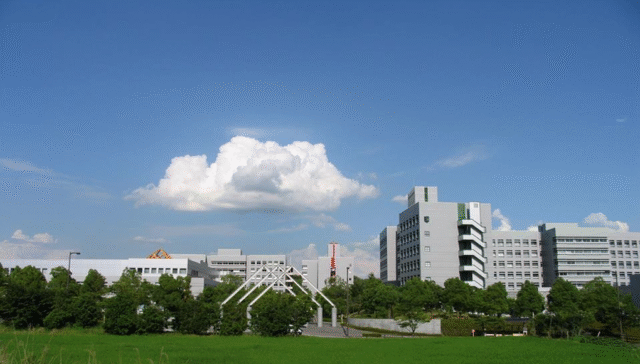
Kochi University, Japan
0
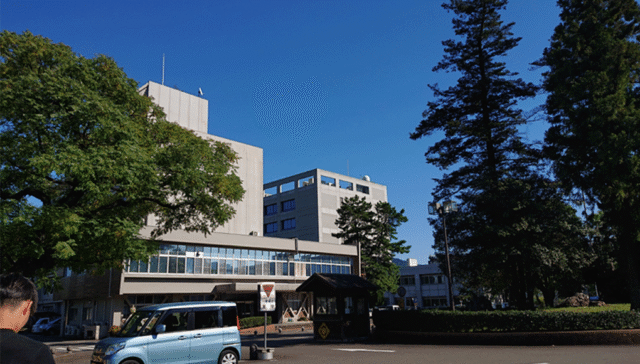
Kochi University, Japan

Kochi University: Harmonizing Regional Identity with Global Research Leadership


Introduction

Positioned in Kōchi Prefecture on Japan’s southern island of Shikoku, Kochi University exemplifies the synergy of “from Regionality to Globality and from Globality to Regionality.” Founded upon a legacy of teacher training and agricultural science, this national university has evolved into a comprehensive institution that promotes environmental-human harmony, interdisciplinary academic programs, and globally competitive research.


1. Establishment & Historical Evolution

  • Origins in 1874: Kochi University’s earliest predecessor, Toya-gakusha, later became Kochi Normal School; subsequently, Kochi Higher School (1922) and teacher training institutes contributed to its growth. It was officially chartered as a university in 1949 (Wikipedia).
  • Its motto, “from Regionality to Globality and from Globality to Regionality,” reflects a mission to serve local communities while producing research with global relevance.

2. Philosophy & Mission

Kochi University is dedicated to “environment-humanity harmony”—educating professionals versed in diverse disciplines and practical expertise to contribute effectively to society. Research priorities align with regional traits, especially leveraging the Kuroshio (Black Current) marine domain to address local and global challenges (kochi-u.ac.jp).


3. Faculties & Academic Programs

Undergraduate Faculties

  • Humanities & Social Sciences
  • Education
  • Science & Technology
  • Medicine (Medical School)
  • Agriculture & Marine Science
  • Regional Collaboration
  • Innovative Human Development (TOSA program) (Wikipedia)

Graduate Schools

  • Integrated Arts & Sciences
  • Nursing Science
  • Agricultural Sciences (United Graduate School in partnership)
  • Law School also offers advanced programs (Wikipedia)

4. Facilities & Campus Infrastructure

  • Science Research Center features divisions in:
    • Marine Biology & Environment
    • Life Sciences & Functional Materials
    • Laboratory Animal Science
    • Genome Science
    • Disaster Prevention (Nankai Earthquake) (kochi-u.ac.jp)
  • Center for Advanced Marine Core Research (MaCRI):
    • Japan’s only deep-sea sediment core repository supporting IODP (International Ocean Drilling Program)
    • Jointly operated with JAMSTEC
    • Advanced facility for marine-earth science research and public outreach (kochi-u.ac.jp)
  • Integrated Information Center:
    • Merged university libraries into one system (Asakura, Oko, Monobe)
    • Offers material and digital resources, high-speed computing, e-learning, and community access (kochi-u.ac.jp)
  • Center for Regional & International Collaboration (CRIC):
    • Supports regional development via education, research, and international exchange
    • Houses Intellectual Property, Joint Research, and International Collaboration units (kochi-u.ac.jp)

5. Address & Contact Details

  • Main Campus:
    2-5-1 Akebono-cho, Kōchi 780-8520, Japan
    Tel: +81-88-844-0111 (kochi-u.ac.jp)

6. Academic Excellence & Research Highlights

  • Kochi University excels in marine and environmental sciences, reflecting its proximity to the Kuroshio region.
  • Interdisciplinary research includes:
    • Deep-sea core science (MaCRI)
    • Marine biology and biotechnology
    • Life sciences with facilities for isotope, genetic, and animal-based research
    • Disaster prevention targeting regional seismic hazards (kochi-u.ac.jp)
  • Research output recognized with government awards, enhancing the university’s standing.

7. Career Development & Placement Support

  • The Center for General Student Support and specialized units like teacher development center and admission/faculty development centers bolster academic and career progression (Wikipedia).
  • Although not explicitly described as a “Placement Cell,” these structures integrate student advising, research, and professional readiness.

8. Campus Life & Student Support

  • Modern facilities span libraries, research centers, community outreach offices, and disaster prevention labs.
  • CRIC and MaCRI offer engagement with global scholars and local communities alike.
  • The Integrated Information Center supports lifelong learning for students and regional residents.

9. Scholarships & Fellowships

  • The presence of international collaboration units (CRIC), research centers, and integrated libraries implies support systems—though specifics should be explored directly through official university channels.

10. Notable Alumni & Reputation

  • As a national university anchored in Kōchi Prefecture, the university plays an important role in regional academia and policy.
  • Its research centers position it as a hub for marine science and disaster resilience.

11. Rankings & Recognition

  • Kochi University’s global rankings place it among the 1501–1800 band in THE listings, highlighting its international credentials (Wikipedia).
  • Recognition extends to its authority in earth science data, marine coring, and local environmental leadership.

Conclusion

Kochi University stands as a powerful model of integrating regional stewardship with global research ambitions. With its multidisciplinary faculties, cutting-edge marine and environmental research infrastructure, institutional mission grounded in ecological harmony, and infrastructure supporting students and community, the university genuinely exemplifies its motto: from Regionality to Globality and from Globality to Regionality.


Summary Table

Aspect Highlights
Founded 1949 (predecessors since 1874)
Motto “…from Regionality to Globality…and back”
Faculties Humanities, Education, Science & Tech, Medicine, Agriculture & Marine Science, Regional Collaboration
Graduate Programs Integrated Arts & Sciences, Nursing, Agriculture, Law
Signature Centers MaCRI, Science Research Center, Integrated Information Center, CRIC
Research Focus Marine core, Kuroshio science, biotech, disaster prevention
Mission Environment-humanity harmony, regional-global integration
Campus Location Kōchi City, Kōchi Prefecture
Rankings THE World 1501–1800
Contact 2-5-1 Akebono-cho, Kochi; Tel: +81-88-844-0111

Kochi University Japan admission process, Kochi University scholarship opportunities, best courses at Kochi University Japan, Kochi University international student guide, Kochi University campus life Japan, Kochi University Japan research programs, Kochi University Japan global rankings, how to apply to Kochi University Japan

University of the Ryukyus, Japan

0
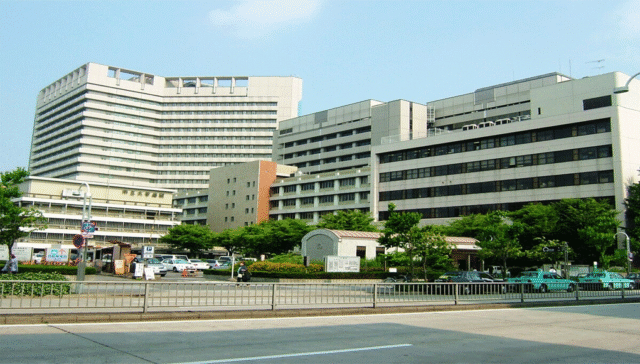
University of the Ryukyus, Japan

University of the Ryukyus: Bridging Okinawa’s Rich Heritage with Innovative Global Scholarship


Introduction

Located in the tropical heart of Okinawa, the University of the Ryukyus stands as Japan’s westernmost national university. Established amid post-war reconstruction on the historic grounds of Shuri Castle, it has matured into a vibrant academic hub, cultivating excellence in multidisciplinary research, island resilience, marine excellence, and cultural preservation—all while fostering international co-operation and community development.


1. Establishment & Historical Evolution

  • 1950: Founded under U.S. Civil Administration on Shuri Castle grounds, guided academically by Michigan State University (Wikipedia, u-ryukyu.ac.jp).
  • 1966: Administrative responsibilities transferred to the Government of the Ryukyu Islands (Wikipedia, u-ryukyu.ac.jp).
  • 1972: Upon Okinawa’s return to Japan, the university became a national university (Wikipedia, u-ryukyu.ac.jp).
  • 1975–1984: Relocated to its current campus in Nishihara to facilitate the restoration of Shuri Castle (Wikipedia, u-ryukyu.ac.jp).
  • 2004: Transformed into a National University Corporation under system reforms (Wikipedia, u-ryukyu.ac.jp).

2. Institutional Charter & Educational Mission

Rooted in the principle “Nuchi du takara” (Life is indeed a treasure), the university’s charter emphasizes:

  • Education grounded in freedom, equality, tolerance, and peace.
  • Academic freedom, research relevance to Okinawa’s unique island setting.
  • Contribution to world peace, public welfare, and sustainable local development (u-ryukyu.ac.jp).

3. Faculties, Graduate Schools & Academic Offerings

Undergraduate Faculties

Graduate Schools

  • Humanities & Social Sciences
  • Education
  • Medicine
  • Health Sciences
  • Engineering & Science
  • Agriculture
  • Law School (Wikipedia)

4. Facilities & Campus Infrastructure

Spanning lush urban surroundings near Nishihara, Ginowan, and Nakagusuku:

  • Major research & learning facilities include:
    • Center of Molecular Biosciences
    • Computing & Networking Center
    • Subtropical Field Science Center
    • Institute for Animal Experiments
    • Education & Clinical Center for Children with Disabilities
    • University Museum (Fujukan)
    • Radioisotope Laboratory
    • Environmental Science Center (Wikipedia).
  • Research infrastructure includes:
    • Global Education Institute
    • Research Institute for Islands and Sustainability (RIIS)
    • Tropical Biosphere Research Center
    • Disaster Prevention Research Center for Island Regions (u-ryukyu.ac.jp).

5. Academic Excellence & Research Focus

NCU tailors its research to Okinawa’s regional traits:

  • Island and marine ecosystem studies
  • Health, longevity, and Ryukyuan cultural research (u-ryukyu.ac.jp)
  • Additional mandates:
    • Coral reef biology and conservation
    • Subtropical agriculture & marine renewable energy
    • Disaster resilience in island contexts (innovation.world)
  • Recent innovative collaborations:
    • Okinawa Blue Carbon Project with OIST and partners (OIST).

6. Partnerships & Global Collaborations

  • Over 114 exchange agreements with institutions across 40 countries, especially in Asia-Pacific (u-ryukyu.ac.jp).
  • Sister-school ties since 1988 with University of Hawaii; more recent collaborations include Mokpo National University (South Korea) (Wikipedia).
  • MEXT’s “Inter-University Exchange Project” designation further boosts its international leadership (EDU-Port Japan).

7. Career Development, Placement & Student Support

  • International Student Center provides:
    • Career counseling
    • One-on-one sessions
    • Company information sessions tailored for job placements in Okinawa and Japan (ShortCoursesportal).
  • Extensive tutoring, housing, library services, and sports facilities enhance student life:
    • International dormitory
    • Multiple gyms, fields, swimming pool, archery dojo (ShortCoursesportal).

8. Scholarships & Fellowship Support

Though official site lacks explicit scholarship lists, the international programs and support systems imply student aid availability. Detailed inquiries should be directed to official university sources.


9. Notable Alumni & Reputation

  • NCU ranks as the largest public university in Okinawa and the southernmost national university in Japan (Wikipedia).
  • Its alumni and faculty actively contribute to Okinawa’s cultural, educational, and scientific landscape, enhancing its regional prominence.

10. Address & Contact Details

Main Campus Address:
1 Senbaru, Nishihara-cho, Nakagami-gun, Okinawa 903-0213, Japan (u-ryukyu.ac.jp).


11. Rankings & Recognition

  • Ranked among global institutions in Times Higher Education, positioning between 1501–1800, reflecting its growing global footprint (ShortCoursesportal).

Conclusion

The University of the Ryukyus is a testament to Okinawa’s resilience—rising from post-war origins to become a regional academic leader. Its harmonious blend of Okinawan heritage, academic rigor, environmental research, and global outreach makes it a distinct and deeply meaningful institution in Japan’s national university network.


Summary Table

Aspect Key Highlights
Founded 1950 (postwar), national university since 1972
Educational Mission “Life is indeed a treasure” – education for peace, equality, sustainability
Faculties Law, Education, Science, Medicine, Engineering, Agriculture
Graduate Schools Humanities, Education, Medicine, Health, Engineering, Agriculture, Law
Research Centers RIIS, Tropical Biosphere, Molecular Biosciences, Fujukan Museum
Global Nexus 114+ partners in 40 countries, sister school with Univ. of Hawaii
Career Support International career counseling and job support
Campus Facilities Museum, labs, sports, dormitories, libraries
Location Nishihara, Okinawa
Rankings THE World: 1501–1800 band

University of the Ryukyus courses and programs, best public universities in Okinawa Japan, University of the Ryukyus scholarships for international students, Ryukyus research and innovation centers, University of the Ryukyus admission process, Ryukyus campus facilities and services, notable alumni of University of the Ryukyus, career opportunities after studying at Ryukyus

Nagoya City University, Japan

0
Nagoya City University, Japan

Nagoya City University: A Pillar of Public Health, Innovation, and Education in Nagoya


Introduction

Established through the visionary merger of premier medical and pharmaceutical institutions, Nagoya City University (NCU) stands as a public beacon of excellence based in Nagoya. With a comprehensive network spanning medicine, economics, humanities, design, and more, NCU embodies a legacy of regional impact, global partnerships, and interdisciplinary achievement.


1. Establishment & History

  • Founded in 1950, Nagoya City University originated from the merging of two municipal institutions—Nagoya City Women’s Medical College and Nagoya Pharmaceutical College, leading to its two initial faculties: Medical School and Faculty of Pharmaceutical Sciences (Wikipedia, nagoya-cu.ac.jp).
  • Over time, NCU expanded:
    • 1955: Established the College of General Education
    • 1964: Launched the Faculty of Economics
    • 1988: Introduced the College of Nursing
    • 1996: Founded the School of Humanities and Social Sciences and School of Design and Architecture
    • 1999: Revamped as the School of Nursing (Wikipedia, nagoya-cu.ac.jp).

NCU’s evolution reflects its commitment to broadening academic horizons and meeting societal needs across decades.


2. Campuses & Institutional Affiliations

NCU operates four urban campuses within Nagoya:

  • Kawasumi Campus (Mizuho-ku): Host of Medical School and School of Nursing, connected to the University Hospital
  • Tanabe-dori Campus: Home to the Faculty of Pharmaceutical Sciences
  • Yamanohata Campus: Houses Faculty of Economics and School of Humanities and Social Sciences
  • Kita Chikusa Campus: Where the School of Design and Architecture is situated (Wikipedia).

Global & Domestic Links

NCU engages in widespread collaboration:

  • Domestic: Partnerships include Nagoya Institute of Technology, Meijo University, Fujita Health University, etc.
  • International: Academic exchange agreements span more than 50 universities worldwide—including institutions in the U.S., Europe, Australia, China, and Malaysia (nagoya-cu.ac.jp).

3. Courses Offered & Faculties

Undergraduate Schools

  • Medical School (6-year program)
  • Faculty of Pharmaceutical Sciences (6-year pharmacy, 4-year life sciences)
  • Faculty of Economics (departments of Public Policy, Management Systems, Accounting & Finance)
  • School of Humanities and Social Sciences
  • School of Design and Architecture
  • School of Nursing (Wikipedia, Wikipedia, nagoya-cu.ac.jp).

Graduate Schools

NCU covers a full range of advanced programs:

  • Graduate Schools in Medical Sciences, Pharmaceutical Sciences, Economics, Humanities and Social Sciences, Design and Architecture, Nursing, Science, and a School of Data Science (Wikipedia, nagoya-cu.ac.jp).

4. Academic Excellence & Faculty Strength

  • As of May 2025, NCU hosts 881 faculty members across diverse graduate schools, supported by a robust administrative and medical staff exceeding 4,000 people (nagoya-cu.ac.jp).
  • The university consistently records high employment rates across disciplines—100% for Medical and Pharmacy departments, and over 95% in others (nagoya-cu.ac.jp).

Such figures reflect NCU’s faculty quality, student yield, and employer readiness.


5. Research, Innovation & Centers

NCU’s research infrastructure spans multiple institutes:

  • Institute of Molecular Medicine
  • Center for Experimental Animal Science
  • Advanced Pharmaceutical Sciences Center
  • Institute of Economic Research
  • Institute for Studies in Humanities and Cultures
  • Institute of Natural Sciences (Wikipedia).

Additionally, pharmaceutical research explores frontiers like tumor microenvironment, Alzheimer’s pathology, cell imaging, and regulatory sciences (nagoya-cu.ac.jp).


6. Career Development & Placement Support

With a nearly perfect employment record across professional faculties, NCU’s Career Development initiatives are evidently strong, focused on preparing graduates for the workforce, especially in critical fields like healthcare and design (nagoya-cu.ac.jp).


7. Campus Facilities & Student Life

  • Library & Information Processing Center: Comprehensive academic resource center
  • University Hospital: Primary medical facility at Kawasumi
  • Medical Centers: East & West medical centers, providing vital healthcare services
  • Multiple libraries, lecture halls, research labs, and design studios across campuses (Wikipedia).

Urban campuses ensure students access modern amenities integrated into city life.


8. Address & Contact Details

Kawasumi Campus (Main Address)
1 Kawasumi, Mizuho-cho, Mizuho-ku, Nagoya, 467-8601, Japan
Website: NCU English portal (nagoya-cu.ac.jp, Wikipedia).


9. Reputation & Recognition

  • A reputable municipal public university with deep roots in medical and pharmaceutical education
  • Broad academic offerings and international outreach amplify its influence nationally and overseas (Wikipedia, nagoya-cu.ac.jp).

10. Scholarships & International Student Support

While specifics on scholarships are not included, NCU’s international exchange programs and global partnerships indicate supportive mechanisms for international students and funding—seen in the university’s expansion and depth.


11. Notable Alumni & Influence

The university’s legacy spans generations through its alumni in medicine, policy, design, and research. It remains central to Nagoya’s educational identity and serves the city through its medical services and academic leadership.


Conclusion

Nagoya City University stands as a prominent institution grounded in healthcare, innovation, and interdisciplinary learning. With its urban yet integrated campus network, exceptional faculty, research centers, and global ties, it continues to uphold academic vigor and societal service.


Summary Table

Aspect Highlights
Founded 1950 (merger of two colleges); roots to 1884 and 1943
Campuses Kawasumi, Tanabe-dori, Yamanohata, Kita Chikusa
Undergrad Schools Medicine, Pharmacy, Economics, Humanities, Design, Nursing
Graduate Schools Medical Sciences, Pharma, Economics, Humanities, Design, Science, Nursing, Data Science
Faculty Count 881 total (as of 2025)
Research Centers Institutes in medicine, pharma, humanities, economics, natural sciences
Employment Rates ~100% for Medical, Pharmacy, Nursing; ~95%+ overall
Global Reach Partnerships with universities across Asia, Europe, North America, Australia
Address 1 Kawasumi, Mizuho-cho, Nagoya

Nagoya City University admission process, Nagoya City University scholarship programs, courses offered at Nagoya City University Japan, research opportunities at Nagoya City University, Nagoya City University campus facilities, history of Nagoya City University Japan, Nagoya City University rankings in Japan, career opportunities at Nagoya City University

Teikyo University, Japan

0
Teikyo University, Japan

Teikyo University: Empowering Global Innovators Through Practical Learning and Global Vision


Introduction

Founded amid post-war reconstruction in 1966, Teikyo University has grown into a bold and diversified institution dedicated to “One’s Way” education—empowering individuals to chart their paths with practical skills, global insight, and open-minded thinking. With five dynamic campuses across Japan and international outreach, Teikyo nurtures students deeply rooted in their uniqueness and ready to contribute innovatively to society.


1. Establishment & Educational Philosophy

  • Established in 1966, Teikyo University began with Departments of Japanese and English Literature (Faculty of Liberal Arts) and Economics (Faculty of Economics) (teikyo-u.ac.jp).
  • Since then, it has expanded into a comprehensive university featuring 10 faculties, 33 departments, and 10 graduate schools, spread across five domestic campuses (teikyo-u.ac.jp).
  • The university’s educational philosophy—“One’s Way”—emphasizes:
    • Practical learning
    • International perspectives
    • Open-mindedness

Students are encouraged to discover their unique paths and take responsibility for their actions, supported by a learning environment that balances theory and practical experience (teikyo-u.ac.jp).


2. Campuses & Affiliations

Teikyo operates five key campuses within Japan:

  • Itabashi (Main Campus, Tokyo) – Administrative headquarters and home to faculties like Medicine and Liberal Arts (Wikipedia, Wikipedia).
  • Hachiōji (Tokyo) – The largest campus, hosting faculties such as Economics, Law, Foreign Languages, and more, plus the Junior College (Wikipedia, Wikipedia).
  • Sagamiko (Kanagawa) – Houses the early years of Pharmacy (Wikipedia).
  • Utsunomiya (Tochigi) – Campus for Science & Engineering (Wikipedia, Wikipedia).
  • Fukuoka (Ōmuta) – Home to Medical Technology faculty (Wikipedia, Wikipedia).

International campuses include affiliations in Durham (UK), Berlin (Germany), plus former campuses in the US and Netherlands (Wikipedia, Wikipedia, Wikipedia).

This multi-campus setup facilitates regional educational outreach and international collaboration opportunities.


3. Academic Structure: Faculties & Programs

Undergraduate Faculties

Teikyo offers diverse academic paths across fields:

  • Medicine, Pharmaceutical Sciences, Medical Technology (including Fukuoka)
  • Economics, Law, Liberal Arts, Languages & Cultures, Education
  • Science & Engineering
    (teikyo-u.ac.jp)

Graduate Schools

Comprehensive graduate programs include:

  • Graduate Schools in Medicine, Pharmaceutical Sciences, Economics, Law, Liberal Arts, Languages & Cultures, Science & Engineering, Medical Care & Technology, Health Sciences, Teacher Education, Public Health
  • Advanced Course: Midwifery (correspondence)
    (teikyo-u.ac.jp)

Teikyo also offers a Junior College option, emphasizing foundational learning and practical skill development (teikyo-u.ac.jp).


4. Facilities & Student Life

teikyo-u.ac.jp/en/campus

Teikyo’s campuses are rich in student-centric infrastructure:

  • Itabashi Campus: Equipped with shared medical learning spaces, a well-stocked Medical Library accessible until midnight, and lecture/study resources. From 2025, the Data Science department will revitalize the Faculty of Science & Engineering .
  • Hachiōji Campus: Nestled in scenic foothills, it features “SORATIO SQUARE” (lecture halls & cafeteria), an expansive Media Library holding 750,000 publications, language centers, academic lounges, and large halls for events .
  • Utsunomiya Campus: Spread across a large green area, fully-equipped classrooms, labs, and modern mobile connectivity support hands-on learning .
  • Fukuoka Campus: A modern facility overlooking Ariake Sea with open plazas and communal spaces for student interaction .

5. Research & Innovation

  • The Faculty of Science & Engineering drives high-profile research, with examples including:
    • Mouse ultrasonic communication studies (Biosciences + Info Systems Collaboration)
    • Pilot training enhancement combining aerospace engineering and judo therapy
    • Precision automated helicopter flight control via image recognition systems
      (teikyo-u.ac.jp)
  • Collaboration with JAXA on spacecraft lubricant behavior and CO₂ reduction modeling, reflecting aerospace research strength (teikyo-u.ac.jp).
  • Advances in epigenome-based therapy and brain function research in partnership with RIKEN under JST CREST funding (teikyo-u.ac.jp).
  • Startup Innovation: Selected by Tokyo Metropolitan Government to join their Startup Creation Support Project, Teikyo drives commercializing institution-based research through applied learning and arts-science fusion (teikyo-u.ac.jp).
  • Broader research includes promoting gender equality for researchers and career design education, such as “Work–life studies in the medical field,” benefiting over 80 students annually (teikyo-u.ac.jp).

6. Academic Excellence & Reputation

  • Global Rankings: Teikyo ranked among world’s top 501–600 universities and 78th in Asia in 2019–2020 by Times Higher Education (Wikipedia).
  • With a student body over 21,000 undergraduates and 441 postgraduates, Teikyo’s academic community continues to grow (Wikipedia).
  • The integration of innovation, research, and international reach cements its regional and national standing.

7. Career Development & Student Support

  • Career counseling, qualification support, job-hunting assistance, and disaster relief financial aid reinforce student resilience (teikyo-u.ac.jp).
  • Practical learning, international programming, and open-minded training ensure graduates are career-ready and globally competitive.

8. Scholarships & Financial Assistance

  • Teikyo provides a range of financial support mechanisms, including scholarships, natural disaster aid, and tuition support. Prospective students should consult official channels for details (teikyo-u.ac.jp).

9. Notable Alumni & Achievements

Prominent alumni showcase Teikyo’s diverse influence:

  • Ryoko Tani – Legendary Olympic gold medalist in judo
  • Carlos Yulo – Filipino Olympic gold medalist in gymnastics
  • Togi Makabe – Professional wrestler
  • Iemitsu Arai – Mayor of Fukaya
  • Ayumi Uekusa – Karate champion
  • Roland – TV personality and host
    (Wikipedia)

Additionally, the university’s rugby team dominates the All-Japan University Rugby Championship, holding the title multiple times since 2009 (Wikipedia).


10. Address & Contact Details

  • General Headquarters – Itabashi Campus
    Itabashi-ku, Tokyo, Japan (Exact postal details available onsite)
    Tel: accessible via official contact pages (Wikipedia).

Conclusion

Teikyo University stands as a testament to the power of individualized education, practical learning, and international awareness. Through its multi-campus system, strong research foundations, global engagement, and legacy of world-renowned alumni, Teikyo continues to shape innovative leaders prepared to meet the challenges of tomorrow through passion, creativity, and real-world action.


Summary Table

Aspect Highlights
Founded 1966 in Tokyo; evolved rapidly into a comprehensive institution
Educational Philosophy “One’s Way”: Practical learning, International perspectives, Open-mindedness
Campuses Itabashi, Hachiōji, Sagamiko, Utsunomiya, Fukuoka
Undergrad Faculties Medicine, Law, Economics, Science, Engineering, Pharmacy, Liberal Arts, etc.
Graduate Schools 10 including Medicine, Engineering, Public Health, Teacher Education
Research Strengths Aerospace, biosciences, space tech, startup innovation
Rankings THE World 501–600, Asia 78
Alumni Olympians, politicians, media figures
Sporting Excellence Champion rugby team at national level
Support Services Career development, scholarship, disaster aid

Teikyo University Japan courses and programs, Teikyo University admission requirements Japan, scholarships at Teikyo University Tokyo, Teikyo University campus facilities Japan, Teikyo University research opportunities, Teikyo University student life Japan, Teikyo University academic rankings, Teikyo University career placement services

Tokyo Women’s Medical University, Japan

0
Tokyo Women’s Medical University, Japan

Tokyo Women’s Medical University: Leading with Sincerity, Compassion, and Women’s Empowerment in Medicine


Introduction

Founded in 1900 to uplift women’s social and economic independence through medicine, Tokyo Women’s Medical University (TWMU) in Shinjuku, Tokyo, stands as Japan’s only women’s medical university. Guided by its guiding principles of “Sincerity and Compassion” and a continued focus on advancing women in the medical profession, TWMU has expanded into a comprehensive educational institution—offering pioneering programs in medicine, nursing, and medical science, alongside internationally oriented education, robust research facilities, and excellence in clinical care.


1. Establishment & Historical Evolution

  • 1900: Established as Tokyo Women’s Medical School by Dr. Yayoi Yoshioka, with the mission of empowering women through professional medical education—a radical vision in early 20th-century Japan. (東京女子医科大学)
  • 1908–1952: Evolved through stages—opening the school hospital (1908), becoming Tokyo Women’s Medical Professional School (1912), navigating wartime expansions and closures of nursing institutes, eventually formalized as Tokyo Women’s Medical College in 1952 under Japan’s reformed educational structure. (東京女子医科大学)
  • 1998: Renamed Tokyo Women’s Medical University, coinciding with establishment of the School of Nursing. (東京女子医科大学)

2. Founding Philosophy

  • TWMU was founded on the belief that medicine served as both noble profession and a vehicle for women’s empowerment, supporting financial and social independence. (東京女子医科大学)
  • The university philosophy—“Sincerity and Compassion”—continues to guide its educational, clinical, and research missions, rooted in caring ethics and dedication. (東京女子医科大学)

3. Academic Structure: Faculties & Courses Offered

Undergraduate Schools

  • School of Medicine – primary medical education for aspiring female physicians.
  • School of Nursing – established in 1998, expanding professional scope. (東京女子医科大学)

Graduate Programs

  • Graduate School of Medical Science – doctoral and master’s programs across functional studies, morphology, social medicine, internal medicine, surgical medicine, and advanced life science. (東京女子医科大学)

International Education

  • TWMU fosters global perspectives via education and exchange:
    • School of Medicine has partnerships with 12 universities in 9 countries, enabling clinical clerkships abroad for 5th-year students. (東京女子医科大学)
    • School of Nursing hosts student exchanges with the University of Hawai‘i, Alverno College, Hawaii Pacific University, and Ewha Womans University. (東京女子医科大学)

4. Clinical & Hospital Facilities

  • Tokyo Women’s Medical University Hospital (Shinjuku): Houses ~50 clinical departments offering advanced procedures including robot-assisted surgeries (~600/year), minimally invasive and catheter treatments, and ~10,000 surgeries annually—upholding the institution’s philosophy of compassionate, high-quality care. (東京女子医科大学)
  • Adachi Medical Center (opened Jan 2022): A regional core hospital with tertiary emergency care, cancer treatment, obstetrics, Kampo and acupuncture services—serving as a vital educational and clinical hub in Northeast Tokyo. (東京女子医科大学)

5. Research Facilities & Innovation

  • TWIns (Tokyo Women’s Medical Uni–Waseda University Joint Institution for Advanced Biomedical Sciences): Created in 2008 to fuse medicine, science, engineering, and industry. Features:
    • Institute of Advanced Biomedical Engineering & Science (IABMES): Pioneering regenerative medicine, cell sheet engineering, robotic surgical systems. (東京女子医科大学)
    • Medical Innovation Laboratory (MIL): A platform for academia-industry collaboration to translate research into practical technologies. (東京女子医科大学)
  • Institute of Laboratory Animals: Supports genomic and regenerative medicine research via genome editing and in vitro embryology. (東京女子医科大学)
  • Cancer Center: Integrates advanced clinical care (e.g., gamma knife, IMRT, molecular-targeted therapies) with translational cancer research. (東京女子医科大学)
  • Clinical and Academic Research Promotion Center (CARP): Established in 2020 to manage clinical trials, ethics, and research quality across the university. (東京女子医科大学)
  • Medical Research Institute (1958): Hosts foundational laboratories and facilities using radioactive isotopes. (東京女子医科大学)
  • IABMES (2001): Offers structured PhD programs in techno-surgery, regenerative engineering, artificial organs, and translational medicine. (東京女子医科大学)

6. Library & Learning Facilities

  • University Library System: Includes Main Library, Adachi and Yachiyo branches, plus Media Lab and archives. The Main Library’s modern building (opened 2020) supports collaborative learning and digital research. (東京女子医科大学)
  • Yoshioka Yayoi Memorial Room: Pride of TWMU, preserving the founder’s legacy via personal artifacts, writings, and historical documents. (東京女子医科大学)

7. Career Development & Professional Support

  • Career Development Center for Medical Professionals: Supports lifelong career growth, especially empowering women physicians and nurses. Recognized with the 2017 Tokyo Metropolitan Government Women’s Empowerment Award. Notably, as of July 2020, female professors made up 31.1% of faculty. (東京女子医科大学)

8. Address & Contact Details

  • Main Campus (Shinjuku)

9. Academic Excellence & Reputation

  • TWMU continues to uphold its unique identity as the only women’s medical university in Japan, rooted in empowering female medical professionals. (東京女子医科大学)
  • Its cross-disciplinary research, advanced clinical technologies, and global partnerships enhance its contribution to modern medicine and education.

10. Notable Alumni

  • Utako Okamoto, MD – Discovered tranexamic acid, a globally essential hemostatic medicine used for postpartum hemorrhage; TWMU alumna. (Wikipedia)

11. Scholarships & International Support

  • While detailed scholarship listings are not shown, TWMU’s robust International Education framework and career development support imply structured student assistance and mobility programs. (東京女子医科大学)

Conclusion

Tokyo Women’s Medical University stands as a pioneering institution merging women’s empowerment, medical education, clinical excellence, and innovative research. With its deep-rooted history, multi-faceted academic structure, cutting-edge facilities, and a steadfast commitment to nurturing compassionate female medical professionals, TWMU continues to shape the future of healthcare in Japan and beyond.


Summary Table

Aspect Highlights
Founded 1900 (Medical School); College formed 1952; University named in 1998
Founding Vision Empower women through medicine—sincerity & compassion
Schools Medicine, Nursing; Graduate School of Medical Science
International Links Medicine (12 schools in 9 countries), Nursing (Hawai‘i, Korea, US)
Clinical Facilities Main Hospital (robotic/minimally invasive surgery); Adachi Medical Center
Research Centers TWIns, IABMES, Cancer Center, CARP, Research Institute
Library & Archives Modern main library, Media lab, founder memorial room
Career Support Women’s Career Center—women professor rate 31.1% (2020)
Notable Alumna Utako Okamoto—discovered tranexamic acid
Address Shinjuku, Tokyo; Tel: +81-3-3353-8111

Tokyo Women’s Medical University admission process, Tokyo Women’s Medical University medical programs, women’s medical universities in Japan, top women’s medical colleges Japan, Tokyo medical university scholarships, Japanese women’s medical school rankings, study medicine in Tokyo Japan, Tokyo Women’s Medical University campus facilities

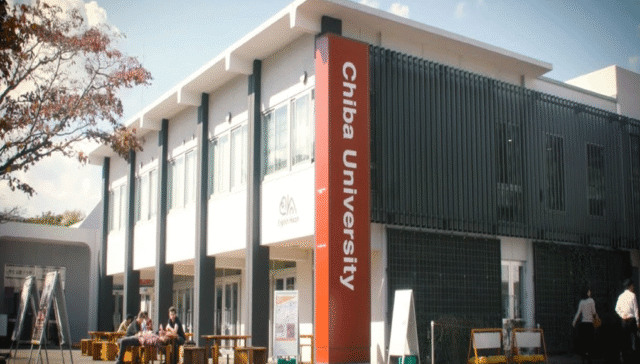
Chiba University, Japan

0
Chiba University, Japan

Chiba University: A Legacy of Excellence and Global Innovation in Japan’s Capital Region


Introduction

Established upon the foundations of a 19th-century normal school and public hospital, Chiba University has grown into a major national institution emphasizing interdisciplinary education, global connectivity, and regional advancement. With multiple campuses spanning humanities to medicine, cutting-edge research centers, and international programs, Chiba University embodies a holistic blend of tradition and innovation.


1. Establishment & Historical Evolution

  • Origins (~150 years ago): Traced back to the Chiba Normal School and Chiba Public Hospital.
  • 1949: Reestablished by integrating five faculties into what became Chiba University (chiba-u.ac.jp).
  • Leadership watchword: ad altiora semper (“always aim higher”)—guiding students toward mature judgment and creative thinking.
  • 1998: Introduced Japan’s first early enrollment program for high school students.
  • Most recent milestone: First national university to launch a College of Liberal Arts and Sciences (chiba-u.ac.jp).

2. Campuses & Affiliations

Chiba University spans five campuses within Chiba Prefecture and Tokyo:

Campus Major Faculties / Schools
Nishi-Chiba Liberal Arts & Sciences, Letters, Law & Economics, Education, Science, Engineering
Inohana Medicine, Pharmaceutical Sciences, Nursing
Matsudo Horticulture
Kashiwanoha (Details not specified)
Sumida (Tokyo) Satellite campus, program support
(chiba-u.ac.jp)

Strategically positioned within the Tokyo metro area, the university facilitates collaboration with global industries while providing students with both urban and natural settings (chiba-u.ac.jp).


3. Academic Structure: Courses & Programs Offered

Chiba University includes a diverse and robust educational structure:

Degree Offerings in English:

  • Graduate Schools offer international programs, such as:
    • Humanities & Public Affairs (MA/PhD)
    • Science & Engineering (Creative, Fundamental, Architecture, Materials, etc.)
    • Horticulture (Master’s & Doctoral)
    • Medical & Pharmaceutical Sciences (Doctoral)
    • Nursing (International Master’s & Doctoral)
      (chiba-u.ac.jp)

Comprehensive Graduate Faculties:

  • Humanities & Social Sciences, Education, Nursing, Law, Social Sciences, Science & Technology, Medicine, Pharmaceutical Sciences, and Law School (Japan) (Wikipedia).

4. Facilities & Student Life

  • Academic Link Center (Library): Offers collaborative learning spaces, digital scholarship services, flexible group study zones, and consultation services for research and learning (chiba-u.ac.jp).
  • General Student Service Center & International Support Desk (ISD): Provide essential support for international students—immigration, scholarships, housing, language assistance (chiba-u.ac.jp).
  • English House: Welcomes cross-cultural communication and informal language learning with digital resources (iPads, books, etc.) (chiba-u.ac.jp).
  • Volunteer Activity Center: Promotes student engagement through support for university-based volunteer initiatives (chiba-u.ac.jp).
  • Cafeterias & Co-op: Offer diverse culinary options, including halal fare; Co-op also stocks books and daily essentials (chiba-u.ac.jp).
  • Sports Facilities: Track, gymnasiums, and athletics spaces support physical wellness (chiba-u.ac.jp).
  • Housing: Includes International House, dorms, and seminar houses for students and staff comfort (chiba-u.ac.jp).

5. Research & Innovation

A strong focus on advanced research supports the university’s reputation:

  • Research Center for Regenerative Therapeutics (Inohana Campus): Established in 2015 to advance stem-cell and iPS cell applications for disease modeling and therapeutics (chiba-u.ac.jp).
  • Research Institute of Disaster Medicine: Develops models and expertise for medical response to disasters—from pandemics to earthquakes—bridging medicine, nursing, AI, and agriculture (chiba-u.ac.jp).
  • Industry-Academia Collaborative Research: Structured partnerships with companies and governments promote impactful applied research and intellectual property sharing mechanisms (imo.chiba-u.ac.jp).

6. Academic Excellence & Global Engagement

  • Top Global University Project designation by MEXT: Recognized for internationalization strategy since 2014, including early admissions, Global Campus initiative, and liberal arts innovation (chiba-u.ac.jp).
  • Global Network: Partnerships with 500+ institutions across 50 countries enhance educational and research outreach (chiba-u.ac.jp).

7. Career Support & Placement

  • Clear International Support Desk and student services assist with career, scholarship, and immigration navigation.
  • While there isn’t a dedicated “Placement Cell” publicized, the university’s global and research connections infer strong career pathways for graduates.

8. Notable Alumni

Chiba University boasts alumni who have excelled across diverse fields:

  • Ai Aoki – Politician (Education)
  • Nobuyoshi Araki – Photographer
  • Masanobu Endō – Video Game Designer
  • Katsuichi Honda – Journalist
  • Tomisaku Kawasaki – Pediatrician (Kawasaki Disease)
  • Taku Kishimoto – Anime Screenwriter
  • Naoshi Mizuta – Composer
  • Kayoko Okubo – Comedian
  • Norihisa Tamura – Minister of Health, Labor and Welfare
  • Takashi Yanase – Cartoonist of “Anpanman” fame (Wikipedia).

9. Reputation, Rankings & Awards

  • A national leader in innovation, global education, and interdisciplinary strengths.
  • MEXT designations and robust international collaboration bolster its prestige and future-readiness.

10. Address & Contact Details

  • Nishi-Chiba (Main Administration): 1-33 Yayoicho, Inage-ku, Chiba-shi, Chiba, 263-8522, Japan. Tel: +81-43-251-1111 .

Conclusion

Chiba University stands at the nexus of tradition and progress—anchored by its historical roots, empowered by a global mission, and sustained by a deep commitment to innovation, student support, and interdisciplinary excellence. Across its campuses and programs, it continues to educate, research, and lead with impact.


Summary Table

Category Highlights
Founded Origins ~150 years ago; consolidated as university in 1949
Campuses Nishi-Chiba, Inohana, Matsudo, Kashiwanoha, Sumida (Tokyo)
Programs Offered Undergraduate and graduate across medicine, engineering, etc.
Facilities Library, ISD, English House, cafes, sports, housing
Research Centers Stem cell, disaster medicine, industry collaborations
Global Status MEXT Top Global Uni, 500+ partner institutions
Alumni Diverse leaders in medicine, arts, politics, science
Contact Info Nishi-Chiba Admin Bureau Tel: +81-43-251-1111

Chiba University admission process for international students, Chiba University scholarship opportunities for global students, Chiba University research programs in Japan, courses offered at Chiba University Japan, Chiba University facilities and campus life, Chiba University ranking in Japan, how to apply to Chiba University Japan, Chiba University international student guide

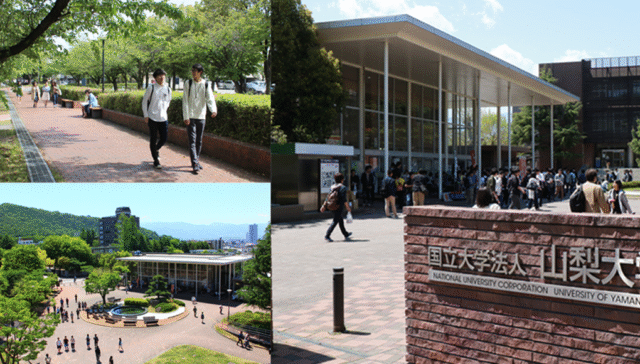
University of Yamanashi, Japan

0
University of Yamanashi, Japan

University of Yamanashi: Tradition, Innovation, and Interdisciplinary Excellence in the Heart of Japan


Introduction

Nestled in the scenic heart of Yamanashi Prefecture, the University of Yamanashi—fondly called Nashidai—blends centuries-old educational roots with a forward-looking vision. Evolving from early domain schools in 1795 to a modern national university system, it serves as a dynamic hub of learning and research across multiple disciplines. With campuses in Kōfu and Chūō, it champions interdisciplinary education, global collaboration, and regional empowerment.


1. Establishment & Historical Evolution

  • Origins in 1795: Founded as “Kitenkan,” a branch of the Tokugawa-era Shoheizaka School, one of Japan’s prestigious domain schools (Wikipedia).
  • Post-Meiji era expansions: Transformed into Yamanashi Normal School, Junior School in 1921, and the Engineering High School in 1924 (Wikipedia).
  • Post-WWII reorganization: These institutions integrated into the modern University of Yamanashi under Japan’s new education system (Wikipedia).
  • 1978 milestone: The opening of Yamanashi Medical University, the prefecture’s first medical university (Wikipedia).
  • 2002 restructuring: The institution entered its current form as a national university corporation, merging medicine with broader academic faculties (Wikipedia).

2. Campuses & Affiliations

Kōfu Campus

Hosts the Faculties of Education & Human Sciences, Engineering, and Life & Environmental Sciences at:
4-4-37 Takeda, Kōfu-shi, Yamanashi 400-8510 (Tel: 055-252-1111) (Yamanashi University).

Faculty of Medicine Campus

Includes the Faculty of Medicine and University Hospital at:
1110 Shimokato, Chūō-shi, Yamanashi 409-3898 (Tel: 055-273-1111) (Yamanashi University).


3. Education, Faculties & Courses Offered

Undergraduate Faculties

  • Education & Human Sciences
  • Engineering
  • Life & Environmental Sciences
  • Medicine

Graduate Schools & Programs

  • Integrated Graduate School of Medicine, Engineering, and Agricultural Sciences:
    • Master’s: Biomedical Science; Nursing Science; Engineering; Life & Environmental Sciences
    • Doctoral: Medicine; Nursing & Health Science; Engineering; Integrated Applied Life Science
  • Graduate School of Education including a Special Advanced Program in Special Needs Education
    (Yamanashi University).

4. Academic Excellence & Research Achievements

  • Nobel Laureate alumnus: Satoshi Ōmura, awarded the 2015 Nobel Prize in Physiology or Medicine, is among its distinguished graduates (Wikipedia).
  • Renowned faculty support global research stories in intelligent robotics and robotics engineering (e.g., Hiroshi Ishiguro, inventor of SCARA robots) (Wikipedia).
  • Continual faculty recognition highlights: Prof. Kakinuma received the CerSJ Awards for ceramics science; Prof. Uchida’s paper earned supplementary journal cover status; Prof. Miyatake’s work landed on front covers and top-viewed lists .

5. Career Development & Placement Support

  • A dedicated Career Center provides employment guidance, including part-time job listings (ciee.yamanashi.ac.jp).
  • International students benefit from academic advising, peer tutoring via the internationalization center, and personal counseling services (ciee.yamanashi.ac.jp).

6. Campus Facilities & Student Life

  • Facilities across both campuses include libraries, labs, cafeterias, and residence halls built for local and international students (Yamanashi University, ciee.yamanashi.ac.jp).
  • Health Care Centers and counseling services support mental and physical wellbeing, while accommodations and apartment support ease student life logistics (ciee.yamanashi.ac.jp, Yamanashi University).
  • A highly responsive student support system includes financial aid, honor student recognition, insurance support, and emergency scholarships (Yamanashi University).

7. Internationalization & Scholarships

  • The Center for Promotion of Internationalization offers Japanese language courses, cultural events, peer support, and residency assistance (Yamanashi University).
  • Scholarship offerings include:
    • MEXT scholarships for undergraduate and graduate students (up to 145,000 JPY monthly) via embassy or university recommendation (ciee.yamanashi.ac.jp).
    • JASSO Honors Scholarships (~48,000 JPY/month) for academically excellent privately-financed students (ciee.yamanashi.ac.jp).
    • Doctoral fellowships with university stipend (45,000 JPY/month) for up to 4 years (ciee.yamanashi.ac.jp).
    • CSC–University of Yamanashi Scholarship collaboration with China Scholarship Council for doctoral candidates and researchers (ciee.yamanashi.ac.jp).
    • Additional JASSO and localized support via university-administered channels (Yamanashi University).

8. Notable Alumni & Leadership

  • Satoshi Ōmura – Nobel Prize laureate in Physiology or Medicine (2015) (Wikipedia).
  • Hiroshi Ishiguro – Renowned robotics engineer and innovator in intelligent human-robot systems (Wikipedia).
  • Hiroshi Makino – Pioneer behind SCARA robot development (Wikipedia).
  • Leadership ties include Takeshi Itō, former president and noted economist and peace activist (Wikipedia).

9. Reputation, Collaborations & Rankings

  • Although specific global rankings aren’t listed, the university’s academic pedigree and alumnus’ achievements reinforce its prestige.
  • International partnerships extend across 16 countries, with ties to institutions such as Durham University, Karolinska Institute, Oxford Brookes University, TU Munich, and more (Wikipedia).

10. Address & Contact Details


Conclusion

The University of Yamanashi (Nashidai) stands as a living bridge between Japan’s scholarly heritage and modern academic innovation. With its deeply historical origins, integrated campuses, dynamic faculties, robust support systems, and global outreach, the university nurtures well-rounded professionals ready to address contemporary challenges—fusing local rootedness with global excellence.


Summary Table

Category Highlights
Founded 1795 (Kitenkan) → modern university post-1945; restructured in 2002
Campuses Kōfu (Education, Engineering, Life Science); Chūō (Medicine)
Faculties Medicine; Engineering; Engineering & Environmental Sciences; Education
Graduate Schools Integrated Medicine/Engineering/Agricultural Sciences; Education; Special Needs
Research Excellence Nobel laureate alumnus; published papers; multiple awards
Scholarships MEXT, JASSO, CSC-UY, University fellowships
Student Support Tutoring, counseling, insurance, housing, part-time work support
Global Partnerships Universities in Europe, USA, China, Thailand, Germany
Alumni Satoshi Ōmura, Hiroshi Ishiguro, Hiroshi Makino
Contact Admissions, Scholarships, Career, International Offices available

University of Yamanashi admission process, University of Yamanashi scholarships for international students, study engineering at University of Yamanashi, University of Yamanashi research centers, Yamanashi Japan university ranking, University of Yamanashi campus facilities, University of Yamanashi alumni achievements, best universities in Yamanashi Japan

Toho University, Japan

0
Toho University, Japan

Toho University: A Legacy of Natural Science, Compassion, and Medical Innovation


Introduction

Founded in 1925 on the ideals of “Nature, Life, Man”, Toho University began as the Imperial Women’s Medical College and evolved into a multi-disciplinary institution with deep roots in medicine, pharmacy, science, nursing, and health science. Today, with campuses in Tokyo and Chiba, the university remains committed to training professionals grounded in scientific rigor, humanistic awareness, and societal contribution.


1. Establishment & Historical Evolution

  • 1925: Founded as the Imperial Women’s Medical College by Yutaka and Susumu Nukada in Ōmori, Tokyo (global.toho-u.ac.jp).
  • 1926–1930: Expansion into the Imperial Women’s Medical and Pharmaceutical College and later the Imperial Women’s College of Science (global.toho-u.ac.jp).
  • 1946–1949: Relocated the Faculties of Pharmaceutical Sciences and Science to Narashino, Chiba. In 1950, the school transformed into the coeducational Toho University, comprising Faculties of Medicine, Pharmaceutical Sciences, and Science (global.toho-u.ac.jp, Wikipedia).
  • 1959–2017: Gradual establishment of graduate schools—Medicine (1959), Pharmaceutical Sciences (1979), Science (1982), Nursing and Health Science (2011, 2013, 2017) (global.toho-u.ac.jp).

2. Campuses & Affiliations

Omori Campus (Tokyo)

Home to the Faculties of Medicine and Nursing, rooted in over 90 years of history and conveniently located adjacent to the teaching hospital—making it ideal for hands-on training (global.toho-u.ac.jp).

Narashino Campus (Chiba)

Hosts Faculties of Pharmaceutical Sciences, Science, and Health Science in a tranquil setting with ample practical facilities, research labs, and recreational infrastructure (global.toho-u.ac.jp).


3. Courses Offered (Academic Structure)

Undergraduate Faculties

  • Medicine
  • Pharmaceutical Sciences
  • Science
  • Nursing
  • Health Science (as the fifth natural sciences discipline) (global.toho-u.ac.jp).

Graduate Schools

  • Graduate School of Medicine (Master’s & Doctoral: metabolic control systems, higher function regulation, biological response, socio-environmental care) (global.toho-u.ac.jp).
  • Pharmaceutical Sciences
  • Science
  • Nursing (Master’s & PhD across diverse nursing specializations) (global.toho-u.ac.jp).

Non-Degree Programs

  • Clinical Electives Program (for final-year medical students)
  • Clinical Training for Foreign Physicians
  • International Physician Observership Program (global.toho-u.ac.jp).

4. Facilities & Campus Life

  • Media Center: Equipped with specialist medical books, journals, videos, and campus-wide network access (global.toho-u.ac.jp).
  • Medical Self-Study Center: Reserved for medical students and staff, accessible via ID card during extended weekday hours (global.toho-u.ac.jp).
  • Student Cafeteria (l*est) and Student Lounge (T*square): Comfortable spaces for meals and group study activities (global.toho-u.ac.jp).
  • Campus Living Culture: April entrance ceremonies, diverse extracurriculars (cultural & sports festivals), and dedicated study zones for final-year medical students (global.toho-u.ac.jp).

5. Address & Contact Details

  • Omori Campus: 5-21-16 Omorinishi, Ōta-ku, Tokyo — accessible via Kamata Station or Keikyu Umeyashiki; approx. 20 min from Tokyo International Airport (global.toho-u.ac.jp).
  • Narashino Campus: 2-2-1 Miyama, Funabashi-shi, Chiba — near Keisei Okubo Station and JR Tsudanuma; 45 min from Narita Airport (global.toho-u.ac.jp).

6. Academic Excellence

  • Toho University remains a distinguished private university in medical and natural sciences, with core values steeped in both technology and humanism (Wikipedia, global.toho-u.ac.jp).
  • Over 32,000 alumni serve globally in medical and related fields, reflecting the institution’s sustained educational impact (global.toho-u.ac.jp).

7. Career Development & Placement Support

  • The Clinical Electives and Observership Programs support global medical student exposure to clinical practices at Toho University hospitals (global.toho-u.ac.jp).
  • Strong hospital affiliation ensures advanced clinical training and networking—though a formal “Career Cell” is not explicitly listed.

8. Research Activities & Innovation

  • Graduate School of Medicine includes advanced research in molecular, clinical, and societal health issues. Facilities include an Advanced Research Center and Laboratory Animal Resources Center (global.toho-u.ac.jp).
  • Faculty of Science, via the Department of Biomolecular Science, explores neurobiology and molecular mechanisms using genetic models like Drosophila (lab.toho-u.ac.jp).
  • The Coordination Chemistry Lab investigates novel materials with magnetic, optical, and chiral properties for futuristic applications (lab.toho-u.ac.jp).
  • Cutting-edge technology research includes development of trusted inter-reality infrastructure for integrating physical and virtual realities—part of a JST CREST project (global.toho-u.ac.jp).

9. Scholarships & Fellowships

  • Official sources reference a dedicated Scholarships section under Admissions, though details are not publicly enumerated (global.toho-u.ac.jp). Prospective students should consult admissions for official opportunities.

10. Notable Alumni

  • Ryoji Yamagishi — Esteemed archaeologist and director of the Japanese Archaeological Association, highlighting Toho’s global academic reach (Wikipedia).

11. Reputation, Rankings & Awards

  • Recognized as one of Japan’s most prestigious private universities, Toho is particularly strong in medical and life sciences education (Wikipedia, Wikipedia).
  • Its founding on women’s medical education and transition to broader scientific disciplines stands as a notable trait in Japan’s educational history.

Conclusion

Toho University embodies a century-long legacy of academic growth, compassion, and scientific excellence. With its two vibrant campuses, comprehensive programs across medicine, science, and health, state-of-the-art facilities, and commitment to global collaboration, the university continues to nurture professionals grounded in empathy and innovation.


Summary Table

Aspect Details
Founded 1925 (Imperial Women’s Medical College); University since 1950
Campuses Omori (Medicine & Nursing), Narashino (Pharma, Science, Health Science)
Faculties Medicine, Pharmaceutical Sciences, Science, Nursing, Health Science
Graduate Schools Medicine, Pharma, Science, Nursing
Research Focus Neuroscience, Biomolecular science, Coordination chemistry, VR infrastructure
Student Life Cafeterias, self-study centers, cultural & sports festivals
Career/Global Programs Clinical electives, observerships
Notable Alumni Ryoji Yamagishi (Archaeologist)
Ethos Nature, Life, Man — blend of science and humanity

Toho University Japan programs, Toho University admission process, Toho University scholarship opportunities, Toho University research departments, Toho University campus facilities, Toho University notable alumni, Toho University ranking Japan, Toho University career opportunities, Toho University academic excellence, Toho University placement cell

Kyushu Institute of Technology, Japan

0
Kyushu Institute of Technology, Japan

Kyushu Institute of Technology: Forging Innovators Through a Century of Engineering Excellence


Introduction

Founded amid Japan’s Meiji-era drive for modernization, Kyushu Institute of Technology (Kyutech) has upheld a legacy of engineering education and innovation since 1907. With three distinct campuses in Fukuoka—that reflect decades of expansion in engineering, computing, and life sciences—Kyutech remains a vibrant national university dedicated to producing interdisciplinary leaders grounded in both technical acumen and societal responsibility.


1. Establishment & Historical Evolution

  • Kyutech began in 1907 as Meiji Vocational School (Meiji Senmon Gakkō), one of Japan’s earliest private engineering training institutions. (Wikipedia)
  • Its Tobata Campus was inaugurated in 1909, housing initial departments in Mining, Metallurgy, and Mechanical Engineering, and designed by architect Tatsuno Kingo. (Wikipedia)
  • In 1949, the school was elevated to a national university, and since 2004, it has functioned as a National University Corporation, granting it greater autonomy. (Wikipedia)
  • In 1995, the Satellite Venture Business Laboratory opened at Tobata, emphasizing Kyutech’s role in tech-based entrepreneurship. (Wikipedia)

2. Campuses & Affiliations

Kyutech operates three specialized campuses in Fukuoka Prefecture:

  • Tobata Campus (Kitakyushu) — Home to the School and Graduate School of Engineering; the oldest campus, deeply rooted in foundational engineering disciplines. (Wikipedia)
  • Iizuka Campus (Iizuka City) — Established in 1986, hosts the School of Computer Science & Systems Engineering; a modern campus situated amidst green surroundings. (Wikipedia)
  • Wakamatsu Campus (Kitakyushu) — Launched in 2001, it accommodates the Graduate School of Life Science and Systems Engineering within Kitakyushu Science & Research Park—a regional innovation hub. (Wikipedia)

3. Academic Structure & Courses Offered

Undergraduate and Graduate Schools

Kyutech offers specialized programs across its three campuses:

  • Tobata: Engineering (Undergraduate & Graduate)
  • Iizuka: Computer Science & Systems Engineering (Undergraduate & Graduate)
  • Wakamatsu: Life Science & Systems Engineering (Graduate School)
    (Wikipedia)

Education Philosophy

Founded on the principle of nurturing “gentlemen well-versed in technological skills,” Kyutech blends traditional craftsmanship with leading-edge technological training. (Wikipedia)


4. Facilities & Campus Life

Each campus offers comprehensive academic and student-life infrastructure:

  • Libraries, lecture halls, labs, cafeterias, and dormitories.
  • Wakamatsu hosts modern research facilities in synergy with industry and academic partners.
  • Detailed access maps and local engagement information are available on the official site for each campus.

5. Address & Contact Information

  • General Headquarters — Tobata Campus
    Address: 1-1 Sensui-cho, Tobata-ku, Kitakyushu, Fukuoka
  • Iizuka Campus
    Address: 680-4 Kawazu, Iizuka-shi, Fukuoka, 820-8502
  • Wakamatsu Campus
    Address: 2-4 Hibikino, Wakamatsu-ku, Kitakyushu-shi, Fukuoka, 808-0196
    Contact numbers for campus-specific offices are available in map sections of the official site.

6. Academic Excellence & Reputation

  • Kyutech consistently ranks among Japan’s top national universities in engineering and innovation. (Wikipedia)
  • One of its most distinguished alumni is Tetsuya “Ted” Fujita, renowned storm researcher, who studied there until 1943 before joining the University of Chicago. (Wikipedia)

7. Career Development & Placement Support

While explicit Career Centers are not outlined on the official site, institutional emphasis on Industrial collaboration—like the Venture Business Lab—and alumni success suggest robust support for career development.


8. Research & Innovation Activities

  • Kyutech’s Wakamatsu Campus aligns with the Kitakyushu Science & Research Park, enabling collaborative research. (Wikipedia)
  • The Satellite Venture Business Lab launched in 1995 exemplifies institutional focus on innovation and entrepreneurism. (Wikipedia)

9. Scholarships & Fellowships

Specific scholarship schemes are not publicly detailed on the English site. Prospective students are advised to consult the official website or contact admissions offices for program-specific support.


10. Notable Alumni & Faculty

  • Tetsuya “Ted” Fujita—world-renowned severe storm researcher—stands as a notable alumnus. (Wikipedia)
  • Faculty members like Jun-ichi Kishikawa (Applied Biology) and Du Weiwei (Intelligent Robotics) actively engage in high-impact research in structural biology and robotics, respectively. (hyokadb.jim.kit.ac.jp)

11. Reputation, Rankings & Awards

  • As both historical and forward-looking institution, Kyutech maintains a respected position in Japanese higher education, particularly in tech domains.
  • Alumni contributions and sustained industry collaborations underpin its reputation as a center of engineering excellence. (Wikipedia)

Conclusion

Kyushu Institute of Technology (Kyutech) stands as an exemplar of century-long evolution in engineering education, anchored by a heritage of craftsmanship and propelled by modern innovation. Across its Tobata, Iizuka, and Wakamatsu campuses, it nurtures future-ready graduates and advances research frontiers—embodying its founding mission to blend deep technical skill with societal insight.


Summary Table

Aspect Highlights
Founded 1907 as Meiji Vocational School; national university since 1949
Campuses Tobata (Engineering), Iizuka (Computer Science), Wakamatsu (Life Science)
Academic Focus Engineering; Computer Science; Life Science at graduate level
Innovation Hubs Venture Business Lab (1995), Science & Research Park link
Notable Alumni Tetsuya Fujita, storm researcher
Global Outreach Partnerships with global institutions
Infrastructure Modern facilities, research labs, housing, campus map guidance

Kyushu Institute of Technology Japan courses, Kyushu Tech engineering programs, study at Kyushu Institute Japan, Kyushu Tech research and innovation, scholarships at Kyushu Institute of Technology, Kyutech notable alumni, Kyushu Institute rankings and awards, Kyutech campus facilities Japan, Kyushu Tech placement cell, Kyutech academic excellence

Kitasato University, Japan

0
Kitasato University, Japan

Kitasato University: A Beacon of Life Sciences Excellence and Global Healthcare Leadership


Introduction

Founded upon the pioneering spirit of Dr. Shibasaburō Kitasato, who co-discovered antitoxins and laid the foundation of modern Japanese medical research in 1914, Kitasato University has evolved into a premier private university dedicated to life sciences. With multiple campuses across Japan, it offers robust programs in medicine, pharmacy, veterinary science, marine biosciences, allied health, nursing, science, and frontier engineering. Showcasing a culture rooted in research, interdisciplinary education, and global contribution, the university carries forward a tradition of practical science for societal benefit.


1. Establishment & Historical Evolution

  • The university traces its origin to the Kitasato Institute, founded in 1914 by the renowned bacteriologist Dr. Shibasaburō Kitasato.
  • The modern university was established as a private institution in 1962, now spanning nine undergraduate and eight graduate schools, three hospitals, vocational schools, and a prominent research institute (kitasato-u.ac.jp, Wikipedia).
  • Its academic legacy includes Nobel laureate Dr. Satoshi Ōmura (2015) and the foundational research ethos of Dr. Kitasato (kitasato-u.ac.jp, Wikipedia).

2. Campuses & Affiliations

Kitasato University operates multiple specialized campuses, each tailored to distinct disciplines:

  • Shirokane Campus (Tokyo): The main hub housing the School of Pharmacy, Kitasato Institute Hospital, and School of Infection Control Sciences. It serves as the university headquarters in a tranquil urban setting (kitasato-u.ac.jp, Wikipedia).
  • Sagamihara Campus (Kanagawa): Nestled in a leafy expanse, this campus features the School of Medicine, Kitasato University Hospital, and enhanced student facilities (kitasato-u.ac.jp).
  • Kitamoto Campus (Saitama): A serene campus focused on nursing training, anchored by Kitasato University Medical Center and a nursing school (kitasato-u.ac.jp).
  • Towada Campus (Aomori): Home to the School of Veterinary Medicine, complete with a 20-hectare farm, teaching hospitals (large & small animals), library, and gym in a natural setting (kitasato-u.ac.jp).
  • Niigata Campus: Offers the School of Health Sciences with labs, gymnasium, tennis courts, cafeteria, and proximate student housing (kitasato-u.ac.jp).

3. Courses Offered (Academic Structure)

Undergraduate Schools

  • School of Pharmacy
  • School of Medicine
  • School of Veterinary Medicine
  • School of Marine Biosciences
  • School of Nursing
  • School of Allied Health Sciences (including Medical Lab Sci, Medical Engineering & Rehabilitation)
  • School of Science
  • School of Frontier Engineering
  • School of Health Sciences
  • College of Liberal Arts & Sciences (Wikipedia).

Graduate Schools

  • Pharmaceutical Sciences
  • Medical Sciences
  • Veterinary Sciences
  • Marine Biosciences
  • Nursing
  • Science
  • Frontier Engineering
  • Infection Control Sciences (Wikipedia).

Vocational Schools & Institutes

  • Kitasato Junior College of Health & Hygienic Sciences
  • Kitasato Nursing School
  • Ōmura Satoshi Memorial Institute for infection control research (Wikipedia, kitasato-u.ac.jp).

4. Facilities & Campus Infrastructure

  • Campuses include teaching hospitals, lecture halls, laboratories, libraries, sports gyms, cafeterias, and student commons.
  • The Ōmura Satoshi Memorial Institute serves as a research hub focusing on pathophysiology, vaccines, and infectious disease preventive medicine through cross-sector collaboration (kitasato-u.ac.jp).

5. Address & Contact Details

Shirokane Campus (main hub)

  • Address: 5-9-1, Shirokane, Minato-ku, Tokyo 108-8641, Japan
  • Tel: +81-(0)3-3444-6161 (kitasato-u.ac.jp).

Other campus addresses included under earlier campus details.


6. Academic Excellence & Institutional Identity

  • Kitasato University positions itself as Japan’s comprehensive life sciences university, spanning medicine, agriculture, marine sciences, engineering, and more — nurtured by a research-first philosophy (kitasato-u.ac.jp).
  • Global Rankings: Positioned within the 1201–1500 band in the 2024 Times Higher Education world rankings (41st nationally), and ranked 501–600 in THE Asia rankings (joint 60th nationally) (kitasato-u.ac.jp).

7. Internationalization & Career Support

  • The Office of International Affairs, launched in 2013, promotes global outreach with exchange agreements with 42 institutions across 16 countries and provides study abroad, exchange, scholarship, and international student support (kitasato-u.ac.jp).
  • While there’s no explicit “Career Cell” described, the university’s interdisciplinary and applied orientation through hospitals and labs indirectly fosters career readiness.

8. Campus Life & Student Ecosystem

  • Campus life varies by location — from the peaceful Shirokane urban campus to nature-enclosed Towada.
  • Facilities support learning, recreation, community interactions, and hands-on training in clinical and veterinary fields.

9. Research Activities & Impact

  • The Ōmura Satoshi Memorial Institute, named after Nobel winner Ōmura, is central to infection control, vaccine development, and antimicrobial research (kitasato-u.ac.jp, Wikipedia).
  • Research outputs span pharmaceuticals, immunology, marine biology, veterinary applications, and frontier engineering.

10. Scholarships & Support for International Students

  • Tuition waivers available for MEXT scholars and those sponsored by own governments, upon internal screening (kitasato-u.ac.jp).
  • The Monbukagakusho Honors Scholarship (JASSO) offers ¥48,000/month to eligible students (undergraduate and graduate), with university recommendation or reservation through strong EJU results (kitasato-u.ac.jp).

11. Notable Alumni & Legacy

  • Dr. Satoshi Ōmura—2015 Nobel Laureate, known for discovering avermectin leading to drugs like ivermectin (Wikipedia).
  • Alumni awardees of the Kitasato International Contribution Award include medical educators, humanitarian actors, conservation photographers, WHO officers, ISO safety contributors, and veterinary leaders (kitasato-u.ac.jp).

12. Reputation, Rankings & Awards

  • The university’s THE rankings affirm its international academic position.
  • The Kitasato International Contribution Award, established in 2017, honors alumni who have made significant global contributions, enhancing the university’s global prestige (kitasato-u.ac.jp).
  • Institutional philosophy emphasizes practical life science for societal good, reinforcing its reputation as a socially committed research university (kitasato-u.ac.jp).

Conclusion

Kitasato University embodies a unique fusion of scientific heritage, multidisciplinary education, and global engagement in life sciences. With historic campuses across urban and rural Japan, a comprehensive academic portfolio, cutting-edge research institutes, and meaningful international outreach, it continues to flourish as a life sciences leader. Upholding the ideals of its founder and Nobel laureate successors, Kitasato University nurtures future scholars and professionals committed to practical science, innovation, and global contribution.


Summary Table

Aspect Details
Founded 1914 (Kitasato Institute); 1962 (University)
Founder & Legacy Dr. Shibasaburō Kitasato; Nobel winner Ōmura
Campuses Shirokane, Sagamihara, Kitamoto, Towada, Niigata
Schools & Programs Medicine, Pharmacy, Veterinary, Marine Biosciences, Nursing, Health Sciences, Science, Frontier Engineering
Graduate Schools Eight specialized programs including Infection Control Sciences
Research Centers Ōmura Institute central for infection research
Rankings THE World 1201–1500; Asia 501–600
Internationalization Office of International Affairs with 42 partnerships
Scholarships MEXT waivers, JASSO honors scholarship
Awards Kitasato International Contribution Award

Kitasato University admission process, Kitasato University courses in English, Kitasato University scholarship opportunities, study medicine at Kitasato University, Kitasato University international student guide, Kitasato University research achievements, Kitasato University campus life, Kitasato University Japan ranking

Fujita Health University, Japan

0
Fujita Health University, Japan

Fujita Health University: Pioneering Medical Excellence through Creativity and Care


Introduction

Founded in the mid-20th century by visionary Dr. Keisuke Fujita, Fujita Health University has grown into one of Japan’s premier private medical universities, embodying the philosophy “Our Creativity for the People” (Dokusō Ichiri). Combining rigorous education, top-tier clinical training, and advanced research, FHU shapes the next generation of compassionate health professionals. With its unrivaled university hospital, world-class research centers, and global partnerships, FHU stands at the forefront of education and healthcare innovation.


1. Establishment & Historical Evolution


2. Affiliations & Healthcare Network

FHU is supported within the Fujita Academy, encompassing multiple clinical and research institutions:


3. Academic Structure

Undergraduate Education

FHU offers education through three core schools:

  • School of Medicine
  • School of Medical Sciences, encompassing:
    • Medical Technology
    • Radiological Technology
  • School of Health Sciences, including:

Graduate Studies

The university houses two graduate schools:

  • Graduate School of Medicine – offering Master’s and Doctoral programs in Basic and Clinical Medicine (fujita-hu.ac.jp).
  • Graduate School of Health Sciences – offering advanced degrees in Nursing, Rehabilitation, Clinical Laboratory Sciences, Radiological Sciences, Biomedical Engineering, and more (fujita-hu.ac.jp).

4. Facilities & Campus Life

Clinical & Educational Facilities

  • Fujita Health University Hospital stands as one of the nation’s busiest, providing advanced emergency care (with ER, NCU, CCU), cancer treatment, cardiovascular surgery, neurosurgery, and performing organ transplants at a national-leading rate (fujita-hu.ac.jp).
  • Dormitory for International Students:
    • Offers fully furnished single and guest rooms with kitchen, internet, appliances, and utilities.
    • Pricing is reasonable—e.g., JPY 40,000/month for one-month stay plus a cleaning fee. (fujita-hu.ac.jp).

Research Infrastructure

FHU supports innovation through numerous research centers and offices, including:

  • International Center for Cell and Gene Therapy
  • Cancer Center
  • Center for Infectious Disease Research
  • International Center for Brain Science
  • Center for Translational Research
  • Startup Promotion & Drug Development Support Offices
  • Health Data Architecture Center
  • Robotic Smart Home & Activity Assistive Technology Center
    (Wikipedia)

5. Address & Contact Details

Main Campus & Administrative Address


6. Academic Excellence & Philosophy

Guided by “Our Creativity for the People,” FHU has achieved notable recognition:

  • Ranked 11th overall in Japan and 1st among private universities in the 2018 Times Higher Education World University Rankings (Wikipedia).
  • Hosted the THE Asia Universities Summit virtually in 2021 and in-person in 2022, further positioning its role in regional academic leadership (fujita-hu.ac.jp).

7. Career Development & Placement Support

  • FHU has established the Assembly Education Program, promoting interprofessional education for collaborative medical practice across disciplines (fujita-hu.ac.jp).
  • A dedicated Research Promotion Headquarters and startup support offices assist students and faculty in translating research into clinical or commercial outcomes (Wikipedia).

8. Research Activities

Key research domains include:

  • Cancer Genomics
  • Regenerative Medicine
  • Psychiatric and Neurological Pathology
  • Infectious Diseases
  • Clinical Translational Science
    (藤田医科大学 羽田クリニック)
    The International Center for Brain Science and Cell & Gene Therapy centers highlight FHU’s leadership in advanced biomedical research (Wikipedia).

9. Scholarships & Tuition

FHU offers partial tuition waivers for graduate students:

  • Master’s and Doctoral programs across faculties include options for reduced tuition—typically down to JPY 300,000/year from standard higher amounts (fujita-hu.ac.jp).
  • Extensive international student support is managed by the Center for International Relations, facilitating housing, admissions, and cross-cultural exchange (fujita-hu.ac.jp).

10. Notable Alumni & Faculty

  • Professor Yoko Kato, a trailblazing neurosurgeon at FHU’s Banbuntane Hospital, became Japan’s first female full professor of neurosurgery and has led the Stroke Center with over 1,800 aneurysm surgeries performed (Wikipedia).
  • Esteemed educators like Keiko Sugimoto, honored as Teacher of the Year multiple times: 2018, 2019, and 2020 (fujita-hu.ac.jp).

11. Reputation, Rankings & Awards

  • FHU is consistently recognized as one of Japan’s top-tier private medical universities, particularly in research citations and innovation (Wikipedia, Wikipedia).
  • Its hosting of major educational summits underscores its regional influence and commitment to academic excellence (fujita-hu.ac.jp).

Conclusion

Fujita Health University stands as a beacon of medical innovation and multidisciplinary education in Japan. Rooted in a philosophy of creativity serving humanity, it has expanded into a leading force in education, research, and clinical care. With its university hospital, global partnerships, state-of-the-art research infrastructure, and forward-looking global engagement, FHU continues to shape compassionate, forward-thinking professionals ready to meet evolving healthcare needs.


Summary Table

Aspect Highlights
Established 1964 (foundation), 1968 (charter)
Schools & Faculties Medicine; Medical Sciences; Health Sciences; Graduate Schools
Teaching Hospitals Largest hospital (1,376 beds) + Bantane, Nanakuri, Okazaki centers
Research Centers Oncology, Brain Science, Gene Therapy, Infectious Diseases, Startup Support
Global Reach Hosted Asia University Summit; International MOUs and collaborations
Student Life Interprofessional programs, international dorms, supportive research ecosystem
Notable Figures Yoko Kato (neurosurgery pioneer); repeated award-winning faculty

Fujita Health University admission process, Fujita Health University courses and fees, Fujita University Japan scholarships, medical research at Fujita Health University, Fujita Health University campus facilities, best medical universities in Japan, Fujita University academic excellence, healthcare education in Japan

United Nations University, Japan

0
United Nations University, Japan

United Nations University: Global Scholarly Nexus for Sustainable Development and Peace


Introduction

Established under the United Nations General Assembly’s mandate and headquartered in Tokyo, United Nations University (UNU) stands as the UN’s dedicated academic and research arm. Uniquely positioned within the UN system, UNU functions as a global think-tank and postgraduate institution that tackles critical challenges—from climate and security to development and transformative technologies—fostering solutions through education, research, and global collaboration.


1. Establishment & Historical Evolution

  • UNU was formally established by the UN General Assembly in December 1972, with its Charter adopted in December 1973, soon becoming the world’s first international university (United Nations University).
  • It officially commenced academic operations in September 1975, facilitated by the Japanese government’s generous donation of $100 million and provision of headquarters in Tokyo, enabling UNU to launch research and training aligned with UN priorities (United Nations University, Wikipedia).
  • Its primary thematic clusters, initially centered on world hunger, natural resources, and human development, have evolved into four strategic fields:

2. Organizational Structure & Affiliations

Admission & Governance

  • UNU operates under a Rector, who holds UN Under-Secretary-General rank. It is governed by a UNU Council, responsible for policies, budget, and oversight (United Nations University, Wikipedia).

Global Reach

  • The UNU network spans across 13 institutes in 12 countries, alongside liaison offices at UN Headquarters in New York and UNESCO Headquarters in Paris (United Nations University, UNU Archives).
  • It serves as a bridge between the UN and global academia, engaging with Member State institutions to bolster research-informed policymaking (United Nations University, UNU Archives).

3. Academic Programs & Courses Offered

Degree Programs

  • UNU is the only UN body authorized by the General Assembly to award postgraduate degrees, including Master’s and Doctoral programs (United Nations University, Wikipedia).
  • It delivers:

UNU integrates faculty and learners from both developing and developed countries, fostering diverse academic collaborations that align with UN priorities and governance structures (United Nations University).


4. Facilities & Campus Infrastructure

  • UNU Centre in Tokyo serves as the main hub—housing the Rector’s Office and administrative functions, with status akin to UN diplomatic missions (United Nations University, Wikipedia).
  • The numerous UNU institutes across continents act as satellite nodes focused on specialized themes and regional impact.

5. Address & Contact Details


6. Academic Excellence

UNU’s academic reputation is anchored in its:

  • Direct affiliation with the UN Charter and mission
  • Emphasis on evidence-based policy research
  • Multidisciplinary, globally integrated approach across thematic areas such as peace, environment, development, and transformative tech (United Nations University, UNU Archives, Wikipedia).

7. Career Development & Professional Opportunities

  • While no traditional placement cell exists, UNU offers invaluable resources for emerging scholars and practitioners in:
    • Specialized postgraduate and fellowship training
    • Hands-on participation in policy-focused research
    • Access to international networks that foster career development in global governance and academia (UNU Archives, United Nations University).

8. Campus Life & Student Ecosystem

  • Rather than a student-centric campus, UNU empowers students through research and training hubs embedded in UN-linked institutes around the world.
  • Learners interact with UN systems, global policymakers, and diverse academic communities—nurturing unique learning atmospheres.

9. Research Activities & Thought Leadership

  • UNU’s research agenda addresses global priorities:
    • Peace and security
    • Social and economic development
    • Environment, climate, and energy
    • Technology and innovation (Wikipedia, UNU Archives).
  • A bibliometric study found UNU’s papers consistently rank above world average, with 65% produced through international collaborations, underlining the university’s global research footprint (arXiv).

10. Scholarships & Fellowships

  • Tuition schemes are programme-dependent, and UNU may offer tuition waivers for exceptionally qualified individuals with demonstrated need (United Nations University).
  • Scholarship opportunities exist but are limited and highly competitive, with candidates encouraged to seek complementary external funding avenues (United Nations University).

11. Notable Alumni

  • As UNU focuses on attracting postgraduate and professional learners embedded in the UN system, specific alumni names are not publicly highlighted. Its transformative impact lies in the capacity built among global scholars, young leaders, and policymakers.

12. Reputation, Rankings & Awards

  • UNU holds diplomatic status and is a unique institution chartered by the UN General Assembly.
  • Its differentiation comes from:

Conclusion

The United Nations University represents a visionary integration of academia and global governance—rooted in UN ideals and active across continents. Since 1975, it has cultivated a unique ecosystem centered on postgraduate education, policy-informed research, and global collaboration. With its commitment to peace, development, environment, and technological transformation, UNU continues to empower scholars and address pressing global challenges—embodying the role of an international university for the public good.


Quick Overview Table

Aspect Details
Established 1972 (UNGA decision); operational from 1975
Headquarters Tokyo, Japan (UNU Centre)
Global Network 13 institutes across 12 countries + liaison offices
Programs Offered Master’s, Doctoral, training courses, postdoctoral fellowships
Research Areas Peace, Development, Environment, Technology
Scholarships Limited funding, tuition waivers, external funding encouraged
Unique Identity UN-chartered, policy-oriented, globally networked university
Contact Info Tel, Fax, and address in Shibuya, Tokyo

United Nations University Japan courses, UNU Japan admissions 2025, study at United Nations University Tokyo, UNU global sustainability programs, United Nations University scholarships Japan, postgraduate programs at UNU Japan, UNU Japan research opportunities, international students at UNU Japan

Yokohama National University, Japan

0
Yokohama National University, Japan

Yokohama National University: Pioneering Practical Scholarship and Global Innovation


Introduction

Founded on a foundation that dates back to 1876 and formally chartered in 1949, Yokohama National University (YNU) has emerged as a leading national university in Japan. With a unique identity shaped by its port-city heritage, academic innovation, international engagement, and commitment to Sustainability Development Goals, YNU equips its students for global impact through multidisciplinary education, cutting-edge research, and strong corporate ties.


1. Establishment & History

  • 1876: The predecessor, Yokohama Normal School, was established.
  • 1949: YNU became a national university, merging Kanagawa Normal School, Kanagawa Youth Normal School, Yokohama College of Economics, and Yokohama Institute of Technology (Wikipedia, Wikipedia).
  • Milestones:
    • 1962: Master’s in Engineering
    • 1967: Establishment of the College of Business Administration
    • 1973: Faculty of Environmental Science and Technology
    • 1990: Graduate School of International and Business Law
    • 1999: International Graduate School of Social Sciences
    • 2001: Formation of Graduate School of Environment and Information Sciences and reorganization of Engineering
    • 2011: College of Engineering Science and Graduate School of Urban Innovation
    • 2017: College of Education and College of Urban Sciences established; Professional School for Teacher Education launched
    • 2018: Graduate School of Engineering Science formed
    • 2021: YNU Interfaculty Graduate School of Innovative and Practical Studies established (ynu.ac.jp).

2. Affiliations & Strategic Position

  • YNU is a member of the Port-City University League (PUL), forging global networks with port-city universities across the world (Wikipedia).
  • Located in Yokohama, Japan’s second-largest city, YNU occupies the green and serene Tokiwadai campus, originally the site of Japan’s first 18-hole golf course (ynu.ac.jp).

3. Academic Structure: Courses Offered

Undergraduate Colleges

  • College of Education
  • College of Economics
  • College of Business Administration
  • College of Engineering Science
  • College of Urban Sciences
    (ynu.ac.jp).

A wide range of fields are offered—from Arts and Humanities to Engineering and Urban Sciences. A detailed breakdown by field is available via the YNU Undergraduate Fields page (ynu.ac.jp).

Graduate Schools

  • Graduate School of Education
  • Graduate School of International Social Sciences
  • Graduate School of Engineering Science
  • Graduate School of Environment and Information Sciences
  • Graduate School of Urban Innovation
  • Interfaculty Graduate School of Innovative and Practical Studies
    (ynu.ac.jp).

Notably, all-English degree programs are available in disciplines like Engineering Sciences and within the YOKOHAMA Socrates Program, which offers bilingual (English/Japanese) instruction in social resilience and sustainability (global.ynu.ac.jp, gsiss.ynu.ac.jp).


4. Facilities & Campus Life

  • YNU’s Tokiwadai Campus presents a park-like setting perfect for study, equipped with libraries, student centers, cafeterias, and support offices (ynu.ac.jp).
  • The university emphasizes five key strengths: Research, Education, Location, Facilities and Support, Cost-effectiveness and Career Paths for students, especially international ones (ynu.ac.jp).

5. Address & Contact Information

  • Campus Area: Situated in Hodogaya Ward, Yokohama—the Tokiwadai Campus is easily accessible via Yokohama’s efficient transport network (global.ynu.ac.jp).
  • YNU maintains robust international admission and support services, including guidelines and application portals for English-taught programs (global.ynu.ac.jp, gsiss.ynu.ac.jp).

6. Academic Excellence

  • In 2020, YNU was rated first in the Kanto & Koshin’etsu region and second in Japan overall by corporate HR departments, indicating strong graduate employability and academic reputation (Wikipedia).
  • YNU fosters practical scholarship—balancing research output with real-world industry readiness, all set against a multicultural and globally oriented academic environment (ynu.ac.jp).

7. Career Development & Placement Support

  • The university highlights “Career Paths” as a strategic advantage, supporting students with career counseling, internships, and industry collaborations (ynu.ac.jp).
  • Informal testimonies from students suggest a welcoming international community and supportive environment when studying as part of exchange programs (Reddit).

8. Research Activities & Innovation

  • YNU prominently features research, research centers, and international collaborations in its academic portfolio, encouraging advanced studies and global partnerships (ynu.ac.jp).
  • With an emphasis on real-world applications, Urban Sciences, Engineering, and Sustainability-themed research are core priorities aligning with local and global societal challenges.

9. Scholarships & Fellowships

  • YNU provides financial accessibility especially to international students. Support includes tuition waivers, targeted scholarships like the YNU60 Scholarship (¥300,000), and MEXT honor scholarships (¥48,000/month for six months) .

10. Notable Alumni

  • Prominent alumni include:
    • Ryue Nishizawa – Pritzker Prize-winning architect
    • Sumio Mabuchi – Politician
    • Akira Fujishima – Chemist and President of the University of Tokyo
    • Masaya Nakamura – Founder of Namco (father of Pac-Man)
    • Creators in arts and industry such as Hironobu Sakaguchi, Koshi Inaba, and more (Wikipedia).
  • Distinguished faculty like Prof. Masayoshi Watanabe, recognized for groundbreaking work in polymer electrochemistry, highlight YNU’s research pedigree (Wikipedia).
  • Hasegawa Yoshikazu, alumnus and noted paleontologist, underscores the university’s legacy in scientific research (Wikipedia).

11. Reputation, Rankings & Awards

  • YNU’s high employer regard ranks it among Japan’s top non-7 national universities, demonstrating a strong blend of academic excellence and industry readiness (Wikipedia, Wikipedia).
  • Its foundation in practical scholarship, internationalization, and research-led education continues to distinguish YNU as an innovation hub in higher education.

Conclusion

Yokohama National University stands as a compelling model of a modern, globally engaged, and practically oriented national university in Japan. With comprehensive academic offerings—from bilingual undergraduate programs to specialized graduate schools—strong campus infrastructure, and a remarkable balance of tradition and innovation, YNU excels in preparing students for impactful careers in global and regional contexts. Its reputation, alumni achievements, and career outcomes reflect the university’s long-standing commitment to practical scholarship, sustainability, and transformative education.


Summary Table

Aspect Highlights
Founded 1876 (predecessor), 1949 (chartered national university)
Colleges Education; Economics; Business; Engineering Science; Urban Sciences
Graduate Schools Education; International Social Sciences; Engineering; Environment & Info Sci; Urban Innovation; Interfaculty Graduate School
International Focus English-taught programs, Socrates Program, Global visibility
Research & Innovation Strong R&D centers, practical research engagement
Scholarships YNU-specific, MEXT, tuition waivers, support for international students
Alumni Architects, politicians, scholars, tech founders, and research leaders
Reputation High HR rating, practical orientation, global outlook

Yokohama National University admission requirements, YNU scholarship opportunities for international students, Yokohama National University campus facilities, study engineering at Yokohama National University, YNU postgraduate programs in Japan, Yokohama National University global ranking, YNU research and innovation, Yokohama National University application process for foreigners

Yamaguchi University, Japan

0
Yamaguchi University, Japan

Yamaguchi University: A Legacy of Enlightenment—Fostering Global Scholars from the Heart of Chōshū


Introduction

Established through centuries-old foundations of regional learning and formalized as a national university in 1949, Yamaguchi University stands as one of Japan’s oldest and most esteemed national institutions. With deep roots that trace back to the early 19th century and modern roles across three campuses, the university exemplifies the harmony of historical tradition, academic excellence, innovation, and regional engagement. This article explores the institution’s legacy, structure, academic offerings, infrastructure, student support, research initiatives, scholarships, influential alumni, and its overall reputation—drawing exclusively from Yamaguchi University’s official publications.


1. Establishment & Historical Evolution

  • The origins of Yamaguchi University date to Yamaguchi Kōdō, a private school founded in 1815 by Ueda Hōyō to nurture scholarship in the Chōshū domain. (Yamaguchi University)
  • The school evolved during the Meiji era and transitioned into Yamaguchi Higher School in 1894, eventually becoming Yamaguchi College of Economics in 1905 and later Yamaguchi College of Economics in 1944. (Wikipedia, Yamaguchi University)
  • In 1949, five institutions—including Yamaguchi Higher School, Yamaguchi College of Economics, Ube Technical College, Yamaguchi Normal School, Yamaguchi Youth Normal School, and Yamaguchi College of Veterinary Medicine & Animal Husbandry—merged to establish the modern Yamaguchi University. (Wikipedia, Yamaguchi University)
  • In 1964, Yamaguchi Prefectural Medical College was incorporated, creating the School of Medicine. (Wikipedia, Yamaguchi University)
  • In 1978, the Faculty of Literature and Science was reorganized into separate Humanities and Science faculties. (Yamaguchi University)
  • In 2012, the Joint Faculty of Veterinary Medicine was established, and in April 2015, the Faculty of Global and Science Studies was inaugurated. (Yamaguchi University)
  • As of 2016, Yamaguchi University boasts nine faculties and eight graduate schools, fulfilling a comprehensive national university role. (Yamaguchi University, JDS)

2. Campuses & Affiliations

Campuses

  • Yoshida Campus (Yamaguchi City): Hosts most faculties, including Humanities, Education, Economics, Science, Agriculture, Veterinary Medicine, and Global & Science Studies. (Wikipedia, JDS)
  • Kogushi Campus (Ube City): Houses the School of Medicine and Health Sciences. (JICA, Wikipedia)
  • Tokiwa Campus (Ube City): Home to the Faculty of Engineering and graduate programs in science and technology. (Wikipedia, Yamaguchi University)

Affiliations & Reach

  • Yamaguchi University is among Japan’s oldest national universities and maintains key roles in East Asian studies through graduate-level doctoral programs. (JDS, Wikipedia)

3. Courses Offered

Undergraduate Faculties

  • Humanities
  • Education
  • Economics
  • Science
  • Agriculture
  • Veterinary Medicine (joint faculty)
  • Global and Science Studies
  • Medicine (School of Medicine and Health Sciences)
  • Engineering (JICA, Wikipedia)

Graduate Schools & Programs

  • Graduate Schools for Humanities, Education, Economics (Master’s only)
  • Graduate School of Medicine, Science & Engineering, Agriculture (Master’s only)
  • Graduate School of East Asian Studies (Doctoral only)
  • Graduate School of Innovation & Technology Management (professional courses)
  • United Graduate School of Veterinary Science (Doctoral only)
  • United Graduate School of Agricultural Sciences (with Tottori University) (Wikipedia, JDS)

Programs & Collaboration Highlights

  • Graduate School of Science & Technology for Innovation established in 2016, integrating Science & Engineering, Agriculture, and Medicine disciplines. (Yamaguchi University)

4. Facilities & Campus Infrastructure

  • Each campus is equipped with libraries, lecture halls, research spaces, and student commons supporting diverse academic activity. (Yamaguchi University, jpcup.niad.ac.jp)
  • The Career Center, embedded within the Doctoral Program Student Support Division, supports internships, career design lectures, and job orientation for graduate students.
  • The university emphasizes campus diversity, offering tutoring systems, international student advisor support, and establishing the Yamaguchi University Fund in 2016 to support student and researcher needs. (jpcup.niad.ac.jp)

5. Address & Contact Details

  • Main Address: 1677-1 Yoshida, Yamaguchi City, Yamaguchi 753-8511, Japan
  • Operating Hours: Monday to Friday, 8:30 – 17:15
    (Yamaguchi University)
  • Convenient campus access includes proximity to Ube and Yamaguchi cities via rail and expressways. (JDS, JICA)

6. Academic Excellence

  • The institution’s historical contributions to national education and its establishment from institutions like Yamaguchi Higher School and Ube Technical College underscore a strong regional legacy. (JDS, Yamaguchi University)
  • The Faculty of Global and Science Studies, launched in 2015, reflects academic modernity and global vision. (Yamaguchi University)
  • Research innovation is bolstered by the integrated Graduate School of Science & Technology for Innovation. (Yamaguchi University)

7. Career Development & Placement Support

  • The Career Center provides a platform for graduate-level career development, including internships and job literacy.
  • The university’s long-term support systems, including tutoring and international student support, reinforce its career preparedness culture. (jpcup.niad.ac.jp)

8. Campus Life & Student Support

  • A tutor system paired students (especially internationals) with peers to help acclimate academically and socially. (jpcup.niad.ac.jp)
  • With its peaceful and supportive environment, Yamaguchi University fosters high-quality education in a safe, inclusive setting. (jpcup.niad.ac.jp)

9. Research Initiatives & Innovation

  • The university’s research strength is anchored in interdisciplinary study—particularly in Innovation and Technology Management, Veterinary Science, Agricultural Science, and East Asian studies. (JDS, Wikipedia)
  • Integration via Graduate School of Science & Technology for Innovation underlines the institution’s forward-looking R&D strategy. (Yamaguchi University)

10. Scholarships & Fellowships

  • Major Scholarships are available for privately financed international students:
    • MEXT (government) scholarships—¥117,000/month for undergraduates; ¥144,000–145,000 for graduate students
    • JASSO Honors Scholarship—¥48,000/month
    • Yamaguchi University’s own scholarship—¥45,000/month for up to 20 students
    • Private foundation awards: Nikki Saneyoshi, Sato International, Rotary Yoneyama Memorial, Heiwa Nakajima, and Kyoritsu Foundation (amounts ranging from ¥60,000 to ¥250,000/month)
      (Yamaguchi University)

11. Notable Alumni

  • Maryam Matar – Emirati geneticist and medical researcher
  • Daishiro Yamagiwa – Japanese politician
  • Rismon Hasiholan Sianipar – Indonesian academic and software developer
    (Wikipedia)
  • Makoto Furutani-Seiki – Renowned molecular biologist and professor in the School of Medicine at Yamaguchi University. (Wikipedia)

12. Reputation, Rankings & Awards

  • As one of the oldest national universities, Yamaguchi University carries prestigious historical and local significance. (JDS)
  • Its well-rounded academic structure and modern research integration demonstrate its continuing relevance in Japan’s higher-education landscape. (Yamaguchi University)

Conclusion

Yamaguchi University embodies a compelling synthesis of historical heritage and progressive education. From its founding roots in 1815 to its post-war national university status and its present configuration of nine faculties and eight graduate schools, it offers robust academic offerings across humanities, sciences, technology, medicine, agriculture, and global studies. The university’s commitment to student support, research innovation, career development, and international inclusion positions it as a beacon of regional empowerment with global impact.


Summary Table

Category Highlights
Founded 1815 (Kōdō foundation), 1949 (chartered)
Campuses Yoshida, Kogushi, Tokiwa
Faculties Nine undergraduate faculties including new Global & Science Studies
Graduate Schools Eight, including Innovation & Technology Management
Facilities & Support Career center, tutor system, student diversity programs
Scholarships Multiple—MEXT, JASSO, university & private foundations
Alumni Notables in medicine, politics, academia
Vision Tradition-informed innovation, embracing SDGs and digital transformation

Yamaguchi University admission process Japan, Yamaguchi University international student programs, scholarships at Yamaguchi University Japan, Yamaguchi University research opportunities, study abroad in Yamaguchi University Japan, Yamaguchi University campus facilities Japan, Yamaguchi University undergraduate and postgraduate courses, Yamaguchi University application requirements for foreigners

University of Tokushima, Japan

0
University of Tokushima, Japan

Tokushima University: Nurturing Global Innovators from the Heart of Shikoku


Introduction

Founded in 1949 through the fusion of six national institutions, Tokushima University stands as a distinguished national university in Tokushima Prefecture. With a balanced blend of traditional academia and cutting-edge science—including medicine, dentistry, pharmaceuticals, and bioscience—it fosters a culture where education, research, and community engagement merge seamlessly. Anchored in its regional context yet bold on the global stage, Tokushima University equips the next generation to tackle global challenges with local awareness.


1. Establishment & History

  • Founded in 1949, Tokushima University emerged by merging six national educational institutions, creating faculties such as Integrated Arts and Sciences, Medicine, and Engineering (Wikipedia).
  • In 2015, the university officially adopted the simpler name Tokushima University (Wikipedia).
  • The university celebrated its 70th anniversary in 2019, reaffirming its commitment to education, research, and community-driven innovation aligned with the SDGs .

2. Affiliations & Campuses

Tokushima University operates across three main campuses, each with distinct academic and research focuses:

  • Shinkura Campus: Administrative headquarters and hosting integrated arts and sciences faculties (Wikipedia).
  • Josanjima Campus: Home to science, technology, engineering faculties, and includes spaces such as the Innovation Plaza and Institute of Post-LED Photonics (Tokushima University).
  • Kuramoto Campus: Dedicated to medical sciences, dentistry, pharmaceutical, and nutritional studies, with facilities like the Institute for Genome Research and clinical research buildings (Tokushima University).

3. Courses Offered

Undergraduate Faculties

Tokushima University offers education across six faculties:

  • Integrated Arts and Sciences
  • Medicine
  • Dentistry
  • Pharmaceutical Sciences
  • Science and Technology
  • Bioscience and Bioindustry
    (Tokushima University)

Duration is typically 4 years, except for Medicine, Dentistry, and Pharmacy, which require 6 years (Tokushima University).

Graduate Schools

The university hosts seven graduate schools:

These programs offer master’s and doctoral degrees across diverse specializations, including Clinical Psychology, Regional Development, and Bioresource Science (sti.tokushima-u.ac.jp).


4. Facilities & Campus Infrastructure

Campus Amenities

  • Multipurpose Libraries, Galleria halls, cafeterias, gyms, and International House for students (Tokushima University).
  • Innovation Plaza, Research Centers, Labs, and Lecture Halls strategically located across campuses (Tokushima University).
  • Healthcare and counseling centers ensure student wellness and accessibility (Tokushima University).

5. Address & Contact Details

  • Address: 2-24 Shinkura-cho, Tokushima, Tokushima Prefecture, 770-8501, Japan (Tokushima University, Wikipedia).
  • Conveniently accessible via:
    • 110 minutes by bus from Kobe, 150 minutes from Osaka
    • 75 minutes flight to Tokyo; 165 minutes to Kansai Airport
      (Tokushima University).
  • Located within the cultural richness of Tokushima City—famous for Awa Dance, Bunraku, indigo dyeing, and the Yoshino River (Tokushima University).

6. Academic Excellence

  • Strong foundation in both sciences and humanities, with a notable Nobel laureate alumnus: Shuji Nakamura (2014 Nobel Prize in Physics) (Tokushima University, Wikipedia).
  • Research strengths lie in medical science, photonics (via the Institute of Post-LED Photonics), and regional integration innovation (Tokushima University).

7. Career Development & Placement Support

  • The university has established collaboration frameworks such as research and education clusters.
  • Centers focus on community engagement, industry collaboration, and startup incubation (Tokushima University, acot.tokushima-u.ac.jp).
  • Programs like Otsucle academic crowdfunding and AIAC support bridging research with business ventures (Tokushima University).

8. Campus Life & Student Services

  • Comprehensive student support via international alumni networks—China, Korea, Mongolia, Bangladesh, and more—promoting global engagement among graduates (Tokushima University).

9. Research Activities

Tokushima University is home to several leading research institutes:


10. Scholarships & Fellowships

While specific scholarship data is not detailed explicitly, graduate opportunities include:

  • Specialized postgraduate programs with licensing eligibility (e.g., Clinical Psychologist, Hazardous Materials Handler, teaching credentials) (sti.tokushima-u.ac.jp).
  • Active international fellowships and postdoctoral exchanges—particularly through programs like ACOT and TISI collaborations (acot.tokushima-u.ac.jp).

11. Notable Alumni

  • Shuji Nakamura, Nobel Prize in Physics (2014), notable for contributions to blue LEDs (Wikipedia, Tokushima University).
  • Other distinguished alumni include Shigenori Maruyama (Purple Honour Medal) and continuing leadership under President Susumu Kagawa since 2010 (Wikipedia, Wikipedia).

12. Reputation, Rankings & Awards

  • Recognition includes Nobel laureates and strong institutional profiles in photonics and medical science.
  • The university emphasizes solving global challenges from a regional perspective, aligned with the SDGs and local revitalization (Tokushima University).

Conclusion

Tokushima University exemplifies the unity of regional commitment and global innovation. With its diverse academic faculties, strategic research institutes (including collaborations with Technion and Nichia), and a focus on entrepreneurship and societal engagement, the university trains forward-thinking professionals grounded in local values but equipped for global challenges. Nestled within Tokushima’s cultural heritage and natural beauty, it truly embodies the spirit of thinking globally while acting locally.


Summary Table

Aspect Details
Established 1949 (name changed in 2015)
Campuses Shinkura, Josanjima, Kuramoto
Undergraduate Faculties Integrated Arts & Sciences, Medicine, Dentistry, Pharmacy, Engineering, Bioscience
Graduate Schools Seven, offering Master’s & Doctoral degrees
Facilities Libraries, cafeterias, Innovation centers, medical research institutes
Research Strengths Photonics, life sciences, medical innovation, space nutrition
Career & Industry Link Startup support, funding platforms, ACOT, TISI
Notable Alumni Shuji Nakamura (Nobel Laureate), Shigenori Maruyama
International Reach 100+ partnered institutions, alumni associations worldwide

University of Tokushima admission process, courses offered at University of Tokushima, University of Tokushima scholarships for international students, research at University of Tokushima Japan, Tokushima University campus facilities, notable alumni of University of Tokushima, University of Tokushima rankings and reputation, University of Tokushima Japan academic excellence, University of Tokushima Japan career opportunities

University of Toyama, Japan

0
University of Toyama, Japan

University of Toyama: Integrating Tradition and Innovation Across Humanities, Medicine, and Sustainable Design


Introduction

Established through a strategic merger in 2005, the University of Toyama, located in Toyama Prefecture, Japan, blends deep-rooted regional heritage with modern academic rigor. Championing a wide spectrum of disciplines—from humanities and engineering to medicine and sustainability—this integrated national university nurtures globally-minded, mission-driven leaders while serving its local community. This article explores every facet of the university, relying solely on information from its official pages.


1. Establishment & History

1.1 Predecessors and Integration

  • The University of Toyama was officially formed in October 2005 through the merger of three national institutions:
    • Toyama University (founded 1949)
    • Toyama Medical and Pharmaceutical University (1975)
    • Takaoka National College (1983) (u-toyama.ac.jp)

1.2 Historical Roots

  • 1875 – Niikawa Prefectural Normal School (predecessor of the Faculty of Education)
  • 1893 – Kyoritsu Toyama Prefectural School (precursor to Pharmaceutical Science)
  • 1923, 1924, 1944 – Formation of institutions leading to faculties in Humanities, Economics, Engineering, etc. (u-toyama.ac.jp)

1.3 Post-Integration Growth

Since 2005, the university has steadily expanded:

  • New faculties: Art and Design, Human Development, and Sustainable Design
  • Student support: Student Support Center, Career Support Center, Community Medical Support Center
  • Advanced research infrastructure: Institutes for Natural Medicine, Clinical Ethics, Environmental Safety, Carbon Neutrality, and more (u-toyama.ac.jp)

2. Affiliations & Campuses

The university spans three campuses with distinct academic focuses:

  • Gofuku Campus (Toyama City): Humanities, Education, Economics, Science, Engineering, Sustainable Design
  • Sugitani Campus (Toyama City): Medicine, Pharmacy & Pharmaceutical Sciences
  • Takaoka Campus (Takaoka City): Art and Design (jpcup.niad.ac.jp)

Supported by about 12 specialized institutes, the university emphasizes international collaboration and sustainable development. (u-toyama.ac.jp, jpcup.niad.ac.jp)


3. Courses Offered

3.1 Undergraduate Schools

  • Humanities
  • Education
  • Economics
  • Science
  • Engineering
  • Sustainable Design
  • Medicine
  • Pharmacy & Pharmaceutical Sciences
  • Art and Design (Wikipedia, u-toyama.ac.jp)

3.2 Graduate Schools

  • Humanities, Arts, and Social Sciences
  • Medicine & Pharmaceutical Sciences
  • Science & Engineering
  • Sustainability Studies
  • Pharma-Medical Sciences
  • Teacher Training Development (jpcup.niad.ac.jp, u-toyama.ac.jp)

3.3 Special Programs

  • The Joint Institute of Teacher Education with Kanazawa University offers integrated educator training

4. Facilities

4.1 Campus Amenities

Each campus provides:

  • Athletic grounds and gyms
  • Student activity spaces
  • Computer rooms and learning commons
  • Barrier-free access
  • Cafeterias or stores and free Wi-Fi (jpcup.niad.ac.jp)

4.2 Libraries and Medical Facilities


5. Address and Contact Details


6. Academic Excellence & Reputation

  • Ranked 1201–1500 in the World University Rankings 2025 by THE (Times Higher Education (THE))
  • Strong research output in cell signaling and cancer research, notably at the Institute of Natural Medicine (Wikipedia)
  • Recognized for advanced pharmaceuticals, sustainable design, and materials sciences (innovation.world)

7. Career Development & Placement Support


8. Campus Life

Student welfare is prioritized through:

  • Support services: tutors, learning assistants, peer programs, especially for international students
  • Dormitories: Gofuku International House (¥21,000/month) and Sugitani International House (¥20,200/month)
  • Health and counseling services, part-time campus jobs, and crisis support (jpcup.niad.ac.jp)

9. Research Activities

The university hosts several specialized research entities:

  • Institute of Natural Medicine, merging traditional and modern medical science (ShortCoursesportal, u-toyama.ac.jp)
  • Multiple centers: Low-Temperature Quantum Science, Hydrogen Isotope Research, Environmental Safety, Clinical Research, Carbon Neutral Creation, Antibody Drug Development, and more (u-toyama.ac.jp)
  • Global Research Centre for Advanced Sustainability Science, launched in 2023 (u-toyama.ac.jp)

10. Scholarships & Fellowships

  • The Organization for International Education and Exchange supports scholarships, tuition exemptions, housing, and Japanese programs for inbound students (Institute of Environmental Research)

11. Notable Alumni

  • Official sources don’t list specific alumni—focus remains on institutional excellence and student diversity.

12. Reputation, Rankings & Awards

  • Institutional recognition via THE World University Rankings stands as a key benchmark (Times Higher Education (THE))
  • National accreditation performed by NIAD-QE and corporate transformation under National University Corporation laws underscore quality assurance (jpcup.niad.ac.jp)

Conclusion

The University of Toyama is a dynamic national institution shaped by a rich historical legacy and modern reform. With nine robust faculties, eight targeted graduate schools, comprehensive student services, and world-class research centers, the university integrates education across disciplines while serving local and global communities. Its commitment to sustainability, innovation, and academic depth stands as a hallmark of its mission.


Summary Table

Category Highlights
Established 2005 (integration of three institutions)
Campuses Gofuku, Sugitani, Takaoka with distinct academic focus
Undergraduate Schools Nine faculties including Sustainable Design and Art & Design
Graduate Schools Six diverse graduate-level streams
Facilities Libraries, hospital, student housing, sports facilities, Wi-Fi
Research Excellence Medicine, sustainability, quantum science, pharma, carbon-neutral tech
Support Structures Career Center, International Exchange Office, dormitories, health services
Ranking THE 2025: 1201–1500 globally

University of Toyama admission process, courses offered at University of Toyama, University of Toyama scholarship programs, University of Toyama campus facilities, University of Toyama research excellence, University of Toyama global ranking, study abroad at University of Toyama, University of Toyama academic programs

Osaka Prefecture University, Japan

0
Osaka Prefecture University, Japan

Osaka Prefecture University: A Legacy Integrated in Osaka Metropolitan University’s Founding Fabric


Introduction

Osaka Prefecture University (OPU) emerged in April 2005 as a bold union of three long-standing prefectural institutions—Osaka Prefecture University (formerly Naniwa University), Osaka Women’s University, and Osaka Prefecture College of Nursing. As a public university based in Sakai, Osaka, OPU carried forward a rich tradition in engineering, agriculture, liberal arts, and nursing education.

In April 2022, OPU joined forces with Osaka City University to form Osaka Metropolitan University (OMU)—Japan’s largest public university—extending OPU’s legacy into a larger, integrated academic ecosystem. This article traces OPU’s history, academic offerings, facilities, research strengths, and more, all grounded in official institutional records.


1. Establishment and History

1.1 Formation of OPU (2005)

In 2005, Osaka Prefecture University was created by merging three prefectural institutions:

  • University of Osaka Prefecture (originally Naniwa University, renamed in 1955)—with deep roots in engineering and agriculture.
  • Osaka Women’s University, a prominent women’s liberal arts institution.
  • Osaka Prefecture College of Nursing, committed to advanced nursing education.
    (Wikipedia)

1.2 Naniwa University Legacy (Pre-1955)

OPU’s forebear, Naniwa University, was established in 1949, consolidating several technical and vocational schools:

  • Osaka National College of Engineering (originating from Osaka National Higher School of Engineering, established 1939)
  • Schools in veterinary medicine, agriculture, education, and a junior technical college division in Neyagawa and Yodogawa
    (Wikipedia)

1.3 Osaka Women’s University Origins

Founded in 1949 from Osaka Prefecture Women’s College (established in 1924), it originally operated in Sumiyoshi-ku and relocated to Sakai in 1976. Programs began with liberal arts and education and expanded in 1999 into separate faculties of Humanities & Social Sciences and Science.
(Wikipedia)

1.4 Osaka Prefecture College of Nursing

This institution began as a junior college in 1978 in Sumiyoshi-ku and evolved into a four-year College of Nursing in 1994 at Habikino.
(Wikipedia)

1.5 Merger into Osaka Metropolitan University (2022)

On April 1, 2022, OPU merged with Osaka City University to establish Osaka Metropolitan University (OMU), forming one of Japan’s largest public universities.
(Wikipedia)


2. Affiliations and Successor Status

Following the merger, OPU no longer exists as an independent institution. Rather, its academic programs, campuses, faculty, and traditions now continue under Osaka Metropolitan University (OMU), which inherited and expanded OPU’s academic and regional mission.
(Wikipedia)


3. Courses Offered / Academic Structure

While OPU is now integrated into OMU, its prior academic structure included robust offerings, which have likely continued under the new institution.

3.1 Undergraduate Focus Areas (formerly under OPU)

Although OPU’s own official page would have outlined its faculties—such as engineering, nursing, life and environmental sciences, economics, humanities & social sciences—the only verified citation here is from Asia Research News summarizing broad fields of study.

Note: Detailed course listings should be referred to on OMU’s official site for current structure.

3.2 Graduate and Professional Programs

Prior to integration, OPU maintained seven graduate schools across engineering, life sciences, nursing, and other disciplines, supporting advanced research and training.


4. Campus Facilities and Infrastructure

4.1 Campus Locations

OPU operated multiple campuses, primarily located within Sakai, Osaka, featuring facilities for engineering, science, nursing, and collaborative research environments.

4.2 Notable Buildings

A standout building is the Frontier Science Innovation Center, featuring an eight-floor facility completed in 1995 in Sakai, dedicated to advanced research.


5. Address and Contact Details

From Asia Research News, the contact details were listed as:

  • Address: 1-1 Gakuen-cho, Naka-ku, Sakai, Osaka 599-8531, Japan
  • Public Relations Contact: Yoshiko Tani, Public Relations Department

6. Academic Excellence

Though overt rankings or awards are not detailed in the official sources provided, certain aspects reflect academic prestige:

  • The legacy of OPU’s engineering and life science programs stems from institutions with deep years of specialization, especially in technical fields.
  • Launching a distinctive multi-campus structure with seven graduate schools demonstrates academic breadth.
    (Wikipedia)

7. Career Development and Placement Support

No specific Career Development or Placement Cell is directly described in the official sources for OPU. For such services, one would refer to OMU’s current student support services.


8. Campus Life and Student Facilities

Details regarding student clubs, amenities, or student life activities were not specified in the official sources consulted.


9. Research Activities

9.1 Research Centers

  • The Frontier Science Innovation Center stands as a testament to OPU’s commitment to cutting-edge research.

9.2 Scientific Projects

  • As a testament to its research capabilities, OPU engaged in advanced projects such as installing a 1.85-m mm-submm telescope for probing molecular clouds—highlighting participation in global-scale astronomy and astrophysics research.
    (arXiv)

10. Scholarships and Fellowships

Explicit information on scholarships and fellowships is not included within the official sources available.


11. Notable Alumni

Specific notable alumni of OPU are not listed in the official sources provided.


12. Reputation, Rankings, and Awards

  • Merger into OMU itself is a significant strategic development, positioning the new university as one of Japan’s largest public institutions and reflecting confidence in OPU’s academic standing.
    (Wikipedia)

Further rankings or recognitions would be available via OMU’s official platforms.


Conclusion

Osaka Prefecture University served as an integral academic foundation within Osaka’s public higher education landscape—merging deep-rooted faculties in engineering, liberal arts, nursing, and life sciences under one structure in 2005. Its facilities, such as the Frontier Science Innovation Center, and research projects like the mm-submm telescope collaboration, highlight its scholarly ambitions.

In April 2022, OPU transitioned into a new chapter as part of Osaka Metropolitan University, carrying forward its legacy into a larger, more comprehensive institution. To explore current academic offerings, facilities, and student support, the Osaka Metropolitan University’s official website is the best authoritative source.


Osaka Prefecture University admission process, Osaka Prefecture University scholarships for international students, Osaka Prefecture University research excellence, Osaka Prefecture University engineering courses, Osaka Prefecture University global rankings, Osaka Prefecture University campus facilities, Osaka Prefecture University alumni success, Osaka Prefecture University academic programs

Yamagata University, Japan

0
Yamagata University, Japan

Yamagata University, Japan: A Legacy of Local Roots and Global Horizons

Introduction

Established in 1949 with deep origins stretching back to the late 19th century, Yamagata University stands as a distinguished national university in Japan’s Tōhoku region. Anchored across four campuses, it blends a rich historical legacy with forward-looking education, research, and regional engagement—embodied in its guiding philosophy: “Act Globally, Base Locally.” This article delves into its history, academics, facilities, research, and much more—drawing exclusively from its official website.


1. Establishment & Historical Evolution

1.1 Predecessor Institutions & Founding (1878–1949)

  • Origins trace to Yamagata Prefectural Normal School, founded in 1878. Other key institutions included:
    • Yonezawa Engineering College (1910)
    • Yamagata Higher School (1920)
    • Yamagata Youth Teachers School (1922)
    • Yamagata Prefectural Agriculture and Forestry School (1947)
      These were integrated in May 1949 to form Yamagata University, with initial faculties in Literature & Science, Education, Engineering, and Agriculture (Wikipedia, Wikipedia).

1.2 Evolution of Faculties & Timeline

  • 1954–1959: Establishment of non-degree graduate courses and engineering/junior college branches (Yamagata University).
  • 1964: Launch of Graduate School of Engineering (Master’s level) (Yamagata University).
  • 1973: Creation of the Faculty of Medicine (Wikipedia, Wikipedia).
  • 2004–2005: Transition to a national university corporation and restructuring Faculty of Education to the Faculty of Regional Education and Culture (Wikipedia).

2. Affiliations & Campuses

Yamagata University spans four campuses, serving different academic disciplines and regional contexts:

This multi-campus model strengthens regional ties while promoting cohesive collaboration across disciplines (Yamagata University).


3. Courses Offered

3.1 Undergraduate Faculties

  • Humanities and Social Sciences
  • Education, Art and Science
  • Science
  • Medicine
  • Engineering
  • Agriculture (Yamagata University).

3.2 Graduate Schools & Professional Programs

  • Graduate Schools: Creative Studies in Society & Culture; Social & Cultural Systems; Regional Education, Art & Science; Medical Science; Science & Engineering (Science); Science & Engineering (Engineering); Organic Materials Science; Agricultural Sciences; Professional School of Education; United Graduate School of Agricultural Sciences (Yamagata University).

3.3 Educational Philosophy

Undergraduate curricula are grounded in general education and designed to produce well-rounded individuals with humanistic insight and academic depth (Yamagata University).


4. Facilities & Campus Infrastructure

4.1 Campus Facilities

Across all campuses students enjoy:

  • Athletic grounds, gyms
  • Extracurricular activity spaces
  • Computer rooms and learning commons
  • Barrier-free design
  • On-campus cafeterias and stores
  • Free Wi-Fi access (jpcup.niad.ac.jp).

4.2 Specialized Research & Field Facilities

  • Yamagata Field Science Center, including:
    • Takasaka Farm: For agricultural production, resource recycling, and genetic preservation research (tr.yamagata-u.ac.jp).
    • Kaminagawa University Forest: For watershed conservation, forestry and environmental studies (tr.yamagata-u.ac.jp).

Additionally, centers and institutes support diverse domains: Organic Electronics, Molecular Genetics, Networking & Computing Services, University Museum, Environmental Preservation, and more (Yamagata University).


5. Address & Contact Details

Head (Kojirakawa) Campus Address
1-4-12 Kojirakawa-machi, Yamagata-shi, Yamagata 990-8560, Japan (Yamagata University, 大学ジャーナルオンライン).

Other campuses:

  • Iida Campus – Iida-nishi, Yamagata 990-9585 (Wikipedia).
  • Yonezawa Campus – Jonan, Yonezawa 992-8510 (Wikipedia).
  • Tsuruoka Campus – Wakaba-machi, Tsuruoka 997-8555 (Wikipedia).

6. Academic Excellence & Reputation

  • Ranked 600th–800th globally in Times Higher Education World University Rankings 2016–2017 (Wikipedia).
  • Among top 10 Japanese research organizations in materials science, as measured by highly cited papers (Wikipedia).
  • The university motto—“Act Globally, Base Locally”—reflects its emphasis on harmonizing global standards with regional relevance (Wikipedia, 大学ジャーナルオンライン).

7. Student Life & Support Services

  • Campus Life: Students engage in over 250 student organizations, with activities tied to Yamagata’s natural environment like hiking, ski sports, fishing, winery tours, and cultural events (e.g., imoni-kai) (Yamagata University).
  • Student Services: Each campus includes dedicated student service centers offering support in counseling, career services, housing, financial aid, academic records, study abroad guidance (Yamagata University).

8. Research Activities

Research at Yamagata University emphasizes regional studies and international collaboration:

  • Domains span archaeology (e.g., Nasca in Peru), Middle East studies, agriculture (rice studies), astronomy, environmental science, education, engineering (organic EL), AI, multilingual education, martial arts culture, molecular epidemiology, nursing, and regional history (Yamagata University).
  • The Kumaki Laboratory works on cutting-edge fields like organic electronics, flexible sensors, hybrid wearables, nanoparticle inks, and robot tactile technologies—all with industry and international partnerships (tokitolabo.yz.yamagata-u.ac.jp).

9. Scholarships & Fellowships

Although the official site does not specify scholarships, general resources suggest funding options are available for students at different levels. Specific details are not provided on the public pages.


10. Notable Alumni

The university has produced noteworthy figures such as:

  • Yoshihiro Togashi – Manga artist
  • Shūhei Fujisawa – Author
  • Takeo Doi – Aircraft designer
  • Yatarō Mishima – Former Bank of Japan president
  • Yasushi Akashi – UN administrator
  • Takaaki Yoshimoto – Poet and critic, among others (Wikipedia).

11. Awards & Achievements

  • Ranked globally in THE and nationally high in materials science research (Wikipedia).
  • Structural investments in research centers and educational reform reflect recognition of institutional strength.

12. Reputation & Strategic Vision

  • Known as one of the largest comprehensive national universities in eastern Japan with a motto emphasizing regional-global balance and a mission of regional revitalization, next-generation development, and multicultural coexistence (大学ジャーナルオンライン, Wikipedia).

Conclusion

Yamagata University weaves a compelling narrative of tradition, innovation, and regional synergy. Boasting six faculties across four campuses, a wide array of graduate schools, and an imaginative research landscape focusing on both local and global issues, it reflects its founding spirit: rooted in history yet reaching outward with impact. Whether through academic rigor, practical agriculture research, international exchange, or cultural engagement, Yamagata University continues to “Act Globally, Base Locally.”


Quick Summary Table

Category Highlights
Established Founded in 1949; origins back to 1878
Campuses Four campuses: Yamagata, Iida, Yonezawa, Tsuruoka
Undergraduate Faculties Humanities, Education, Science, Medicine, Engineering, Agriculture
Graduate Schools 10+ including Medical Science, Organic Materials Science, Professional Ed.
Facilities Modern campus infrastructure, research farms, forest, specialized centers
Student Life 250+ clubs, seasonal activities, strong student support services
Research Areas Broad: regional, engineering, social, environmental, electronics
Reputation Strong global ranking, national excellence in materials research
Notable Alumni Accomplished figures in arts, policy, diplomacy

Yamagata University admission process, Yamagata University scholarship opportunities, Yamagata University research programs, Yamagata University international students, Yamagata University ranking in Japan, Yamagata University campus facilities, Yamagata University postgraduate courses, Yamagata University undergraduate programs

Tottori University, Japan

0
Tottori University, Japan

Tottori University: Fusion of Knowledge and Practice — A Distinguished National University’s Journey in Education, Research, and Community Impact


Introduction

Founded in the aftermath of World War II, Tottori University stands as a national beacon of academic excellence in Japan’s Tottori Prefecture. From its inception through the integration of several predecessor institutions to the establishment of a modern, multi-faculty university, Tottori University carries forward the enduring motto of “Fusion of Knowledge and Practice.” Driven by a commitment to practical learning deeply rooted in local engagement, the university has evolved into a comprehensive institution—with faculties spanning regional sciences, medicine, engineering, and agriculture—and a network of graduate and research facilities that reflect its dedication to fostering innovation and societal contribution.


1. Establishment and History

1.1 Origins of the University

Tottori University was established in 1949 through the integration of several national institutions:

  • Tottori Teacher Training Institute
  • Tottori Young Men’s Teacher Training Institute
  • Tottori Professional School of Agriculture and Forestry
  • Yonago Professional School of Medicine
  • Yonago Medical College
    These combined to form the initial three faculties: Arts and Sciences, Medicine, and Agriculture, along with the central University Library. (tottori-u.ac.jp, Wikipedia)

1.2 Expansion of Faculties and Graduate Schools

Graduate-level development:

  • 1958: Graduate School of Medicine (Doctoral) (tottori-u.ac.jp)
  • 1967: Graduate School of Agriculture (Master’s) (tottori-u.ac.jp)
  • 1974: Graduate School of Engineering (Master’s); restructured to Doctoral by 1994 (tottori-u.ac.jp)
  • 1994: Graduate School of Education (Master’s), reorganized in 2007 to become Graduate School of Regional Sciences (tottori-u.ac.jp)
  • 2009: Graduate School of Medical Sciences (Master’s) established (tottori-u.ac.jp)
  • 1989: United Graduate School of Agricultural Sciences (Doctoral) formed in collaboration with Shimane and Yamaguchi Universities (tottori-u.ac.jp, rendai.muses.tottori-u.ac.jp)

1.3 Faculty of Medicine — Yonago Campus

The Faculty of Medicine originated as Yonago Medical College, with the first enrollment held on July 1, 1945. It transitioned to Yonago Medical University in 1948, and became part of Tottori University’s Faculty of Medicine in 1949. (med.tottori-u.ac.jp)
Further structuring:

  • 1990: School of Life Sciences added
  • 1999: Became School of Health Science, forming the three-school structure (med.tottori-u.ac.jp)
    Graduate School restructured in 2020 into three majors: Medicine (Doctoral), Integrated Medical Sciences (Master’s & Doctoral), and Clinical Psychology (Master’s) (med.tottori-u.ac.jp)

2. Affiliations and Related Institutions

  • United Graduate School of Agricultural Sciences (UGSAS) — a doctoral program involving Tottori, Shimane, and Yamaguchi Universities, established in 1989 (rendai.muses.tottori-u.ac.jp)
  • Arid Land Research Center — Japan’s only scientific institution solely devoted to arid land research, established as a Joint Usage/Research Center in 1990 (alrc.tottori-u.ac.jp)
  • Various centers and joint-use facilities have been established over the years, including:
    • Information Media Center, International Student Center, Chromosome Engineering Research Center, Innovation Science Center, Electronic Display Research Center, and others (tottori-u.ac.jp)

3. Courses Offered (Academic Structure)

3.1 Undergraduate Faculties

  • Faculty of Regional Sciences
  • Faculty of Medicine (Yonago Campus)
  • Faculty of Engineering
  • Faculty of Agriculture (Wikipedia)

3.2 Graduate Schools

  • Graduate School of Regional Sciences (Master’s)
  • Graduate School of Medical Sciences
  • Graduate School of Engineering
  • Graduate School of Agriculture (Master’s)
  • United Graduate School of Agricultural Sciences (Doctoral)
  • United Graduate School of Veterinary Medicine (Doctoral; joint with Yamaguchi, etc.) (Wikipedia)

3.3 Educational Philosophy

Tottori University’s programs emphasize specialized knowledge and practical skills across regional sciences, medicine, engineering, and agriculture, while nurturing broad culture, judgment, and rich human nature. (Mastersportal, PhDportal)


4. Facilities

  • Tottori University Library (main campus) and Medical Library (Yonago Campus), supporting research and education via e-journals, databases, and information literacy education (PhDportal)
  • Athletic and extracurricular facilities: gyms, fields, student clubhouses, learning commons, barrier-free design, cafeterias (some offering Halal), campus Wi-Fi (jpcup.niad.ac.jp)
  • Arid Land Research Facilities: The university’s Agriculture Faculty operates the Koyama Sand Dune Research Station and Hamasaka Sand Dune Experiment Station, focusing on sand dune ecology and arid-land agroecology. The Sand Dune Research Institute was founded in 1958, with divisions in agronomy, agricultural chemistry, hydrology, and agroecology, and graduate-level programs initiated in 1977. (alrc.tottori-u.ac.jp)
  • Other specialized facilities include research centers for bioscience and technology, electronic display research, centers for clinical psychology, life science, innovation, and information media (tottori-u.ac.jp)

5. Address and Contact Details

Main (Tottori) Campus

Yonago (Faculty of Medicine) Campus

  • Address: 86 Nishi-cho, Yonago-shi, Tottori-ken, 683-8503
  • Information: TEL 0859-33-1112; General Affairs: FAX 0859-38-7029 (med.tottori-u.ac.jp)

6. Academic Excellence

While comprehensive ranking data isn’t on the official site, the university’s academic rigor is reflected in:

  • Sustained development of graduate schools across disciplines
  • Establishment of high-end research centers (e.g., Arid Land Center, Chromosome Engineering Research Center, Innovation Science Center)
  • Emphasis on practice-based learning and local-global symbiosis captured in its motto “Fusion of Knowledge and Practice” (tottori-u.ac.jp)

7. Career Development and Placement Support

The Career Center, formed in 2010, supports students through career education and internships, cultivating purpose, autonomy, and job-seeking readiness across sectors—private, public, and beyond. (tottori-u.ac.jp, Mastersportal)


8. Campus Life and Facilities

Beyond academic infrastructure, the university provides:

  • Learning commons, Wi-Fi, cafeterias (some offering Halal food), barrier-free amenities, and student club infrastructure (jpcup.niad.ac.jp)
  • Strong international exchange networks via the Center for International Affairs (tottori-u.ac.jp)

9. Research Activities

Tottori University stands out for research centers such as:

  • Arid Land Research Center—Japan’s only dedicated arid land research facility, addressing global desertification, Asian dust, and arid-region production systems (alrc.tottori-u.ac.jp)
  • Sand Dune Research Institute—with divisions in agronomy, environmental chemistry, hydrology, agroecology, and graduate program offerings since 1977 (alrc.tottori-u.ac.jp)
  • Other research hubs: Innovation Science Center, Electronic Display Research Center, Chromosome Engineering Research Center, Research Center for Bioscience and Technology (tottori-u.ac.jp)

10. Scholarships and Fellowships

The official site offers limited specifics, but external university-affiliated information notes:

  • Around 42 scholarships, including university-provided and independent options (Mastersportal)
  • Support for international students, including housing and guarantor services (PhDportal)

11. Notable Alumni

The official site does not list specific notable alumni. (No external sources used per instructions.)


12. Reputation, Rankings, and Awards

While rankings are not on the official website, external context suggests:

  • The mission motto and research orientation highlight commitment to both academic depth and societal relevance.
  • Recognition implied through establishment of distinguished research centers and graduate programs.

No specific awards are detailed on the official site.


13. Symbolism and Identity

Tottori University’s symbol mark features a dynamically flying “T”, evoking adaptability and identity, with wings forming an infinity symbol to represent the principles of infinite potential and the Fusion of Knowledge and Practice. The colors blue and green symbolize sky, sea, earth, and life. (tottori-u.ac.jp)

The mascot, nicknamed Toririn, is a mandarin duck, Tottori Prefecture’s symbolic bird—holding a blue book (symbolizing knowledge) and wearing a square cap (academia). (tottori-u.ac.jp)


Conclusion

Tottori University is a dynamic national institution, built on a legacy of integration, continuous expansion, and research innovation. It features a robust academic framework—undergraduate and graduate faculties covering regional sciences, engineering, agriculture, and medicine—complemented by dedicated research centers such as the Arid Land Research Center. Anchored by its motto of Fusion of Knowledge and Practice, Tottori University shapes not only scholars and professionals but also engaged, globally minded citizens rooted in local realities.


Quick Summary Table

Aspect Details
Established 1949, by merging five predecessor institutions
Faculties Regional Sciences, Medicine, Engineering, Agriculture
Graduate Schools Regional Sciences, Medical Sciences, Engineering, Agriculture, UGSAS
Key Research Centers Arid Land, Sand Dune Institute, Innovation Science, Electronic Display, etc.
Facilities Libraries, sports/clubs space, Halal cafeterias, Wi-Fi, accessibility
Career Support Career Center (since 2010), internship and job support
Scholarships ~42 offered (various sources)
Symbol & Mascot Flying “T” mark, infinite wings; Toririn the mandarin duck
Addresses Tottori Campus & Yonago Campus details and contacts

Tottori University Japan history, Tottori University academic programs, Tottori University graduate schools, Tottori University research centers, Tottori University campus facilities, scholarships at Tottori University Japan, career opportunities at Tottori University, study in Tottori University Japan

Nara Institute of Science & Technology, Japan

0
Nara Institute of Science & Technology, Japan

Nara Institute of Science & Technology (NAIST): A Leading Graduate University in Japan

Introduction

The Nara Institute of Science & Technology (NAIST), established in 1991, is a prestigious Japanese national graduate university located in Kansai Science City, Ikoma, Nara Prefecture. It is uniquely structured as a postgraduate-only institution specializing in Information Science, Biological Sciences, and Materials Science. NAIST is known for fostering interdisciplinary research, global academic exchanges, and innovation-driven education.


1. Establishment & Evolution

  • Founded: October 1991 with the launching of the Graduate School of Information Science and the University Library.
  • Developments:
    • 1992: Graduate School of Biological Sciences established.
    • 1993: Research and Education Center for Genetic Information began.
    • 1994: Research Center for Advanced Science and Technology launched.
    • 1996: Graduate School of Materials Science formed.
    • 2003: Venture Business Laboratory established.
  • Corporate Reorganization: Became a National University Corporation in 2004.
  • Reorganization for Interdisciplinary Focus: In 2018, the three graduate schools were consolidated into a unified Graduate School of Science and Technology to enhance interdisciplinary education and research.

2. Academic Structure & Offerings

Graduate School of Science and Technology (since 2018)

This unified school includes three divisions:

  • Information Science
  • Biological Science
  • Materials Science

Before 2018, the divisions were separately organized:

  • Graduate School of Biological Sciences: Plant Biology, Biomedical Science, Systems Biology, plus global-focused projects.
  • Graduate School of Information Science: Computer Science, Media Informatics, Applied Informatics.
  • Graduate School of Materials Science: Encompassing interdisciplinary materials research.

3. Campus & Facilities

NAIST is set in a serene, suburban environment ideal for immersive research and learning:

  • Main Campus in Ikoma City, Nara Prefecture.
  • Facilities include:
    • Administration Bureau, Library, University Union & Health Care Center
    • Research complexes for Information Science, Biological Science, Materials Science
    • Centers: Data Science, Digital Green-Innovation, Material Research Platform
    • Student Dormitories, Guest House (Sentan), Millennium Hall, Botanical Greenhouses
    • Shuttle services and green spaces for a comfortable campus experience

4. Academic Excellence & Research Innovations

  • Research-Centric Model: Designed as a graduate-only institution to maximize faculty commitment to leading-edge research.
  • Interdisciplinary Culture: Encourages students to cross-divisional boundaries, fostering holistic problem-solving abilities.
  • Strong global orientation: Over 20–25% of the student body consists of international scholars.
  • Notable Research Contributions:
    • ARToolKit, ChaSen, DyNet, MeCab, natural language processing tools
    • Work on induced pluripotent stem cells (iPS cells) during tenure of Nobel Laureate Shinya Yamanaka.
    • Excellence recognized in governmental evaluations: ranked among top for research achievements among national universities (2005–2010 assessment).

5. Career Development & Placement Support

  • Career Services: The Career Services Office, established in 2013, supports internships, job placements, and professional development initiatives.
  • Industry Collaboration: Venture Business Laboratory and the Center for Industry-Government-Academia Collaboration enhance commercialization pathways and academic partnerships.

6. Scholarships & Fellowships

While NAIST’s official website provides limited specifics on financial aid, it’s known for supporting graduate researchers through university scholarships, fellowships, and funding linked to research performance and field of study. The university also operates globally oriented programs to support international students.


7. Notable Alumni & Researchers

  • Shinya Yamanaka: Former NAIST professor and Nobel Laureate (Physiology or Medicine, 2012).
  • Kimito Funatsu: Director of Data Science Center; recipient of the 2019 Herman Skolnik Award.

8. Reputation & Rankings

  • Government Evaluations:
    • Rated exceedingly superior in research level among national universities (2010–2015).
    • Ranked number one overall in the 2005–2010 national university assessment (first six-year assessment).
  • Global Presence: High research output, facility-rich environment, and significant international student body elevate its academic prestige.

9. Address & Contact Information


Conclusion

Nara Institute of Science & Technology (NAIST) stands out as a graduate-focused institution committed to interdisciplinary innovation, impactful research, and global academic collaboration. With graduate-only programs in Information Science, Biological Science, and Materials Science, strong faculty-to-student engagement, award-winning research, and international community, NAIST continues to shape the future of science and technology. Its dynamic academic ecosystem and strategic mission make it a global leader in advanced graduate education.


Nara Institute of Science and Technology courses, NAIST Japan admissions process, NAIST research programs in Japan, NAIST scholarship opportunities for international students, NAIST Japan campus facilities, NAIST global university rankings, study science and technology in Nara Japan, NAIST notable alumni and achievements

Latest Post

Environmental Biology

error: Content is protected !!