
Home Blog Page 3

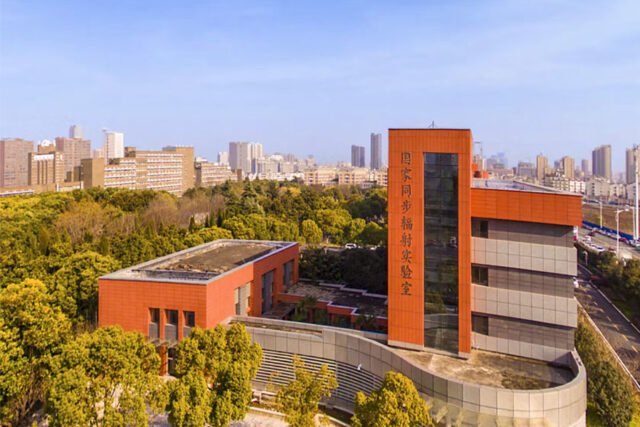
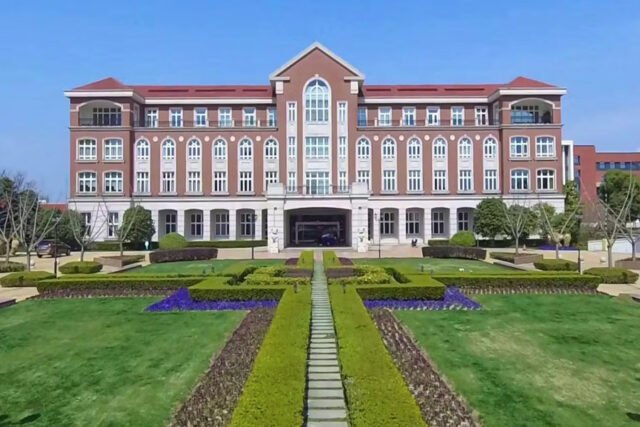
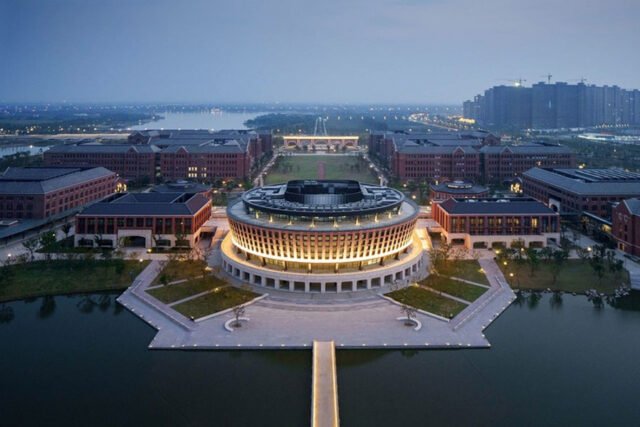
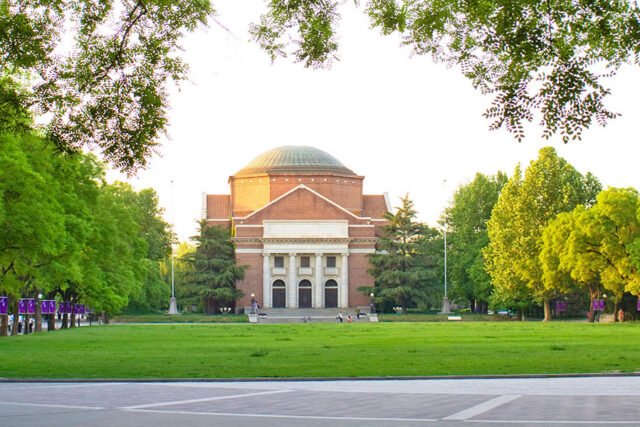
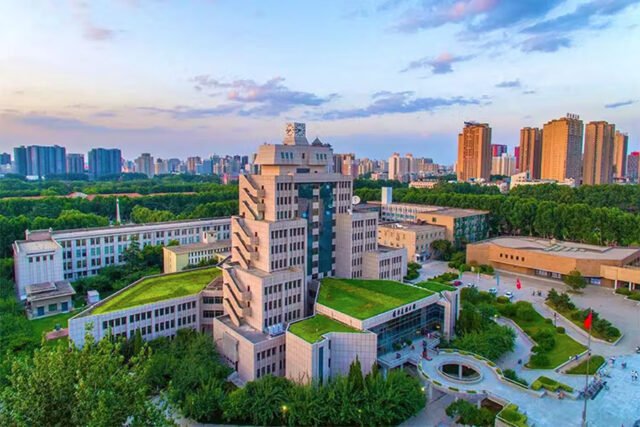
Xi’an Jiaotong University, Xi’an, China
0
Xi’an Jiaotong University, Xi’an, China

Xi’an Jiaotong University: A Legacy of Excellence in Education and Innovation

Introduction

Xi’an Jiaotong University (XJTU), located in Xi’an, Shaanxi Province, China, stands as a beacon of academic excellence and research innovation. Established in 1896 as Nanyang College in Shanghai, it has evolved into one of China’s most prestigious institutions. Renowned for its contributions to engineering, technology, and management, XJTU continues to shape the future of higher education in China and beyond.(China Admissions, gsen.xjtu.edu.cn, mse-en.xjtu.edu.cn)


Establishment and Historical Evolution

  • 1896: Founded as Nanyang College in Shanghai by industrialist Sheng Xuanhuai.
  • 1921: Renamed Jiaotong University.
  • 1956: Main campus relocated to Xi’an as per a State Council decision.
  • 1959: Officially named Xi’an Jiaotong University.
  • 2000: Merged with Xi’an Medical University and Shaanxi Institute of Finance and Economics.(gsen.xjtu.edu.cn, mse-en.xjtu.edu.cn)

Affiliations and Recognition

  • C9 League: A member of China’s elite group of universities.
  • Project 211 and 985: Supported under these national initiatives to develop world-class institutions.
  • Double First-Class University: Designated as a Category A university under China’s “Double First-Class” initiative. (gsen.xjtu.edu.cn)

Academic Programs and Disciplines

XJTU offers a comprehensive range of programs across various disciplines:

  • Undergraduate Programs: 84 majors
  • Master’s Degrees: 200 disciplines
  • Doctoral Degrees: 115 disciplines(Wikipedia)

The university encompasses 26 schools and 9 university colleges, covering fields such as science, engineering, medicine, economics, management, humanities, law, philosophy, education, and art. (gsen.xjtu.edu.cn)


Campus and Facilities

XJTU boasts a state-of-the-art campus with modern facilities:

  • Qian Xuesen Library: Named after alumnus Qian Xuesen, the library houses over 5 million books and 30,000 electronic periodicals.
  • Research Centers: Numerous centers focusing on cutting-edge research in various fields.
  • Student Amenities: Modern dormitories, sports complexes, and recreational areas.(mse-en.xjtu.edu.cn)

Address and Contact Information


Academic Excellence

XJTU is recognized for its high academic standards and research output:

  • Faculty: Over 6,000 staff, including members of the Chinese Academy of Sciences and Engineering.
  • Research Output: Consistently ranked among the top universities globally in various disciplines.

Career Development and Placement

The university provides robust support for student career development:

  • Career Services: Offers counseling, workshops, and job placement assistance.
  • Industry Partnerships: Collaborates with leading companies for internships and employment opportunities.

Research Activities

XJTU is at the forefront of research and innovation:

  • National Key Laboratories: Hosts several laboratories recognized by the Chinese government.
  • International Collaborations: Engages in joint research projects with universities and institutions worldwide.

Scholarships and Fellowships

The university offers various financial aid options:

  • Undergraduate Scholarships: Merit-based scholarships for outstanding students.
  • Graduate Fellowships: Research and teaching assistantships for graduate students.

Notable Alumni

XJTU has produced influential figures across various fields:

  • Qian Xuesen: Father of China’s missile and space programs.
  • Zhou Hongyi: Founder of Qihoo 360.
  • Tony Jun Huang: Renowned physicist. (Wikipedia)

Reputation and Rankings

XJTU maintains a strong global presence:

  • QS World University Rankings: Consistently ranked among the top 300 universities worldwide.
  • U.S. News Best Global Universities: Ranked #179 globally. (Wikipedia)

Awards and Honors

The university has received numerous accolades:

  • National Awards: Recognized for excellence in teaching and research.
  • International Recognition: Acknowledged for contributions to global education and innovation.

Conclusion

Xi’an Jiaotong University stands as a testament to China’s commitment to higher education and research. With its rich history, diverse academic offerings, and global recognition, XJTU continues to inspire and shape the leaders of tomorrow.


Xi’an Jiaotong undergraduate programs, Xi’an Jiaotong graduate courses, Xi’an Jiaotong international students, Xi’an Jiaotong research centers, Xi’an Jiaotong career development, Xi’an Jiaotong global partnerships, Xi’an Jiaotong scholarships 2025, Xi’an Jiaotong campus life, Xi’an Jiaotong student accommodation, Xi’an Jiaotong facilities guide
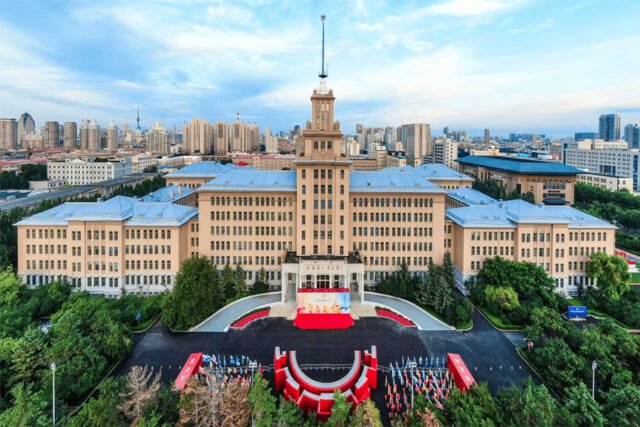
Harbin Institute of Technology, Harbin, China

0
Harbin Institute of Technology, Harbin, China

Harbin Institute of Technology: Engineering Excellence in Northeast China


Introduction

Harbin Institute of Technology (HIT), established in 1920, is a leading public research university located in Harbin, Heilongjiang Province, China. Renowned for its rigorous engineering programs and significant contributions to aerospace and defense technologies, HIT stands as a pillar of academic excellence in China. As a member of the prestigious C9 League, HIT continues to uphold its legacy of innovation and leadership in higher education.(Wikipedia)


Establishment and Historical Overview

  • 1920: Founded as Harbin Sino-Russian Industrial School.
  • 1953: Renamed Harbin Institute of Technology.
  • 1978: Became one of China’s first Project 211 universities.
  • 1999: Included in Project 985, a national initiative to cultivate world-class institutions.
  • 2017: Recognized under the Double First-Class Initiative, aiming to cultivate world-class institutions and disciplines.(Wikipedia)

Throughout its history, HIT has evolved into a comprehensive university with a strong emphasis on science and engineering, contributing significantly to China’s technological advancements.


Affiliations and Academic Collaborations

HIT maintains affiliations with several national and international academic organizations:(international.hit.edu.cn)

  • C9 League: An alliance of nine elite Chinese universities.
  • Project 211 and Project 985: National initiatives aimed at cultivating world-class institutions.
  • Double First-Class Initiative: Aims to cultivate world-class institutions and disciplines.
  • Asia-Pacific Rim Universities (APRU): A consortium of leading research universities.
  • Sino-Spanish University Alliance (SSU): Promotes collaboration between Chinese and Spanish universities.
  • Guangdong-Hong Kong-Macao University Alliance (GHMUA): Facilitates academic exchange and cooperation in the Greater Bay Area.(Wikipedia)

These affiliations enhance HIT’s global presence and foster international academic exchanges.(China Admissions)


Academic Programs and Courses Offered

HIT offers a wide range of programs across various disciplines:(international.hit.edu.cn)

  • Undergraduate Programs: Approximately 25,000 students enrolled.
  • Graduate Programs: Over 12,000 students enrolled.
  • Disciplines Offered:

The university is particularly renowned for its programs in aerospace engineering and robotics, reflecting its strong ties to China’s space and defense sectors.


Campus Facilities and Infrastructure

HIT’s campuses are equipped with state-of-the-art facilities:(China Admissions)

  • Main Campus (Harbin): Located in the Nan’gang District, it houses the majority of the university’s academic departments and research institutes.
  • Shenzhen Campus: Established in 2002, focusing on innovation and entrepreneurship.
  • Weihai Campus: Specializes in marine engineering and environmental sciences.(Wikipedia, Wikipedia)

Facilities include modern classrooms, laboratories, libraries, sports complexes, and student accommodations, providing a conducive environment for learning and research.


Address and Contact Information

  • Main Campus: Harbin Institute of Technology, 92 West Dazhi Street, Nan’gang District, Harbin, Heilongjiang Province, 150001, China.
  • Shenzhen Campus: Harbin Institute of Technology, Shenzhen, Guangdong Province, China.
  • Weihai Campus: Harbin Institute of Technology, Weihai, Shandong Province, China.(Wikipedia, Wikipedia)

For more information, visit the official website.


Academic Excellence and Research Contributions

HIT is recognized for its outstanding research and academic achievements:(China Admissions)

  • Innovations: Pioneered China’s first analog and digital computers, intelligent chess computer, and arc-welding robot.
  • Space and Defense: Played a crucial role in the development of the Shenzhou spacecraft and Kuaizhou series rockets.
  • Research Funding: In 2010, research funding from government, industry, and business sectors surpassed RMB1.13 billion, the second highest of any university in China.(Wikipedia, Wikipedia)

These accomplishments underscore HIT’s commitment to advancing science and technology.(China Admissions)


Career Development and Placement Services

HIT provides comprehensive career services to its students:

  • Career Counseling: Guidance on career paths and opportunities.
  • Internships: Collaborations with leading industries for student internships.
  • Job Placement: Assistance in securing employment post-graduation.
  • Workshops: Skill development sessions to enhance employability.

These services have resulted in high employment rates among graduates, reflecting the university’s strong industry connections.


Scholarships and Fellowships

HIT offers various financial aid programs:

  • Merit-based Scholarships: Awarded to outstanding students based on academic performance.
  • Need-based Financial Aid: Assistance for students from economically disadvantaged backgrounds.
  • International Scholarships: Programs to attract and support international students.
  • Research Fellowships: Opportunities for postgraduate students to engage in research projects.

These programs aim to make education accessible to all qualified students.


Notable Alumni

HIT boasts a distinguished list of alumni:(China Admissions)

  • Li Shufu: Chairman of Zhejiang Geely Holding Group Co. Ltd. and Volvo Cars.
  • Yuan Jinhua: Co-founder of SANY Group, the third-largest heavy equipment manufacturer in the world.
  • Zhang Jian: Co-founder of Broad Group.
  • Zhang Siming: Founder and CEO of Shenzhen Neptunus Pharmaceutical Company Limited.(Wikipedia)

These individuals have made significant contributions to various industries globally.


Reputation, Rankings, and Awards

HIT’s global standing is reflected in its rankings:(China Admissions)

  • QS World University Rankings 2022: Ranked 5th globally in Engineering.
  • U.S. News Best Global Universities 2022: Ranked 5th in Engineering.
  • Academic Ranking of World Universities 2022: Ranked among the top universities globally.(Wikipedia)

The university has also received numerous national and international accolades for research and teaching.(international.hit.edu.cn)


Conclusion

Harbin Institute of Technology stands as a beacon of academic excellence and innovation in China. With its rich history, strong academic programs, and significant contributions to science and technology, HIT continues to shape the future of higher education and research.(China Admissions)


Harbin Institute undergraduate programs, Harbin Institute graduate courses, Harbin Institute international students, Harbin Institute research centers, Harbin Institute career development, Harbin Institute global partnerships, Harbin Institute scholarships 2025, Harbin Institute campus life, Harbin Institute student accommodation, Harbin Institute facilities guide


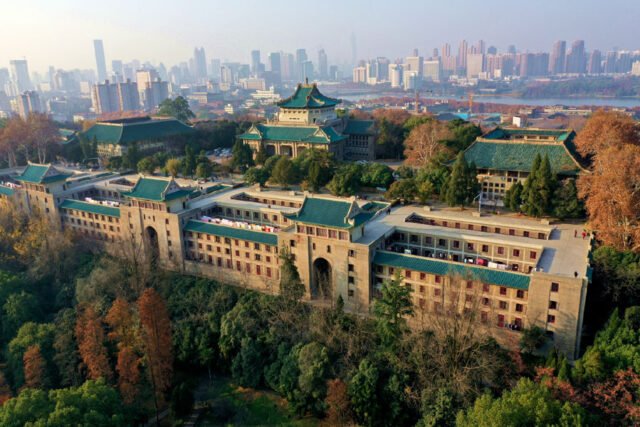
Wuhan University, Wuhan, China

0
Wuhan University, Wuhan, China

Wuhan University: A Legacy of Excellence in Central China


Introduction

Wuhan University (WHU), established in 1893, stands as one of China’s most prestigious and oldest institutions of higher education. Nestled in the heart of Wuhan, Hubei Province, the university boasts a rich history, diverse academic offerings, and a commitment to fostering global talent. With its picturesque campus, renowned faculty, and a legacy of academic excellence, WHU continues to be a beacon of higher learning in China.


🏛️ Establishment and Historical Evolution

  • 1893: Founded as Ziqiang School, marking the inception of modern higher education in Wuhan.
  • 1902: Renamed Wuchang University.
  • 1928: Became National Wuhan University.
  • 1949: Re-established as Wuhan University.
  • 2000: Merged with several institutions to form the current structure. (en.whu.edu.cn, Wikipedia, Wikipedia)

Throughout its history, WHU has undergone several transformations, reflecting China’s educational reforms and the university’s commitment to academic excellence.


🏫 Affiliations and Memberships

Wuhan University is affiliated with and sponsored by the Ministry of Education of China. It is a member of several prestigious academic groups:

  • C9 League: An alliance of nine elite Chinese universities.
  • Project 211 and Project 985: National initiatives aimed at cultivating world-class institutions.
  • Double First-Class Initiative: Aims to cultivate world-class institutions and disciplines.
  • Asia-Pacific Rim Universities (APRU): A consortium of leading research universities.
  • Association of East Asian Research Universities (AEARU): Promotes collaboration among top universities in East Asia.
  • Worldwide Universities Network (WUN): A global network of research-intensive universities. (en.hubei.gov.cn, Wikipedia)

🎓 Academic Programs and Courses Offered

Wuhan University offers a diverse range of programs across various disciplines:

  • Undergraduate Programs: Over 29,000 students enrolled.
  • Graduate Programs: Approximately 20,000 students enrolled.
  • Disciplines Offered:

The university’s curriculum emphasizes interdisciplinary learning, research-driven education, and global perspectives.


🏢 Facilities and Campus Infrastructure

Wuhan University boasts state-of-the-art facilities across its campuses:

  • Main Campus: Located in the Wuchang District, it houses the majority of the university’s academic departments.
  • East Lake Campus: Situated near East Lake, it focuses on research and development.
  • Optics Valley Campus: Located in the East Lake High-tech Development Zone, it specializes in optoelectronics and information technology.

Facilities include modern classrooms, research laboratories, libraries, sports complexes, and student accommodation.


📍 Address and Contact Details

  • Main Campus: Wuhan University, 299 Bayi Road, Wuchang District, Wuhan, Hubei Province, 430072, China.
  • East Lake Campus: Wuhan University, 16 Donghu Road, Wuchang District, Wuhan, Hubei Province, 430072, China.
  • Optics Valley Campus: Wuhan University, 1 Optics Valley Avenue, East Lake High-tech Development Zone, Wuhan, Hubei Province, 430074, China.(Wikipedia)

For more information, visit the official website.


🌟 Academic Excellence

Wuhan University is renowned for its rigorous academic standards and research contributions:

  • Research Output: Consistently ranked among the top universities in China for research publications.
  • Faculty: Home to a distinguished faculty, including members of the Chinese Academy of Sciences.
  • International Collaboration: Engages in numerous international research partnerships and exchange programs.

💼 Career Development and Placement Cell

The university’s Career Development Center offers:

  • Career Counseling: Guidance on career paths and opportunities.
  • Internship Programs: Collaborations with leading industries for student internships.
  • Job Placement Assistance: Support in securing employment post-graduation.
  • Workshops and Seminars: Skill development sessions to enhance employability.

These initiatives have resulted in high employment rates among graduates.


🧪 Research Activities

Wuhan University is a hub for groundbreaking research:

  • Research Institutes: Hosts numerous national and international research centers.
  • Funding: Receives substantial funding for research projects.
  • Publications: Faculty and students regularly publish in top-tier journals.
  • Collaborations: Engages in joint research initiatives with global institutions.

🎓 Scholarships and Fellowships

The university offers various financial aids:

  • Merit-based Scholarships: Awarded to outstanding students based on academic performance.
  • Need-based Financial Aid: Assistance for students from economically disadvantaged backgrounds.
  • International Scholarships: Programs to attract and support international students.
  • Research Fellowships: Opportunities for postgraduate students to engage in research projects.

🌍 Notable Alumni

Wuhan University boasts a distinguished list of alumni:

  • Lei Jun: Founder of Xiaomi Corporation.
  • Li Siguang: Founder of geomechanics.
  • Wang Yanyi: Director General of the Wuhan Institute of Virology.
  • Karim Massimov: Former Prime Minister of Kazakhstan.
  • Zheng Lihui: Olympic gold medalist in gymnastics.
  • Xiao Hailiang: Olympic champion diver.(Wikipedia, Wikipedia)

🏆 Reputation, Rankings, and Awards

Wuhan University’s global standing is reflected in its rankings:

  • QS World University Rankings 2022: Ranked 194th globally.
  • Academic Ranking of World Universities 2024: Ranked 89th globally.
  • Times Higher Education 2025: Ranked 134th globally.
  • Awards: Recipient of numerous national and international accolades for research and teaching.(Wikipedia, Wikipedia)

🏫 Campus Facilities

The university provides a comprehensive range of facilities:

  • Libraries: Extensive collections supporting academic research.
  • Sports Complexes: Modern facilities for various sports and recreational activities.
  • Student Accommodation: On-campus housing options for students.
  • Dining Services: Multiple dining halls offering diverse cuisines.
  • Health Services: Medical facilities catering to student health needs.

Conclusion

Wuhan University stands as a beacon of academic excellence, research innovation, and global collaboration. Its rich history, coupled with modern advancements, makes it a premier institution for higher education in China.


Wuhan University undergraduate programs, Wuhan University graduate courses, Wuhan University international students, Wuhan University research centers, Wuhan University career development, Wuhan University global partnerships, Wuhan University scholarships 2025, Wuhan University campus life, Wuhan University student accommodation, Wuhan University facilities guide

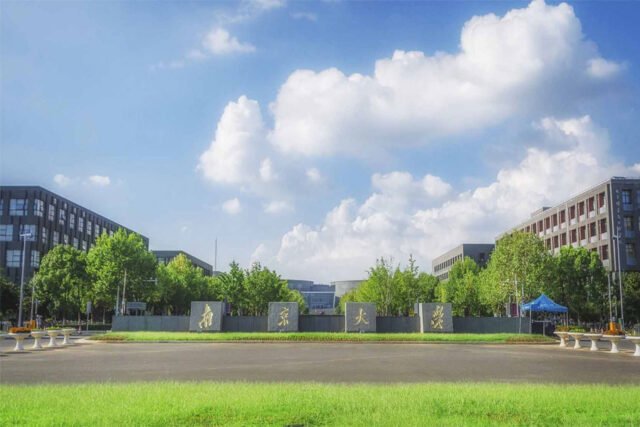
Nanjing University, Nanjing, China

0
Nanjing University, Nanjing, China

Nanjing University: A Legacy of Academic Excellence in China

Nanjing University (NJU), established in 1902, stands as one of China’s most prestigious and oldest institutions of higher learning. Located in Nanjing, Jiangsu Province, NJU has consistently been at the forefront of academic and research advancements. Over the years, it has evolved into a comprehensive university with a global reputation for excellence.(Wikipedia)


🏛️ Establishment and Historical Evolution

  • 1902: Founded as Sanjiang Normal School.
  • 1915–1923: Renamed Nanjing Higher Normal School.
  • 1921–1927: Became National Southeastern University.
  • 1928–1949: Known as National Central University.
  • 1950: Renamed Nanjing University.
  • 1952: Merged with the University of Nanking.(Wikipedia)

Throughout its history, NJU has undergone several transformations, reflecting China’s educational reforms and the university’s commitment to academic excellence.


🏫 Affiliations and Memberships

Nanjing University is affiliated with and sponsored by the Ministry of Education of China. It is a member of several prestigious academic groups:(Wikipedia)

  • C9 League: An alliance of nine elite Chinese universities.
  • Project 211 and Project 985: National initiatives aimed at cultivating world-class institutions.
  • Double First-Class Initiative: Aims to cultivate world-class institutions and disciplines.
  • Asia-Pacific Rim Universities (APRU): A consortium of leading research universities.
  • Association of East Asian Research Universities (AEARU): Promotes collaboration among top universities in East Asia.
  • Worldwide Universities Network (WUN): A global network of research-intensive universities.
  • Service-Learning Asia Network: Promotes service-learning initiatives across Asia.(Wikipedia)

🎓 Academic Programs and Courses Offered

NJU offers a diverse range of programs across various disciplines:

The university’s curriculum emphasizes interdisciplinary learning, research-driven education, and global perspectives.


🏢 Facilities and Campus Infrastructure

NJU boasts state-of-the-art facilities across its campuses:

  • Xianlin Campus: Located in the northeast of Nanjing, it houses the majority of the university’s academic departments.
  • Gulou Campus: Situated in the city center, it is home to the university’s administrative offices and historical buildings.
  • Pukou Campus: Located in the Pukou District, it focuses on research and development.
  • Suzhou Campus: The newest addition, focusing on disciplines like artificial intelligence and digital economy.(Wikipedia, Study China)

Facilities include modern classrooms, research laboratories, libraries, sports complexes, and student accommodation.


📍 Address and Contact Details

  • Gulou Campus: 22 Hankou Road, Gulou District, Nanjing, Jiangsu Province, 210093.
  • Xianlin Campus: 163 Xianlin Road, Qixia District, Nanjing, Jiangsu Province, 210023.(njunju.nju.edu.cn)

For more information, visit the official website.


🌟 Academic Excellence

NJU is renowned for its rigorous academic standards and research contributions:

  • Research Output: Consistently ranked among the top universities in China for research publications.
  • Faculty: Home to a distinguished faculty, including members of the Chinese Academy of Sciences.
  • International Collaboration: Engages in numerous international research partnerships and exchange programs.

💼 Career Development and Placement Cell

The university’s Career Development Center offers:

  • Career Counseling: Guidance on career paths and opportunities.
  • Internship Programs: Collaborations with leading industries for student internships.
  • Job Placement Assistance: Support in securing employment post-graduation.
  • Workshops and Seminars: Skill development sessions to enhance employability.

These initiatives have resulted in high employment rates among graduates.


🧪 Research Activities

NJU is a hub for groundbreaking research:(China Daily Subsites)

  • Research Institutes: Hosts numerous national and international research centers.
  • Funding: Receives substantial funding for research projects.
  • Publications: Faculty and students regularly publish in top-tier journals.
  • Collaborations: Engages in joint research initiatives with global institutions.

🎓 Scholarships and Fellowships

The university offers various financial aids:

  • Merit-based Scholarships: Awarded to outstanding students based on academic performance.
  • Need-based Financial Aid: Assistance for students from economically disadvantaged backgrounds.
  • International Scholarships: Programs to attract and support international students.
  • Research Fellowships: Opportunities for postgraduate students to engage in research projects.

🌍 Notable Alumni

NJU boasts a distinguished list of alumni:

  • Zhang Qiming: Distinguished professor in Electrical Engineering and Materials Science at Pennsylvania State University.
  • Zhang Xiang: Faculty scientist at Lawrence Berkeley National Laboratory.
  • Wang Yifang: Elementary particle and accelerator physicist.
  • Xia Peisu: Computer scientist who developed China’s first general-purpose digital computer.
  • Gang Tian: Mathematician known for contributions to geometry.(Wikipedia)

🏆 Reputation, Rankings, and Awards

NJU’s global standing is reflected in its rankings:(Wikipedia)

  • US News Best Global Universities Ranking: Ranked 86th globally.
  • Academic Excellence: Consistently ranked among the top universities in China and Asia.
  • Awards: Recipient of numerous national and international accolades for research and teaching.

🏫 Campus Facilities

The university provides a comprehensive range of facilities:

  • Libraries: Extensive collections supporting academic research.
  • Sports Complexes: Modern facilities for various sports and recreational activities.
  • Student Accommodation: On-campus housing options for students.
  • Dining Services: Multiple dining halls offering diverse cuisines.
  • Health Services: Medical facilities catering to student health needs.

Nanjing University undergraduate programs, Nanjing University graduate courses, Nanjing University international students, Nanjing University research centers, Nanjing University career development, Nanjing University global partnerships, Nanjing University scholarships 2025, Nanjing University campus life, Nanjing University student accommodation, Nanjing University facilities guide


Fudan University, Shanghai, China

0
Fudan University, Shanghai, China

Fudan University – Shanghai, China

Introduction

Fudan University, established in 1905, stands as one of China’s most prestigious and comprehensive institutions of higher learning. Located in the vibrant city of Shanghai, Fudan has consistently been at the forefront of academic excellence, research innovation, and global engagement. With a rich history spanning over a century, the university has cultivated a legacy of producing influential leaders, scholars, and professionals who have significantly contributed to various fields both domestically and internationally.


1. Establishment and Historical Background

  • Founded: 1905 by Ma Xiangbo, a Chinese Jesuit priest and educator.

  • Original Name: Fudan Public School.

  • Evolution:

    • 1917: Became Fudan College.

    • 1941–1949: Known as National Fudan University.

    • Post-1949: Re-established as Fudan University.

  • Affiliations: Under the Ministry of Education of China and co-funded by the Shanghai Municipal Government.

  • Memberships:


2. Academic Structure and Courses Offered

Fudan University offers a diverse array of programs across various disciplines:

  • Undergraduate Programs: Approximately 73 bachelor’s degree programs spanning 17 schools and 69 departments.

  • Graduate Programs: 201 master’s degree programs and 134 doctoral programs.

  • International Programs: Joint MBA programs with institutions such as MIT Sloan School of Management, BI Norwegian Business School, University of Hong Kong, and Washington University in St. Louis. WikipediaWikipedia


3. Campus Facilities and Infrastructure

Fudan University’s campuses are equipped with state-of-the-art facilities to support academic and extracurricular activities:

  • Handan Campus: The main campus, located in the Yangpu District.

  • Jiangwan, Fenglin, and Zhangjiang Campuses: Specialized campuses focusing on various disciplines.

  • Libraries: Comprehensive collections supporting diverse academic fields.

  • Research Laboratories: Advanced facilities for scientific research and innovation.

  • Student Amenities: Modern dormitories, dining halls, sports complexes, and cultural centers.


4. Research Excellence and Achievements

Fudan University is renowned for its contributions to research and innovation:

  • Global Rankings:

    • Ranked 75th globally in QS World University Rankings by Subject 2024.

    • Ranked 9th in the Asia-Pacific region by Nature Index Research Leaders 2024.

  • Research Output: Consistently ranked among the top universities in China for research publications and citations.

  • Collaborations: Engages in numerous international research partnerships and projects.Wikipedia


5. Scholarships and Fellowships

Fudan University offers various financial aid options to support its students:


6. Career Development and Placement

The university provides robust support for students’ career growth:

  • Career Services: Guidance on job search, resume building, and interview preparation.

  • Internship Opportunities: Collaborations with industries and research institutions.

  • Alumni Network: A global network offering mentorship and job placement assistance.


7. Notable Alumni

Fudan University has produced influential figures in various fields:

  • Chen Yinke: Historian, linguist, and politician.

  • Chen Wangdao: Scholar and educator, recognized for translating “The Communist Manifesto” into Chinese.

  • Wang Huning: Political theorist and a top leader of the Chinese Communist Party. Wikipedia


8. Reputation and Rankings

Fudan University’s academic standing is recognized internationally:Wikipedia

  • QS World University Rankings: Consistently placed among the top universities in China.

  • Times Higher Education Rankings: Ranked among the top universities globally.

  • Academic Ranking of World Universities (ARWU): Ranked among the top universities worldwide.


9. Awards and Honors

The university’s achievements have been acknowledged through various accolades:

  • National Natural Science Awards: For groundbreaking research in various fields.

  • International Recognition: Awards for contributions to global scientific communities.


10. Address and Contact Information


Conclusion

Fudan University stands as a testament to China’s commitment to academic excellence and research innovation. With its rich history, diverse academic offerings, and global recognition, Fudan continues to shape the future of higher education and contribute significantly to various fields of knowledge.


Fudan University admission process, Fudan University graduate programs, Fudan University international scholarships, Fudan University campus life, Fudan University research opportunities, Fudan University alumni network, Fudan University career services, Fudan University global partnerships

University of Science and Technology of China

0
University of Science and Technology of China

University of Science and Technology of China: A Legacy of Innovation and Excellence


Introduction

The University of Science and Technology of China (USTC), established in 1958 by the Chinese Academy of Sciences (CAS), stands as a beacon of scientific research and technological advancement in China. Located in Hefei, Anhui Province, USTC has consistently been at the forefront of higher education, producing groundbreaking research and fostering innovation across various scientific disciplines.(Wikipedia)


1. Establishment and Historical Background

  • Founded: 1958 by the Chinese Academy of Sciences.
  • Original Location: Beijing.
  • Current Location: Hefei, Anhui Province, since 1970.
  • Founding Vision: To develop a high-level science and technology workforce critical for China’s economic and defense advancements.(Wikipedia)

USTC’s establishment marked a significant milestone in China’s educational and scientific landscape, aiming to integrate research with education to meet national development needs.


2. Academic Structure and Courses Offered

USTC offers a comprehensive range of programs across various disciplines:

  • Undergraduate Programs: 35 programs spanning 12 disciplines, including Mathematics, Physics, Chemistry, Materials Science, Engineering, Computer Science, and more.
  • Graduate Programs: 107 master’s programs and 94 doctoral programs, with many taught in English, focusing on advanced scientific and technological research.
  • International Programs: The Future Scientist Exchange Program (FuSEP) offers summer camps, semester exchanges, and research internships to international students.(en.ustc.edu.cn)

The university’s curriculum emphasizes a balance between theoretical knowledge and practical application, preparing students for global scientific challenges.


3. Affiliations and Collaborations

  • Parent Institution: Chinese Academy of Sciences (CAS).
  • National Programs: Project 211, Project 985, and the Double First-Class Initiative.
  • International Partnerships: Active collaborations with leading universities and research institutions worldwide.(staff.ustc.edu.cn, Wikipedia)

These affiliations enable USTC to leverage national resources and global networks, enhancing its research capabilities and academic reputation.


4. Campus Facilities and Infrastructure

USTC boasts state-of-the-art facilities to support its academic and research endeavors:

  • Libraries: Extensive collections supporting various disciplines.
  • Laboratories: Equipped with advanced instruments for cutting-edge research.
  • Student Housing: Modern dormitories providing comfortable living conditions.
  • Recreational Facilities: Sports complexes, cultural centers, and dining options to enrich student life.

The campus is designed to foster an environment conducive to learning, collaboration, and innovation.


5. Research Excellence and Achievements

USTC is renowned for its contributions to scientific research:

  • Quantum Information Science: Pioneering work in quantum communication and computing.
  • Materials Science: Advancements in nanotechnology and superconductivity.
  • Interdisciplinary Research: Integration of AI, environmental science, and life sciences.(employment.ustc.edu.cn)

The university’s research output consistently ranks among the top globally, with several disciplines in the top 0.1% worldwide.(employment.ustc.edu.cn)


6. Scholarships and Fellowships

USTC offers various financial aid options to support its students:

  • CSC Scholarships: For international students from the Chinese Government.
  • USTC Fellowships: Merit-based awards for outstanding students.
  • Research Grants: Funding opportunities for students involved in scientific research.

These programs aim to attract and retain talented individuals, fostering a diverse and dynamic academic community.


7. Career Development and Placement

The university provides robust support for students’ career growth:

  • Career Services: Guidance on job search, resume building, and interview preparation.
  • Internship Opportunities: Collaborations with industries and research institutions.
  • Alumni Network: A global network offering mentorship and job placement assistance.

USTC’s strong industry connections facilitate smooth transitions from academia to professional careers.


8. Notable Alumni

USTC has produced influential figures in various fields:

  • He Jiang: First Chinese citizen to deliver a commencement speech at Harvard University.
  • Lu Xiyun: Academician of the Chinese Academy of Sciences, specializing in hydrodynamics.(employment.ustc.edu.cn, Wikipedia)

These alumni exemplify the university’s commitment to nurturing leaders who make significant contributions globally.


9. Reputation and Rankings

USTC’s academic standing is recognized internationally:

  • Times Higher Education: Ranked 23rd among universities in the Asia-Pacific region.
  • QS World University Rankings: Consistently placed among the top universities in China.

These rankings reflect USTC’s dedication to excellence in education and research.(employment.ustc.edu.cn)


10. Awards and Honors

The university’s achievements have been acknowledged through various accolades:

  • National Natural Science Awards: For groundbreaking research in quantum science and materials.
  • International Recognition: Awards for contributions to global scientific communities.(Wikipedia)

These honors underscore USTC’s role as a leader in scientific innovation.


11. Address and Contact Information

For more information on admissions, programs, and campus life, please visit the official website.


Conclusion

The University of Science and Technology of China stands as a testament to the nation’s commitment to scientific advancement and educational excellence. With its rich history, diverse academic offerings, and global recognition, USTC continues to shape the future of science and technology education.


University of Science and Technology of China admission process, USTC graduate programs in English, USTC international scholarships for students, USTC research opportunities in quantum science, USTC alumni network and career support, USTC campus life and facilities, USTC undergraduate programs in engineering, USTC collaborations with global institutions


Shanghai Jiao Tong University, Shanghai, China

0
Shanghai Jiao Tong University, Shanghai, China

Shanghai Jiao Tong University: A Legacy of Excellence in Education and Innovation


Introduction

Shanghai Jiao Tong University (SJTU), established in 1896, stands as one of China’s most prestigious and oldest institutions of higher learning. With a rich history spanning over a century, SJTU has consistently been at the forefront of academic excellence, research innovation, and global collaboration. Located in the vibrant city of Shanghai, the university offers a comprehensive range of programs and boasts state-of-the-art facilities, making it a preferred destination for students worldwide.(APRU)


1. Establishment and History

  • Founded: 1896 as Nanyang Public School.
  • Renamed: Became Jiao Tong University in 1921 and adopted its current name in 1959.
  • Mission: To cultivate talented professionals and contribute to national development.
  • Affiliations: Directly under the Ministry of Education of the People’s Republic of China; co-constructed by the Ministry of Education and Shanghai Municipal Government.(Wikipedia, Shanghai Jiao Tong University)

2. Academic Structure

  • Schools: Comprised of 33 schools and departments.
  • Disciplines: Offers 64 undergraduate programs across nine major disciplines, including economics, law, literature, science, engineering, agriculture, medicine, management, and arts.
  • Graduate Programs: 38 first-level disciplines authorized to confer doctoral degrees and 56 first-level disciplines authorized to confer master’s degrees.
  • Research Platforms: Hosts 47 research platforms and 35 postdoctoral research stations.(ISC SJTU, APRU)

3. Facilities and Campus

  • Campuses: Spans six campuses covering more than 300 hectares.
  • Libraries: The SJTU Library system includes multiple branches, providing extensive resources for students and faculty.
  • Hospitals: Affiliated with 12 hospitals, including the renowned Ruijin Hospital.
  • Transportation: Well-connected via metro lines, with shuttle services between campuses.(Shanghai Jiao Tong University, China Admissions, Wikipedia)

4. Academic Excellence

  • Rankings:
    • Ranked #59 globally in the ARWU 2021 rankings.
    • Ranked #50 globally in the QS World University 2022 rankings.
  • Research Output: Consistently contributes to high-impact research across various disciplines.
  • Faculty: Boasts a distinguished faculty, including members of the Chinese Academy of Sciences and the Chinese Academy of Engineering.(China Admissions)

5. Career Development and Placement

  • Career Services: Provides comprehensive career counseling, internship opportunities, and job placement assistance.
  • Alumni Network: A vast network of alumni contributing to various industries globally.
  • Industry Collaborations: Strong ties with leading companies and organizations, facilitating student placements and collaborations.

6. Research Activities

  • National Key Laboratories: Hosts eight national key laboratories and several national engineering research centers.
  • Collaborations: Engages in extensive research partnerships with institutions worldwide.
  • Innovation Centers: Operates multiple collaborative innovation centers and research institutes.(ISC SJTU)

7. Scholarships and Fellowships

  • Financial Aid: Offers various scholarships for both domestic and international students.
  • Programs: Includes merit-based scholarships, need-based financial aid, and research fellowships.
  • International Students: Specialized scholarships to attract top international talent.

8. Notable Alumni

  • Industry Leaders: Alumni have made significant contributions to sectors such as technology, business, and academia.
  • Entrepreneurs: Many have founded successful startups and enterprises.
  • Global Recognition: Recognized internationally for their achievements and innovations.

9. Reputation and Rankings

  • Global Standing: Consistently ranked among the top universities globally.
  • National Recognition: A member of the C9 League, China’s equivalent of the Ivy League.
  • Academic Reputation: Renowned for its rigorous academic programs and research output.(Wikipedia)

10. Awards and Honors

  • Academic Achievements: Recipient of numerous national and international awards for research and innovation.
  • Teaching Excellence: Recognized for outstanding teaching and curriculum development.
  • Community Engagement: Awarded for contributions to community service and social development.(SJTU Sites)

11. Address and Contact Details


Conclusion

Shanghai Jiao Tong University continues to uphold its legacy of excellence, offering a dynamic environment for academic growth and research innovation. With its comprehensive programs, state-of-the-art facilities, and global collaborations, SJTU remains a leading institution in China’s higher education landscape.(World University Rankings, Monash University)


Shanghai Jiao Tong University admission process, Shanghai Jiao Tong University international scholarships, Shanghai Jiao Tong University campus facilities, Shanghai Jiao Tong University research opportunities, Shanghai Jiao Tong University alumni network, Shanghai Jiao Tong University career development programs, Shanghai Jiao Tong University graduate programs, Shanghai Jiao Tong University undergraduate courses


Zhejiang University, Hangzhou, China

0
Zhejiang University, Hangzhou, China

Zhejiang University: A Premier Institution in Hangzhou, China

Introduction

Zhejiang University (ZJU), located in Hangzhou, China, stands as one of the nation’s oldest and most esteemed institutions of higher learning. Established in 1897 as Qiushi Academy, it has evolved into a comprehensive, research-oriented university renowned for its academic excellence, innovative research, and global collaborations. With a commitment to fostering talent and advancing knowledge, ZJU continues to play a pivotal role in shaping China’s educational landscape.(css.zju.edu.cn)


Establishment and Historical Evolution

  • 1897: Qiushi Academy was founded in Hangzhou, marking the inception of Zhejiang University’s long-standing tradition of academic excellence.
  • 1928: Qiushi Academy was officially renamed Zhejiang University, reflecting its expanded scope and national significance.
  • 1952: The university underwent restructuring during China’s higher education reforms, leading to the establishment of several specialized institutions.
  • 1998: Zhejiang University merged with Hangzhou University, Zhejiang Agricultural University, and Zhejiang Medical University, consolidating its position as a leading comprehensive university.

Affiliations and Global Collaborations

Zhejiang University maintains strategic partnerships with numerous prestigious institutions worldwide, fostering academic exchange and collaborative research. These affiliations enhance ZJU’s global presence and contribute to its mission of becoming a world-class university.(HKU International Affairs Office)


Academic Programs and Courses Offered

ZJU offers a diverse array of programs across various disciplines:(Zhejiang University International Education)

  • Undergraduate Programs: Spanning 13 disciplines, including Philosophy, Economics, Law, Education, Literature, History, Science, Engineering, Agriculture, Medicine, Management, Art, and Interdisciplinary studies. (Zhejiang University International Education)
  • Graduate Programs: Comprehensive master’s and doctoral programs across multiple fields, emphasizing research and innovation.
  • International Programs: English-taught degree programs and exchange opportunities for international students.(Zhejiang University International Education)

Campus Facilities and Infrastructure

ZJU’s campuses are equipped with state-of-the-art facilities to support academic and extracurricular activities:

  • Zijingang Campus: The main campus located in northwest Hangzhou, featuring modern classrooms, laboratories, and student accommodations. (Zhejiang University)
  • Zhijiang Campus: Home to the James D. Watson Institute of Genome Sciences and the Institute for Advanced Study in Humanities and Social Sciences. (Wikipedia)
  • International Campus: Designed to foster global collaboration, attracting students from over 50 countries. (Zhejiang University)
  • Haining International Campus: A newer addition focusing on interdisciplinary research and international education.

The university also boasts comprehensive sports facilities, including gymnasiums, swimming pools, and various sports courts, promoting a balanced student lifestyle. (zibs.zju.edu.cn)


Address and Contact Information

  • Address: Zhejiang University, Hangzhou, Zhejiang Province, China
  • Phone: +86 571 8795 1000
  • Website: www.zju.edu.cn

Academic Excellence and Global Recognition

Zhejiang University consistently ranks among the top universities globally:

These rankings reflect ZJU’s commitment to academic excellence and its significant contributions to research and education.(Zhejiang University)


Career Development and Placement Services

Zhejiang University provides robust support for students’ career development:

  • Career Counseling: Offering guidance on career paths, resume building, and interview preparation.
  • Internship Opportunities: Collaborations with leading industries and organizations for practical experience.
  • Job Placement Assistance: Facilitating connections with potential employers and job fairs.

These services aim to equip students with the skills and opportunities necessary for successful careers.


Research and Innovation

ZJU is at the forefront of research and innovation:(Zhejiang University)

  • Research Institutes: Hosting numerous research centers and laboratories across various disciplines.
  • Innovation 2030: A strategic initiative to propel the university’s research excellence to new heights. (Zhejiang University)
  • Collaborative Projects: Engaging in interdisciplinary and international research collaborations.

ZJU’s research endeavors contribute significantly to advancements in science, technology, and society.


Scholarships and Fellowships

Zhejiang University offers various scholarships to support students:

These scholarships aim to attract top talent and support students in their academic pursuits.


Notable Alumni

Zhejiang University boasts a distinguished list of alumni:

  • Yunhe Pan: Academician of the Chinese Academy of Engineering. (en.cs.zju.edu.cn)
  • Zuoning Chen: Academician of the Chinese Academy of Engineering.
  • Chun Chen: Academician of the Chinese Academy of Engineering.
  • Hongsheng Chen: Noted for significant contributions in his field. (Zhejiang University)

These individuals have made significant contributions to their respective fields and continue to uphold the university’s legacy of excellence.


Reputation and Awards

Zhejiang University’s reputation is bolstered by numerous accolades:

  • Top Rankings: Consistently ranked among the top universities globally and nationally.
  • Research Achievements: Recognized for significant contributions to scientific research and innovation. (Zhejiang University)
  • Industry Collaborations: Engaged in partnerships with leading industries and organizations.

These achievements underscore ZJU’s commitment to excellence in education, research, and societal impact.(Zhejiang University)


Conclusion

Zhejiang University stands as a beacon of academic excellence and innovation in China. With its rich history, diverse academic programs, state-of-the-art facilities, and global collaborations, ZJU continues to shape the future of higher education. Its commitment to nurturing talent and advancing knowledge ensures its position as a leading institution on the global stage.


Note: For more detailed information, please visit the official website of Zhejiang University: www.zju.edu.cn


Zhejiang University admission guide, Zhejiang University international programs, scholarships at Zhejiang University, Zhejiang University campus facilities, research centers at Zhejiang University, notable alumni of Zhejiang University, study in Hangzhou universities, top engineering universities China


Peking University, Beijing, China

0
Peking University, Beijing, China

Peking University: A Legacy of Excellence in Beijing, China

Introduction

Peking University (PKU), situated in the heart of Beijing, stands as a testament to China’s rich academic heritage and progressive vision. Established in 1898, it holds the distinction of being the first national comprehensive university in China. Over the decades, PKU has evolved into a premier institution, renowned for its academic rigor, research prowess, and global influence.(GSM Peking University)


Establishment and Historical Evolution

  • 1898: Founded as the Imperial University of Peking during the “Hundred Days’ Reform,” marking the inception of modern higher education in China. (en.law.pku.edu.cn)
  • 1912: Reopened post the 1911 Revolution, with Cai Yuanpei, the first Education Minister of the Republic of China, initiating reforms to modernize the institution.(en.law.pku.edu.cn)
  • 1949: After the establishment of the People’s Republic of China, PKU underwent significant transformations, aligning with the nation’s socialist educational objectives.(en.law.pku.edu.cn)
  • Post-1978: Embraced internationalization and multidisciplinary research, becoming a hub for global academic exchange.

Affiliations and Global Collaborations

PKU maintains strategic partnerships with leading institutions worldwide, enhancing its global research footprint and academic offerings. These collaborations facilitate joint research initiatives, faculty exchanges, and student mobility programs.


Academic Programs and Courses Offered

Peking University offers a comprehensive range of programs across various disciplines:

  • Undergraduate Programs: Over 125 bachelor’s degree programs spanning engineering, sciences, humanities, and social sciences. (Wikipedia)
  • Graduate Programs: Approximately 282 master’s and 258 doctoral programs.(Wikipedia)
  • Professional Degrees: Including MBAs, EMBA, and specialized master’s degrees.
  • International Programs: Courses taught in English, attracting students globally.

The university is organized into 30 schools and 12 departments, with 216 research institutions and centers. (Wikipedia)


Campus Facilities and Infrastructure

PKU’s campus is a harmonious blend of tradition and modernity:

  • Boya Pagoda: A historic landmark symbolizing the university’s legacy.
  • Weiming Lake: A serene spot for relaxation and reflection.
  • Libraries and Museums: Extensive collections supporting academic research.
  • Sports and Recreation: Comprehensive facilities promoting student well-being.
  • Retail and Service Guide: Information on campus services, including bookstores, banking, and cafes.(Peking University)

Address and Contact Information

  • Address: Peking University, Haidian District, Beijing, China
  • Phone: +86 10 6275 1234
  • Website: www.pku.edu.cn

Academic Excellence and Global Recognition

Peking University consistently ranks among the top universities worldwide:

  • QS World University Rankings: Ranked 22nd globally and 1st in China.
  • U.S. News Best Global Universities: Ranked 11th globally and 1st in Asia-Pacific.
  • Academic Ranking of World Universities (ARWU): Ranked 18th globally and 1st in Asia.

The university excels in various disciplines, including engineering, computer science, and environmental sciences.


Career Development and Placement

Peking University’s Career Development Center offers:

  • Internship Opportunities: Collaborations with leading global companies.
  • Job Placement: Assistance in securing positions in top-tier firms.
  • Career Counseling: Guidance on career paths and professional development.

The university’s strong industry ties facilitate high employability for its graduates.


Research and Innovation

Peking University is at the forefront of research:

  • Funding: Receives substantial funding for research projects.
  • Institutes: Hosts numerous scientific research institutions.
  • Key Areas: Information technology, energy, environment, and materials science.

The university has several national key laboratories and interdisciplinary research centers.


Scholarships and Fellowships

Peking University offers various financial aids:

  • Government Scholarships: For international students.(Peking University)
  • University Scholarships: Merit-based awards for both domestic and international students.
  • Yenching Academy: A fully funded master’s degree in global affairs.

These programs aim to attract top talent globally and foster international collaboration.


Notable Alumni

Peking University boasts a distinguished list of alumni, including:

  • Li Keqiang: Former Premier of China.(Wikipedia)
  • Tu Youyou: Nobel laureate in Physiology or Medicine.
  • Zhao Leji: Chairman of the Standing Committee of the National People’s Congress.(Wikipedia)
  • Robin Li: Founder of Baidu.(Wikipedia)
  • Yu Minhong: Founder of New Oriental Education Group. (Wikipedia)

These individuals have significantly influenced global politics, technology, and business.


Reputation and Awards

Peking University’s excellence is recognized globally:(GSM Peking University)

  • Times Higher Education (THE): Ranked among the top universities worldwide.
  • ARWU: Consistently placed in the top 20 globally.
  • QS Rankings: Top-ranked in various engineering and technology disciplines.

The university’s commitment to quality education and research has garnered numerous accolades.


Conclusion

Peking University exemplifies the fusion of tradition and innovation, offering a world-class education and contributing significantly to global research and development. Its commitment to excellence, international collaboration, and societal impact makes it a premier destination for aspiring scholars and professionals.


Peking University admission guide, Peking University international programs, scholarships at Peking University, Peking University campus facilities, research centers at Peking University, notable alumni of Peking University, study in Beijing universities, top social sciences universities China


Tsinghua University – Beijing, China

0
Tsinghua University – Beijing, China

Tsinghua University: A Pinnacle of Academic Excellence in Beijing

Introduction

Nestled in the historic northwest of Beijing, Tsinghua University stands as a beacon of academic brilliance and innovation. Often hailed as “The World’s Most Beautiful Campus” by Forbes, it seamlessly integrates rich cultural heritage with cutting-edge research and education. Established in 1911, Tsinghua has evolved into China’s premier institution, renowned globally for its contributions to science, technology, and leadership.(Tsinghua University)


Establishment and Historical Evolution

  • 1911: Founded as “Tsing Hua Imperial College” to prepare students for study in the United States.(Tsinghua University)
  • 1925: Transitioned into a university, expanding its academic offerings.
  • 1937–1946: During the Second Sino-Japanese War, merged with Peking University and Nankai University to form the National Southwestern Associated University.(Tsinghua University)
  • 1952: Reorganized as a polytechnic institution focusing on engineering.(Tsinghua University)
  • Post-1978: Reopened to the world, embracing internationalization and multidisciplinary research.

Affiliations and Global Collaborations

Tsinghua University maintains strategic partnerships with leading institutions worldwide, including:(Wikipedia)

  • Massachusetts Institute of Technology (MIT)
  • Columbia University
  • University of California, Berkeley
  • National University of Singapore(Wikipedia)
  • Imperial College London

These collaborations enhance its global research footprint and academic offerings.(BNRIST)


Academic Programs and Courses Offered

Tsinghua University offers a comprehensive range of programs across various disciplines:

  • Undergraduate Programs: Over 60 bachelor’s degree programs spanning engineering, sciences, humanities, and social sciences.(Wikipedia)
  • Graduate Programs: Approximately 200 master’s and 180 doctoral programs.(APRU)
  • Professional Degrees: Including MBAs, EMBA, and specialized master’s degrees.(Wikipedia)
  • International Programs: Courses taught in English, attracting students globally.

The university is organized into 20 schools and 58 departments, with 41 research institutes and 35 research centers. (Wikipedia)


Campus Facilities and Infrastructure

Tsinghua’s campus is a harmonious blend of tradition and modernity:

  • Main Building: A historical structure symbolizing the university’s legacy.
  • Schwarzman College: A state-of-the-art facility for the Schwarzman Scholars program.(Wikipedia)
  • Research Centers: Including the Beijing National Research Center for Information Science and Technology.(BNRIST)
  • Libraries and Museums: Extensive collections supporting academic research.
  • Sports and Recreation: Comprehensive facilities promoting student well-being.

Address and Contact Information


Academic Excellence and Global Recognition

Tsinghua University consistently ranks among the top universities worldwide:

  • QS World University Rankings: Ranked 15th globally and 1st in Asia.(Wikipedia)
  • U.S. News Best Global Universities: Ranked 11th globally and 1st in Asia-Pacific.
  • Academic Ranking of World Universities (ARWU): Ranked 18th globally and 1st in Asia.

The university excels in various disciplines, including engineering, computer science, and environmental sciences. (Wikipedia)


Career Development and Placement

Tsinghua’s Career Development Center (CDC) offers:

  • Internship Opportunities: Collaborations with leading global companies.(Wikipedia)
  • Job Placement: Assistance in securing positions in top-tier firms.
  • Career Counseling: Guidance on career paths and professional development.

The university’s strong industry ties facilitate high employability for its graduates.


Research and Innovation

Tsinghua is at the forefront of research:

  • Funding: Receives over 20 billion yuan annually for research projects.(Wikipedia)
  • Institutes: Hosts 428 university-level scientific research institutions.(Wikipedia)
  • Key Areas: Information technology, energy, environment, and materials science. (APRU)

The university has 15 national key laboratories and numerous interdisciplinary research centers.(Wikipedia)


Scholarships and Fellowships

Tsinghua University offers various financial aids:

  • Government Scholarships: For international students.
  • University Scholarships: Merit-based awards for both domestic and international students.
  • Schwarzman Scholars Program: A fully funded master’s degree in global affairs. (Wikipedia)

These programs aim to attract top talent globally and foster international collaboration.


Notable Alumni

Tsinghua University boasts a distinguished list of alumni, including:(Wikipedia)

  • Xi Jinping: President of the People’s Republic of China.
  • Hu Jintao: Former President of China.
  • Li Keqiang: Former Premier of China.
  • Zhang Yiming: Founder of ByteDance.(Wikipedia)

These individuals have significantly influenced global politics, technology, and business. (Wikipedia)


Reputation and Awards

Tsinghua’s excellence is recognized globally:(Wikipedia)

  • Times Higher Education (THE): Ranked among the top universities worldwide.
  • ARWU: Consistently placed in the top 20 globally.
  • QS Rankings: Top-ranked in various engineering and technology disciplines. (UCEAP)

The university’s commitment to quality education and research has garnered numerous accolades.


Conclusion

Tsinghua University exemplifies the fusion of tradition and innovation, offering a world-class education and contributing significantly to global research and development. Its commitment to excellence, international collaboration, and societal impact makes it a premier destination for aspiring scholars and professionals.


Tsinghua University admission process, Tsinghua University international programs, Tsinghua scholarships for students, Tsinghua campus facilities guide, Tsinghua research centers, Tsinghua alumni success stories, top engineering universities Beijing, study in Tsinghua University China


Kindai University, Japan

0
Kindai University, Japan

Kindai University, Japan: A Century of Innovation and Excellence


Introduction

Kindai University, established in 1925 and chartered in 1949, stands as a testament to Japan’s commitment to practical education and research. Located in Higashiosaka, Osaka Prefecture, Kindai has evolved from a technical college into one of Japan’s largest private universities, offering a diverse range of programs across multiple campuses. With a student body exceeding 30,000 and a faculty of over 900, Kindai University continues to foster innovation and academic excellence. (Wikipedia, Wikipedia)


1. Establishment and Historical Background

  • Founded: 1925
  • Chartered: 1949
  • Original Name: Kinki University
  • Renamed: 2016 to Kindai University to enhance global recognition
  • Founder: Koichi Seko
  • First President: Koichi Seko(free-anime.fandom.com, Wikipedia, Wikipedia)

Initially established as Osaka Technical College, Kindai University began with two schools: the School of Engineering and the School of Commerce. In 1949, it merged with another institution to form Kinki University. The university has since expanded its academic offerings and research capabilities, becoming a leading institution in Japan. (Wikipedia)


2. Academic Offerings

Undergraduate Faculties

  • Faculty of Law
  • Faculty of Economics
  • Faculty of Business Administration
  • Faculty of Science and Engineering
  • Faculty of Architecture
  • Faculty of Pharmacy
  • Faculty of Literature, Arts and Cultural Studies
  • Faculty of Applied Sociology
  • Faculty of International Studies
  • Faculty of Informatics
  • Junior College Division

Graduate Schools

  • Graduate School of Science and Engineering
  • Graduate School of Business Administration
  • Graduate School of Applied Sociology
  • Graduate School of Law
  • Graduate School of International Studies
  • Graduate School of Medicine
  • Graduate School of Pharmaceutical Sciences
  • Graduate School of Agriculture
  • Graduate School of Biology-Oriented Science and Technology
  • Graduate School of Humanities
  • Graduate School of Informatics
  • Transdisciplinary Graduate School of Social Innovation and Entrepreneurship (Established in 2023)

Kindai University offers a comprehensive range of programs, from undergraduate to doctoral levels, across various disciplines. The establishment of the Transdisciplinary Graduate School of Social Innovation and Entrepreneurship reflects the university’s commitment to addressing global challenges through innovative education. (Theworldfolio)


3. Campuses and Facilities

Kindai University operates multiple campuses across Japan, each specializing in different academic disciplines:

  • Main Campus (Higashiosaka City, Osaka): Home to faculties such as Law, Economics, Business Administration, Science and Engineering, Architecture, and more.
  • Nara Campus: Focuses on the Faculty of Agriculture.
  • Osakasayama Campus: Hosts the Faculty of Medicine and affiliated hospital.
  • Wakayama Campus: Dedicated to the Faculty of Biology-Oriented Science and Technology.
  • Hiroshima Campus: Specializes in the Faculty of Engineering.
  • Fukuoka Campus: Offers programs in the Faculty of Humanity-Oriented Science and Engineering.(kindai.ac.jp)

Each campus is equipped with state-of-the-art facilities, including research laboratories, libraries, sports complexes, and student accommodations, to support the academic and extracurricular activities of its students.


4. Address and Contact Information

For inquiries related to specific faculties or campuses, please refer to the contact information provided on the university’s official website.


5. Academic Excellence and Research Activities

Kindai University is renowned for its commitment to practical education and research:(Wikipedia)

  • Aquaculture Research: Kindai is a pioneer in aquaculture research, notably achieving the world’s first successful breeding of bluefin tuna in captivity.
  • Medical Research: The Faculty of Medicine is at the forefront of medical research, with faculty members contributing to significant advancements in various medical fields.
  • Collaborative Projects: The university collaborates with industry partners and government agencies on numerous research projects, enhancing its impact on society.(Theworldfolio)

These research initiatives not only advance knowledge but also contribute to solving real-world problems, aligning with the university’s motto of “learning for the real world.” (Wikipedia)


6. Career Development and Placement Support

Kindai University provides comprehensive career services to support students’ transition from academia to the workforce:

  • Career Counseling: Offers personalized guidance to help students identify career paths that align with their skills and interests.
  • Internship Programs: Facilitates internships with industry partners, providing students with practical experience in their chosen fields.
  • Job Placement Assistance: Assists graduates in securing employment through job fairs, recruitment events, and individual support.

The university’s strong industry connections and commitment to student success contribute to its high employment rate among graduates. (Wikipedia)


7. Scholarships and Fellowships

Kindai University offers various financial aid options to support students:

  • Merit-Based Scholarships: Awarded to students demonstrating outstanding academic performance.
  • Need-Based Scholarships: Provided to students from economically disadvantaged backgrounds.
  • International Student Scholarships: Designed to support overseas students pursuing studies at Kindai.

These scholarships aim to alleviate the financial burden on students and enable them to focus on their studies and research.


8. Notable Alumni

Kindai University has produced distinguished alumni who have excelled in various fields:

  • Ryosuke Irie: Olympic swimmer.
  • Takaharu Furukawa: Olympic silver medalist in archery.
  • Miki Nakao: World Championship swimmer.
  • Asashio Tarō IV: Sumo wrestler.
  • Asanowaka Takehiko: Sumo wrestler.
  • Asanosho Hajime: Sumo wrestler.
  • Homarefuji Yoshiyuki: Sumo wrestler.
  • Takarafuji Daisuke: Sumo wrestler.
  • Terunoumi Masato: Sumo wrestler.
  • Tokushōryū Makoto: Sumo wrestler.(Wikipedia)

These individuals exemplify the university’s commitment to nurturing talent and fostering success across diverse disciplines.


9. Reputation and Rankings

Kindai University is recognized both nationally and internationally for its academic and research achievements:

  • World University Rankings: Ranked 1201–1500 in the 2025 Times Higher Education World University Rankings.
  • Asia University Rankings: Ranked 501–600 in the 2025 Times Higher Education Asia University Rankings.
  • CWTS Leiden Ranking: Ranked #924 in the 2024 CWTS Leiden Ranking.(kindai.ac.jp)

These rankings reflect the university’s dedication to academic excellence and its growing global presence.


10. Awards and Accolades

Kindai University has received numerous awards and accolades:(Wikipedia)

  • Research Grants: Secured over $1 million in research grants, supporting various scientific endeavors.
  • Industry Collaborations: Engaged in 338 research projects with private sector partners, leading to innovations in various fields.
  • Olympic Achievements: Contributed to Japan’s success in the Olympics, with alumni earning 17 medals.(Theworldfolio)

These accomplishments highlight the university’s impact on society and its commitment to advancing knowledge and innovation.


Conclusion

Kindai University stands as a beacon of practical education and research in Japan. With its rich history, diverse academic offerings, state-of-the-art facilities, and commitment to societal contribution, Kindai continues to shape the future of higher education.


Kindai University engineering programs, Kindai University medical courses, Kindai University graduate school, Kindai University campus life, Kindai University international admissions, Kindai University aquaculture research, Kindai University career support, Kindai University Osaka campus, Kindai University scholarships for international students, Kindai University research collaborations, Kindai University academic excellence, Kindai University student facilities


Juntendo University, Japan

0
Juntendo University, Japan

Juntendo University, Japan: A Legacy of Excellence in Medical and Health Sciences


Introduction

Juntendo University, established in 1946, is a prestigious private institution in Japan renowned for its dedication to medical and health sciences education, research, and clinical practice. With a history dating back to 1838, the university has evolved into a comprehensive educational hub, offering a diverse range of programs across multiple campuses. This article delves into the university’s establishment, history, academic offerings, facilities, and its commitment to fostering global health leaders.(Wikipedia)


1. Establishment and Historical Background

  • Foundation Year: 1946
  • Predecessor: Originated from a medical school established in 1838 during the Edo period.
  • University Status: Granted university status in 1946, continuing its legacy of medical education.
  • Founder: Established by Dr. Juntendo, a pioneer in Western medicine in Japan.(Wikipedia)

Juntendo University’s roots trace back to the Edo period, where it began as a medical institution focused on Western medical treatments. Over the centuries, it has expanded its scope to encompass various health-related disciplines, maintaining its commitment to excellence in medical education and research.


2. Academic Programs and Courses Offered

Undergraduate Faculties

  • Faculty of Medicine: Offers comprehensive programs in medical education, preparing students for careers as physicians and researchers.
  • Faculty of Health and Sports Science: Focuses on kinesiology, sports medicine, and health promotion.
  • Faculty of Health Care and Nursing: Provides training in nursing, healthcare management, and community health.
  • Faculty of Health Sciences and Nursing: Emphasizes interdisciplinary approaches to health and nursing education.
  • Faculty of International Liberal Arts: Offers programs in global health, medical humanities, and international relations.(Wikipedia)

Graduate Programs

  • Graduate School of Medicine: Offers advanced degrees in medical research and clinical practice.
  • Graduate School of Health and Sports Science: Provides master’s and doctoral programs focusing on sports science and health promotion.
  • Graduate School of Health Care and Nursing: Specializes in advanced nursing practice, healthcare policy, and management.

The university’s diverse academic offerings cater to a wide range of interests within the medical and health sciences fields, ensuring a comprehensive education for its students.


3. Campuses and Facilities

Juntendo University operates multiple campuses, each specializing in different aspects of health education and research:

  • Hongō-Ochanomizu Campus (Tokyo): Home to the Faculty of Medicine and Graduate School of Medicine.
  • Sakura Campus (Chiba): Focuses on the Faculty of Health and Sports Science.
  • Urayasu Campus (Chiba): Dedicated to the Faculty of Health Care and Nursing.
  • Mishima Campus (Shizuoka): Specializes in the Faculty of Health Sciences and Nursing.(Wikipedia, Juntendo University)

Each campus is equipped with state-of-the-art facilities, including research laboratories, simulation centers, and clinical training environments, to support the university’s commitment to hands-on learning and research excellence.


4. Address and Contact Information

  • Hongō-Ochanomizu Campus: 2-1-1 Hongo, Bunkyo-ku, Tokyo 113-8421, Japan
  • Sakura Campus: 1-1 Hiraka-gakuendai, Inzai City, Chiba Prefecture 270-1695, Japan
  • Urayasu Campus: 2-5-1 Takasu, Urayasu City, Chiba Prefecture 279-0023, Japan
  • Mishima Campus: 3-7-33 Omiya-cho, Mishima City, Shizuoka Prefecture 411-8787, Japan

For more information, visit the official website: Juntendo University(Wikipedia)


5. Academic Excellence and Research Activities

Juntendo University is recognized for its high standards in medical education and research:

  • Graduate School of Medicine: Offers a Doctoral (PhD) Program in Medicine, focusing on areas such as human biology, regenerative medicine, and clinical research.
  • Research Institutes: Hosts various research centers dedicated to advancing knowledge in medical and health sciences.
  • Publications: Faculty and students regularly contribute to peer-reviewed journals, enhancing the university’s global academic presence.(Juntendo University)

The university’s commitment to research is evident in its support for innovative projects and interdisciplinary collaborations.


6. Career Development and Placement Support

Juntendo University provides robust career services to support students’ professional growth:

  • Career Counseling: Offers personalized guidance to help students identify career paths aligned with their skills and interests.
  • Internship Opportunities: Facilitates placements in hospitals, clinics, and research institutions to gain practical experience.
  • Job Placement Assistance: Assists graduates in securing employment in various sectors, including healthcare, research, and education.

These services aim to equip students with the necessary tools to succeed in their chosen careers.


7. Scholarships and Fellowships

To support students financially, Juntendo University offers various scholarships and fellowships:

  • Monbukagakusho Honors Scholarship: Available for privately financed international students.
  • Research Assistant (RA) Program: Provides opportunities for students to engage in research activities while receiving financial support.
  • Project Research Funding: Supports students and faculty involved in innovative research projects.(Juntendo University)

These financial aids are designed to alleviate the financial burden on students and encourage academic excellence.


8. Notable Alumni

Juntendo University has produced distinguished alumni who have made significant contributions in various fields:

  • Daichi Suzuki: Olympic gold medalist in swimming.
  • Yusuke Tanaka: Olympic gymnast.
  • Kazuma Kaya: Renowned gymnast.
  • Takehiro Kashima: Accomplished gymnast.
  • Reo Hatate: Professional football player.(Wikipedia, Juntendo University)

These individuals exemplify the university’s commitment to nurturing talent and fostering leadership.


9. Reputation and Rankings

Juntendo University is consistently ranked among the top universities in Japan for medical and health sciences education:

  • National Recognition: Known for producing highly skilled medical professionals and researchers.
  • Global Presence: Collaborates with international institutions to enhance educational and research opportunities.

The university’s strong reputation is a testament to its dedication to academic excellence and societal contribution.


10. Awards and Accolades

Over the years, Juntendo University has received numerous awards and recognitions:

  • Accreditation: Programs accredited by relevant medical and educational bodies.
  • Research Grants: Secured funding for groundbreaking research initiatives.
  • Community Engagement: Acknowledged for contributions to public health and community well-being.

These accolades reflect the university’s ongoing commitment to excellence in education, research, and community service.


Conclusion

Juntendo University stands as a pillar of medical and health sciences education in Japan. With its rich history, diverse academic offerings, state-of-the-art facilities, and commitment to research and community service, the university continues to shape the future of healthcare professionals globally. For more information, visit the official website: Juntendo University(Juntendo University)


Juntendo University medical courses, Juntendo University nursing programs, Juntendo University sports science Japan, Juntendo University graduate school admission, study medicine in Japan Tokyo, top health sciences universities Japan, Juntendo University research opportunities, international scholarships Juntendo University, medical internships Japan Juntendo, healthcare education Japan universities


Hitotsubashi University: Japan’s Premier Social Sciences Institution

0
Hitotsubashi University, Japan

Hitotsubashi University: Japan’s Premier Social Sciences Institution


Introduction

Hitotsubashi University, established in 1875, stands as Japan’s foremost institution dedicated exclusively to the social sciences. Renowned for its rigorous academic programs and impactful research, the university has cultivated leaders who have significantly influenced various sectors globally. Situated in Kunitachi, Tokyo, Hitotsubashi University continues to uphold its commitment to excellence in education and research.(hit-u.ac.jp)


1. Establishment and History

  • Founded: 1875 as the Tokyo Commercial School
  • University Status: Achieved university status in 1949
  • Location: Kunitachi, Tokyo, Japan
  • Motto: “To foster individuals who will contribute to society through the advancement of social sciences.”

Hitotsubashi University was originally established to provide advanced education in commerce and economics. Over the years, it has expanded its academic offerings to include law, social sciences, and data science, maintaining its focus on disciplines that contribute to the understanding and improvement of society.


2. Academic Programs and Courses Offered

Undergraduate Programs

  • Faculty of Commerce and Management: Offers courses in accounting, finance, marketing, and organizational behavior.
  • Faculty of Economics: Focuses on microeconomics, macroeconomics, econometrics, and international economics.
  • Faculty of Law: Provides education in Japanese law, international law, and legal theory.
  • Faculty of Social Sciences: Covers political science, sociology, and anthropology.
  • Faculty of Social Data Science: Introduces students to data analysis, machine learning, and their applications in social sciences.(hit-u.ac.jp)

Graduate Programs

  • Graduate School of Business Administration (Hitotsubashi ICS): Offers an English-language MBA program, focusing on global business leadership and innovation.
  • Graduate School of Economics: Provides advanced studies in economic theory, policy, and applied economics.
  • Graduate School of Law: Offers specialized programs in legal studies and international law.(ics.hub.hit-u.ac.jp)

3. Campus Facilities

  • Libraries: Extensive collections supporting research in social sciences.
  • Research Institutes:
    • Hitotsubashi Institute for Advanced Study (HIAS): Promotes interdisciplinary research and international collaboration.
    • Institute of Economic Research (IER): Conducts empirical and theoretical economic research.
  • Student Services: Career counseling, international exchange programs, and student support services.
  • Sports and Recreation: Facilities for various sports and student clubs.

4. Address and Contact Details


5. Academic Excellence and Research Activities

Hitotsubashi University is recognized for its high research standards, particularly in economics. The university’s economics department has been ranked among the top in Japan, with several faculty members listed among the top 10% of economists globally. The university’s research output includes numerous publications in leading academic journals and contributions to policy discussions both in Japan and internationally.(Wikipedia)


6. Career Development and Placement Cell

The university provides robust career support services to its students:

  • Career Counseling: Guidance on career paths and job search strategies.
  • Internship Opportunities: Connections with various industries for practical experience.
  • Job Placement Assistance: Support in securing employment in both domestic and international markets.

These services aim to ensure that graduates are well-prepared to enter the workforce and succeed in their chosen careers.


7. Scholarships and Fellowships

Hitotsubashi University offers various financial aid options to support its students:

  • Merit-Based Scholarships: For outstanding academic performance.
  • Need-Based Financial Aid: To assist students from economically disadvantaged backgrounds.
  • Research Grants: For students and faculty engaged in academic research.

These financial aids are designed to make education accessible and support the academic endeavors of students.


8. Notable Alumni

Hitotsubashi University boasts a distinguished list of alumni who have made significant contributions in various fields:(Wikipedia)

  • Politics: Masayoshi Ōhira, former Prime Minister of Japan.
  • Diplomacy: Kōichirō Asakai, former Ambassador to the United States.
  • Business: Hiroshi Mikitani, founder and CEO of Rakuten Group, Inc.
  • Economics: Takatoshi Ito, professor at Columbia University and former Deputy Vice Minister of Finance for International Affairs.(Wikipedia)

These individuals exemplify the university’s commitment to producing leaders who excel in their respective fields.


9. Reputation and Rankings

Hitotsubashi University is consistently ranked among the top universities in Japan:(Wikipedia)

  • QS World University Rankings 2025: Ranked 539th globally, with particularly high evaluations in economics and business management.
  • Times Higher Education (THE) World University Rankings 2024: Ranked in the 1201st–1500th tier worldwide.(Wikipedia)

These rankings reflect the university’s strong reputation in social sciences education and research.


10. Awards and Recognition

Hitotsubashi University has received numerous accolades for its academic and research excellence:

  • ABEST21 Accreditation: The Graduate School of International Corporate Strategy (ICS) is accredited by the Asia-Pacific Quality Network.
  • Research Excellence: Faculty members have received various awards for outstanding research contributions in economics and social sciences.(hit-u.ac.jp)

These recognitions highlight the university’s commitment to maintaining high standards in education and research.


Conclusion

Hitotsubashi University continues to uphold its legacy as Japan’s premier institution for social sciences education and research. With its rigorous academic programs, distinguished faculty, and commitment to societal impact, the university remains a leading choice for students aspiring to make meaningful contributions in the social sciences.


Hitotsubashi University programs in economics, Hitotsubashi University social sciences courses, Hitotsubashi University graduate school admissions, Hitotsubashi University scholarship opportunities, Hitotsubashi University research centers, Hitotsubashi University law faculty, Hitotsubashi University campus facilities guide, Hitotsubashi University career placement support


Jikei University School of Medicine, Japan

0
Jikei University School of Medicine, Japan

Jikei University School of Medicine: A Legacy of Excellence in Medical Education and Research

Jikei University School of Medicine


Introduction

Established in 1881 by Dr. Kanehiro Takaki, Jikei University School of Medicine stands as one of Japan’s most prestigious private medical institutions. Located in the heart of Tokyo, it has been at the forefront of medical education, research, and clinical practice for over a century. The university’s commitment to “mercy and love” (慈恵) reflects its dedication to compassionate healthcare and societal well-being.(Educom, Wikipedia)


1. Establishment and History

  • Foundation Year: 1881
  • Founder: Dr. Kanehiro Takaki, a naval physician renowned for his work on beriberi prevention
  • Original Name: Sei-I-Kwai Koshujo
  • Current Name: Jikei University School of Medicine
  • University Status: Achieved university status in 1921(Educom, jikei.ac.jp)

Dr. Takaki’s studies at London’s St. Thomas’ Hospital inspired him to establish a medical institution in Japan, leading to the founding of Jikei University School of Medicine. Since its inception, the university has been dedicated to producing skilled medical professionals committed to serving society.(Educom)


2. Academic Programs and Courses Offered

Undergraduate Program

  • Degree Awarded: Bachelor of Medicine, Bachelor of Surgery (MBBS)
  • Duration: 6 years
  • Curriculum Highlights:
    • Basic Medical Sciences
    • Clinical Medicine
    • Medical Ethics and Humanities
    • Practical Training in Affiliated Hospitals(jikei.ac.jp)

Graduate Programs

  • Master’s and Doctoral Degrees in various medical specialties, including:

The graduate programs emphasize research and clinical expertise, preparing students for leadership roles in healthcare.


3. Facilities and Campuses

Nishi-Shinbashi Campus (Tokyo)

  • Location: Minato, Tokyo
  • Facilities:
    • Lecture Halls
    • Laboratories
    • Simulation Centers
    • Library
    • Student Lounges(Wikipedia, UICC)

Kokuryō Campus (Chōfu, Tokyo)

  • Location: Chōfu, Tokyo
  • Facilities:

Both campuses are equipped with state-of-the-art facilities to support comprehensive medical education and research.


4. Address and Contact Information


5. Academic Excellence and Research Activities

Jikei University School of Medicine is renowned for its contributions to medical research, particularly in the fields of pathology, surgery, and radiology. With over 23,000 scientific papers published and more than 420,000 citations, the university ranks among the top institutions globally for medical research output. Its research endeavors are supported by advanced laboratories and collaborations with international medical institutions.(EduRank, EduRank)


6. Career Development and Placement

The university offers robust career services to support students and alumni:

  • Career Counseling: Guidance on career paths in medicine and healthcare
  • Internships: Opportunities for hands-on experience in affiliated hospitals
  • Job Placement: Assistance in securing positions in medical institutions and research facilities

These services ensure that graduates are well-prepared for successful careers in medicine.


7. Scholarships and Fellowships

Jikei University provides various financial aid options:

  • Merit-Based Scholarships: For outstanding academic performance
  • Need-Based Financial Aid: To support students from diverse backgrounds
  • Research Grants: For students and faculty engaged in medical research

These initiatives aim to make medical education accessible and support scholarly pursuits.


8. Notable Alumni

Jikei University has produced numerous distinguished alumni who have made significant contributions to medicine:

  • Dr. Kanehiro Takaki: Founder and pioneer in beriberi prevention
  • Dr. Tetsuo Ohta: Renowned cardiologist and researcher
  • Dr. Keiko Okamoto: Prominent pediatrician and educator(Educom)

These individuals exemplify the university’s commitment to producing leaders in the medical field.


9. Reputation and Rankings

Jikei University School of Medicine is consistently ranked among Japan’s top medical schools:

  • National Ranking: 60th in Japan
  • Global Ranking: 1126th worldwide
  • Specialty Rankings:
    • Neurosurgery: 156th globally
    • Gastroenterology: 226th globally
    • Radiation Therapy: 294th globally(EduRank)

These rankings reflect the university’s excellence in medical education and research.


10. Awards and Recognition

Throughout its history, Jikei University has received numerous accolades:

  • Medical Excellence Awards: Recognizing outstanding contributions to healthcare
  • Research Excellence Awards: For significant advancements in medical science
  • Community Service Awards: Acknowledging efforts in public health initiatives(Wikipedia)

These awards underscore the university’s dedication to excellence in all aspects of medical practice.


Conclusion

Jikei University School of Medicine continues to uphold its legacy of excellence in medical education, research, and clinical practice. With a rich history, state-of-the-art facilities, and a commitment to societal well-being, it remains a premier institution for aspiring medical professionals in Japan and beyond.


Jikei University medical programs, Jikei University Tokyo campus facilities, Jikei University research opportunities, Jikei University scholarships for students, Jikei University clinical training programs, Japanese medical school admissions, Jikei University career guidance, top medical universities in Japan


Future University Hakodate, Japan

0
Future University Hakodate, Japan

Future University Hakodate: Pioneering Innovation in Hokkaido

Introduction

Established in 2000, Future University Hakodate (FUN) stands as a beacon of innovation and interdisciplinary education in southern Hokkaido, Japan. Situated in the scenic city of Hakodate, the university is renowned for its unique architectural design and commitment to fostering creativity and collaboration among students and faculty. With a focus on Systems Information Science, FUN aims to cultivate professionals capable of addressing complex societal challenges through technological and human-centered solutions.(Domingo, Wikipedia)


1. Establishment and History

  • Foundation Year: 2000
  • Location: Hakodate, Hokkaido Prefecture, Japan
  • Affiliation: Public university established by the Hakodate Area Public University Association
  • Motto: “Open space, open mind”(Wikipedia)

FUN was conceived to meet the growing demand for advanced education in information science and technology. The university’s design philosophy emphasizes openness and transparency, reflecting its commitment to fostering an environment conducive to free exchange of ideas and interdisciplinary collaboration.


2. Academic Structure and Courses Offered

School of Systems Information Science

The university’s academic offerings are centered around the School of Systems Information Science, which is divided into two main departments:(Wikipedia)

  • Department of Media Architecture: Focuses on the integration of media, design, and technology to create innovative solutions in the digital age.
  • Department of Complex and Intelligent Systems: Concentrates on developing intelligent systems and understanding complex phenomena through computational models and data analysis.

These departments offer undergraduate and graduate programs designed to equip students with the skills and knowledge necessary to tackle contemporary challenges in technology and society.


3. Campus Facilities

The campus of Future University Hakodate is designed to foster an open and collaborative learning environment:(Domingo)

  • The Studio: A vast atrium space that serves as the heart of the campus, promoting interaction and creativity among students and faculty.
  • Laboratories and Classrooms: Equipped with state-of-the-art technology to support research and learning in systems information science.
  • Library and Media Center: Provides access to a wide range of resources to support academic research and study.
  • Student Support Services: Offers various services to assist students in their academic and personal development.(Domingo, Wikipedia)

The architectural design, led by renowned architect Riken Yamamoto, embodies the university’s philosophy of openness and transparency. The use of glass walls and open spaces facilitates communication and collaboration, creating a dynamic and engaging learning environment.(Wikipedia, fun.ac.jp)


4. Academic Excellence

Future University Hakodate is committed to maintaining high academic standards and fostering a culture of excellence:

  • Interdisciplinary Approach: Encourages students to engage in cross-disciplinary studies, integrating knowledge from various fields to solve complex problems.
  • Research Initiatives: Supports research in areas such as artificial intelligence, data science, and human-computer interaction.
  • Collaborations: Partners with industry and academic institutions to enhance research opportunities and practical learning experiences.(Domingo)

The university’s emphasis on interdisciplinary education and research prepares students to become leaders in the rapidly evolving fields of information science and technology.


5. Career Development and Placement

Future University Hakodate provides robust support for students’ career development:

  • Career Counseling: Offers guidance on career planning and job search strategies.
  • Internship Programs: Facilitates opportunities for students to gain practical experience in their field of study.
  • Job Placement Assistance: Assists students in securing employment after graduation through various programs and partnerships.(Wikipedia)

The university’s strong connections with industry and its focus on practical skills ensure that graduates are well-prepared for the workforce.


6. Research Activities

Future University Hakodate is at the forefront of research in systems information science:(Wikipedia)

  • Research Centers: Hosts centers dedicated to areas such as meta-learning, university-society collaboration, and information system design.
  • Collaborative Projects: Engages in joint research initiatives with other academic institutions and industry partners.
  • Publications and Conferences: Encourages faculty and students to contribute to academic journals and present at international conferences.

The university’s research activities contribute to advancements in technology and address societal challenges through innovative solutions.


7. Scholarships and Fellowships

Future University Hakodate offers various financial support options for students:

  • Merit-Based Scholarships: Awards for students demonstrating outstanding academic performance.
  • Need-Based Financial Aid: Assistance for students facing financial hardships.
  • Research Grants: Funding opportunities for students and faculty to conduct research projects.

These financial support options aim to make education accessible and encourage academic excellence among students.


8. Notable Alumni

Future University Hakodate has produced graduates who have made significant contributions in various fields:

  • Industry Leaders: Alumni who have taken on leadership roles in technology companies.
  • Entrepreneurs: Graduates who have founded startups and innovative ventures.
  • Academics: Former students who have pursued advanced degrees and academic careers.

The achievements of these alumni reflect the university’s commitment to providing a high-quality education that prepares students for success in their chosen careers.


9. Reputation and Rankings

While specific global rankings may vary, Future University Hakodate is recognized for its unique approach to education and research:

  • Innovative Curriculum: The university’s interdisciplinary programs are designed to meet the evolving needs of the information technology sector.
  • Architectural Recognition: The campus design has received accolades for its innovative and functional architecture.
  • Industry Collaboration: Strong partnerships with industry enhance the university’s reputation and provide students with valuable opportunities.(ArchDaily)

These factors contribute to the university’s growing reputation both within Japan and internationally.


10. Awards and Recognition

Future University Hakodate’s commitment to excellence has been acknowledged through various awards:

  • Architectural Awards: The campus design has received prestigious awards for its innovative and functional architecture.
  • Educational Excellence: Recognized for its unique approach to education and research in systems information science.(Domingo)

These accolades highlight the university’s dedication to providing a high-quality educational experience and contributing to advancements in technology and society.


11. Address and Contact Information

Future University Hakodate
116-2 Kamedanakano-cho, Hakodate-shi, Hokkaido 041-8655, Japan
Website: https://www.fun.ac.jp/en


Conclusion

Future University Hakodate exemplifies a forward-thinking approach to higher education, blending technological innovation with a commitment to societal contribution. Its unique campus design, interdisciplinary academic programs, and strong industry connections create an environment where students are empowered to become leaders in the field of systems information science. As the university continues to evolve, it remains dedicated to its mission of fostering creativity, collaboration, and excellence among its students and faculty.


Future University Hakodate undergraduate programs, Future University Hakodate graduate courses, Future University Hakodate research centers, Future University Hakodate scholarships, Hokkaido innovative universities, Future University Hakodate campus facilities, Future University Hakodate career guidance, Japanese technology-focused universities


Dokkyo University, Japan

0
Dokkyo University, Japan

Dokkyo University, Japan: A Legacy of Academic Excellence and Global Engagement

Introduction

Established in 1964, Dokkyo University is a private liberal arts institution located in Sōka City, Saitama Prefecture, Japan. With its roots tracing back to 1881, the university has evolved into a prominent center for higher education, emphasizing international exchange, interdisciplinary studies, and holistic student development.(Wikipedia)


1. Establishment and Historical Background

  • 1881: The foundation of Dokkyo University can be traced back to the establishment of the Verein für deutsche Wissenschaften (German Association), founded by notable figures such as Nishi Amane and Katō Hiroyuki.(Wikipedia)
  • 1883: The association evolved into a school offering specialized courses in law and politics, focusing on German legal systems.(Wikipedia)
  • 1964: Dokkyo University was officially founded in Sōka City, Saitama Prefecture, with faculties in Foreign Languages and Economics.(Wikipedia)
  • 1984: The university established the International Center to promote global engagement and student exchange programs.(Wikipedia)
  • 2004: Dokkyo Law School was established, expanding the university’s academic offerings.(Wikipedia)

2. Academic Structure and Courses Offered

Undergraduate Programs

  • Faculty of Foreign Languages: Departments include German, English, and French, offering comprehensive language education.(Wikipedia)
  • Faculty of International Liberal Arts: Provides interdisciplinary studies encompassing global issues, culture, and communication.
  • Faculty of Economics: Departments focus on Economics, Management Science, and Sustainability.(Wikipedia)
  • Faculty of Law: Offers courses in Law, International Legal Studies, and Policy Studies.

Graduate Programs

  • Graduate School of Law: Offers advanced studies in legal fields.
  • Graduate School of Foreign Languages: Provides master’s and doctoral programs in German, English, and French.
  • Graduate School of Economics: Focuses on advanced studies in Economics and Management Science.(Wikipedia)

3. Campus Facilities

Dokkyo University’s campus is equipped with modern facilities to support academic and extracurricular activities:

  • Central Building: Houses faculty offices and administrative functions.(dokkyo.ac.jp)
  • Student Center: A hub for student activities and services.
  • Library and Research Center: Provides resources for academic research and study.
  • University Sports Ground: Facilities for physical education and sports events.
  • Amano Teiyu Hall: A multipurpose facility for events and gatherings.
  • 35th Anniversary Center: Commemorates the university’s milestones and serves as a venue for various activities.

4. Academic Excellence and Research Activities

Dokkyo University is committed to fostering academic excellence through:

  • Interdisciplinary Studies: Encouraging students to engage in cross-disciplinary learning.
  • Research Institutes: Institutes focusing on regional studies, human and environmental symbiosis, and policy research.(Wikipedia)
  • International Collaboration: Engaging in research partnerships with global institutions.

5. Career Development and Placement Support

The university offers robust career services to support students’ professional development:

  • Career Counseling: Guidance on career planning and job search strategies.
  • Internship Opportunities: Connections with industries for practical experience.
  • Job Placement Assistance: Support in securing employment post-graduation.(dokkyo.ac.jp)

6. Scholarships and Fellowships

Dokkyo University provides various financial aid options to support students:

  • Merit-Based Scholarships: Awards for outstanding academic performance.
  • Need-Based Financial Aid: Assistance for students demonstrating financial need.
  • International Student Support: Scholarships and programs tailored for international students.

7. Notable Alumni

Dokkyo University boasts a diverse group of alumni who have excelled in various fields:

  • Jun Enomoto: Professional football player.
  • Hiroki Kamemoto: Musician.(Wikipedia)
  • Rie Furuse: Singer.(dokkyo.ac.jp)
  • Katsuko Nishimoto: Politician.
  • Atsuko Okamoto: Actress.
  • Koichiro Okuma: Martial artist.
  • Tomorowo Taguchi: Actor.
  • Sōichirō Takashima: Politician.
  • Toru Toida: Politician.
  • Yumi Yoshiyuki: Film director.(Wikipedia)

8. Reputation and Rankings

Dokkyo University is recognized for its academic contributions:

  • Times Higher Education Ranking: Ranked among the top 100 universities in Japan in 2018.(Wikipedia)
  • Academic Excellence: Known for its strong programs in foreign languages and economics.

9. Address and Contact Information

Dokkyo University
1-1 Gakuen-cho, Sōka City, Saitama Prefecture, 340-0042, Japan
Website: www.dokkyo.ac.jp/english/index_e.html


Conclusion

Dokkyo University stands as a testament to the enduring value of liberal arts education, fostering a global perspective and a commitment to societal contribution among its students. With its rich history, diverse academic offerings, and robust support systems, it continues to shape future leaders equipped to navigate and impact the world.


Dokkyo University undergraduate programs, Dokkyo University graduate courses, Dokkyo University international student support, Dokkyo University research centers, Dokkyo University scholarships and fellowships, best universities in Saitama Japan, Dokkyo University notable alumni, Dokkyo University campus facilities and amenities

University of Shizuoka, Japan

0
University of Shizuoka, Japan

University of Shizuoka: Cultivating ‘Freedom & Enlightenment’ Through Innovation, Community, and Global Vision


Introduction

Established in 1949, the University of Shizuoka rose from historic institutions rooted in pharmacy and technical education to become a national pioneer of interdisciplinary learning. Anchored by its guiding ethos of “Freedom and Enlightenment” and “Creation of the Future,” it operates vibrant Shizuoka and Hamamatsu campuses, offers progressive academic programs, leads transformative research, and nurtures globally ready graduates devoted to societal progress.


1. Establishment & Historical Evolution

  • Founded in 1949, it emerged from a merger of the Shizuoka College of Pharmacy, Shizuoka Women’s University, and Shizuoka Women’s Junior College, forming a modern prefectural university grounded in quality education and innovation. (eng.u-shizuoka-ken.ac.jp)
  • Over subsequent decades, the university expanded gradually:
    • 1988: Graduate School of Pharmaceutical Sciences
    • 1991: Graduate Schools in Nutritional & Environmental Sciences and International Relations
    • 1997–2005: Introduction of Nursing, Management, Drug Discovery, Gender Studies, Library and Community Centers, and the Career Support Center
    • 2007: Transitioned to a public university corporation model, further professionalizing its governance
    • Recent years: New centers established for tourism research, clinical research, and policy studies (2020–2024) (eng.u-shizuoka-ken.ac.jp)

2. Mission & Educational Philosophy

The university’s core philosophical pillars are:

  • Freedom and Enlightenment—fostering open-minded inquiry and creativity
  • Creation of the Future—committing to innovation and societal contribution
    These ideals have driven its evolution and deepen its engagement with local and global communities (studyinshizuoka.jp, shizuoka.ac.jp).

3. Organizational Structure: Faculties & Graduate Programs

Undergraduate Faculties

  • Humanities & Social Sciences
  • Education (teacher training and lifelong learning)
  • Informatics
  • Science
  • Engineering
  • Agriculture
  • Global Interdisciplinary Science & Innovation
  • Regional Development – a university-wide program

Graduate Schools

  • Humanities & Social Sciences
  • Education (Doctoral & Professional courses)
  • Integrated Science & Technology
  • Mountain Watershed Studies (Master’s)
  • Science & Technology (Doctoral)
  • Medical Photonics
  • Nutrition & Pharmaceutical Sciences
  • Nursing, Regional Policy, Clinical Research (new centers 2020–2024) (shizuoka.ac.jp, eng.u-shizuoka-ken.ac.jp)

4. Campus Facilities & Learning Environment

The university operates two main campuses:

Shizuoka Campus

  • Located at 836 Ohya, Suruga-ku, in Shizuoka City; principal site for Humanities, Education, Science, Agriculture, and Global Interdisciplinary programs (shizuoka.ac.jp).

Hamamatsu Campus

  • Situated at 3-5-1 Johoku, Chuo-ku, Hamamatsu City; houses Informatics and Engineering faculties (shizuoka.ac.jp).

Shared Infrastructure & Student Amenities

  • Extensive library holdings (874,000+ books in Shizuoka, 315,000+ in Hamamatsu) (shizuoka.ac.jp).
  • Cutting-edge research centers:
    • Research Institute of Electronics (nanovision, biomedical photonics, devices)
    • Green Science and Technology Institute (RIGST)—launching advanced green, biotech, and energy research cores (since 2013; expanded 2022) (静岡大学 グリーン科学技術研究所).
    • Global Center for Asian and Regional Research (since 2012) (eng.u-shizuoka-ken.ac.jp).
  • Learning spaces include Lecture Halls, “College Halls”, Library Learning Commons, sports fields, and a Campus Museum (JPCUP, shizuoka.ac.jp).

5. Academic Excellence & Research Endeavors

  • Health & Longevity Science: Addressing aging societies through interdisciplinary programs in pharmaceutical and nutritional sciences, backed by MEXT COE and COC initiatives. They’ve established a community-oriented Center for Healthy Longevity (eng.u-shizuoka-ken.ac.jp).
  • Tea Science: Positioned in Japan’s leading tea-producing region, the university researches tea’s health properties, aging impact, and industry strategies (eng.u-shizuoka-ken.ac.jp).
  • Green Innovation: RIGST leads globally relevant research in sustainable tech and renewable resources (静岡大学 グリーン科学技術研究所).
  • Regional & Asian Studies: The Global Center supports cross-border studies and regional collaboration (eng.u-shizuoka-ken.ac.jp).

6. Career Development & Graduate Outcomes

  • High student-to-faculty engagement: 1,120 instructors serving over 8,400 undergrads and 1,600 grads (shizuoka.ac.jp).
  • Remarkable employment rates: undergrad 96.8%, master’s 97.7%, doctoral ~70%, professional degrees 100% (shizuoka.ac.jp).
  • Focused career support from early years ensures readiness for professional pathways.

7. Internationalization & Academic Exchange

  • Active global engagement through 65+ exchange agreements with 28 countries, strengthening its international education and research footprint (shizuoka.ac.jp).

8. Facilities Supporting Inclusivity & Innovation

  • Libraries provide advanced study spaces including universal design, group areas, and Muslim-friendly dining and prayer spaces (JPCUP).
  • Emphasis on sustainable, collaborative learning environments across campuses.

9. Scholarships & Student Support

  • Strong support system with scholarship programs, career counseling, and international student services, including language assistance and cultural integration via its organization for international collaboration (studyinshizuoka.jp).

10. Reputation & Recognition

  • A regional academic leader with deep roots in food science, healthcare, aging, green tech, and regional policies.
  • Honors include MEXT-backed research programs and leading regional health initiatives.

11. Address & Contact Details

Shizuoka Campus: 836 Ohya, Suruga-ku, Shizuoka City, Shizuoka Prefecture
Hamamatsu Campus: 3-5-1 Johoku, Chuo-ku, Hamamatsu City
Further insights into admissions, support, and contacts are available via the official website. (shizuoka.ac.jp)


Conclusion

The University of Shizuoka exemplifies the synergy between tradition and innovation. With a rich educational legacy, advanced research centers, modern learning environments, and a strong social mission, it epitomizes institutional excellence, shaping future generations for regional and global leadership.


Summary Table

Aspect Highlights
Founded 1949 (merged from historic colleges)
Philosophy “Freedom & Enlightenment” + “Creation of the Future”
Campuses Shizuoka & Hamamatsu
Faculties Humanities, Education, Informatics, Science, Engineering, Agriculture, GI Sci
Graduate Schools Key fields including Medical Photonics and Tech Masters/Doctorates
Research Institutes Electronics, RIGST, Global Asian Studies, Healthy Longevity, Tea Science
Students & Faculty ~8,400 undergrads, ~1,600 grads, 1,120 instructors
Employment Undergrad 96.8%, Master’s 97.7%, PhD ~70%, Professional 100%
Library Holdings ~874k volumes (Shizuoka), 315k (Hamamatsu)
International Ties 65 partnerships across 28 countries

University of Shizuoka undergraduate programs, University of Shizuoka graduate courses, Shizuoka University international student support, Shizuoka University research centers, University of Shizuoka scholarships and fellowships, best universities in Shizuoka Japan, University of Shizuoka notable alumni, University of Shizuoka campus facilities and amenities

Ryukoku University, Japan

0
Ryukoku University, Japan

Ryukoku University: 380-Year Legacy of Buddhist Heritage, Innovation & Global Scholarship


Introduction

Founded in 1639 as an institution for Buddhist clergy, Ryukoku University is one of Japan’s oldest higher-education institutions, rooted deeply in Jōdo Shinshū Buddhism. Today, it is a dynamic comprehensive private university spanning humanities, STEM, agriculture, and social sciences—committed to scholarly excellence, heritage preservation, and community engagement—distributed across three campuses in Kyoto and Shiga.


1. Establishment & Heritage

  • Established in 1639 as a training school for Nishi Hongan-ji Buddhist priests; secularized into a university in 1876 (Wikipedia).
  • The university merged the traditional values of Buddhism with modern education over nearly four centuries.

2. Campuses & Affiliations

Ryukoku operates three distinct campuses:

  • Fukakusa (Kyoto): Main hub for first- and second-year students across multiple faculties, hosting international programs and administrative offices (ryukoku.ac.jp).
  • Omiya (Kyoto): Houses third- and fourth-year Letters faculty and Graduate Schools of Letters and Buddhist Studies. The campus includes centuries-old historic buildings and a rich archive of Buddhist texts (ryukoku.ac.jp).
  • Seta (Shiga): A modern, nature-infused campus housing faculties like Science & Technology, Sociology, Agriculture, and Intercultural Communication. Features include student hubs, a large library, sports domes, extension centers, and research collaboration facilities (ryukoku.ac.jp).

Moreover, it belongs to “San-Kin-Ko-Ryu,” a select consortium of prominent Kansai universities (Wikipedia).


3. Faculties and Academic Programs

Undergraduate Faculties

  • Letters, Economics, Business Administration, Law, International Studies, Advanced Science & Technology, Sociology, Policy Studies, Agriculture, Psychology (Wikipedia).

Graduate Schools

Covering all major disciplines, plus specialized programs in Buddhist Studies and Agriculture (Wikipedia).


4. Academic Excellence & Research

Research Features

  • Strong foundation rooted in Buddhist heritage, integrated with interdisciplinary research across humanities, sciences, and technology (ryukoku.ac.jp).
  • Established bodies like the Research Institute for Buddhist Culture (since 1961) focus on translating and studying rare manuscripts across Asia, offering unmatched resources (ryukoku.ac.jp).
  • The Digital Archives Research Center (DARC) preserves and digitally publishes over 19,000 cultural artifacts and texts—from Silk Road murals to Akira Kurosawa’s archives—expanding global academic access (darc.ryukoku.ac.jp).
  • The Innovative Materials and Processing Research Center (IMPReS) focuses on recycling-based materials and sustainable technologies, contributing to scientific and environmental progress (impres.ryukoku.ac.jp).
  • The Joint Research Center for Science and Technology fosters collaborations among academia, government, and industry to drive applied innovations (ryukoku.ac.jp).

5. Campus Facilities & Student Life

  • Historic Heritage: Omiya Campus includes the Central Hall and other historically significant buildings designated as Important Cultural Properties (ryukoku.ac.jp).
  • Modern Learning Environments: Seta Campus offers the Student Association Hall, multi-use dome, library with self-study zones, cafeterias, bookstore, and community collaboration centers like Ryukoku Extension Center (REC) (ryukoku.ac.jp).
  • Innovative Education: The sciences campus emphasizes ethics in technology education, including flexible “R-Gap” learning periods for internships and international exposure (ryukoku.ac.jp).

6. Career Development & Placement Support

  • Career Development Centers are embedded in campus facilities like Seta’s Building 1, offering counseling and job support alongside learning hubs (ryukoku.ac.jp).
  • Research linkage through centers like JRC enhances student exposure to innovation ecosystems (ryukoku.ac.jp).

7. Internationalization & Global Ties

  • As a historic Buddhist institution, Ryukoku has strong global humanities links and cultural research exchanges.
  • Its archives and digital centers (e.g., DARC) participate in global heritage initiatives like the IDP, encouraging worldwide academic collaboration (darc.ryukoku.ac.jp).

8. Scholarships & Fellowships

  • Though not enumerated publicly, resources like DARC, IMPReS, and joint research centers likely offer student engagement opportunities in research and innovation.

9. Notable Alumni & Legacy

  • Alumni include influential figures like Ayano Tsuji (singer-songwriter), politicians such as Yuji Fujii, and Buddhist scholars such as Takamaro Shigaraki (Wikipedia).
  • The university’s founders initiated the influential literary magazine Chūōkōron in 1887 (Wikipedia).

10. Address & Contact Details

Ryukoku University spans Kyoto and Shiga Prefectures, with campuses in Fukakusa, Omiya, and Seta (Wikipedia). Official website offers detailed contact and location info.


Conclusion

Ryukoku University stands as a remarkable fusion of ancient Buddhist tradition and modern scholarship. With its tri-campus ecosystem, deep cultural archives, advanced research centers, and career-enabling facilities, it continues to thrive as a comprehensive and forward-looking institution—true to its motto, “You, Unlimited.”


Summary Table

Category Highlights
Founded 1639 as Buddhist school; secularized in 1876
Campuses Fukakusa, Omiya, Seta
Faculties 10 undergrad faculties covering humanities to science
Research Centers Buddhist Culture, DARC, IMPReS, JRC, etc.
Heritage Assets Historic buildings, rare manuscripts, national treasures
Student Facilities Advanced libraries, cultural centers, domes, co-op
Global Reach Heritage digitization, international research
Alumni Artists, politicians, scholars
Philosophy “You, Unlimited” rooted in Buddhism

Ryukoku University courses and programs, Ryukoku University scholarship opportunities, Ryukoku University history and achievements, best private universities in Kyoto Japan, Ryukoku University research excellence, Ryukoku University campus facilities in Japan, Ryukoku University notable alumni list, Ryukoku University international student admissions

Meiji Gakuin University, Japan

0
Meiji Gakuin University, Japan

Meiji Gakuin University: 160+ Years of ‘Do For Others’ – Christian Values, Global Vision, Academic Excellence


Introduction

Founded in 1863 with a mission rooted in Christian values, Meiji Gakuin University (MGU) has become a leading private institution with campuses in Tokyo (Shirokane) and Yokohama. With seven faculties, seven graduate schools, and a deeply embedded “Do for Others” philosophy, MGU fosters morally grounded, globally minded scholars through a rich heritage and forward-looking education.


1. Establishment & Historical Evolution

  • 1863: Established as the Hepburn Academy by Dr. James Curtis Hepburn and his wife, embedding a Christian-based educational mission (Meiji Gakuin University).
  • Merged over decades into Meiji Gakuin University, now celebrating over 160 years of academic tradition (Meiji Gakuin University).
  • Historical architecture remains:
    • Imbrie House (c.1889), a rare missionary residence, is a designated Important Cultural Property (Meiji Gakuin University).
    • Memorial Hall, built in neo-Gothic style (1890), houses a functioning reed organ and also holds landmark status (Meiji Gakuin University).

2. Founding Spirit & Educational Philosophy

MGU upholds the Christian precept “Do for Others”—promoting moral education rooted in character, service, and compassion. This ethos is embedded across curriculum and campus life, including volunteerism and global engagement (Meiji Gakuin University). Students and faculty are encouraged to embody empathy and social responsibility in academic scholarship and community action (Meiji Gakuin University).


3. Faculties, Graduate Schools & Academic Programs

Faculties (Undergraduate):

  • Letters (English, French, Art Studies)
  • Economics (Economics, Business Administration, International Business)
  • Sociology & Social Work
  • Law (Juridical, Political, Global Legal Studies)
  • International Studies (including Global & Transcultural Studies)
  • Psychology (Psychology, Education & Child Development)
  • Mathematical Informatics; plus a Center for Liberal Arts (Meiji Gakuin University)

Graduate Schools:

Research Institutes:

  • Christian Research
  • Peace Research
  • Language & Culture
  • Industry & Economy
  • Sociology & Social Work
  • Law
  • International Studies
  • Center for Liberal Arts
  • Psychology (Wikipedia)

4. Campus Facilities & Learning Spaces

Shirokane Campus Highlights:

  • Main Building houses Academic and Student Affairs, Career Center, Teaching Services, and a central Library with the Toyama Kazuyuki Memorial Archives on the seventh floor (Meiji Gakuin University).
  • Eco-Campus initiatives include the “Goat Project,” where grass-eating goats are used to maintain greenery sustainably .
  • Chapel, Imbrie House, and Memorial Hall enrich the campus with historical and spiritual significance (Meiji Gakuin University).

Yokohama Campus (International Studies):

  • Features the International Lounge, Clara Lounge, Chapel, Bridge of Distant Views, Hepburn Field, and eco-friendly areas fostering student collaboration and creativity .

5. Internationalization & Global Partnerships

  • MGU has exchange agreements with 84 universities and a consortium across 24 countries, facilitating study abroad, research, and cultural programs (Meiji Gakuin University).
  • The International Student Program (ISP) provides Japanese language instruction and elective courses in English, allowing cross-campus access between Shirokane and Yokohama (Meiji Gakuin University).

6. Career Development & Student Support

  • The campus fosters student growth through the Career Center, Teaching Career Services, and the Student Support Center, which offer counseling, job resources, volunteer coordination, and insurance support (Meiji Gakuin University).
  • Assistance services for international students include dormitories, guidance, and a caring support structure for academic and personal development (Meiji Gakuin University).

7. Academic Excellence & Reputation

  • Rooted in a legacy of English-language and liberal arts education, MGU is renowned for its comprehensive multidisciplinary approach, academic excellence, and global vision (Meiji Gakuin University).

8. Scholarships & Learning Support

  • MGU offers a range of scholarships and fee guidance through its admissions system, while dormitories and international program supports are in place to enhance student life (Meiji Gakuin University).

9. Notable Alumni & Achievements

  • Shimazaki Toson, esteemed Meiji-era novelist and poet, graduated from MGU and penned the university’s school song (Wikipedia).
  • The institution continues to develop influential leaders in law, business, social work, psychology, and global studies.

10. Address & Contact Details

Meiji Gakuin University
Shirokane Campus, Minato-ku, Tokyo, Japan
Yokohama Campus, Kanagawa, Japan
Information on admissions, structures, and support is available via the official site (Meiji Gakuin University).


11. Rankings & Recognition

Notably, MGU’s historical legacy and Christian-based educational philosophy continue to distinguish it among Japan’s respected private universities. While official ranking information isn’t detailed on the website, its robust global outlook, faculty depth, and alumni achievements point to sustained recognition.


Conclusion

Meiji Gakuin University weaves together Christian heritage, academic diversity, and global engagement under the guiding principle of “Do for Others.” Its architectural legacy, international outlook, academic rigor, and student-centered support make it a uniquely compassionate and forward-thinking educational institution.


Summary Table

Aspect Highlights
Founded 1863 (Hepburn Academy) → Over 160 years of history
Philosophy Christian, “Do for Others”—service & moral education
Undergraduate Faculties Letters, Economics, Sociology, Law, Intl Studies, Psychology, Informatics
Graduate Schools Arts, Economics, Sociology, Law, Intl Studies, Psychology, Business & Law
Research Institutes 9 institutes across humanities, social sciences, law, and education
Campuses & Facilities Shirokane: Landmark architecture, Career Center, Eco-initiatives; Yokohama: Intl hub
Internationalization 84 partner institutions in 24 countries; strong ISP programs
Career Support Robust counseling, job placement, volunteerism, student support centers
Notable Alumnus Shimazaki Toson – poet and lyricist of the school song
Contact Via official website links for admissions, support, and faculty information

Meiji Gakuin University admission process, Meiji Gakuin University courses and programs, Meiji Gakuin University scholarships Japan, Meiji Gakuin University campus facilities, Meiji Gakuin University career services, study at Meiji Gakuin Tokyo, Meiji Gakuin University international students, Meiji Gakuin University research programs

University of Niigata Prefecture, Japan

0
University of Niigata Prefecture, Japan

University of Niigata Prefecture: Cultivating Global-Ready Leaders with Regional Roots


Introduction

Established as a modern public university in 2009, the University of Niigata Prefecture (UNP) is dedicated to nurturing professionals capable of tackling societal challenges both locally and globally. With a strong focus on international perspectives, regional development, human skills, and intellectual growth, UNP is shaping tomorrow’s leaders through interdisciplinary education and research grounded in community engagement.


1. Establishment & Historical Background

Founded in April 2009, UNP succeeded the Niigata Women’s College (which closed in March 2012), transforming it into a co-educational, four-year public university (Wikipedia, Wikipedia).

With foundational commitments to:

  • “Development of an International Perspective”
  • “Regional Emphasis”
  • “Development of Human Qualities”
    UNP aims to produce graduates who thrive in global contexts while contributing to local growth (新潟県立大学).

2. Mission & Educational Philosophy

UNP upholds five core missions:

  1. Cultivate adaptable leaders equipped for tomorrow’s challenges
  2. Foster professionals with both global outlooks and regional engagement
  3. Enhance language and communication capabilities
  4. Respect individuality and promote cooperative societal contributions
  5. Establish an open academic base that connects global and local communities (新潟県立大学).

3. Faculties, Graduate Schools & Research Institute

Undergraduate Faculties

  • Faculty of International Studies and Regional Development
  • Faculty of Human Life Studies (Departments: Child Studies; Health and Nutrition)
  • Faculty of International Economic Studies
    (Wikipedia, 新潟県立大学)

Graduate Schools

  • Graduate School of International Studies and Regional Development (opened April 2015)
  • Graduate School of Health and Nutrition (Wikipedia, 新潟県立大学)

Research Institute

  • Economic and Social Research Institute for Northeast Asia (ERINA), advancing interdisciplinary and regional scholarship (新潟県立大学, Wikipedia)

4. Campus Facilities & Learning Environment

Campus Overview

UNP’s campus, located in Higashi-ku, Niigata, blends modern academic spaces with student-centered functionality.

Key Facilities

  • Building No. 1A: Houses administrative offices, lecture halls, a computer room, and a distinctive dome-shaped library holding ~120,000 volumes—including extensive collections in English, Chinese, Korean, and Russian.
  • Building No. 1B: Features lecture rooms, self-study spaces, the Career Support Center, and the Self-Access Learning Center (SALC)—offering language learning in multiple languages and hosting English support staff for global fluency development.
  • Cafeteria “Palette”: A vibrant, glass-walled eatery offering relaxation and nourishment.
  • University Cooperative: Markets essentials like stationery and supports students with test or license applications.
    (新潟県立大学)

5. Academic Excellence & Faculty Strength

UNP is committed to innovative education, especially in international and regional studies, health sciences, economics, and child development. Its graduate schools and research institute underscore interdisciplinary depth and social relevance (新潟県立大学).


6. Career Development & Student Support

The Career Support Center, integrated within the SALC facilities, helps students with:

  • Career planning and guidance
  • Academic advising
  • Mid to long-term job readiness preparation
  • Language support, enabling global employability
    (新潟県立大学)

7. Research Activities & Institutional Impact

Focused on regional and international relevance, UNP contributes through:

  • Interdisciplinary regional development projects
  • Northeast Asia economic research via ERINA
  • Health and nutrition studies with practical societal applications
    (新潟県立大学)

UNP’s initiatives like international seminars and scholarly exchange further reinforce its educational impact (新潟県立大学).


8. Scholarships & Financial Support

While detailed scholarship offerings are not publicly listed, UNP’s deliberate structure of international programs and dedicated student services indicate structured and supportive funding mechanisms for qualified students (新潟県立大学).


9. Notable Alumni & Institutional Reputation

Despite its relative youth, UNP is already drawing recognition for its progressive programs, global collaboration, and contributions to regional growth. Its affiliation with ERINA and active academic community suggest growing prestige.


10. Address & Contact Details

University of Niigata Prefecture
471 Ebigase, Higashi-ku, Niigata 950-8680, Japan
Phone: (025) 270-1300 | Fax: (025) 270-5173


Conclusion

UNP stands at the nexus of global ambition and regional identity, offering dynamic academic programs, valuable research infrastructure, and a deeply supportive environment. Its commitment to internationalism, regional development, and human-centered education positions it as a distinguished institution shaping the future of higher education in Niigata and beyond.


Summary Table

Aspect Details
Founded 2009 (evolved from Niigata Women’s College)
Key Missions Global perspective, regional focus, communication, character, community
Faculties International Studies, Human Life Studies, International Economics
Graduate Schools International Studies & Regional Development; Health & Nutrition
Research Institute ERINA
Facilities Library, SALC, Career Support, Cafeteria, Coop
Academic Focus Interdisciplinary programs, international and regional engagement
Student Support Career Counseling, Language Learning, Administrative Services
Contact 471 Ebigase, Niigata; Tel: 025-270-1300

University of Niigata Prefecture courses and programs, study abroad in Niigata Japan, public universities in Niigata Japan, Japanese higher education for international students, University of Niigata Prefecture admission process, Niigata Prefecture scholarship opportunities, best universities in Niigata Japan, research opportunities at University of Niigata Prefecture, career development at Japanese universities, Niigata Japan student facilities

Latest Post

Environmental Biology

error: Content is protected !!