
Home Blog Page 310

Career Article on Tea Tasting

0

Introduction to Tea Tasting

Tea tasting is a specialized profession that involves assessing and evaluating different types of tea based on their aroma, flavor, texture, and appearance. Tea tasters play a crucial role in the tea industry, helping companies maintain quality, develop new blends, and ensure consumer satisfaction.


Career opportunities in tea tasting,
How to become a professional tea taster,
Tea tasting jobs and salary guide,
Skills required for a tea tasting career,
Future scope of tea tasters in the industry


History and Evolution of Tea Tasting

  • Originated in China and India centuries ago.
  • British colonial period saw the rise of professional tea tasters.
  • Modern tea tasting has expanded with global demand and sophisticated processing techniques.

Responsibilities of a Tea Taster

  • Assessing the quality of tea leaves.
  • Evaluating taste, aroma, and color.
  • Classifying tea based on its grade.
  • Recommending blends for commercial production.
  • Staying updated with industry trends and market demand.

Skills Required to Become a Tea Taster

  • Keen Sense of Smell and Taste: Essential for identifying subtle flavor variations.
  • Attention to Detail: Necessary for classifying and grading tea.
  • Knowledge of Tea Varieties: Understanding of different tea types (green, black, white, oolong, etc.).
  • Sensory Analysis Techniques: Ability to distinguish flavors, textures, and aftertaste.
  • Analytical Skills: Evaluating chemical composition and potential health benefits.
  • Communication Skills: Ability to articulate findings and recommendations.

Educational Requirements and Training

Although formal education in tea tasting is not always mandatory, certain courses and certifications can help aspirants develop expertise.

Degree and Certification Courses

  • Diploma in Tea Tasting & Marketing (DipTTM)
  • Certificate Course in Tea Tasting
  • Bachelor’s Degree in Agriculture, Food Science, or Botany (optional but helpful)
  • Tea Tasting and Sommelier Programs (offered by reputed institutions worldwide)

Institutions Offering Tea Tasting Courses

  • Indian Institute of Plantation Management (IIPM), Bangalore
  • Tea Research Association, Assam
  • UK Tea Academy, London
  • Australian Tea Masters
  • International Tea Academy, China

Career Opportunities in Tea Tasting

1. Tea Taster

  • Works for tea estates, auction houses, and tea companies.
  • Evaluates tea samples for quality and flavor.

2. Tea Buyer

  • Procures tea for international trade and markets.
  • Works closely with exporters and retail brands.

3. Tea Blender

  • Creates new flavors and blends by mixing different varieties.
  • Works in tea manufacturing units and specialty tea brands.

4. Tea Consultant

  • Advises companies on tea selection, branding, and quality control.
  • Works with restaurants, hotels, and premium tea brands.

5. Tea Researcher

  • Engages in scientific studies related to tea cultivation and health benefits.
  • Works in research institutions and agricultural universities.

6. Entrepreneur in Tea Business

  • Starts a tea café, online tea store, or boutique tea brand.
  • Focuses on organic, artisanal, or rare tea varieties.

Salary Expectations

  • Entry Level: $5,000 – $10,000 per annum (in developing countries)
  • Mid-Level: $20,000 – $40,000 per annum
  • Experienced Tasters: $50,000+ per annum (in leading tea-exporting countries)
  • Luxury Tea Industry: Higher salaries and incentives

Top Companies Hiring Tea Tasters

  • Tata Tea
  • Twinings
  • Lipton
  • Bigelow Tea
  • Harney & Sons
  • Dilmah Tea
  • Ahmad Tea

Job Prospects & Website Links for Applications

India

United Kingdom

United States

Australia

Challenges in the Tea Tasting Industry

  • Requires long-term training and experience.
  • High competition for limited positions.
  • Exposure to caffeine sensitivity and aroma fatigue.
  • Seasonal travel to tea estates and auctions.

Future of Tea Tasting

  • Growing demand for organic and specialty teas.
  • Technological advancements in tea grading and sensory evaluation.
  • Sustainability and ethical sourcing becoming key priorities.
  • Increased tea tourism and tasting workshops worldwide.

Websites for Further Reading

Conclusion

Tea tasting is a rewarding yet challenging career for those passionate about tea and sensory evaluation. It offers diverse opportunities in the global market, from tea estates to multinational companies. With the growing popularity of specialty teas, the future is bright for tea tasters worldwide.

Career Article on Puppetry

0

Introduction

Puppetry is an ancient form of storytelling and artistic expression that has evolved into a sophisticated art with diverse applications in education, entertainment, therapy, and social awareness. From traditional hand puppets to modern digital puppetry, this career path offers creative individuals a unique opportunity to blend artistry with performance.


Career opportunities in puppetry,
How to become a professional puppeteer,
Puppetry jobs and salary guide,
Skills required for a puppetry career,
Future scope of puppetry in entertainment


History and Evolution of Puppetry

  • Ancient Origins: Puppetry dates back thousands of years, with evidence found in Ancient Egypt, China, and Greece.
  • Traditional Puppetry: Marionettes, shadow puppets, rod puppets, and hand puppets are classic forms that continue to thrive.
  • Modern Adaptations: Television, film, and digital platforms have expanded the scope of puppetry with innovations like animatronics and computer-generated imagery (CGI) puppetry.

Skills Required for a Career in Puppetry

  • Creativity and Artistic Skills – Designing, sculpting, and painting puppets.
  • Storytelling and Scriptwriting – Developing engaging narratives.
  • Acting and Voice Modulation – Bringing puppets to life with expressions and voice.
  • Manual Dexterity – Controlling different types of puppets.
  • Technical Knowledge – Understanding materials, mechanics, and technology in puppetry.
  • Collaboration and Communication – Working with production teams, educators, or clients.

Educational Pathways

While formal education is not mandatory, training in the following areas can enhance skills and job prospects:

Degree and Diploma Programs

  • Bachelor’s/Master’s Degree in Performing Arts – Many universities offer specialized courses in theater arts that include puppetry.
  • Diploma/Certificate in Puppetry – Various institutes offer short-term and advanced programs.
  • Workshops and Online Courses – Platforms like Udemy, Coursera, and university programs provide skill-based training.

Notable Institutions Offering Puppetry Courses

  • University of Connecticut (USA) – Puppet Arts Program
  • The London School of Puppetry (UK)
  • National School of Drama (India) – Puppetry Program
  • Institut International de la Marionnette (France)
  • Royal Central School of Speech & Drama (UK)

Career Opportunities in Puppetry

Puppetry offers a variety of career paths depending on interest and expertise.

Performance and Entertainment

  • Puppeteer for Stage Shows – Working in theater productions, live events, and television.
  • Film and TV Puppeteer – Performing in children’s shows, animated films, and advertising.
  • Digital Puppeteer – Combining puppetry with CGI and virtual characters.

Education and Therapy

  • Teaching Puppetry – Working in schools, universities, and art institutions.
  • Puppet Therapy – Using puppetry in counseling for children and special needs individuals.
  • Library and Museum Storytelling – Engaging children through educational storytelling sessions.

Design and Production

  • Puppet Maker and Designer – Creating puppets for theaters, films, and commercial use.
  • Set and Costume Designer – Working in theater and film industries.
  • Animatronics and Robotics – Combining mechanics with puppetry for special effects and theme parks.

Social Work and Community Engagement

  • NGO and Social Awareness Campaigns – Using puppetry to spread awareness on health, education, and social issues.
  • Street Puppetry and Folk Art – Reviving traditional puppetry forms for cultural preservation.

Job Prospects and Salaries

  • Freelance Puppeteer – Income varies based on experience, project scope, and location.
  • Film and TV Industry – Salaries depend on contracts and production budgets.
  • Educators and Trainers – Salaries range from $30,000 to $70,000 per year.
  • Animatronics Experts – Professionals working with studios like Disney or Jim Henson Studios can earn significantly higher salaries.

Job Portals and Resources

Challenges in Puppetry Career

  • Financial Stability – Many puppeteers work on a freelance basis, making income inconsistent.
  • Recognition and Popularity – Puppetry is often overshadowed by mainstream performing arts.
  • Technical Adaptation – Learning digital puppetry and animatronics requires additional technical training.

Future of Puppetry

  • Integration with Virtual Reality (VR) and Augmented Reality (AR) – The evolution of digital puppetry opens new doors.
  • Educational Expansion – Increasing use of puppetry in schools and therapy.
  • Sustainability and Cultural Revival – Focus on eco-friendly materials and preserving traditional puppetry arts.

Further Reading and Resources

Conclusion

A career in puppetry is a rewarding choice for those with a passion for storytelling, performance, and creativity. With opportunities in entertainment, education, therapy, and social activism, puppetry remains a dynamic and evolving field. By acquiring the necessary skills, networking, and embracing modern technology, aspiring puppeteers can carve out a successful and fulfilling career in this unique art form.


Career in Spa Management

0

Introduction to Spa Management

Spa management is a dynamic and rewarding career in the wellness industry, combining hospitality, business administration, and holistic health services. With an increasing emphasis on self-care, stress management, and luxury wellness experiences, the demand for skilled spa managers is growing worldwide.


Career opportunities in spa management,
How to become a spa manager,
Spa management jobs and salary guide,
Skills required for spa management,
Future scope of spa management industry


Understanding Spa Management

What is Spa Management?

Spa management involves overseeing the operations of a spa facility, ensuring high-quality services, customer satisfaction, financial profitability, and staff efficiency.

Types of Spas

  • Day Spas – Provide services like massages, facials, and body treatments.
  • Resort and Hotel Spas – Offer luxurious wellness experiences as part of a vacation or stay.
  • Medical Spas – Combine traditional spa treatments with medical-grade procedures.
  • Destination Spas – Focus on comprehensive wellness programs, including fitness and nutrition.
  • Thermal and Mineral Springs Spas – Utilize natural hot springs for therapeutic treatments.
  • Cruise Ship Spas – Offer wellness services on board cruise liners.

Key Responsibilities of a Spa Manager

  • Overseeing daily spa operations
  • Hiring, training, and managing staff
  • Ensuring customer satisfaction
  • Marketing and promoting spa services
  • Managing finances and budgets
  • Ensuring compliance with health and safety regulations

Educational Pathways and Skills Required

Educational Qualifications

  • Diploma or Certification in Spa Management – Offered by various institutes worldwide.

  • Bachelor’s Degree in Hospitality Management – With a focus on wellness and spa services.
  • Master’s in Business Administration (MBA) with Spa and Wellness Specialization – For managerial and executive roles.
  • Short-Term Courses in Aromatherapy, Massage Therapy, or Cosmetology – Enhance technical skills.

Essential Skills for a Spa Manager

  • Business Acumen – Managing budgets, pricing, and profitability.
  • Customer Service Excellence – Ensuring a high-quality experience.
  • Leadership and Team Management – Hiring, training, and motivating staff.
  • Marketing and Sales – Attracting new customers and retaining existing ones.
  • Knowledge of Holistic Wellness – Understanding therapies, skincare, and alternative treatments.
  • Regulatory Compliance – Adhering to industry standards and safety protocols.

Career Prospects in Spa Management

Job Roles in Spa Management

  1. Spa Manager – Oversees overall operations, customer satisfaction, and staff.
  2. Spa Director – Manages multiple spa locations and strategic planning.
  3. Wellness Consultant – Advises on wellness programs and treatments.
  4. Resort Spa Manager – Works in luxury resorts and hotels.
  5. Medical Spa Manager – Manages a clinic-spa hybrid offering aesthetic and therapeutic treatments.
  6. Operations Manager – Handles backend operations and logistics.
  7. Entrepreneur – Opens and manages personal spa ventures.

Job Opportunities Worldwide

  • United States – High demand in luxury resorts and wellness centers.
  • Europe – Countries like France, Switzerland, and Italy offer career growth in wellness tourism.
  • United Arab Emirates – Lucrative opportunities in Dubai and Abu Dhabi’s luxury spas.
  • India – Growing demand for Ayurvedic and holistic wellness centers.
  • Australia – Popular destination for wellness retreats and spa businesses.
  • Asia – Thailand, Bali, and Malaysia have booming spa industries.

Salary Expectations

  • Entry-Level Positions – $30,000 to $45,000 annually.
  • Mid-Level Managers – $50,000 to $75,000 annually.
  • Experienced Spa Directors – $80,000 to $150,000 annually.
  • Entrepreneurs – Earnings depend on business success.

Certifications and Licensing

  • Certified Spa Manager (CSM) by the International Spa Association (ISPA)
  • Diploma in Spa Management (CIDESCO)
  • Level 4 Certificate in Spa and Salon Management (VTCT)
  • Registered Massage Therapist (RMT) certification for therapeutic spa managers

Top Institutions Offering Spa Management Courses

  1. CIDESCO International (Switzerland) – Globally recognized beauty and spa certifications. Website: www.cidesco.com
  2. London School of Beauty & Make-Up (UK) – Offers accredited spa management programs. Website: www.londonschoolofbeauty.co.uk
  3. Steiner Academy (USA/UK) – Specializes in cruise ship spa training. Website: www.steinerleisure.com
  4. Ananda Spa Institute (India) – Offers Ayurvedic and holistic spa training. Website: www.anandaspainstitute.com

Websites for Job Search in Spa Management

  1. Spa & Wellness Careerswww.spajobs.com
  2. International Spa Association Job Boardwww.experienceispa.com
  3. Indeed – Global job listings. Website: www.indeed.com
  4. Hospitality Onlinewww.hospitalityonline.com
  5. Luxury Hospitality Jobswww.luxuryhospitalityjobs.com

Future Trends in Spa Management

1. Integration of Technology

  • AI-powered customer management
  • Online booking and digital payments
  • Virtual wellness consultations

2. Sustainable and Eco-Friendly Spas

  • Organic skincare products
  • Green energy and sustainable practices

3. Personalized Wellness Plans

  • DNA-based wellness therapies
  • Tailored nutrition and detox programs

4. Expansion of Medical Spas

  • Non-invasive aesthetic treatments
  • Holistic pain and stress management therapies

Conclusion

A career in spa management offers diverse opportunities in the global wellness industry. With the right education, skills, and certifications, individuals can secure rewarding positions in hotels, resorts, medical spas, and wellness retreats. The industry is expected to grow, making it a lucrative career choice for those passionate about hospitality, wellness, and holistic health.


Further Reading and Resources

This module provides a strong foundation for students preparing for examinations and aspiring professionals looking to enter the spa management field.


Career Article on Rural Studies

0

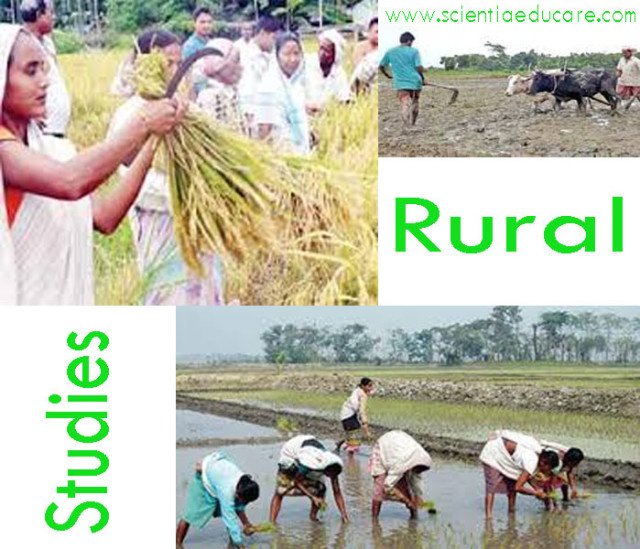
Introduction to Rural Studies

Rural studies is an interdisciplinary field that explores various aspects of rural life, culture, economy, development, and governance. It examines rural spaces and communities, focusing on issues such as agricultural practices, rural migration, land use, and sustainable development. This field has gained prominence as rural areas face various challenges, such as economic stagnation, lack of infrastructure, climate change, and migration to urban areas.


Career opportunities in rural studies,
How to become a rural studies professional,
Rural studies jobs and salary guide,
Skills required for rural studies careers,
Future scope of rural development studies


As the global population continues to grow, understanding rural spaces becomes increasingly important for addressing issues related to food security, environmental sustainability, and rural development. Rural studies professionals contribute to policymaking, economic planning, environmental protection, and community development in rural areas.

This article will provide a comprehensive overview of the field of rural studies, including the career opportunities, skill sets required, and future prospects.

What is Rural Studies?

Rural studies is an academic discipline that integrates perspectives from various fields such as sociology, geography, economics, anthropology, and political science. It is concerned with the study of rural communities, their social, economic, and political dynamics, and their interactions with urban centers.

Key Areas of Rural Studies:

  • Agriculture and Rural Development: Focuses on farming systems, rural economic activities, and policies for rural growth.
  • Sociology and Rural Society: Examines rural community structures, family dynamics, and social change.
  • Environmental Studies: Addresses rural land use, sustainability, and the impacts of climate change.
  • Rural Policy and Governance: Focuses on policy-making and governance structures in rural areas.
  • Rural Health and Education: Looks at rural healthcare delivery, education systems, and their disparities with urban counterparts.

Educational Pathways in Rural Studies

Rural studies programs are offered at various levels, including undergraduate, graduate, and doctoral levels. The courses are designed to provide both theoretical knowledge and practical experience in rural development.

Undergraduate Courses:

  • B.A. in Rural Development
  • B.Sc. in Agriculture
  • B.A. in Sociology with a focus on Rural Sociology
  • B.A. in Environmental Studies (Rural Focus)

Postgraduate Courses:

  • M.A. in Rural Development
  • M.Sc. in Rural Economics
  • M.A. in Development Studies
  • M.Phil/Ph.D. in Rural Studies, Rural Sociology, or Rural Economics

Core Topics:

  • Rural Governance and Policies
  • Sustainable Agriculture
  • Rural Economy and Development
  • Gender and Rural Development
  • Rural Social Structure

Skills Developed:

  • Analytical and research skills
  • Understanding of rural socio-economic issues
  • Policy formulation and analysis
  • Knowledge of rural development strategies
  • Ability to work with rural communities

Job Prospects in Rural Studies

The field of rural studies offers a wide range of career opportunities in various sectors, including government, non-governmental organizations (NGOs), international organizations, rural consultancy firms, and academic institutions. The following are some of the key job prospects for graduates of rural studies:

1. Rural Development Officer:

  • Role: Develops and implements rural development programs, monitors progress, and evaluates policies.
  • Key Skills: Project management, policy analysis, rural governance.
  • Employment Sectors: Government agencies, NGOs, international development organizations.
  • Websites for Further Reading:

2. Agricultural Economist:

  • Role: Analyzes agricultural data, assesses economic trends, and proposes strategies for improving rural economies.
  • Key Skills: Economic analysis, agricultural knowledge, data modeling.
  • Employment Sectors: Agricultural research institutes, government, private firms.
  • Websites for Further Reading:

3. Rural Sociologist:

  • Role: Studies the social structures of rural communities and investigates issues like migration, poverty, and rural health.
  • Key Skills: Research methods, data analysis, understanding of social structures.
  • Employment Sectors: Research organizations, universities, policy think tanks.
  • Websites for Further Reading:

4. Rural Health Specialist:

  • Role: Focuses on improving healthcare services in rural areas by assessing healthcare needs, designing rural health programs, and collaborating with healthcare providers.
  • Key Skills: Public health expertise, knowledge of rural health issues, program design.
  • Employment Sectors: Hospitals, health ministries, non-profit organizations.
  • Websites for Further Reading:

5. Environmental Consultant (Rural Focus):

  • Role: Works on sustainability projects, land use planning, and environmental impact assessments in rural areas.
  • Key Skills: Environmental policy, land use planning, sustainability practices.
  • Employment Sectors: Consulting firms, environmental NGOs, government bodies.
  • Websites for Further Reading:

6. Policy Analyst:

  • Role: Conducts research on rural policy issues, assists in formulating rural policies, and evaluates their effectiveness.
  • Key Skills: Research, policy analysis, communication.
  • Employment Sectors: Think tanks, government agencies, international organizations.
  • Websites for Further Reading:

7. International Development Specialist:

  • Role: Works with international organizations to design and implement rural development programs in underdeveloped or developing countries.
  • Key Skills: Cross-cultural understanding, project management, international relations.
  • Employment Sectors: United Nations, World Bank, NGOs, and aid organizations.
  • Websites for Further Reading:

Top Global Organizations Hiring Rural Studies Professionals

1. United Nations (UN):

  • The UN, through its various agencies, frequently hires professionals with expertise in rural development, agriculture, and environmental sustainability.
  • Website: UN Careers

2. World Bank:

  • The World Bank supports numerous rural development projects worldwide and hires professionals with expertise in rural economics and development.
  • Website: World Bank Careers

3. Food and Agriculture Organization (FAO):

  • The FAO addresses rural development issues through projects aimed at improving agricultural practices, reducing poverty, and ensuring food security.
  • Website: FAO Careers

4. International Fund for Agricultural Development (IFAD):

  • IFAD provides financial and technical assistance to rural projects in developing countries.
  • Website: IFAD Careers

5. Rural Development Network:

  • This network brings together development professionals working in rural areas and offers job opportunities in rural studies.
  • Website: Rural Development Network

Conclusion

A career in rural studies offers a wide range of opportunities for professionals to make a positive impact in rural communities. The field is diverse and spans multiple sectors, from agriculture and economics to healthcare and policy analysis. As rural areas continue to face significant challenges, the demand for experts who can address these issues in sustainable and effective ways is growing.

Rural studies professionals are instrumental in shaping the future of rural development, tackling issues such as poverty, education, healthcare, and environmental sustainability. Whether through policy analysis, community engagement, or environmental management, the career prospects in rural studies are vast and rewarding.

By pursuing a degree or career in rural studies, individuals contribute to the development of rural areas and improve the quality of life for millions of people worldwide.

Application of Radiation Technology and Radioisotopes in the field of Agriculture, Food and Health

0

Radiation-Technology

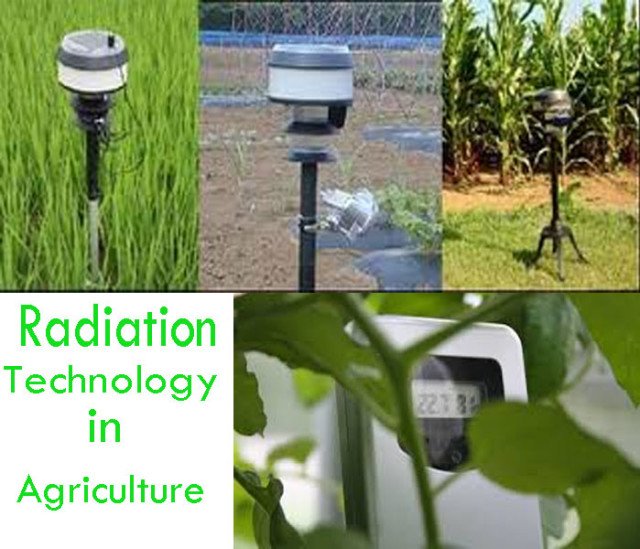
A thematic meeting on “Application of Radiation Technology and Radioisotopes in the field of Agriculture, Food and Health” was held on May 28-30, 2014 at AAU under the aegis of Bhabha Atomic Research Centre (BARC), Trombay. The Meeting was attended by Padma Shri Shri Sekhar Basu, Director, BARC, Trombay, with a team of 22 scientists from BARC and several other dignitaries.

Sri Basu said the second green revolution would be related to nuclear agriculture. Narrating a success story of BARC in this regard, he said the centre had produced a variety of groundnut using irradiation method that yielded 7,000 kg per hectare whereas the average yield is 1,500 kg. Sri Basu also spoke about how irradiation could help get rid of bacteria and insects from crops. This would result in good export quality as well as longer shelf life, he said.

Hon’ble Vice-Chancellor, AAU, Dr. K. M. Bujarbaruah said the university had prepared seven mega projects and around 50 small projects where the two institutes could work together.

Dr. G. N. Hazarika, Director of Research (Agri), said one of the projects that would be discussed involved mapping of groundwater to find where artesian wells were present with a water-tracer technology brought out by BARC.

As many as fifty five concept notes from scientists across the North East were presented in the meeting. A students’ session was also held where the students delivered presentations on the use of radiation technology for peaceful agriculture.

The meeting brought together researchers, scientists, and students on a common platform to share and discuss new innovation, experiences and other issues relating to different fields of research using nuclear technologies.

For more details Please! Refer the Website: http://www.aau.ac.in/?q=article/radiation-technology-and-radioisotopes
Best Wishes From www.scientiaeducare.com
Helping you choose a successful career….

Career Article on Media and Entertainment Industry

0

The media and entertainment industry is an expansive and dynamic field that offers a wide range of career opportunities. As a global sector, it encompasses various sub-sectors such as television, film, digital media, music, gaming, and live entertainment. With the rise of streaming services, social media platforms, and new digital technologies, the media and entertainment industry is constantly evolving. In this article, we will explore the diverse career prospects within the media and entertainment sector, the skills required, and provide useful resources for further reading.


Career opportunities in media and entertainment,
Jobs in the media and entertainment industry,
Skills required for media industry careers,
How to start a career in entertainment,
Future scope of media and entertainment careers


1. Overview of the Media and Entertainment Industry

The media and entertainment industry is a multifaceted sector that includes various platforms through which entertainment content is created, distributed, and consumed. It is not limited to traditional forms such as television and film but also includes digital media, radio, advertising, and more. The key segments of this industry include:

  • Television and Film
  • Digital and Social Media
  • Music
  • Gaming
  • Live Entertainment
  • Advertising and PR

These segments contribute significantly to the global economy and are a major source of employment, innovation, and creativity.

2. Why Choose a Career in the Media and Entertainment Industry?

A career in the media and entertainment industry can be exciting, lucrative, and creative. This sector is known for offering diverse career opportunities, both technical and creative. Below are some reasons why people are attracted to this field:

  • Creativity: Media and entertainment careers allow individuals to express their creativity in a variety of forms.
  • Global Reach: The media and entertainment industry has a global reach, with content being consumed worldwide.

  • Innovation and Technology: With new technologies and platforms emerging, the industry offers many opportunities for professionals to work with cutting-edge technologies.
  • Impact on Society: The media has a profound impact on society by influencing culture, politics, and public opinion.
  • Diverse Career Paths: There are numerous career paths that can suit different interests, from content creation to technology development.

3. Career Opportunities in the Media and Entertainment Industry

The media and entertainment industry provides a vast array of job prospects. Let’s dive deeper into the various roles within this field.

3.1 Content Creation

  • Film Director/Producer: Directors and producers play a central role in the creation of film and television projects, overseeing everything from pre-production to final editing.
  • Screenwriter: Screenwriters craft the scripts for films, television shows, and online content, developing characters, plots, and dialogue.
  • Television/Film Editor: Editors are responsible for compiling and refining video footage to produce a finished product for broadcast or streaming services.
  • Animator/Visual Effects Artist: This role involves creating animation or visual effects, which are vital in both movies and digital content.

3.2 Digital Media and Social Media

  • Social Media Manager: A key role in digital marketing, social media managers are responsible for creating and curating content across platforms like Instagram, Twitter, Facebook, and TikTok.
  • Content Strategist: These professionals develop content strategies to engage audiences, enhance SEO rankings, and improve user interaction across digital platforms.
  • Influencer Marketing Specialist: Working with influencers to promote products, services, and content is a rapidly growing segment in digital marketing.

3.3 Music and Audio

  • Music Producer/Composer: These professionals create music for films, video games, TV shows, advertisements, and more.
  • Sound Engineer: Sound engineers are responsible for recording, mixing, and mastering audio for a variety of media, including movies, music, and live events.
  • Music Manager/Agent: These professionals work with artists to manage their careers, book performances, and negotiate contracts.

3.4 Gaming Industry

  • Game Developer/Designer: Game developers design and develop video games across various platforms, including console, mobile, and virtual reality (VR).
  • Game Tester: Game testers are responsible for evaluating games for quality assurance, identifying bugs, and ensuring that the game meets industry standards before release.
  • Game Artist: Game artists are responsible for the visual design, including characters, landscapes, and other graphical elements.

3.5 Live Entertainment

  • Event Planner/Coordinator: These professionals organize live entertainment events, from concerts and festivals to theater productions.
  • Talent Manager: Talent managers oversee the careers of performers, musicians, and entertainers, helping them secure gigs and manage their professional growth.

3.6 Advertising and Public Relations

  • Advertising Executive: Advertising executives work with media companies to create and implement advertising strategies for clients in the entertainment sector.
  • Public Relations Specialist: PR professionals help manage the public image of entertainers, media companies, and entertainment events.

4. Skills Required in the Media and Entertainment Industry

The media and entertainment industry requires a combination of both technical and creative skills. Below are some of the essential skills for aspiring professionals:

4.1 Technical Skills

  • Proficiency in Software: Depending on the job, proficiency in specific software like Adobe Premiere Pro, Final Cut Pro, AutoCAD, or Unity may be essential.
  • Photography and Videography: Knowledge of cameras, lighting, and editing techniques is crucial for content creation.
  • Graphic Design and Animation: Familiarity with design tools like Photoshop, After Effects, and Blender is needed for roles like animation, VFX, and graphic design.

4.2 Creative Skills

  • Storytelling: Whether writing scripts, creating video games, or developing social media content, storytelling is at the heart of media and entertainment.
  • Creative Vision: A strong sense of creativity and the ability to conceptualize new ideas is essential for any role in this industry.
  • Collaboration: Most jobs in this sector require teamwork, and professionals must be adept at collaborating with directors, writers, and other team members.

4.3 Soft Skills

  • Communication: Strong verbal and written communication skills are vital in every aspect of the industry.
  • Time Management: Media projects often have strict deadlines, so time management skills are necessary to meet project timelines.
  • Problem-Solving: In an ever-evolving industry, professionals must be able to find solutions to unexpected challenges.

5. Job Prospects and Websites for Media and Entertainment Careers

5.1 Job Market Overview

The media and entertainment industry continues to grow, especially with the increasing demand for digital content. The rise of online streaming platforms, social media, and mobile gaming has opened up numerous career prospects globally. Some of the key job markets are:

  • United States: Home to Hollywood and Silicon Valley, the US offers a diverse array of job opportunities in media and entertainment.
  • United Kingdom: The UK is a global leader in television and film production, with London being a major hub for entertainment.
  • India: The growing film and television industry in India, especially Bollywood, offers significant opportunities.
  • Asia-Pacific: Countries like Japan, South Korea, and China have burgeoning entertainment industries, particularly in the gaming and animation sectors.

5.2 Job Search Websites

To further explore career opportunities in the media and entertainment sector, the following websites can be helpful:

  • EntertainmentCareers.net: This website offers job listings in film, television, music, and other entertainment industries.
  • Mandy.com: A popular platform for casting calls, film production jobs, and opportunities in television and film.
  • Film & TV Pro: This site offers jobs in film production, television, and theater.
  • LinkedIn: LinkedIn’s job portal features opportunities across the media and entertainment industry worldwide.

  • Indeed: A major job search engine that lists media and entertainment job openings.

5.3 Freelance Opportunities

For those interested in freelancing within the media and entertainment industry, the following platforms offer opportunities:

  • Upwork: Upwork is a global freelance marketplace offering numerous creative media jobs.
  • Fiverr: Fiverr allows professionals in the entertainment industry to offer their services as freelancers, such as voiceovers, video editing, and scriptwriting.
  • Freelancer: Freelancer offers various media and entertainment gigs ranging from content writing to video production.

6. Conclusion

The media and entertainment industry is an exciting and rewarding field with a wide range of career prospects. Whether you’re passionate about creating content, working in digital media, or pursuing a role in gaming or live entertainment, the industry provides opportunities for professionals to showcase their talents and creativity. By acquiring the necessary skills, staying updated with industry trends, and utilizing the resources provided above, you can embark on a successful career in this dynamic sector.

Further Reading

Career in Government Services

0

Government services represent one of the most prestigious and stable career paths for individuals seeking job security, growth opportunities, and the chance to contribute to the development and welfare of society. This article explores the various aspects of a career in government services, including the advantages, different job roles, prospects, preparation strategies, and international opportunities. Additionally, it offers insights into the most common exams, important websites for preparation, and valuable resources to enhance knowledge for aspirants.


Career opportunities in government services,
Government service jobs and salary guide,
Skills required for government service careers,
How to join government services,
Future scope of government sector jobs


Introduction

Government jobs, widely known as civil services, are highly esteemed due to their job stability, attractive perks, and opportunities for growth. Civil service employees work in various departments and ministries across multiple levels of government, including central, state, and local governments. These positions offer roles in administration, defense, law enforcement, health, education, and other sectors crucial to national and local governance.

Why Choose a Career in Government Services?

There are several compelling reasons why pursuing a career in government services is an attractive option for many job seekers.

Benefits of Government Services

  • Job Security: Government jobs are known for their stability. Once you secure a position, the chances of losing your job are minimal compared to private-sector roles.
  • Attractive Salary and Perks: In addition to a competitive salary, government employees enjoy numerous benefits such as health insurance, retirement pensions, bonuses, and paid leaves.
  • Work-Life Balance: Most government jobs allow for a balanced work-life structure, with weekends and public holidays off.
  • Social Contribution: Working in government services allows you to make a tangible impact on society through policies, administration, and welfare programs.
  • Career Growth and Promotions: Government service offers steady career advancement opportunities through internal exams, promotions, and departmental transfers.

Government Jobs vs. Private Sector Jobs

  • Security: Government jobs offer long-term stability and protection from market fluctuations, unlike private-sector roles which can be more volatile.
  • Salary: Although government salaries may initially seem lower compared to some private-sector jobs, the comprehensive benefits, job security, and pension plans make government jobs financially competitive.
  • Work Environment: Government service offers a more structured work environment, with fewer performance-driven pressures, which may be ideal for those seeking less stress.

Types of Government Jobs

Government jobs are diverse and span across numerous fields and sectors. Here are some of the major types of roles available:

1. Administrative Services

  • Indian Administrative Service (IAS)
  • Indian Foreign Service (IFS)
  • Indian Police Service (IPS)
  • Indian Revenue Service (IRS)
  • State Civil Services (SCS)

These positions are ideal for individuals interested in leading and managing public sector programs, policies, and regulations.

2. Public Sector Undertakings (PSUs)

  • Jobs in various state and central government-owned corporations.
  • Roles in sectors like banking, finance, telecommunications, energy, and infrastructure.
  • Example Organizations: ONGC, SAIL, GAIL, BSNL, BHEL.

3. Defense Services

  • Indian Army
  • Indian Navy
  • Indian Air Force
  • Paramilitary Forces (CRPF, BSF, etc.)

These jobs offer opportunities to serve the nation, with career growth in specialized roles, including engineering, medical services, logistics, and intelligence.

4. Education and Teaching

  • Jobs in government schools, universities, and colleges.
  • Positions for teachers, professors, research staff, and administrative roles in educational institutions.

5. Law Enforcement and Judicial Services

  • Judicial Services (Civil Judge, Magistrate)
  • Police Services
  • Forensic Services

These roles cater to individuals interested in law, justice, and public safety.

6. Healthcare and Public Health

  • Doctors, Nurses, and Medical Staff in Government Hospitals
  • Public Health Administrators

These positions focus on the well-being of the public through government-run healthcare programs and services.

7. Social Services and Welfare

  • Positions in welfare departments, child services, social work, and rural development.
  • Jobs in organizations like the Ministry of Social Justice and Empowerment.

Job Prospects and Career Growth

Government services offer numerous job opportunities, with various levels of responsibility and specialization. Below are some key prospects:

1. Job Opportunities at the Central Level

  • Indian Administrative Service (IAS): Top-level administrative positions at the national level, overseeing central government departments.
  • Indian Police Service (IPS): Key roles in law enforcement, managing national police forces.
  • Indian Foreign Service (IFS): Careers in diplomacy, international relations, and foreign policy.

2. Job Opportunities at the State Level

  • State Civil Services: Administrative positions within state governments, ranging from District Magistrates to Revenue Officers.
  • Police and Judicial Services: Opportunities in state-level law enforcement and judicial departments.

3. Public Sector Undertakings

  • Employment in sectors like energy, transportation, and finance with roles in engineering, finance, management, and operations.

4. Local Government Services

  • Positions within municipal corporations, panchayats, and district administrations.
  • Jobs may include roles such as town planners, municipal commissioners, and project managers in local governance.

Preparation for Government Jobs

Securing a government job typically requires passing competitive exams. Preparation for these exams is crucial, and here’s how you can get started:

Key Government Exams

  • Union Public Service Commission (UPSC) Exams: For positions like IAS, IFS, IPS, IRS.
  • State Public Service Commission (SPSC) Exams: For state administrative services.
  • Banking Exams: For positions in public sector banks (e.g., IBPS PO, Clerk exams).
  • Railway Recruitment Board (RRB): For jobs in the Indian Railways.
  • SSC Exams: For clerical and administrative positions.
  • Defense Services Exams: For Army, Navy, and Air Force positions.

Tips for Preparation

  • Start Early: Begin preparation well in advance to cover all exam topics thoroughly.
  • Regular Study Routine: Set aside specific hours for studying each day and follow a structured timetable.
  • Refer to Standard Books and Resources: Use NCERT books, standard government exam preparation books, and online resources.
  • Mock Tests and Practice Papers: Take regular mock exams to gauge your preparation level.
  • Stay Updated on Current Affairs: Government exams, especially UPSC, heavily rely on current events and general knowledge.

Online Platforms for Government Exam Preparation

International Government Job Prospects

Apart from local opportunities, various international organizations and foreign governments offer government jobs. These positions may require specialized skills, experience, and knowledge of international relations.

Job Opportunities at the International Level

  • United Nations (UN): Positions in areas like administration, human rights, diplomacy, and international law.
  • World Bank: Jobs in finance, project management, and development assistance.
  • European Union: Administrative roles in Brussels and across EU member states.
  • Foreign Governments: Many countries offer civil service positions in various sectors.

International Job Portals

Conclusion

A career in government services is not just about securing a job, but about making a lasting impact on society and serving the public. With a variety of job roles across multiple sectors, government services provide numerous opportunities for individuals with different skill sets and interests. The path to success in government services requires dedication, thorough preparation, and a commitment to personal and professional growth. By understanding the various career prospects, the preparation involved, and available international opportunities, individuals can set themselves on the right path toward a fulfilling and impactful career in government services.

For further reading and resources, explore the following websites:

Career in Fashion

0

Fashion is a dynamic and ever-evolving industry that offers numerous career opportunities for creative individuals passionate about style, design, and trends. A career in fashion involves more than just designing clothes; it spans a wide array of disciplines, from garment creation to fashion marketing, branding, and even fashion journalism. This study module delves deep into the fashion industry, exploring the various career paths, job prospects, required skills, and global opportunities available in this vibrant field.


Career opportunities in fashion,
Jobs in the fashion industry,
Skills required for fashion careers,
How to start a career in fashion design,
Future scope of fashion industry jobs


Introduction to the Fashion Industry

Fashion is not only a form of personal expression but also a powerful force in shaping cultures, societies, and economies. It is a $2.5 trillion global industry, offering countless opportunities for individuals to contribute to its growth. From iconic designers like Coco Chanel and Giorgio Armani to global fashion houses and streetwear brands, the fashion world is vast and influential.

A career in fashion requires creativity, innovation, and adaptability. Whether it’s through creating stunning collections, crafting marketing campaigns, or building sustainable fashion solutions, the opportunities in fashion are as diverse as the trends themselves.

Why Choose a Career in Fashion?

Benefits of a Career in Fashion

  • Creative Expression: Fashion allows individuals to showcase their creativity and innovation through designs, styling, photography, and more.
  • High Earning Potential: With success in the fashion industry, professionals can earn a substantial income, especially if they work with luxury brands or run their own businesses.
  • Global Opportunities: Fashion is a global industry, with numerous opportunities for professionals to work in different countries and cultures.
  • Job Diversity: Fashion careers are not limited to designers. The industry offers a wide range of roles in design, production, styling, marketing, photography, and journalism.
  • Networking: Fashion professionals often work with high-profile clients, influencers, and celebrities, which provides opportunities for collaboration and growth.

The Fashion Industry: Key Sectors

The fashion industry is multifaceted and includes various sectors that provide different career opportunities. Some of the major sectors are:

  • Fashion Design: This is the core of the fashion industry, where designers create clothing, footwear, and accessories.
  • Fashion Styling: Stylists work to create looks for fashion shoots, red carpets, and personal wardrobes.
  • Fashion Merchandising: This involves promoting and selling fashion products to customers through retail or online platforms.
  • Fashion Marketing & Branding: Fashion marketing professionals create campaigns to build brand recognition and attract consumers.
  • Fashion Journalism: Writers, editors, and bloggers contribute by covering trends, interviews, and product reviews.
  • Fashion Photography: Photographers capture designs, collections, and advertisements in visual form.

Popular Career Paths in Fashion

1. Fashion Designer

  • Description: Fashion designers are the creatives who sketch, design, and develop clothing and accessories. They interpret trends, create collections, and sometimes work on custom pieces for clients.
  • Skills Needed:
    • Creativity and artistic vision
    • Knowledge of fabrics, colors, and patterns
    • Technical drawing and sewing skills
    • Understanding of fashion trends
    • Attention to detail and precision
  • Job Prospects: Fashion designers can work for established fashion houses, run their own brands, or even design for mass-market retailers. High-end designers are sought after in luxury brands, while fast fashion also offers numerous opportunities.

2. Fashion Stylist

  • Description: Fashion stylists are responsible for putting together outfits and ensuring that the clothing, accessories, and footwear complement the subject’s look. Stylists can work for photo shoots, fashion shows, or celebrities.
  • Skills Needed:
    • Strong sense of style and trends
    • Ability to understand the context (e.g., for photo shoots, TV shows)
    • Creativity and vision
    • Communication skills to work with clients, models, and photographers
  • Job Prospects: Stylists work for fashion magazines, celebrity clients, advertising agencies, and even on TV and film sets.

3. Fashion Illustrator

  • Description: Fashion illustrators use artistic skills to sketch clothing and accessories. Their work is essential in communicating a designer’s vision before the physical garment is created.
  • Skills Needed:
    • Advanced drawing and sketching skills
    • Knowledge of fashion history and trends
    • Proficiency in digital design tools
    • Attention to detail
  • Job Prospects: Fashion illustrators may work freelance or as part of design teams. Many illustrators also collaborate with fashion publications, brands, or even design their own collections.

4. Fashion Merchandiser

  • Description: Fashion merchandisers focus on the business side of fashion, from purchasing materials to ensuring that designs meet market demands. They work closely with designers and retailers to select collections that appeal to consumers.
  • Skills Needed:
    • Strong understanding of market trends
    • Business acumen and inventory management skills
    • Communication and negotiation skills
    • Understanding of supply chain processes
  • Job Prospects: Merchandisers can work in retail chains, fashion stores, e-commerce platforms, or even for fashion brands looking to expand their collections.

5. Fashion Marketing and PR Specialist

  • Description: Marketing professionals in fashion are responsible for promoting brands, managing campaigns, and creating brand loyalty. PR specialists ensure that the brand’s image is in line with its target audience and manage relationships with the media.
  • Skills Needed:
    • Understanding of digital and traditional marketing techniques
    • Strong communication and public speaking skills
    • Networking abilities with influencers, journalists, and industry insiders
  • Job Prospects: Fashion marketers and PR specialists work with fashion brands, advertising agencies, and public relations firms to create campaigns and build brand identities.

6. Fashion Photographer

  • Description: Fashion photographers capture the visual essence of fashion through their photographs. They work on fashion shoots, advertisements, editorials, and runway shows.
  • Skills Needed:
    • Expertise in photography, lighting, and editing
    • Understanding of fashion and styling
    • Creativity in framing, shooting, and lighting
  • Job Prospects: Fashion photographers can work with magazines, online platforms, fashion brands, and advertising agencies.

7. Fashion Journalist and Blogger

  • Description: Fashion journalists and bloggers write about the latest trends, new collections, and fashion news. They often attend fashion shows and report on them, interviewing designers and influencers.
  • Skills Needed:
    • Strong writing and editing skills
    • Ability to stay updated on fashion trends
    • Good research skills
  • Job Prospects: Fashion journalists can work for print magazines, online platforms, and even launch their own blogs or YouTube channels.

8. Fashion Buyer

  • Description: Fashion buyers are responsible for purchasing clothing and accessories that retailers will sell. They attend fashion shows, analyze trends, and select merchandise that will appeal to their target audience.
  • Skills Needed:
    • Strong knowledge of fashion trends
    • Excellent negotiation and communication skills
    • Business management and financial planning skills
  • Job Prospects: Fashion buyers work in retail chains, department stores, and e-commerce platforms, selecting and purchasing stock for sale.

Required Skills for a Career in Fashion

  • Creativity: An essential skill for anyone in fashion, as it drives innovation and the development of unique designs.
  • Attention to Detail: Precision is key, especially for designers and stylists working with fabrics, textures, and fits.
  • Business Acumen: Professionals in marketing, merchandising, and buying need to understand market dynamics and consumer behavior.
  • Technical Skills: Knowledge of design software, pattern making, garment construction, and photography is crucial in various roles.
  • Communication and Networking: Many fashion careers involve collaborating with teams, clients, and other professionals, making effective communication a critical skill.

Fashion Industry Trends

  • Sustainability: The fashion industry is increasingly focusing on eco-friendly practices. Sustainable fashion is a growing niche with opportunities in eco-fashion design, sustainable marketing, and ethical consumerism.
  • Digital Transformation: E-commerce, virtual fashion shows, and AI-driven design processes are revolutionizing the industry, creating new opportunities for tech-savvy professionals.

International Job Prospects and Resources

Websites for Further Reading and Career Resources

Global Job Websites for Fashion Careers

Conclusion

A career in fashion offers exciting prospects for individuals with a passion for style, creativity, and innovation. The industry is vast, with numerous roles that cater to different skill sets, from design to marketing to writing. The key to success in this dynamic field is developing a strong skillset, staying updated with industry trends, and gaining hands-on experience through internships or freelance work. The global nature of fashion means that there are ample opportunities worldwide for those seeking an international career.

By exploring the various career options and leveraging the resources mentioned, aspiring fashion professionals can chart their own path in this ever-changing and rewarding industry.

Career in Hospitality

0

The hospitality industry is a vibrant and growing sector that offers a wide range of career opportunities, making it one of the most diverse and rewarding industries worldwide. Hospitality encompasses various services including lodging, food and beverage, travel, and event planning. This module explores the different aspects of a career in hospitality, including key career paths, required skills, global job prospects, and helpful resources for further reading.


Career opportunities in hospitality,
Jobs in the hospitality industry,
Skills required for hospitality careers,
How to start a hospitality management career,
Future scope of hospitality industry jobs


Introduction to the Hospitality Industry

Hospitality is a global sector that includes hotels, restaurants, resorts, cruise ships, event planning, and travel services. The industry is driven by providing exceptional service and ensuring guest satisfaction. According to the World Travel & Tourism Council (WTTC), the hospitality and tourism industry contributes a significant portion to the global economy, generating millions of jobs worldwide. This module will examine the various sectors within hospitality and the diverse career options available.

What is Hospitality?

Hospitality is the friendly and generous reception and entertainment of guests, visitors, or strangers. The hospitality industry is responsible for providing customers with lodging, meals, and other services that ensure their comfort during their stay at a hotel, restaurant, or similar establishment. The essence of hospitality is rooted in customer service, which is crucial to the success of businesses within this sector.

Why Choose a Career in Hospitality?

A career in hospitality is not only rewarding but also offers numerous opportunities for professional growth. Here are some reasons why you might consider a career in hospitality:

  • Dynamic Work Environment: Hospitality professionals work in an environment where every day is different. From interacting with guests to managing large events, there’s always something new.
  • Global Opportunities: The hospitality industry is worldwide, offering career prospects in virtually every country.
  • Job Stability: The hospitality industry is essential to the global economy, providing stable and diverse job opportunities.
  • Skill Development: Hospitality roles help develop a wide range of skills, including customer service, management, leadership, and communication.
  • Growth and Advancement: The industry offers various opportunities for career advancement, especially for those who are willing to relocate or specialize in certain niches.

Key Sectors within Hospitality

The hospitality industry is broad and encompasses several key sectors, each offering unique career paths. The following are some of the most significant areas within the hospitality sector:

1. Hotels and Lodging

  • Description: The hotel sector includes a wide range of establishments from budget accommodations to luxury resorts. Careers in this sector focus on managing guest services, housekeeping, front desk operations, and hotel operations.
  • Common Roles:
    • Hotel Manager
    • Front Desk Agent
    • Concierge
    • Housekeeping Manager
    • Hotel Event Coordinator
  • Skills Needed:
    • Strong leadership and communication skills
    • Customer service expertise
    • Ability to handle stressful situations
    • Knowledge of hotel management software
    • Attention to detail

2. Food and Beverage

  • Description: This sector includes restaurants, cafes, bars, and catering services. Professionals in this sector are responsible for food preparation, service, customer interaction, and managing the dining experience.
  • Common Roles:
    • Restaurant Manager
    • Chef
    • Bartender
    • Waitstaff
    • Catering Manager
  • Skills Needed:
    • Culinary skills (for chefs)
    • Customer service and interpersonal communication
    • Time management and organization
    • Food safety and hygiene knowledge

3. Event Planning and Management

  • Description: Event planning involves organizing events such as conferences, weddings, parties, and corporate meetings. Professionals in this sector manage logistics, scheduling, guest lists, and vendor coordination.
  • Common Roles:
    • Event Coordinator
    • Wedding Planner
    • Corporate Event Manager
    • Conference and Exhibition Planner
  • Skills Needed:
    • Excellent organizational and multitasking skills
    • Strong communication skills
    • Problem-solving abilities
    • Budgeting and vendor negotiation

4. Tourism and Travel

  • Description: The tourism sector involves providing services related to travel, including transportation, guided tours, and travel planning. Professionals help customers plan their vacations and manage their itineraries.
  • Common Roles:
    • Travel Agent
    • Tour Guide
    • Travel Consultant
    • Ticketing Agent
  • Skills Needed:
    • In-depth knowledge of travel destinations
    • Customer service and sales skills
    • Organizational skills
    • Attention to detail

5. Cruise Line and Resorts

  • Description: Cruise lines and resorts cater to leisure travelers. Jobs in this sector can involve cruise ship operations, guest services, entertainment, and recreation activities.
  • Common Roles:
    • Cruise Director
    • Resort Manager
    • Tour Guide
    • Activity Coordinator
  • Skills Needed:
    • Strong leadership and communication skills
    • Entertainment and hospitality knowledge
    • Ability to manage large groups and provide excellent customer service

6. Casino and Entertainment

  • Description: This sector encompasses casinos, theaters, and entertainment complexes. Careers here focus on customer service, event coordination, and entertainment management.
  • Common Roles:
    • Casino Manager
    • Entertainment Manager
    • Guest Services Coordinator
    • Security and Surveillance Staff
  • Skills Needed:
    • Customer service and sales skills
    • Attention to detail and security knowledge
    • Leadership and problem-solving skills

Career Paths in Hospitality

The hospitality industry offers various career paths for individuals with different skill sets and interests. Below are some popular career choices:

1. Hotel and Resort Management

  • Description: As a hotel or resort manager, you will oversee the operations of a hotel or resort, ensuring guest satisfaction, managing staff, and meeting business goals.
  • Skills Needed:
    • Leadership and management skills
    • Business and financial knowledge
    • Strong interpersonal skills

2. Restaurant Management

  • Description: Restaurant managers are responsible for overseeing the day-to-day operations of a restaurant, including staff management, inventory control, and customer service.
  • Skills Needed:
    • Time management
    • Customer service
    • Culinary knowledge (for some roles)

3. Travel and Tourism Management

  • Description: A career in travel management involves helping clients plan and book trips, providing customer service, and guiding tours.
  • Skills Needed:
    • Knowledge of destinations and travel logistics
    • Strong communication and sales skills

4. Event Planning

  • Description: Event planners organize and execute a variety of events such as weddings, corporate events, and conferences. They manage everything from scheduling to vendor negotiations.
  • Skills Needed:
    • Organizational and multitasking skills
    • Excellent communication and negotiation skills

5. Food and Beverage Management

  • Description: This role involves overseeing the operations of a restaurant or bar, including managing staff, creating menus, and ensuring excellent customer service.
  • Skills Needed:
    • Knowledge of food preparation and restaurant operations
    • Strong leadership skills
    • Customer service expertise

Required Skills for a Career in Hospitality

Working in hospitality requires a combination of hard and soft skills. Here are some key skills needed in this sector:

  • Customer Service Excellence: Hospitality is all about serving guests and ensuring their comfort and satisfaction.
  • Communication: Strong verbal and written communication skills are crucial when interacting with guests, staff, and suppliers.
  • Problem-Solving: Hospitality professionals often need to resolve complaints or issues quickly and efficiently.
  • Organizational Skills: From event planning to managing a hotel, organizational skills are vital in keeping things running smoothly.
  • Leadership and Teamwork: Hospitality professionals often work in teams and need to lead or collaborate effectively with others.
  • Adaptability and Flexibility: The hospitality industry is fast-paced, and professionals must be able to adapt to changing situations.

Job Prospects in Hospitality

The hospitality industry offers abundant job prospects both locally and globally. Whether you are looking for a job in hotels, resorts, tourism, or event planning, there are numerous opportunities across the world. The following are some websites where you can explore job opportunities:

Global Job Opportunities

Trends in the Hospitality Industry

  • Sustainability: Eco-friendly practices are becoming more important in hospitality. Hotels and restaurants are focusing on energy efficiency, waste reduction, and sustainable sourcing.
  • Technology: The use of technology such as mobile check-ins, digital concierge services, and online booking platforms is transforming the hospitality experience.
  • Personalized Experiences: The rise of boutique hotels and unique experiences tailored to guests’ preferences is shaping the future of hospitality.

Conclusion

A career in hospitality offers dynamic and diverse job opportunities in various sectors such as hotels, restaurants, tourism, and event management. The industry thrives on excellent customer service, innovation, and the ability to adapt to changing trends. By acquiring the right skills and gaining relevant experience, individuals can build successful careers in this exciting and rewarding field.

Additional Resources for Further Reading:

Career Article on Engineering

0

Introduction to Engineering

Engineering is a broad and diverse field of study that encompasses the application of scientific principles to design, build, and maintain structures, machines, and processes. Engineering has a significant impact on the modern world, driving innovation and technological advancements that have transformed societies. Whether it’s the construction of infrastructure, development of technology, or energy solutions, engineers play a vital role in shaping the future.


Career opportunities in engineering,
Jobs in the engineering industry,
Skills required for engineering careers,
How to become an engineer,
Future scope of engineering careers


Understanding the Branches of Engineering

Engineering is not a single field but a collection of specialized disciplines, each with its own focus and applications. Below are the main branches of engineering that a student may choose to pursue:

1. Civil Engineering

  • Focus: Design, construction, and maintenance of infrastructure such as buildings, roads, bridges, and dams.
  • Key Skills: Structural analysis, construction management, surveying, and project management.
  • Job Prospects: Infrastructure development, construction firms, urban planning authorities.

2. Mechanical Engineering

  • Focus: Design and manufacturing of machines, engines, and other mechanical systems.
  • Key Skills: Thermodynamics, material science, dynamics, and control systems.
  • Job Prospects: Automobile industry, aerospace, robotics, energy sector.

3. Electrical Engineering

  • Focus: Study of electrical systems, electronics, and electromagnetism for energy production and distribution.
  • Key Skills: Circuit design, power systems, renewable energy, and control systems.
  • Job Prospects: Power generation companies, electronics firms, research labs.

4. Computer Science and Engineering

  • Focus: Software development, data analysis, artificial intelligence, and network systems.
  • Key Skills: Programming languages, algorithms, data structures, and software engineering.
  • Job Prospects: Tech companies, cybersecurity firms, software development.

5. Chemical Engineering

  • Focus: Use of chemical processes to convert raw materials into valuable products.
  • Key Skills: Process design, thermodynamics, chemical reactions, and material engineering.
  • Job Prospects: Petrochemical industry, pharmaceuticals, environmental engineering.

6. Aerospace Engineering

  • Focus: Design and development of aircraft and spacecraft.
  • Key Skills: Aerodynamics, propulsion, materials science, and fluid dynamics.
  • Job Prospects: Aerospace companies, space agencies, defense sector.

7. Biotechnology Engineering

  • Focus: Application of biology and technology to develop solutions in healthcare, agriculture, and environmental management.
  • Key Skills: Molecular biology, genetic engineering, bioinformatics, and pharmaceuticals.
  • Job Prospects: Healthcare industry, agricultural companies, pharmaceutical firms.

8. Environmental Engineering

  • Focus: Development of systems to protect and improve the environment, such as water treatment, pollution control, and waste management.
  • Key Skills: Environmental science, pollution control technologies, sustainability, and systems design.
  • Job Prospects: Environmental agencies, sustainable energy companies, government bodies.

9. Industrial Engineering

  • Focus: Optimization of complex systems and processes in manufacturing, logistics, and business operations.
  • Key Skills: Process optimization, supply chain management, operations research, and quality control.
  • Job Prospects: Manufacturing companies, logistics firms, management consulting.

Key Skills Required for an Engineering Career

While specific skills vary depending on the branch of engineering, the following are essential skills for all engineers:

  • Problem-Solving Skills: Engineers need to solve complex issues by applying scientific principles and creative thinking.
  • Mathematical Aptitude: Mathematics is the foundation of engineering, and strong mathematical skills are necessary for analyzing and solving problems.
  • Technical Proficiency: Engineers must be well-versed in the latest software tools, simulation techniques, and engineering technologies.
  • Communication Skills: Effective communication is vital for explaining designs and ideas to non-engineers, teams, and clients.
  • Teamwork and Collaboration: Most engineering projects require collaboration, as engineers often work in teams with other professionals.
  • Attention to Detail: Engineers must ensure that all elements of a project are accurate and meet safety and quality standards.

Pathways to an Engineering Career

1. Educational Requirements

  • Bachelor’s Degree: The first step to an engineering career is typically earning a Bachelor of Technology (B.Tech) or Bachelor of Engineering (B.E.) degree from a recognized university.
  • Master’s Degree: For those interested in specializing in a specific area of engineering or pursuing a career in research or academia, a Master’s degree in Engineering is recommended.
  • Doctoral Programs (Ph.D.): For high-level research, teaching, or innovation roles, a Ph.D. in Engineering is the highest level of academic achievement.

2. Certifications and Licenses

  • Professional Engineering License: In many countries, engineers need to be licensed by a regulatory body (e.g., P.E. in the United States) to offer services to the public.
  • Certifications: Certain fields, like software engineering, may require certifications for specific programming languages or technologies.

3. Internships and Work Experience

  • Internships provide valuable hands-on experience that complements theoretical learning.
  • Work experience in entry-level roles allows fresh graduates to gain exposure to the industry and build professional skills.

Job Prospects for Engineers Worldwide

1. Job Opportunities in the Global Market

Engineering professionals have a wide array of career opportunities globally. With rapid advancements in technology and infrastructure, engineers are in high demand. Below are some key sectors that consistently require engineers:

  • Technology and Software Development: With the growing reliance on technology, software engineers are sought after in industries ranging from tech companies to healthcare and finance.
  • Construction and Infrastructure Development: Civil engineers play an essential role in building roads, bridges, airports, and large-scale infrastructure projects.
  • Energy and Environmental Engineering: The need for sustainable energy solutions makes electrical and environmental engineers highly sought after.
  • Manufacturing and Industrial Engineering: Automation and industrial optimization demand engineers to streamline operations and improve productivity.
  • Aerospace and Defense: Aerospace engineers design aircraft and spacecraft, while defense engineers work on systems used for national security.

2. Job Websites for Engineering Professionals

  • LinkedIn (linkedin.com): Offers a wide range of job listings for engineers globally, along with professional networking opportunities.
  • Indeed (indeed.com): A popular job search platform that lists thousands of engineering job openings worldwide.
  • Glassdoor (glassdoor.com): Offers insights into engineering salaries, company reviews, and job openings.
  • SimplyHired (simplyhired.com): Another excellent job search platform that aggregates job listings for engineers from various sources.
  • EngineerJobs.com (engineerjobs.com): A specialized job board focusing exclusively on engineering positions.
  • Monster (monster.com): Provides job listings and career resources tailored to engineers.

3. Job Prospects by Region

  • United States: The U.S. Bureau of Labor Statistics (BLS) projects steady growth in engineering occupations, particularly in software development, civil engineering, and renewable energy.
  • Europe: Countries like Germany, the UK, and France are seeing high demand for engineers, especially in manufacturing, civil engineering, and IT sectors.
  • Middle East: Engineering professionals are sought after in the construction and oil sectors, especially in countries like Saudi Arabia and the UAE.
  • Asia: China and India are expanding their infrastructure, energy, and technology sectors, creating a demand for various engineering disciplines.

Salary and Career Growth in Engineering

The salary of an engineer depends on their specialization, experience, and the industry in which they work. Generally, engineering offers lucrative career prospects, with salaries often exceeding those of many other fields.

  • Entry-Level Salary: Fresh engineering graduates can expect a starting salary of around $60,000 – $80,000 per year, depending on the location and sector.
  • Experienced Engineers: With 5-10 years of experience, engineers can earn upwards of $100,000 annually, especially in high-demand fields like software engineering, electrical engineering, and aerospace.
  • Senior Engineers and Managers: Senior roles and managerial positions can earn anywhere from $120,000 to $200,000 annually, particularly in leadership roles or specialized industries.

Challenges and Rewards of an Engineering Career

Challenges:

  • Continuous Learning: Engineers must constantly update their skills to keep up with technological advancements.
  • Work Pressure: Many engineering projects are deadline-driven, requiring long hours and intense focus.
  • Work Environment: Engineers often work in physically demanding environments, such as construction sites or laboratories.

Rewards:

  • High Earning Potential: Engineering offers high salaries and job stability.
  • Job Satisfaction: Engineers often find fulfillment in solving real-world problems and contributing to innovations.
  • Global Opportunities: The demand for engineers is global, offering professionals the chance to work and live in different countries.

Conclusion

Engineering is a dynamic and rewarding career path that offers a variety of specializations and job opportunities across the globe. The skills and knowledge engineers acquire during their education and professional experience provide them with the tools to solve some of the world’s most pressing challenges, from building sustainable infrastructure to advancing technology. By choosing the right discipline, pursuing continuous education, and gaining hands-on experience, aspiring engineers can look forward to a successful and fulfilling career.

Further Reading and Resources

Career Article on Software and IT

0

Introduction to Software and IT Careers

The Software and Information Technology (IT) industry has evolved dramatically over the past few decades and has become one of the most dynamic and lucrative fields to pursue a career in. The software industry encompasses the creation, development, and maintenance of software applications and systems, while IT focuses on the management of technology and infrastructure supporting businesses and users. With the increasing reliance on technology, both fields have seen exponential growth and will continue to offer exciting career opportunities in the years to come.

In this study module, we will explore the various career options available within Software and IT, the skills required, job prospects, and the educational pathways that will lead you to success in this fast-paced and rewarding field.


Career opportunities in software and IT,
Jobs in software development and IT,
Skills required for IT careers,
How to start a career in software engineering,
Future scope of IT and software industry jobs


Key Areas of Software and IT

The Software and IT industry is vast, with numerous career paths depending on your interests, skills, and the specific technologies you want to specialize in. The following are some key areas within Software and IT:

1. Software Development

  • Overview: Software development involves the creation of applications, systems, and tools that meet user requirements, solve problems, and enhance functionality.
  • Key Roles:
    • Software Developer/Engineer: Focuses on designing, coding, testing, and maintaining software applications.
    • Mobile App Developer: Specializes in developing applications for mobile devices (Android, iOS).
    • Web Developer: Designs and develops websites and web applications, ensuring user-friendly interfaces and responsive design.
  • Skills Required:
    • Proficiency in programming languages (e.g., Java, C++, Python, JavaScript)
    • Software development methodologies (Agile, Scrum)
    • Understanding of databases and backend systems (SQL, NoSQL)
  • Job Prospects: Software development roles are in high demand in industries such as finance, healthcare, gaming, e-commerce, and more.

2. Information Technology (IT) Management

  • Overview: IT management involves overseeing the technology infrastructure and ensuring that the IT systems and services meet the needs of businesses and organizations.
  • Key Roles:
    • IT Manager: Oversees IT departments, manages technology resources, and ensures systems run efficiently.
    • Network Administrator: Manages the company’s network infrastructure, ensuring data security and connectivity.
    • IT Project Manager: Coordinates IT projects, manages timelines, budgets, and ensures successful project delivery.
  • Skills Required:
    • Strong understanding of IT systems, cloud computing, and enterprise architecture.
    • Leadership, project management, and organizational skills.
  • Job Prospects: IT management professionals are essential in all sectors, including government, healthcare, education, finance, and large enterprises.

3. Cybersecurity

  • Overview: Cybersecurity focuses on protecting systems, networks, and data from digital attacks and unauthorized access.
  • Key Roles:
    • Cybersecurity Analyst: Monitors network security, detects potential threats, and responds to incidents.
    • Penetration Tester (Ethical Hacker): Tests systems and applications to identify vulnerabilities before malicious hackers can exploit them.
    • Security Architect: Designs and implements security systems to safeguard organizational data.
  • Skills Required:
    • Knowledge of security protocols, firewalls, encryption, and threat detection systems.
    • Expertise in programming and security tools (e.g., Kali Linux, Metasploit).
  • Job Prospects: Cybersecurity roles are in demand worldwide as cyber threats continue to increase. The growing reliance on digital platforms creates high demand for professionals who can safeguard information.

4. Data Science and Analytics

  • Overview: Data Science focuses on using algorithms, statistical methods, and machine learning techniques to analyze and interpret complex data to inform decision-making.
  • Key Roles:
    • Data Scientist: Analyzes large datasets to uncover patterns, trends, and actionable insights.
    • Data Analyst: Responsible for interpreting data and generating reports for stakeholders.
    • Machine Learning Engineer: Specializes in creating and deploying machine learning models that can learn from data.
  • Skills Required:
    • Strong analytical skills and proficiency in programming languages such as Python, R, and SQL.
    • Knowledge of machine learning, artificial intelligence (AI), and big data technologies (e.g., Hadoop, Spark).
  • Job Prospects: Data scientists and analysts are in high demand across various sectors like finance, healthcare, marketing, and e-commerce, with salaries often exceeding the average industry rate due to the specialized nature of the work.

5. Cloud Computing

  • Overview: Cloud computing refers to the delivery of computing services over the internet, including storage, processing, and software applications.
  • Key Roles:
    • Cloud Engineer: Designs, builds, and maintains cloud infrastructure and services.
    • Cloud Architect: Plans and implements cloud computing strategies for organizations.
    • Cloud Security Engineer: Ensures that cloud environments are secure and compliant with industry standards.
  • Skills Required:
    • Familiarity with cloud platforms such as Amazon Web Services (AWS), Microsoft Azure, and Google Cloud.
    • Knowledge of cloud deployment models (IaaS, PaaS, SaaS) and cloud architecture.
  • Job Prospects: Cloud computing professionals are highly sought after as businesses increasingly rely on cloud technologies for scalable and cost-effective solutions.

6. Artificial Intelligence (AI) and Machine Learning (ML)

  • Overview: AI and ML are subsets of computer science focused on developing systems that can perform tasks that typically require human intelligence, such as speech recognition, decision-making, and predictive analytics.
  • Key Roles:
    • AI Researcher: Focuses on developing new AI models and improving existing ones.
    • Machine Learning Engineer: Develops algorithms that allow machines to learn from data.
    • AI Software Developer: Implements AI systems and integrates them into applications.
  • Skills Required:
    • Strong mathematical and statistical knowledge, including linear algebra and calculus.
    • Proficiency in machine learning frameworks such as TensorFlow, PyTorch, or Keras.
  • Job Prospects: AI and ML roles are in high demand in industries such as healthcare, automotive, and finance. Professionals in these fields often receive high salaries and have opportunities for groundbreaking work in robotics, automation, and smart technologies.

Key Skills for a Career in Software and IT

The following are essential skills for anyone pursuing a career in software or IT:

  • Programming Languages: Proficiency in multiple programming languages (e.g., Java, Python, C++, JavaScript) is crucial in most software and IT roles.
  • Problem-Solving Abilities: Software developers, IT managers, and data scientists must be able to think critically and solve complex problems.
  • Knowledge of Operating Systems: Familiarity with different operating systems (Windows, Linux, macOS) is essential for IT professionals, particularly in network management and security.
  • Database Management: Understanding of database technologies (SQL, MongoDB) and the ability to design and manage data storage systems is key.
  • Communication Skills: The ability to explain complex technical concepts to non-technical stakeholders is vital, especially for developers, project managers, and analysts.
  • Adaptability: As the tech industry is fast-paced, staying up-to-date with emerging technologies and evolving trends is essential.

Pathways to a Career in Software and IT

1. Educational Requirements

  • Bachelor’s Degree: A degree in computer science, information technology, software engineering, or a related field is typically required to enter the software and IT industry.
  • Master’s Degree: For advanced positions, especially in fields like AI, machine learning, and data science, a Master’s degree can enhance career prospects.
  • Certifications: Obtaining certifications in specific technologies (e.g., AWS Certified Solutions Architect, Cisco Certified Network Associate) can help increase job opportunities and salary potential.

2. Internships and Work Experience

  • Internships provide hands-on experience, which is invaluable for understanding the practical application of theoretical knowledge.
  • Participating in coding competitions, hackathons, and open-source projects can help build a strong portfolio, demonstrating your skills to potential employers.

3. Networking and Professional Development

  • Joining professional organizations, attending conferences, and networking with industry professionals can provide career opportunities and industry insights.
  • Online platforms like LinkedIn and GitHub also allow you to connect with industry professionals, showcase your work, and apply for job opportunities.

Job Prospects and Salary Expectations

1. Job Opportunities Worldwide

  • Software and IT professionals are in high demand globally. With the continuous advancement of technology, organizations in all sectors—from healthcare to finance—are seeking qualified professionals to design, maintain, and secure their IT infrastructure.
  • Top Job Websites:
    • LinkedIn – A popular platform for networking and finding software and IT job opportunities.
    • Indeed – Lists job openings in the tech industry across various regions.
    • Glassdoor – Offers job listings, company reviews, and salary information.
    • Stack Overflow Jobs – A specialized platform for software developers seeking new opportunities.
    • AngelList – Focuses on startup jobs, particularly in software and IT fields.

2. Salary Expectations

  • Software Developers: Entry-level software developers earn around $60,000 to $80,000 annually, with more experienced developers earning up to $120,000 or more.
  • IT Managers: IT managers typically earn between $90,000 to $150,000 annually, depending on experience and location.
  • Data Scientists: Data scientists often earn $100,000 to $150,000 annually, with senior professionals earning even higher salaries.
  • Cybersecurity Professionals: Cybersecurity specialists can expect to earn between $70,000 to $130,000 annually, with potential for higher earnings in senior roles.

Conclusion

A career in Software and IT offers tremendous potential for growth, innovation, and financial success. Whether you are developing cutting-edge applications, securing vital information, analyzing complex data, or managing IT infrastructures, there are endless opportunities for professionals in this field. With the right education, skills, and experience, you can embark on a rewarding career in one of the world’s most impactful and fast-paced industries.

Further Reading and Resources

  • TechCareers – A platform for exploring careers in the tech industry.
  • FreeCodeCamp – Offers free programming tutorials and coding challenges.
  • CompTIA – Offers IT certifications and resources for career advancement.
  • IEEE Computer Society – Professional association for computing and IT professionals.

Career in Banking and Finance

0

Introduction

Banking and finance are among the most dynamic and essential sectors in the global economy. With the rapid expansion of financial institutions and the increasing complexity of financial markets, a career in banking and finance presents individuals with diverse opportunities for growth, learning, and development. This field requires a strong foundation in financial principles, regulatory practices, and risk management, along with the ability to adapt to emerging trends and technologies. This study module will provide an in-depth look at the banking and finance industry, career opportunities, required skills, and resources to help you excel in this domain.


Career opportunities in banking and finance,
Jobs in banking and financial services,
Skills required for finance careers,
How to start a career in banking,
Future scope of banking and finance jobs


1. Overview of Banking and Finance Industry

The banking and finance sector includes a wide range of services aimed at managing money, credit, investments, and financial products. This field plays a crucial role in economic stability and development across the globe.

  • Types of Financial Institutions:
    • Commercial Banks: Offer traditional banking services like loans, savings, and checking accounts.
    • Investment Banks: Facilitate large-scale investments, mergers, acquisitions, and corporate finance services.
    • Central Banks: Regulate national monetary policies, control inflation, and manage currency reserves.
    • Insurance Companies: Offer products to cover financial risks for individuals and businesses.
    • Mutual Funds and Asset Management Firms: Manage investments and portfolios on behalf of clients.
  • Key Roles in Banking and Finance:
    • Risk Management
    • Financial Analysis
    • Investment Banking
    • Accounting and Audit
    • Corporate Finance
    • Treasury and Fund Management

2. Career Paths in Banking and Finance

A career in banking and finance offers multiple specialized roles that cater to diverse interests and skill sets. These roles span from entry-level positions to executive-level opportunities. Below are the common career options:

2.1 Banking Careers

  • Retail Banker: Focuses on providing financial services to individual customers, including personal loans, savings accounts, and mortgages.
  • Corporate Banker: Works with businesses to offer them financial solutions such as loans, cash management, and investment advice.
  • Branch Manager: Manages day-to-day operations of a bank branch, ensuring customer satisfaction and branch profitability.
  • Loan Officer: Specializes in evaluating, authorizing, or recommending approval for loan applications.
  • Bank Compliance Officer: Ensures the bank complies with federal and state regulations, managing risk and internal audits.

2.2 Finance Careers

  • Financial Analyst: Provides analysis of financial data and trends to help businesses and individuals make informed investment decisions.
  • Investment Banker: Involved in capital raising, financial structuring, mergers, and acquisitions.
  • Private Equity Analyst: Works with private equity firms to analyze and manage investments in private companies.
  • Credit Analyst: Assesses the creditworthiness of individuals or companies to determine loan eligibility.
  • Financial Planner/Advisor: Offers advice to individuals on investments, savings, taxes, retirement planning, and estate planning.

2.3 Specialized Roles

  • Risk Manager: Identifies, evaluates, and mitigates risks that may affect the financial stability of the institution.
  • Insurance Underwriter: Assesses risk and determines the premiums that clients should pay for insurance policies.
  • Quantitative Analyst (Quant): Utilizes mathematical models to analyze financial markets and develop strategies to reduce risk or maximize profits.

3. Essential Skills and Qualifications for a Career in Banking and Finance

The banking and finance industry is highly competitive, and professionals in this field must possess certain skills and qualifications to succeed. Here are some key areas:

3.1 Academic Qualifications

  • Bachelor’s Degree: A degree in finance, accounting, economics, business administration, or mathematics is typically required for most entry-level roles.
  • Master’s Degree: An MBA or Master’s in Finance offers deeper knowledge and specialization, especially for managerial roles in banking and finance.
  • Certifications: Obtaining certifications such as Chartered Financial Analyst (CFA), Certified Public Accountant (CPA), Financial Risk Manager (FRM), or Chartered Alternative Investment Analyst (CAIA) can enhance career prospects.

3.2 Technical Skills

  • Financial Modeling: Proficiency in creating detailed financial models using tools like Excel.
  • Data Analysis and Reporting: Knowledge of financial databases and the ability to interpret and analyze financial data.
  • Software Proficiency: Familiarity with financial software such as SAP, Oracle Financial Services Analytical Applications, and Bloomberg Terminal.
  • Risk Management Techniques: Understanding of risk assessment tools and strategies.

3.3 Soft Skills

  • Communication Skills: Ability to communicate financial concepts effectively to clients and colleagues.
  • Analytical Thinking: Strong problem-solving abilities and the capacity to analyze data to make informed decisions.
  • Attention to Detail: Precision is crucial in banking and finance for tasks such as risk management, financial analysis, and reporting.
  • Adaptability: The financial sector is continuously evolving, and professionals need to stay updated on market trends and new financial products.

4. Key Trends Shaping Careers in Banking and Finance

The banking and finance industry is undergoing rapid transformation due to advancements in technology, globalization, and regulatory changes. These trends have a significant impact on career prospects and the required skill sets:

4.1 Digital Transformation

  • Fintech: The rise of financial technology is revolutionizing banking services. Careers in fintech, including blockchain technology, digital payments, and peer-to-peer lending, are growing fast.
  • Artificial Intelligence: AI and machine learning are being increasingly used in financial analysis, fraud detection, and customer service.

4.2 Sustainable Finance

  • Green Banking: The growing focus on environmental sustainability has led to a rise in green bonds, sustainable investment strategies, and eco-friendly financial products.
  • ESG Reporting: Professionals in banking and finance are required to be well-versed in Environmental, Social, and Governance (ESG) factors and their impact on investment decisions.

4.3 Regulatory Changes

  • RegTech: Regulatory technology (RegTech) uses AI and big data to help financial institutions comply with regulatory requirements. As a result, roles in regulatory compliance and risk management are expanding.

5. Job Prospects and Websites for Job Search

The global banking and finance sector offers numerous job opportunities for fresh graduates and experienced professionals. Here are some key job prospects worldwide:

  • United States:
    • Goldman Sachs: A leading global investment bank and financial services company offering various roles in investment banking, asset management, and trading.
    • J.P. Morgan Chase: One of the largest banks in the world, providing a wide range of career opportunities in finance, technology, and corporate banking.
    • Bank of America: Offers careers in corporate banking, consumer banking, and wealth management.
  • United Kingdom:
    • Barclays: Known for its investment banking services and financial technology positions.
    • HSBC: Offers a range of roles in risk management, finance, and operations worldwide.
  • India:
    • State Bank of India (SBI): One of the largest banks in India, offering careers in banking, finance, risk management, and customer service.
    • HDFC Bank: A prominent private bank in India, offering roles in finance, banking, and technology.
  • Global Websites for Job Prospects:
    • LinkedIn (https://www.linkedin.com): A comprehensive platform for networking, job search, and recruitment in the banking and finance sector.
    • Indeed (https://www.indeed.com): A global job search engine with numerous banking and finance job listings worldwide.
    • Glassdoor (https://www.glassdoor.com): Provides job listings, company reviews, and salary information for the banking and finance sector.

6. Further Reading Resources

To enhance your knowledge of banking and finance and stay up-to-date on industry developments, the following websites and resources are highly recommended:

  • Investopedia (https://www.investopedia.com): Offers a wealth of articles and resources on financial terms, market trends, and investment strategies.
  • The CFA Institute (https://www.cfainstitute.org): Offers resources for those seeking to become Chartered Financial Analysts and a host of financial articles.
  • Financial Times (https://www.ft.com): Provides news and analysis on global finance, economics, and banking.
  • Bloomberg (https://www.bloomberg.com): A leading platform for financial news and data, offering insights into banking, finance, and investing.

Conclusion

A career in banking and finance offers a broad range of opportunities for individuals interested in financial markets, investment, and economic stability. With the right qualifications, skills, and knowledge, professionals can thrive in various roles within this ever-evolving sector. Understanding current trends, continuously updating skills, and networking with industry professionals are key to success in the banking and finance industry.

Career Article on Medical Science

0

Introduction to Medical Science as a Career

Medical science is a vast and dynamic field, focusing on the study, diagnosis, treatment, and prevention of diseases. It plays an essential role in improving human health and well-being. The medical science career offers diverse opportunities, whether through clinical practices, research, education, or healthcare administration. As a career, it provides the opportunity to make a real difference in the world while enjoying personal growth and financial stability.

A career in medical science requires strong academic preparation, a commitment to lifelong learning, and the ability to work effectively under pressure. With advancements in technology, innovation in treatments, and the growing demand for healthcare professionals, medical science remains one of the most respected and rewarding fields.


Career opportunities in medical science,
Jobs in medical science and research,
Skills required for medical science careers,
How to start a career in medical research,
Future scope of medical science careers


Key Branches of Medical Science

Medical science encompasses various disciplines, each contributing to healthcare in different ways. Some of the key branches include:

  • Anatomy: The study of the structure of organisms, including their organs, systems, and tissues.
  • Physiology: Focuses on understanding how the body functions in health and disease.
  • Biochemistry: Examines the chemical processes within living organisms.
  • Pharmacology: The study of drugs and their effects on the human body.
  • Microbiology: Focuses on microorganisms, including bacteria, viruses, and fungi, and their role in health and disease.
  • Immunology: The study of the immune system and its responses to pathogens.
  • Genetics: Examines heredity and how genetic traits are passed on, as well as their role in diseases.
  • Pathology: The study of disease causes, mechanisms, and effects on the body.
  • Public Health: Focuses on improving health outcomes for communities through prevention, education, and policy development.

Educational Pathways in Medical Science

Entering a career in medical science typically requires an advanced level of education and specialization. Below are the general educational requirements:

  1. Undergraduate Degree:
    • Bachelor of Science in Medical Sciences or related fields such as Biology, Biochemistry, or Health Sciences.
    • Most medical programs require students to complete high school education with a strong background in subjects like Biology, Chemistry, and Physics.
  2. Graduate and Postgraduate Programs:
    • Medical School (MD/MBBS): A fundamental step for aspiring doctors, usually spanning 4-6 years, depending on the country.
    • Masters in Medical Science: Specialized programs such as MSc in Physiology, Pharmacology, or Biochemistry.
    • Doctorate (PhD): Required for those interested in research or academia.
  3. Internships and Residency:
    • After medical school, completing an internship and residency is required for those pursuing clinical careers, particularly as doctors or surgeons.
  4. Certifications and Licensure:
    • Specific countries and roles require certifications or licenses to practice medicine (e.g., USMLE in the United States, NEET PG in India).
    • For research positions, certifications in laboratory practices or clinical trials are important.
  5. Postdoctoral Research or Fellowships:
    • These programs are essential for those aiming to pursue higher academic research positions or specialized clinical roles.

Essential Skills in Medical Science Careers

To succeed in the field of medical science, professionals must possess a combination of technical, interpersonal, and analytical skills. Some essential skills include:

  • Analytical Thinking: Ability to interpret data, make informed decisions, and solve complex medical problems.
  • Communication Skills: Clear and effective communication with patients, colleagues, and the broader healthcare team.
  • Attention to Detail: Accurate observation and documentation of medical data, lab results, and patient symptoms.
  • Ethical Judgment and Integrity: Understanding and adhering to ethical standards in research, patient care, and decision-making.
  • Compassion: Providing empathetic care and support to patients and their families.
  • Time Management: Ability to prioritize tasks, especially in high-pressure situations like surgeries or critical care.
  • Lifelong Learning: Continuous education and staying updated on advancements in medical science, technology, and treatments.

Job Opportunities in Medical Science

The field of medical science is diverse, offering a wide array of job opportunities, from direct patient care to research and administration. Below are some of the prominent career options in the field:

1. Medical Doctor (MD/MBBS)

  • Specializations: General Practitioner, Cardiologist, Neurologist, Surgeon, Dermatologist, Pediatrician, etc.
  • Job Description: Diagnosis, treatment, and prevention of diseases, performing surgeries, and offering medical advice.
  • Education Required: Medical degree (MD/MBBS) with relevant clinical training.
  • Websites for Job Search: Indeed – Medical Jobs, Glassdoor – Doctor Jobs.

2. Pharmacist

  • Job Description: Dispense medications, counsel patients on drug usage, and conduct research on drug development.
  • Education Required: Bachelor’s or Doctorate in Pharmacy (Pharm.D).
  • Websites for Job Search: Pharmacy Jobs – NHS, Pharmaceutical Jobs – Monster.

3. Clinical Research Scientist

4. Medical Laboratory Technician

5. Nurse (RN or Advanced Practice Nurse)

  • Job Description: Provide patient care, assist in medical procedures, and educate patients about health management.
  • Education Required: Nursing degree (BSN or MSN) and required state licensure.
  • Websites for Job Search: Nursing Jobs – Nurse.com, NHS Nursing Careers.

6. Medical Informatics Specialist

  • Job Description: Use data to improve healthcare systems and patient outcomes through technology.
  • Education Required: Degree in Health Informatics, Computer Science, or related fields.
  • Websites for Job Search: HealthITJobs, Healthcare IT News Jobs.

7. Public Health Specialist

  • Job Description: Work on policies, health education, and epidemiology to improve public health systems.
  • Education Required: Master’s in Public Health (MPH) or related field.
  • Websites for Job Search: Public Health Jobs – PHF, Global Health Jobs.

8. Medical Writer

9. Healthcare Administrator

10. Genetic Counselor

Global Job Opportunities and Salary Expectations

The demand for medical professionals is not limited to any single country. Opportunities exist worldwide, with varying salary expectations based on the region and specialty:

  • United States: Salaries for physicians range from $200,000 to $400,000 per year depending on the specialty. Nurses can earn between $70,000 to $100,000 annually.
  • United Kingdom: Doctors earn between £30,000 and £100,000 per year, while nurses earn between £24,000 and £40,000.
  • India: Doctors can earn ₹6,00,000 to ₹25,00,000 annually, depending on specialization. Nurses earn ₹2,00,000 to ₹5,00,000 per year.

Conclusion

A career in medical science offers immense personal and professional rewards. With advancements in healthcare technologies, research, and treatment methodologies, the field continues to evolve, offering numerous career paths to explore. Whether you are drawn to clinical practice, research, administration, or healthcare technology, there are various ways to contribute meaningfully to the healthcare sector.

For further reading on career opportunities and educational resources in medical science, you can explore the following links:

Each website provides valuable insights into career prospects, qualifications, and job openings worldwide.

Career Article on Management

0

Introduction to Management as a Career

Management is the art of organizing, planning, leading, and controlling resources, including people, to achieve organizational goals efficiently and effectively. A career in management offers opportunities across diverse sectors, from corporate business to nonprofit organizations, government agencies, and startups. The fundamental goal of a manager is to optimize resources to increase productivity and ensure long-term organizational success.

As the global economy continues to grow and industries become more complex, the demand for skilled managers is higher than ever. Management professionals are required to possess strong leadership, communication, strategic thinking, and problem-solving skills. This article delves into the various facets of a career in management, highlighting key skills, educational paths, job prospects, and global opportunities for aspiring managers.


Career opportunities in management,
Jobs in management and leadership,
Skills required for management careers,
How to start a management career,
Future scope of management industry jobs


Key Skills Required for a Career in Management

To succeed in management, professionals need to develop a broad skill set that allows them to navigate complex organizational dynamics. Some of the most important skills required for a career in management include:

  • Leadership Skills:
    • Leading and motivating teams, ensuring alignment with organizational goals.
    • Inspiring confidence and guiding teams through challenges.
  • Communication Skills:
    • Articulating ideas and strategies clearly and effectively to both employees and senior management.
    • Listening to feedback and responding to team concerns with empathy.
  • Decision-Making Skills:
    • Analyzing complex data and making informed decisions that benefit the organization.
    • Weighing pros and cons to ensure the best outcomes for projects and operations.
  • Strategic Thinking:
    • Developing long-term strategies that align with business goals.
    • Continuously assessing the competitive landscape and adjusting strategies accordingly.
  • Problem-Solving:
    • Identifying potential issues within teams or projects and finding innovative solutions.
    • Handling conflicts and operational bottlenecks effectively.
  • Time Management:
    • Prioritizing tasks and allocating resources efficiently.
    • Delegating responsibilities and managing workloads to ensure deadlines are met.
  • Adaptability:
    • Navigating change and uncertainty, particularly in fast-paced or volatile industries.
    • Embracing new technologies and methodologies to enhance organizational performance.

Educational Pathways in Management

A successful career in management typically requires a strong educational foundation. Aspiring managers generally pursue the following educational pathways:

1. Undergraduate Degree:

  • Bachelor of Business Administration (BBA) or Bachelor of Management Studies (BMS):
    • Provides a comprehensive understanding of business principles, including marketing, finance, human resources, and operations management.
    • Focuses on developing leadership, analytical, and communication skills.
  • Bachelor’s in a Specialized Field (e.g., Economics, Engineering, Computer Science):
    • For those interested in pursuing management roles in specific industries, a specialized degree can be beneficial. For instance, a Bachelor’s in Computer Science can lead to management roles in IT or tech companies.

2. Graduate Programs:

  • Master of Business Administration (MBA):
    • An MBA is the most sought-after graduate degree for those pursuing a managerial career. This program provides advanced knowledge of management concepts, strategic planning, organizational behavior, marketing, and finance.
    • Specializations within MBA programs include Marketing, Finance, HR Management, IT Management, and Operations.
  • Master of Management (MiM):
    • A good alternative to an MBA, the MiM program is more focused on early-career professionals and provides practical business and leadership skills.
  • Master’s in Specialized Areas (e.g., Supply Chain Management, International Business):
    • These degrees focus on specific management areas, offering students deeper expertise in specialized fields.

3. Certifications and Licenses:

  • Various certifications can enhance career prospects, including:
    • Project Management Professional (PMP) Certification:
      • Recognized globally, this certification equips managers with the skills to oversee projects, ensuring they are completed on time and within budget.
    • Certified Management Accountant (CMA):
      • Useful for managers in the finance and accounting fields, focusing on cost management, financial analysis, and budgeting.
    • Six Sigma Certification:
      • A certification for process improvement and quality management, suitable for managers in operations or manufacturing industries.

4. Doctoral Programs:

  • Ph.D. in Management or Business Administration:
    • Ideal for those wishing to pursue academic careers or high-level research positions within corporations.

Career Options in Management

The management field is diverse, with various career options across different industries. Here are some prominent career paths:

1. General Manager (GM)

  • Job Description: Oversees the daily operations of an organization or department, ensuring that business goals are achieved.
  • Skills Needed: Leadership, strategic thinking, communication, decision-making.
  • Education Required: MBA or relevant business degree, with significant experience in a managerial role.
  • Job Prospects: Most large corporations, multinational companies, and mid-sized businesses require general managers.

2. Project Manager

  • Job Description: Manages specific projects within an organization, ensuring they are completed on time, within scope, and within budget.
  • Skills Needed: Time management, risk management, problem-solving, resource allocation.
  • Education Required: Bachelor’s degree, PMP certification, or an MBA with a focus on project management.
  • Job Prospects: Construction companies, IT firms, consultancy agencies, and large organizations.

3. Operations Manager

  • Job Description: Manages the production, manufacturing, and overall operations of a business to ensure efficiency.
  • Skills Needed: Analytical thinking, resource management, process optimization.
  • Education Required: Degree in business, engineering, or operations management.
  • Job Prospects: Manufacturing firms, logistics companies, and supply chain management roles.

4. Human Resources (HR) Manager

  • Job Description: Manages recruiting, employee relations, training, and compensation within an organization.
  • Skills Needed: Interpersonal communication, decision-making, leadership, conflict resolution.
  • Education Required: Degree in HR, business, or psychology, with an MBA in HR for higher-level positions.
  • Job Prospects: Corporate companies, nonprofits, government agencies, and educational institutions.

5. Marketing Manager

  • Job Description: Develops and implements marketing strategies to promote products, services, or brands.
  • Skills Needed: Creativity, market research, communication, leadership.
  • Education Required: Degree in Marketing, Business Administration, or a related field, with an MBA for senior positions.
  • Job Prospects: Advertising agencies, consumer goods companies, tech companies, and multinational corporations.

6. Financial Manager

  • Job Description: Manages the financial health of an organization, focusing on budgeting, forecasting, and financial planning.
  • Skills Needed: Analytical skills, financial acumen, problem-solving.
  • Education Required: Degree in Finance, Economics, or Accounting, with an MBA or CFA for senior roles.
  • Job Prospects: Banks, investment firms, corporate finance departments, government organizations.

7. Consultant

  • Job Description: Provides expert advice to organizations in areas such as management, operations, finance, or HR.
  • Skills Needed: Analytical skills, research, communication, problem-solving.
  • Education Required: Degree in Business or specialized field, with an MBA for higher consulting positions.
  • Job Prospects: Consulting firms, large corporations, governmental organizations, and startups.

Global Job Opportunities in Management

Management is a universally required skill, with job opportunities available worldwide. Below are some key websites to explore global job prospects in management:

  • LinkedIn Jobs: https://www.linkedin.com/jobs/
    • A global platform for professionals seeking career opportunities across industries, including management positions.
  • Indeed: https://www.indeed.com
    • A popular job search engine that aggregates opportunities from various sectors, including management roles in diverse industries.
  • Glassdoor: https://www.glassdoor.com/Job/index.htm
    • Provides insights into company culture, salaries, and management job postings globally.
  • Monster: https://www.monster.com/jobs/
    • A job search website that offers listings for management and leadership roles in various industries.
  • Naukri.com (India): https://www.naukri.com
    • A leading job portal for management positions in India, with thousands of managerial job listings.

Salary Expectations for Management Professionals

Salaries in management roles vary depending on the industry, location, and experience level:

  • United States:
    • General Manager: $100,000 – $250,000 annually.
    • Project Manager: $75,000 – $120,000 annually.
    • HR Manager: $70,000 – $120,000 annually.
  • United Kingdom:
    • General Manager: £50,000 – £120,000 annually.
    • Project Manager: £40,000 – £80,000 annually.
    • Marketing Manager: £35,000 – £65,000 annually.
  • India:
    • General Manager: ₹15,00,000 – ₹40,00,000 annually.
    • Project Manager: ₹8,00,000 – ₹15,00,000 annually.
    • Marketing Manager: ₹6,00,000 – ₹12,00,000 annually.

Conclusion

A career in management offers a wide range of opportunities in various sectors, from large corporations to startups. The skills developed in management are not only valuable within businesses but are transferable to other industries, making it a versatile career path. With strong educational foundations, hands-on experience, and continuous professional development, individuals can excel in this dynamic and impactful field.

For further reading, here are some valuable resources:

These websites offer in-depth articles, research, and career resources to support aspiring management professionals in their journey.

Career Article on Law

0

Introduction to Law as a Career

The legal profession is one of the oldest and most prestigious fields, offering a variety of career opportunities. A career in law provides individuals with the chance to make a significant impact on society, fight for justice, and uphold the rule of law. Whether you aspire to become a lawyer, a judge, or a legal consultant, the field of law offers numerous career paths that require dedication, analytical skills, strong communication abilities, and a deep understanding of legal principles.

The legal profession is diverse, encompassing various specializations such as criminal law, civil law, corporate law, intellectual property law, and family law. A legal career is not only limited to practicing law in a courtroom, but it also includes opportunities in legal advisory roles, research, and teaching.

This study module explores the career prospects in law, the educational requirements, skills required for success, job prospects, and various legal career paths worldwide.


Career opportunities in law,
Jobs in the legal profession,
Skills required for law careers,
How to start a career in law,
Future scope of legal industry jobs


Key Skills Required for a Career in Law

A career in law demands a wide array of technical, interpersonal, and cognitive skills. Some of the most important skills required for success in the legal profession include:

1. Analytical and Critical Thinking Skills

  • Lawyers must be able to assess complex information, identify key issues, and construct persuasive arguments.
  • Analytical thinking helps in interpreting laws and regulations effectively.

2. Communication Skills

  • Both oral and written communication skills are essential in law.
  • Lawyers must be able to present arguments clearly in court and draft documents like contracts, legal briefs, and appeals.

3. Research Skills

  • Legal research is crucial in the practice of law. Lawyers need to be proficient at researching case law, statutes, legal precedents, and regulations.

4. Attention to Detail

  • Accuracy in interpreting laws, drafting contracts, and reviewing legal documents is vital in the legal profession.

5. Negotiation Skills

  • Lawyers often engage in negotiations, whether they’re negotiating settlements, agreements, or legal contracts.
  • Strong negotiation skills help lawyers advocate for their clients effectively.

6. Problem-Solving Abilities

  • Lawyers often encounter complex legal problems that require innovative solutions.
  • Effective problem-solving helps lawyers find the best possible outcomes for their clients.

7. Ethical Judgment and Integrity

  • Lawyers must adhere to a strict code of ethics and ensure that their actions are in compliance with the law.
  • Integrity is crucial for maintaining client trust and upholding the justice system.

8. Time Management Skills

  • Law professionals are often required to handle multiple cases or clients simultaneously, making effective time management essential.

Educational Pathways for a Career in Law

Embarking on a career in law requires several years of education and training. While the specific path can vary depending on the country, the general educational requirements are similar.

1. Undergraduate Education

  • In most countries, a law career begins with an undergraduate degree. In some countries, like the United States, students must first earn a Bachelor’s Degree in any field before attending law school, while others, like the United Kingdom and India, offer direct undergraduate programs in law.

    Degrees to consider:

    • Bachelor of Arts in Law (BA LLB): A 5-year integrated program offered by various universities, combining both legal studies and general studies.
    • Bachelor of Science in Law (BSc LLB): Similar to BA LLB, but with a focus on scientific and technological aspects in law.

2. Graduate Studies:

  • Juris Doctor (JD): In the United States, this is the primary degree required to practice law. After completing a bachelor’s degree, students attend law school for a JD, which typically takes three years.
  • Master of Laws (LL.M.): After obtaining a law degree, many lawyers pursue an LL.M., which allows them to specialize in specific areas such as international law, human rights, or environmental law.

3. Bar Examinations

  • Bar Exam: In many countries, such as the United States, lawyers must pass the bar exam to become licensed to practice law. The bar exam is a rigorous examination testing legal knowledge and practical application of the law.
  • Legal Practice Course (LPC): In the UK, aspiring solicitors must pass the LPC to qualify as legal practitioners.

4. Internships and Practical Training

  • Internships or clerkships with law firms, courts, or governmental organizations are critical for gaining practical experience.
  • During this time, aspiring lawyers learn the nuances of case preparation, court proceedings, and client interaction.

Legal Specializations

Lawyers often specialize in one area of law to provide expert services to their clients. Below are some of the most common fields of law:

1. Criminal Law

  • Criminal law focuses on defending or prosecuting individuals who have been accused of committing crimes. Criminal lawyers handle cases related to theft, assault, murder, fraud, and other criminal offenses.

2. Corporate Law

  • Corporate lawyers advise businesses on their legal rights, responsibilities, and obligations. They handle mergers, acquisitions, intellectual property issues, corporate governance, and other aspects of business law.

3. Civil Law

  • Civil law deals with legal disputes between individuals or organizations over rights and obligations. Lawyers in this field represent clients in matters such as contracts, property disputes, and personal injury claims.

4. Intellectual Property Law

  • This specialization focuses on protecting the rights of creators of intellectual property, such as patents, trademarks, copyrights, and trade secrets.

5. Family Law

  • Family law encompasses legal issues related to marriage, divorce, child custody, and adoption. Family lawyers assist clients in navigating these sensitive issues.

6. Environmental Law

  • Environmental lawyers deal with laws and regulations protecting the environment. They work on cases related to pollution control, climate change, wildlife protection, and land use.

7. Human Rights Law

  • Human rights lawyers advocate for individuals or groups whose fundamental rights are violated. This can include cases related to freedom of speech, discrimination, and refugees’ rights.

8. Immigration Law

  • Immigration lawyers assist individuals and organizations in dealing with issues related to immigration, visas, citizenship, and asylum.

9. Real Estate Law

  • Real estate lawyers handle legal matters related to property transactions, land use, zoning laws, and landlord-tenant issues.

Job Prospects in the Legal Profession

The demand for lawyers continues to be strong globally, with job opportunities in a variety of sectors, including law firms, corporations, government agencies, and non-profit organizations. Some specific job titles in the legal field include:

1. Attorney/Lawyer

  • Job Description: Attorneys represent clients in legal matters, offering legal advice, preparing legal documents, and representing clients in court.
  • Job Prospects: Law firms, government agencies, corporations, non-profit organizations, or as a solo practitioner.

2. Judge

  • Job Description: Judges oversee court proceedings, making decisions on legal disputes and issuing judgments.
  • Job Prospects: Courts, judicial systems.

3. Legal Consultant

  • Job Description: Legal consultants offer specialized advice on complex legal issues. They may work with corporations, international organizations, or government bodies.
  • Job Prospects: Consultancy firms, corporate legal departments, international organizations.

4. Corporate Counsel

  • Job Description: Corporate counsels provide legal advice to businesses regarding corporate governance, compliance, and mergers and acquisitions.
  • Job Prospects: Corporations, large firms.

5. Public Defender

  • Job Description: Public defenders represent individuals who cannot afford private legal counsel in criminal cases.
  • Job Prospects: Government agencies, law firms providing legal aid.

6. Legal Analyst/Researcher

  • Job Description: Legal analysts and researchers assist lawyers by conducting legal research, analyzing case law, and preparing legal documents.
  • Job Prospects: Law firms, government agencies, academic institutions.

7. Paralegal

  • Job Description: Paralegals support attorneys by preparing legal documents, conducting research, and assisting in trial preparation.
  • Job Prospects: Law firms, corporate legal departments, government agencies.

8. Contract Manager

  • Job Description: Contract managers draft, review, and manage contracts, ensuring compliance with legal and regulatory standards.
  • Job Prospects: Corporations, government agencies.

Websites for Further Reading

To gain a deeper understanding of law careers and explore additional resources, the following websites are recommended:

Global Job Portals for Law Careers

  • LinkedIn Jobswww.linkedin.com/jobs
    • A leading job search platform with legal positions available globally.
  • Indeedwww.indeed.com
    • Offers a wide range of legal job listings, from entry-level to senior positions.
  • Glassdoorwww.glassdoor.com
    • Provides salary information, company reviews, and job listings in the legal sector.
  • Simply Law Jobs (UK)www.simplylawjobs.com
    • Focuses on legal job opportunities in the UK.

Salary Expectations for Law Professionals

The salary of law professionals varies based on experience, specialization, and geographical location. Below is a rough estimate of salary ranges:

  • United States:
    • Lawyer: $80,000 – $250,000 per year.
    • Judge: $130,000 – $250,000 per year.
    • Corporate Counsel: $100,000 – $250,000 per year.
  • United Kingdom:
    • Lawyer: £40,000 – £120,000 per year.
    • Judge: £120,000 – £250,000 per year.
    • Paralegal: £20,000 – £40,000 per year.
  • India:
    • Lawyer: ₹5,00,000 – ₹30,00,000 per year.
    • Public Defender: ₹3,00,000 – ₹10,00,000 per year.
    • Corporate Counsel: ₹10,00,000 – ₹50,00,000 per year.

Conclusion

A career in law offers the potential for intellectual fulfillment, financial success, and the opportunity to make a tangible impact on society. With various specializations, global job prospects, and strong earning potential, law continues to be one of the most sought-after professions. Aspiring legal professionals should focus on acquiring the necessary skills, obtaining quality education, and gaining practical experience through internships and clerkships to thrive in this competitive field.

CBSE Class 10 exams 2015: Over 13.5 lakh candidates registered

0

CBSE-exam

Central Board of Secondary Education (CBSE) is all set to conduct the Board exams for their Class 10 aspirants from March 2 (Board based) and March 10 (school based). According to the statistics revealed by CBSE, a total of 13,73,853 candidates have registered for the exams. Last year, the number had reached 13,28,970.

Out of the total candidates that have registered, 5,55,912 are female candidates and 8,17,941are male candidates. The exam will be conducted in 3,537 centres wherein students from 14,047schools will participate.

A lot of preparation has been done by CBSE for the smooth conduct of Board exams, such as:

The centre material has been dispatched to all the examination centers;

The sealed question paper packets will be opened in the presence of at least four assistant superintendents-one of them would be from the school other than the examination centre as a witness;

Admit cards have been downloaded by all schools;

Appointment of full time observers at sensitive centres in Delhi and outside has been completed;

The Board has also finalized the arrangement with the State machinery, local police to ensure trouble free examinations throughout the country;

Center superintendents have been asked to approach the local police authorities for ensuring that adequate police force is made available at the place of custody of the question papers and the examination centre. The State law enforcing agencies have also been requested to provide adequate police force at the place of custody of question papers and the examination centres;

Scanned photographs of private candidates have been provided on admission cards to avoid impersonation or any other possible use of unfair means;

CBSE has a 3 tier arrangement for surprise checking:

a) CBSE flying squads

b) Flying squads from Directorate of Education, Delhi

c) Special observers from outside.

District level committees were constituted to suggest schools with adequate infrastructure for fixing up of examination centres. This will facilitate smooth conduct of examinations outside Delhi

For more details Please! Refer the Website: http://cbse.nic.in/

indiatoday
Best Wishes From www.scientiaeducare.com
Helping you choose a successful career….

Career Article on Business Management

0

Introduction

Business management is a dynamic and broad field that involves the planning, organizing, leading, and controlling of business operations and activities. It is essential for the growth and sustainability of businesses. A career in business management offers individuals the opportunity to develop leadership skills, make strategic decisions, and oversee organizational functions. This article delves into the significance of business management, its diverse specializations, necessary skills, career prospects, and avenues for further study.


Career opportunities in business management,
Jobs in business management,
Skills required for business management careers,
How to start a career in business management,
Future scope of business management jobs


What is Business Management?

Business management refers to the process of coordinating and overseeing the activities of a company or organization to achieve specific goals. It involves a combination of leadership, decision-making, financial analysis, marketing strategies, and human resource management. Effective business management ensures that businesses operate efficiently and achieve their objectives.

Key Areas of Business Management

  • Operations Management: Overseeing the production and delivery of products and services.
  • Financial Management: Managing finances, budgeting, accounting, and financial reporting.
  • Human Resource Management: Recruiting, training, and managing personnel.
  • Marketing Management: Developing and executing marketing strategies.
  • Strategic Management: Setting long-term goals, identifying market opportunities, and making strategic decisions.
  • Project Management: Leading specific projects to completion within a set timeframe and budget.

Skills Required for a Career in Business Management

To excel in business management, one must possess a blend of soft and hard skills. These include:

Hard Skills

  • Financial Analysis: Understanding of balance sheets, profit and loss statements, and cash flow analysis.
  • Data Analytics: Ability to interpret business data to inform decisions.
  • Project Management Tools: Proficiency in tools like Microsoft Project or Asana to manage timelines, tasks, and deliverables.

Soft Skills

  • Leadership and Motivation: The ability to inspire and guide teams towards achieving organizational goals.
  • Problem-Solving: Developing effective solutions for business challenges.
  • Communication: Clear and effective communication with employees, customers, and stakeholders.
  • Time Management: Efficiently allocating resources and managing time.
  • Decision-Making: Assessing situations and making sound business choices.

Types of Business Management Roles

There is a wide variety of career opportunities in business management. Each role comes with its own set of responsibilities and areas of focus. Below are some key positions:

1. Business Analyst

  • Role: Analyzing business processes, identifying inefficiencies, and suggesting improvements.
  • Skills Needed: Data analysis, strategic thinking, problem-solving.
  • Job Outlook: Analysts are in demand as companies look to streamline their operations and improve efficiency.

2. Project Manager

  • Role: Overseeing projects from initiation to completion, ensuring they are delivered on time and within budget.
  • Skills Needed: Project management software, leadership, budgeting.
  • Job Outlook: High demand across various industries, particularly construction, IT, and healthcare.

3. Operations Manager

  • Role: Overseeing the production, manufacturing, or service delivery processes to ensure efficiency.
  • Skills Needed: Logistics, supply chain management, operational strategy.
  • Job Outlook: Required in manufacturing, retail, and service industries.

4. Marketing Manager

  • Role: Developing and executing marketing strategies to promote products and services.
  • Skills Needed: Digital marketing, consumer behavior analysis, creative thinking.
  • Job Outlook: Growing demand with the rise of e-commerce and digital marketing.

5. Human Resources (HR) Manager

  • Role: Overseeing recruitment, training, and management of employees.
  • Skills Needed: People management, conflict resolution, negotiation.
  • Job Outlook: HR roles are crucial in all sectors, with particular growth in employee wellbeing and organizational development.

6. Financial Manager

  • Role: Managing the company’s finances, budgeting, and investment strategies.
  • Skills Needed: Financial analysis, risk management, accounting knowledge.
  • Job Outlook: Strong demand, especially in finance, banking, and consulting sectors.

7. Entrepreneur

  • Role: Starting and managing a new business, often involving risks but with potential for significant rewards.
  • Skills Needed: Business acumen, innovation, risk management.
  • Job Outlook: High, but also risky. Successful entrepreneurs can scale their businesses rapidly.

Educational Pathways for Business Management

To pursue a career in business management, individuals typically follow a structured educational path. Here are some of the most common options:

1. Bachelor’s Degree in Business Administration (BBA)

  • Duration: Typically 3-4 years.
  • Focus: General business principles, including finance, marketing, HR, and management.
  • Career Opportunities: Entry-level roles such as Business Analyst, HR Assistant, or Junior Project Manager.

2. Master’s Degree in Business Administration (MBA)

  • Duration: 1-2 years (post-Bachelor’s).
  • Focus: Advanced business concepts, leadership, strategic decision-making.
  • Career Opportunities: Higher management positions like Senior Manager, Operations Manager, or Marketing Director.

3. Certifications

  • Project Management Professional (PMP): Helps in becoming a certified project manager.
  • Chartered Financial Analyst (CFA): A certification for those pursuing a career in finance.
  • Certified Business Manager (CBM): For individuals aiming for senior management roles.
  • Six Sigma Certification: Focuses on improving business processes and operations.

Career Prospects in Business Management

Job Opportunities Worldwide

The field of business management offers a wide range of job opportunities globally, across various industries. Here are some of the top job prospects:

1. Consultant

  • Role: Providing expert advice to companies in areas like management, marketing, or finance.
  • Key Skills: Analytical thinking, strategic planning, communication.
  • Websites for Job Listings:

2. Corporate Executive

  • Role: Leading a company at the highest level (CEO, COO, CFO).
  • Key Skills: Leadership, decision-making, financial acumen.
  • Websites for Job Listings:

3. Supply Chain Manager

  • Role: Managing and optimizing the flow of goods and services from suppliers to customers.
  • Key Skills: Logistics, inventory management, negotiation.
  • Websites for Job Listings:

4. International Business Manager

  • Role: Managing business operations across different countries, dealing with international markets.
  • Key Skills: Cross-cultural communication, global business strategy, language proficiency.
  • Websites for Job Listings:

5. Data Analyst/Business Intelligence Manager

  • Role: Using data to inform business decisions and strategies.
  • Key Skills: Statistical analysis, software proficiency (e.g., Python, SQL), data visualization.
  • Websites for Job Listings:

Further Reading and Online Resources

For those interested in diving deeper into business management, there are several online platforms that offer extensive resources:

  • Coursera: Offers business management courses from universities worldwide (Coursera Business Management).
  • edX: Provides online programs on business management (edX Business Management).
  • Harvard Business Review: Offers articles and insights on leadership and management practices (Harvard Business Review).
  • MIT Sloan Management Review: A good resource for academic research and industry insights in business management (MIT Sloan).

Conclusion

A career in business management offers a variety of pathways for those seeking leadership and decision-making roles in organizations. From operations and marketing to finance and human resources, there are numerous career options with ample opportunities for growth. By honing critical skills and gaining experience through education and practical work, aspiring business managers can thrive in this dynamic field. The demand for business professionals will continue to grow globally, providing a rewarding and challenging career for those passionate about making strategic decisions and driving business success.

Career in Research in Biotechnology

0

Introduction

Biotechnology is a rapidly advancing field that combines biology, technology, and innovation to develop solutions in diverse industries such as medicine, agriculture, environmental science, and food production. The career opportunities in biotechnology are vast, particularly in the research domain, where professionals work on cutting-edge projects to solve critical challenges faced by society. Research in biotechnology encompasses various subfields, such as molecular biology, genetic engineering, bioinformatics, and pharmaceutical research.

This study module will provide a comprehensive overview of a career in research within biotechnology, outlining the education and skills required, job prospects, key areas of research, and further resources for anyone interested in pursuing a career in this field.


Career opportunities in biotechnology research,
Jobs in biotechnology research,
Skills required for biotech research careers,
How to start a career in biotechnology research,
Future scope of biotechnology research jobs


Table of Contents

  1. What is Biotechnology Research?
  2. Educational Requirements for a Career in Biotechnology Research
    • Undergraduate Studies
    • Graduate Studies
    • PhD and Postdoctoral Research
  3. Key Skills Required in Biotechnology Research
    • Technical Skills
    • Soft Skills
  4. Main Areas of Research in Biotechnology
    • Medical Biotechnology
    • Agricultural Biotechnology
    • Environmental Biotechnology
    • Industrial Biotechnology
    • Bioinformatics
  5. Job Prospects in Biotechnology Research
    • Academic Research
    • Industry Jobs
    • Government and Private Sector
    • International Opportunities
  6. Top Employers in Biotechnology Research
  7. Salary Prospects and Career Growth
  8. Website Links for Further Reading
  9. Conclusion

1. What is Biotechnology Research?

Biotechnology research involves the use of living organisms or their components (such as cells, enzymes, or DNA) to develop new technologies or products that address societal challenges. The field is interdisciplinary, involving various branches of science, including biology, chemistry, engineering, and physics. Researchers in biotechnology work in labs to conduct experiments, analyze data, and develop new products and processes that can be commercialized or applied to various industries.

Biotechnology research can be applied to:

  • Developing vaccines and therapies for diseases.
  • Improving agricultural crop yields and resistance.
  • Addressing environmental concerns through bio-remediation.
  • Creating sustainable alternatives to chemical processes.

2. Educational Requirements for a Career in Biotechnology Research

Undergraduate Studies

A career in biotechnology research typically begins with a Bachelor’s degree in Biotechnology, Biochemistry, Molecular Biology, or a related field. A solid understanding of basic biological sciences, chemistry, and mathematics is essential at this stage.

  • Key subjects to focus on:
    • Genetics
    • Cell Biology
    • Microbiology
    • Molecular Biology
    • Biochemistry
    • Biotechnology Principles
    • Computational Biology

Graduate Studies

Many biotechnology researchers continue their education with a Master’s degree (MSc or MTech) in Biotechnology, Bioinformatics, or other specialized fields. Graduate programs often involve laboratory work, where students can gain hands-on experience with advanced biotechnological tools and techniques.

  • Key areas to specialize in:
    • Genetic Engineering
    • Nanobiotechnology
    • Protein Engineering
    • Plant Biotechnology
    • Bioprocessing

PhD and Postdoctoral Research

A PhD is essential for those who want to lead independent research projects or work in academic institutions. Doctoral programs focus on specialized research topics, and candidates must contribute original findings to the field. Postdoctoral research further refines expertise and can open doors to advanced positions in research labs, both in academia and industry.

  • Key research areas for PhD:
    • Genomics and Proteomics
    • CRISPR and Genetic Editing Technologies
    • Drug Development and Design
    • Stem Cell Research

3. Key Skills Required in Biotechnology Research

Technical Skills

Biotechnology research requires a combination of laboratory and computational skills. These are essential for performing experiments, analyzing results, and making breakthroughs.

  • Laboratory Skills:
    • PCR (Polymerase Chain Reaction)
    • Gel Electrophoresis
    • DNA/RNA Sequencing
    • Protein Purification
    • Microbial Culturing
    • CRISPR Gene Editing
  • Computational Skills:
    • Bioinformatics Tools (BLAST, GenBank)
    • Data Analysis (Statistical and Bioinformatics Software)
    • Computational Modeling

Soft Skills

Along with technical expertise, researchers must possess certain soft skills, including:

  • Critical Thinking: Ability to analyze complex biological systems and devise innovative solutions.
  • Attention to Detail: Precision in conducting experiments and recording data.
  • Communication Skills: Writing research papers, grant proposals, and presenting findings.
  • Teamwork and Collaboration: Working in multidisciplinary teams, often with biologists, chemists, and engineers.

4. Main Areas of Research in Biotechnology

Medical Biotechnology

Medical biotechnology focuses on using biotechnological tools to develop new medicines, vaccines, diagnostic methods, and therapies for diseases. Key areas include:

  • Gene therapy
  • Cancer research
  • Vaccine development
  • Personalized medicine
  • Stem cell research

Agricultural Biotechnology

Agricultural biotechnology deals with improving crop yields, pest resistance, and nutritional content. This field aims to increase food security and sustainability.

  • Genetically modified crops
  • Pest-resistant plants
  • Biofertilizers and biopesticides
  • Soil health and crop production

Environmental Biotechnology

This area is focused on using biotechnological techniques to tackle environmental issues. Common applications include:

  • Bioremediation of pollutants
  • Wastewater treatment
  • Green energy production (e.g., biofuels)
  • Carbon capture and storage

Industrial Biotechnology

Industrial biotechnology uses biological processes to produce chemicals, materials, and energy. This includes:

  • Bioprocessing and fermentation
  • Biodegradable plastics
  • Renewable energy sources

Bioinformatics

Bioinformatics is an interdisciplinary field that applies computational techniques to analyze biological data, such as DNA sequences. Researchers work on developing algorithms, databases, and software tools for genomic analysis, drug discovery, and disease modeling.

5. Job Prospects in Biotechnology Research

Academic Research

  • Roles: Professor, Postdoctoral Fellow, Research Scientist
  • Institutions: Universities, Research Institutes, Medical Colleges
  • Responsibilities: Conduct research, publish papers, secure grants, mentor students

Industry Jobs

  • Roles: Research Scientist, Biotechnology Consultant, Biotech Product Developer
  • Companies: Pharmaceutical firms, agricultural companies, biopharma startups, and biotech corporations
  • Responsibilities: Innovating new biotech products, conducting applied research, developing commercial applications

Government and Private Sector

Biotechnology research is often funded by government agencies and private organizations focused on scientific advancement.

  • Roles: Researcher, Policy Advisor, Regulatory Specialist
  • Organizations: Government labs, biotechnology regulatory bodies, international health organizations

International Opportunities

Biotechnology researchers have global opportunities, with high demand for professionals in countries such as the United States, Germany, Japan, and Switzerland. International organizations like the World Health Organization (WHO) and the United Nations (UN) also offer career opportunities in biotechnology.

  • Notable countries for research:
    • United States (NIH, CDC)
    • Germany (Max Planck Institutes)
    • United Kingdom (Wellcome Trust)
    • Switzerland (Novartis, Roche)

6. Top Employers in Biotechnology Research

  • Pharmaceutical Companies: Pfizer, Roche, Johnson & Johnson, Merck, AstraZeneca
  • Biotech Companies: Amgen, Biogen, Genentech, Gilead Sciences
  • Research Institutions: National Institutes of Health (NIH), Massachusetts Institute of Technology (MIT), Max Planck Institutes
  • Agricultural Giants: Monsanto, Bayer, Syngenta

7. Salary Prospects and Career Growth

The salary for a researcher in biotechnology can vary based on qualifications, experience, and location.

  • Entry-level Salary (Bachelor’s): $50,000 to $70,000 per year
  • Mid-level Salary (PhD): $75,000 to $100,000 per year
  • Senior-level Salary: $120,000 to $150,000+ per year (for principal investigators or senior researchers in industry)

Career growth in biotechnology is promising, with opportunities to move into leadership roles such as research director, lab manager, or chief scientific officer (CSO).

8. Website Links for Further Reading

9. Conclusion

Biotechnology research is a dynamic and rewarding career choice for individuals passionate about science and innovation. With numerous opportunities in medical, agricultural, environmental, and industrial sectors, the demand for skilled biotechnology researchers is growing. Those pursuing careers in this field must focus on obtaining the right education, gaining practical experience, and staying updated with advancements in technology. Through ongoing education and dedication, one can significantly contribute to groundbreaking scientific discoveries that have the potential to transform society.

IISc scholars writes open letter to PM demanding hike

0

IISc

The students of the Indian Institute of Science (IISc) have sent an open letter to the Prime Minister Narendra Modi after his speech at the Indian Science Congress, where he urged “scientists and researchers to explore the mysteries of science, not of government procedures.”

With the promise of a 55 per cent hike – given in October 2014 – yet to convert into money in hand, students say there is little option but to take to the streets. “We are awaiting the end of the Delhi elections. Scholars from every institute will then take it up,” said Pankaj Jain, secretary of IISc students’ council.

While IISc has not received any formal communication on the hike, IISc. Director Anurag Kumar said, “We have talked to the MHRD and they said the notification is on the way. A few financial processes remain.”

The frustration seems to have hit critical mass. More than a year since they started petitions and campaigns, research students in the Indian Institute of Science (IISc.) still await hikes in stipend, scholarships, and fellowships.

Their demands include implementation of hike from April 2014, uniform implementation across all Ministries, and annual increments that are inflation-linked. The issue was first raised in 2013 and since then students, little by little, have mounted pressure for a scholarship hike.

In October 2014, the hike was granted by the Department of Science and Technology. However, the proposal was not formally granted by the Ministry of Human Resource Development (MHRD) or the 12 other government departments that offer a plethora of fellowships, Hindu reported.

AMU suspends classes after death of student from swine flu

0

swine-flu

Aligarh Muslim University closed till Feb 25 over swine flu

Read more at: http://indiatoday.intoday.in/story/aligarh-muslim-university-closed-till-feb-25-over-swine-flu/1/419269.html

The Aligarh Muslim University (AMU) has suspended its classes till February 25 following death of a girl student and seven suspected cases of the swine flu among students.

As per a university official, its affiliated institutions will also remain closed.

To prevent spread of the viral disease, all events like seminars, workshops, meetings of executive council, the AMU Court and election of representatives of university teachers to AMU Court scheduled during this period have also been postponed till further orders.

The decision was taken in a meeting of university officials including deans of faculties and principals of colleges. The meet took stock of the situation pertaining to cases of swine flu, presided by the Acting Vice Chancellor Brigadier S. Ahmad Ali (retd).

In a notification issued by University Registrar Asfar Ali Khan, it was emphasised that all tours outside AMU will remain suspended till further orders.

The notification, however, said all offices including academic departments, hospitals and other institutions will continue to function as usual.

University Proctor Jamshed Siddiqui has distributed tens of thousand of masks among hostel inmates of all halls of residence, while Jawaharlal Nehru Medical College (JNMC) principal has provided 2,000 masks to the University Health Service for students.

The principal and chief medical superintendent, JNMC has advised the people to avoid crowded places such as exhibitions and cinema halls.

In an advisory issued by the Medical Superintendent, JNMC, people have been urged to avoid touching nose, eyes and mouth frequently and refrain from shaking hands with a person with flu-like symptoms such as cold, cough, sneezing and high fever, reported India Today.

Latest Post

Environmental Biology

error: Content is protected !!