
University of Tsukuba, Japan: A Comprehensive Overview
Introduction
The University of Tsukuba stands as a beacon of academic excellence and innovation in Japan. Established in 1973, it has evolved into a premier institution renowned for its interdisciplinary approach, cutting-edge research, and commitment to global education. Situated in the heart of Tsukuba Science City, the university fosters an environment where knowledge transcends boundaries, preparing students to address complex global challenges.(Wikipedia)
Establishment and History
- Founding Year: The university was officially established in October 1973.(Wikipedia)
- Historical Roots: Its origins trace back to 1872, with the founding of a normal school aimed at training primary and secondary teachers. This institution evolved over the years, becoming the Tokyo University of Education in 1949. In 1973, the university was relocated to Tsukuba Science City, marking a new chapter in its history.(Wikipedia, Tsukuba University)
- Recent Developments: In April 2024, the university announced plans to open its first overseas campus in Kuala Lumpur, Malaysia, furthering its commitment to international education. (Wikipedia)
Affiliations and Global Partnerships
- International Collaborations: The University of Tsukuba maintains over 384 agreements with universities and research institutions across 68 countries and regions, facilitating a vibrant exchange of knowledge and culture. (Wikipedia)
- Strategic Initiatives: The university has been a recipient of the Japanese government’s “Super Global University Project”, aiming to enhance its global presence and academic offerings.(Wikipedia)
Courses Offered
The university offers a diverse range of programs across various disciplines:(Tsukuba University)
- Undergraduate Programs: Spanning fields such as humanities, social sciences, natural sciences, engineering, and health sciences.
- Graduate Programs: Including master’s, doctoral, and professional degrees in specialized areas.
- Interdisciplinary Courses: Programs like Empowerment Informatics and Human Biology reflect the university’s commitment to addressing contemporary global issues. (Wikipedia)
Facilities
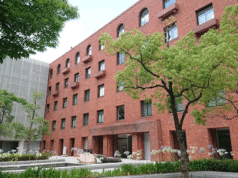
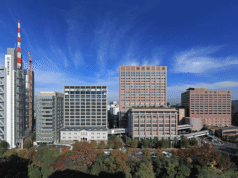
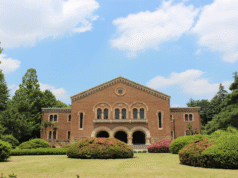
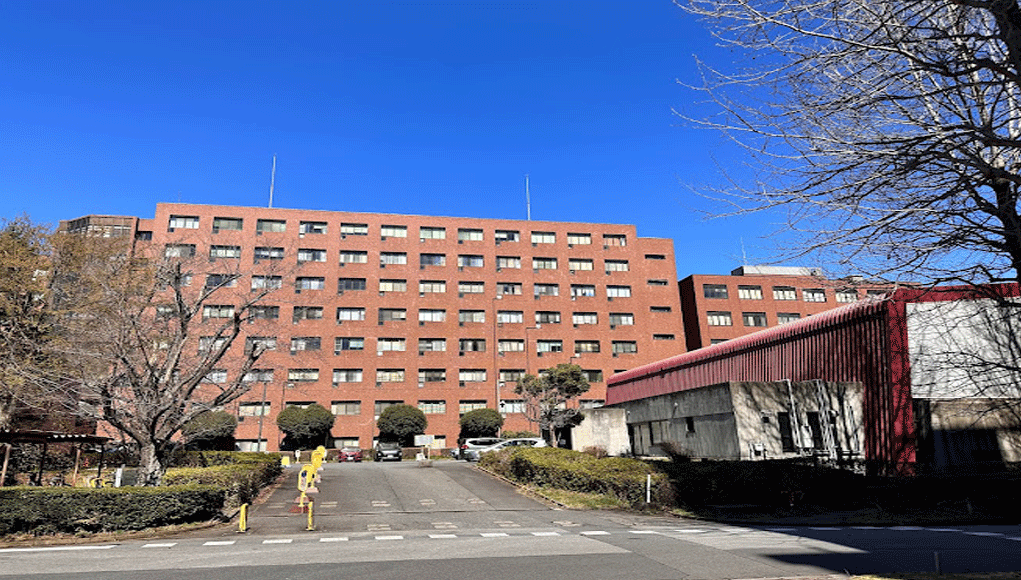
- Campus: The main campus covers an area of 258 hectares, making it the second-largest single campus in Japan. (Wikipedia)
- Research Centers: Home to over 300 research institutions, the campus is a hub for scientific discovery and innovation.(Wikipedia)
- Student Amenities: The university provides comprehensive support services, including accommodation, dining, health services, and recreational facilities.(Tsukuba University)
Address and Contact Details
- Location: 1-1-1 Tennodai, Tsukuba, Ibaraki 305-8577, Japan
- Website: https://www.tsukuba.ac.jp/en/
- Contact: For inquiries, please visit the official website for detailed contact information.
Academic Excellence
- Research Impact: Ranked among the top research institutions in Japan, the university is known for its contributions to various fields, including physics, chemistry, and life sciences. (Wikipedia)
- Nobel Laureates: The university boasts three Nobel Prize winners among its faculty, underscoring its commitment to groundbreaking research. (Wikipedia)
Career Development and Placement Cell
- Support Services: The university offers robust career counseling, internship placements, and job search assistance to students.
- Alumni Network: A strong network of alumni provides mentorship and career opportunities for current students.
Campus Life and Student Support
- Accommodation: Various on-campus and off-campus housing options are available to students.
- Health and Wellness: Comprehensive health services, including medical consultations and psychological support, are provided.
- Extracurricular Activities: A wide range of clubs, societies, and sports activities cater to diverse student interests.
Research Activities
- Interdisciplinary Focus: The university emphasizes collaborative research across disciplines to address global challenges.
- International Collaboration: Engages in joint research projects with institutions worldwide, fostering a global research community.
Scholarships and Fellowships
- Financial Aid: Offers various scholarships and fellowships to support both domestic and international students.
- Eligibility: Scholarships are available based on academic merit, financial need, and other criteria.
Notable Alumni
- Yukihiro Matsumoto: Creator of the Ruby programming language.(Wikipedia)
- Takanori Nagase: Olympic gold medalist in judo.(Wikipedia)
- Yoshiyuki Sankai: Founder and CEO of Cyberdyne.(Wikipedia)
- Kiyoko Ono: Former chair of the National Public Safety Commission.(Wikipedia)
Reputation, Rankings, and Awards
- National Recognition: Consistently ranked among Japan’s top 10 universities. (Tsukuba University)
- International Standing: Recognized globally for its research output and academic programs.
- Awards: Recipient of numerous national and international awards for excellence in education and research.
Conclusion
The University of Tsukuba exemplifies a commitment to academic excellence, research innovation, and global collaboration. With its rich history, diverse programs, and supportive campus environment, it continues to shape future leaders and contribute to global knowledge.
University of Tsukuba programs, Tsukuba Japan undergraduate courses, Tsukuba graduate schools, Japanese university research opportunities, Tsukuba campus life guide, Scholarships at University of Tsukuba, Notable alumni of Tsukuba, Career placement services Tsukuba, Study in Japan Tsukuba, Interdisciplinary courses University of Tsukuba, Tsukuba global education programs, Research collaborations University of Tsukuba